
What is a rotary kiln and How It Works: A Complete Guide

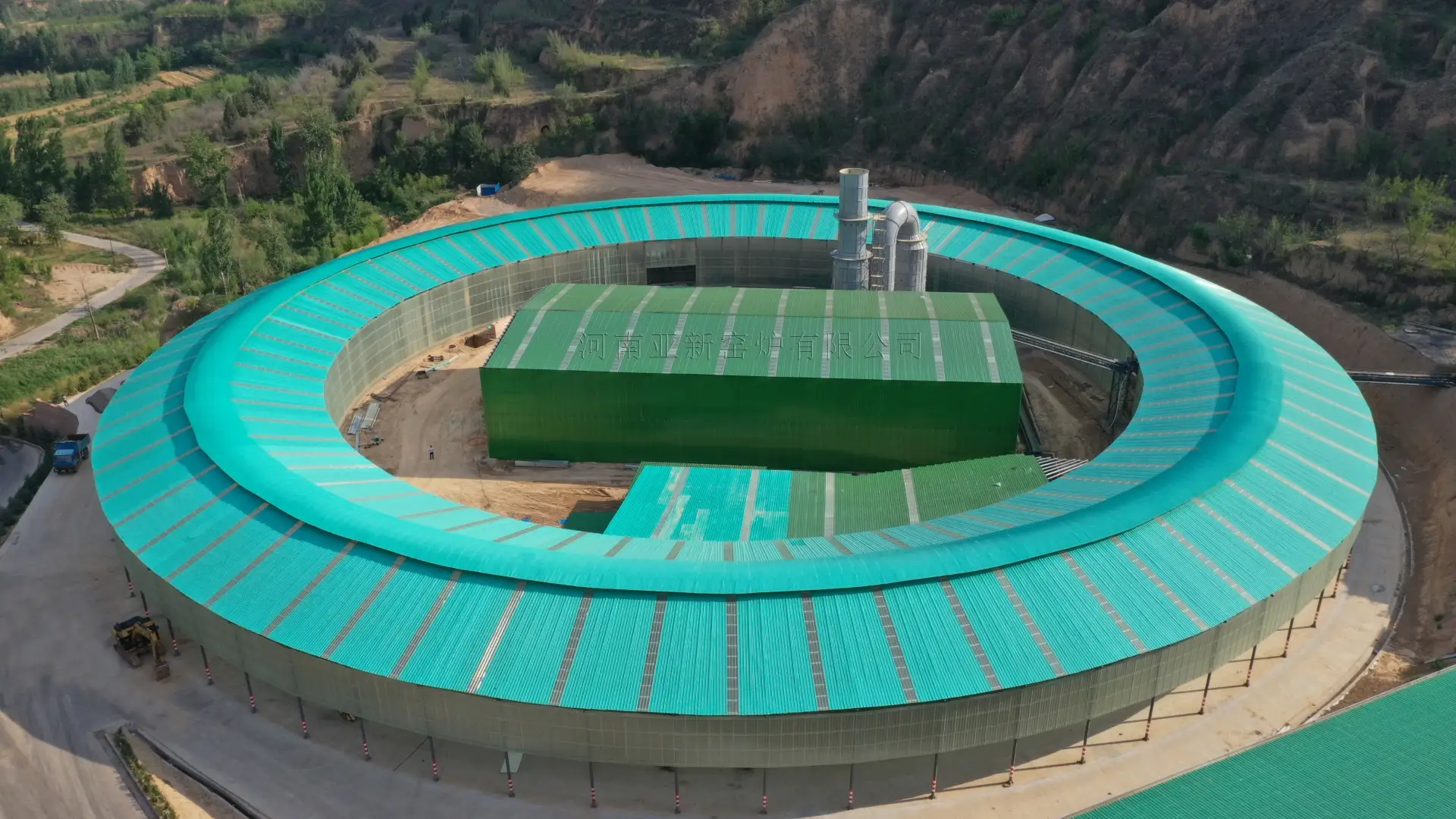
A rotary kiln is a sophisticated thermal processing device used to raise materials to high temperatures. It operates through a continuous process, making it essential for large-scale industrial manufacturing. Industries such as cement production, lime calcination, and waste management rely heavily on this technology.
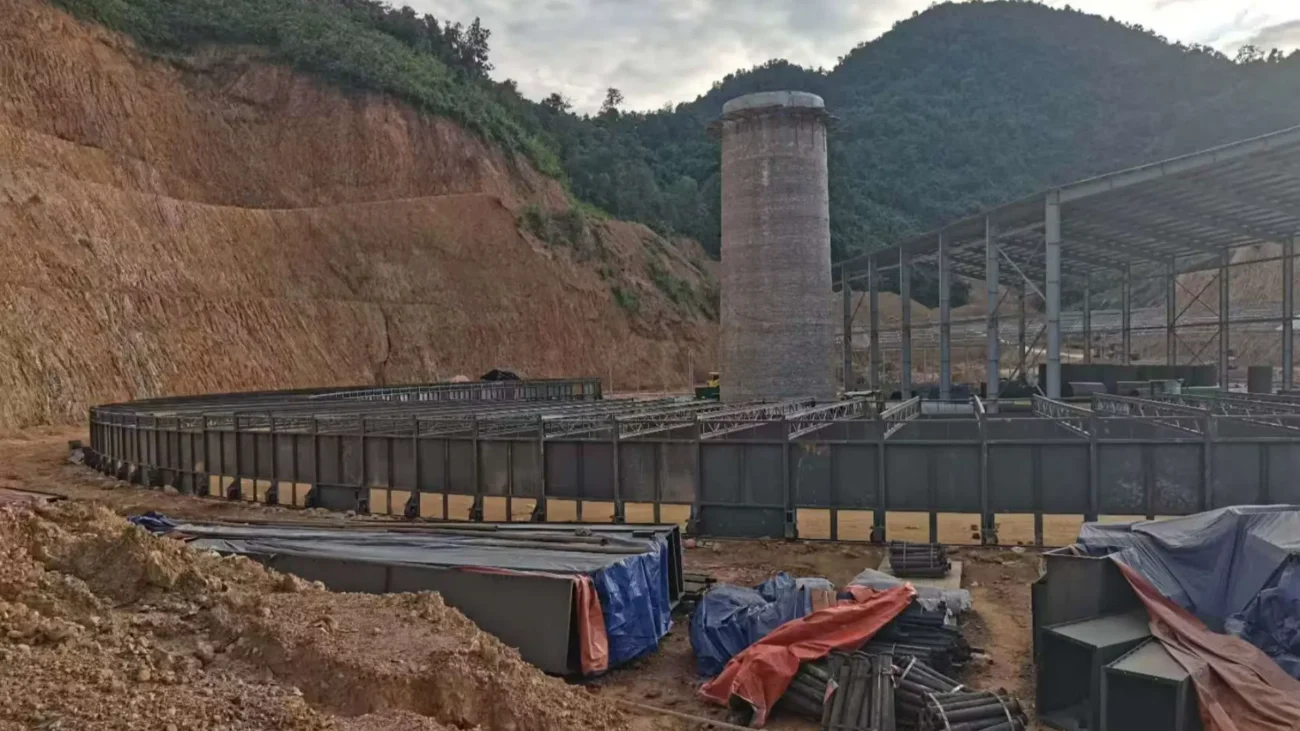
The primary function involves the chemical transformation or physical change of raw materials. By rotating a large cylindrical vessel, the system ensures uniform heat distribution. Understanding the rotary kiln working principle is vital for optimizing production efficiency and energy consumption.
Modern industrial kilns are engineered to withstand extreme thermal stress. They provide a controlled environment for processes like calcination, desorption, and sintering. This guide explores the mechanical structure and operational logic of these massive industrial machines.
Defining the Industrial Rotary Kiln
A rotary kiln is essentially a rotating cylindrical furnace. It is often referred to as the “heart” of a cement plant or chemical processing facility. The vessel sits at a slight incline to facilitate material movement.
The machine treats solids by passing them through a heated atmosphere. Most kilns utilize a counter-current flow where gas and solids move in opposite directions. This design maximizes heat exchange efficiency and reduces fuel waste.
Standard kilns vary in size depending on the specific application. Small units may process only a few tons per day. In contrast, massive industrial kilns can exceed 200 meters in length.
The Rotary Kiln Working Principle Explained
The rotary kiln working principle relies on a combination of gravity, rotation, and thermal transfer. As the cylinder rotates, the material moves slowly from the higher end to the lower end. This movement is called the “kiln burden” or “bed.”
Heating occurs through radiation, convection, and conduction. A burner at the lower end provides a flame that travels up the cylinder. This creates a temperature gradient that processes the material as it descends.
The internal lining, usually made of refractory bricks, protects the steel shell. These bricks also store heat and transfer it back to the material bed. This ensures that the rotary kiln maintains a stable internal temperature for consistent output.
Technical Specifications and Data Components
To understand how these machines function, one must look at the technical parameters. Most industrial kilns operate with a tilt angle between 3% and 5%. This specific slope ensures the material travels at a predictable velocity.
The rotation speed typically ranges from 0.5 to 5 revolutions per minute (RPM). High-performance kilns can reach temperatures exceeding 1,500 degrees Celsius. The following table highlights typical specifications for various applications.
| Feature | Cement Kiln | Lime Kiln | Hazardous Waste Kiln |
|---|---|---|---|
| Operating Temp (°C) | 1,400 – 1,500 | 900 – 1,200 | 800 – 1,100 |
| Rotation Speed (RPM) | 1.0 – 4.5 | 0.5 – 2.0 | 0.2 – 1.5 |
| Tilt Angle (%) | 3.5 – 4.0 | 3.0 – 4.0 | 2.0 – 3.0 |
| Typical Length (m) | 60 – 200 | 30 – 90 | 10 – 45 |
| Capacity (Tons/Day) | 500 – 10,000 | 100 – 800 | 10 – 200 |
These values demonstrate the versatility of the rotary kiln across different sectors. Precision in these parameters is necessary to prevent material overheating or under-processing. Mechanical stability is maintained through heavy-duty support rollers and tires.
Thermal Zones within the Kiln
The interior of a rotary kiln is divided into several functional zones. Each zone serves a specific purpose in the material’s transformation journey. The drying zone is usually located near the feed end where moisture is evaporated.
As the material moves further, it enters the preheating zone. Here, the temperature rises to initiate the initial chemical reactions. The calcining zone is the hottest part where the primary transformation occurs.
Finally, the material enters the cooling zone before exiting the machine. Efficient heat recovery in this final stage is a hallmark of modern rotary kiln working principle designs. This recovered heat is often recycled back into the primary burner system.
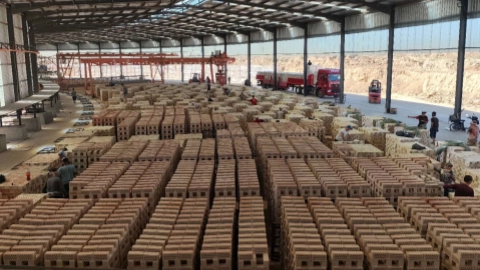
Key Industrial Applications
The rotary kiln is a versatile tool used in metallurgy and environmental protection. In metallurgy, it is used for the roasting of iron ore and the production of pellets. This process removes impurities and prepares the ore for smelting.
Environmental applications involve the incineration of hazardous waste and soil remediation. High temperatures destroy toxic organic compounds safely. This makes the rotary kiln a critical component in modern waste management strategies.
In the chemical industry, it is used for producing titanium dioxide and activated carbon. The controlled atmosphere allows for precise oxidation or reduction reactions. Each application requires a specific internal atmosphere, such as oxidizing or neutral.
How to Select the Right Rotary Kiln for Your Project
Choosing a rotary kiln requires a deep understanding of your material’s physical and chemical properties. You must first determine the required residence time for the desired reaction. This will dictate the necessary length and diameter of the cylinder.
Fuel type is another critical factor in the selection process. Kilns can be powered by pulverized coal, natural gas, or liquid fuels. The choice of fuel significantly impacts the design of the burner and the exhaust gas system.
Thermal efficiency should be a top priority during the evaluation. Look for designs that incorporate advanced sealing technology to prevent air leakage. Proper insulation and high-quality refractory materials will also reduce long-term operational costs.
Assessing the mechanical durability of the support rollers is essential. These components carry the entire weight of the rotating mass. A reliable rotary kiln must feature a robust drive system to handle high torque during startup.
Finally, consider the environmental regulations in your specific region. Modern systems must include dust collectors and gas scrubbing units. Selecting a supplier with experience in emission control is vital for legal compliance.
Summary
The rotary kiln is a vital industrial tool that enables large-scale thermal processing through a continuous, rotating mechanism. By applying the rotary kiln working principle, industries can achieve precise chemical transformations and material calcination efficiently. Understanding the balance between rotation speed, temperature, and tilt angle is key to successful industrial operations and high-quality output.
FAQ
What is the main purpose of a rotary kiln?
The main purpose is to heat solid materials to a high temperature to induce a chemical reaction or physical change. It is commonly used for calcination in cement and lime production.
How does the material move inside a rotary kiln?
Material moves due to the combination of the cylinder’s rotation and its slight downward incline. Gravity pulls the material toward the lower end as the kiln rotates.
What fuel is used in a rotary kiln?
Kilns can use various fuels including coal, natural gas, fuel oil, and even waste-derived fuels. The choice depends on the material being processed and local economic factors.
Why is the refractory lining important?
The refractory lining protects the outer steel shell from extreme heat and abrasion. It also acts as an insulator to keep the heat inside the process.
Reference Sources
IEEE (Institute of Electrical and Electronics Engineers): https://www.ieee.org/
National Lime Association: https://www.lime.org/
Environmental Protection Agency (EPA):https://www.epa.gov/
Global Cement Magazine: https://www.globalcement.com/
ASTM International: https://www.astm.org/