
Guide to Understanding Energy-Saving Kiln Cost

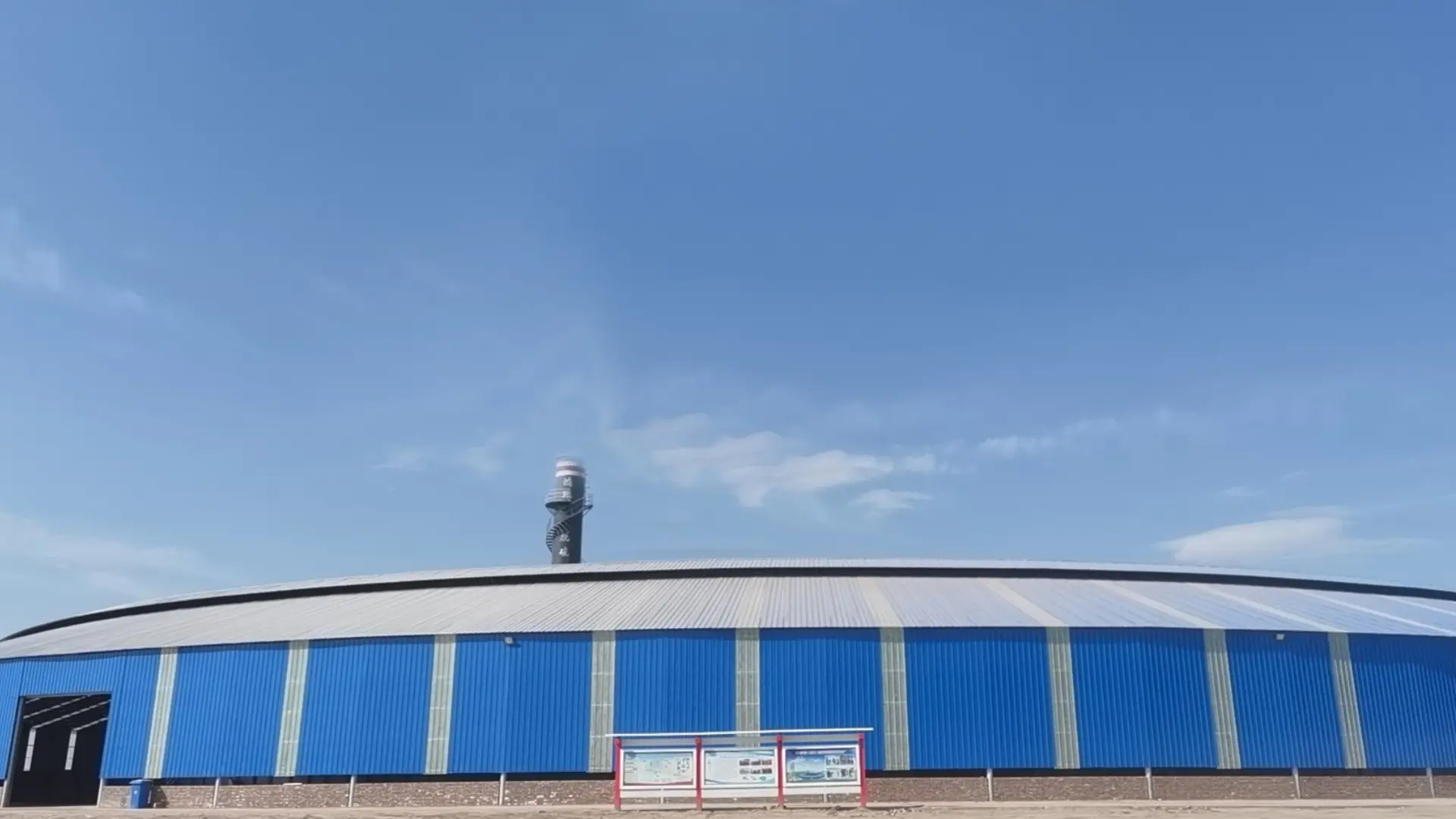
Industrial production relies heavily on thermal processing. Modern facilities now prioritize energy efficiency to remain competitive. Understanding the total kiln cost requires looking beyond the initial purchase price. Energy-saving kilns represent a strategic investment for long-term profitability.
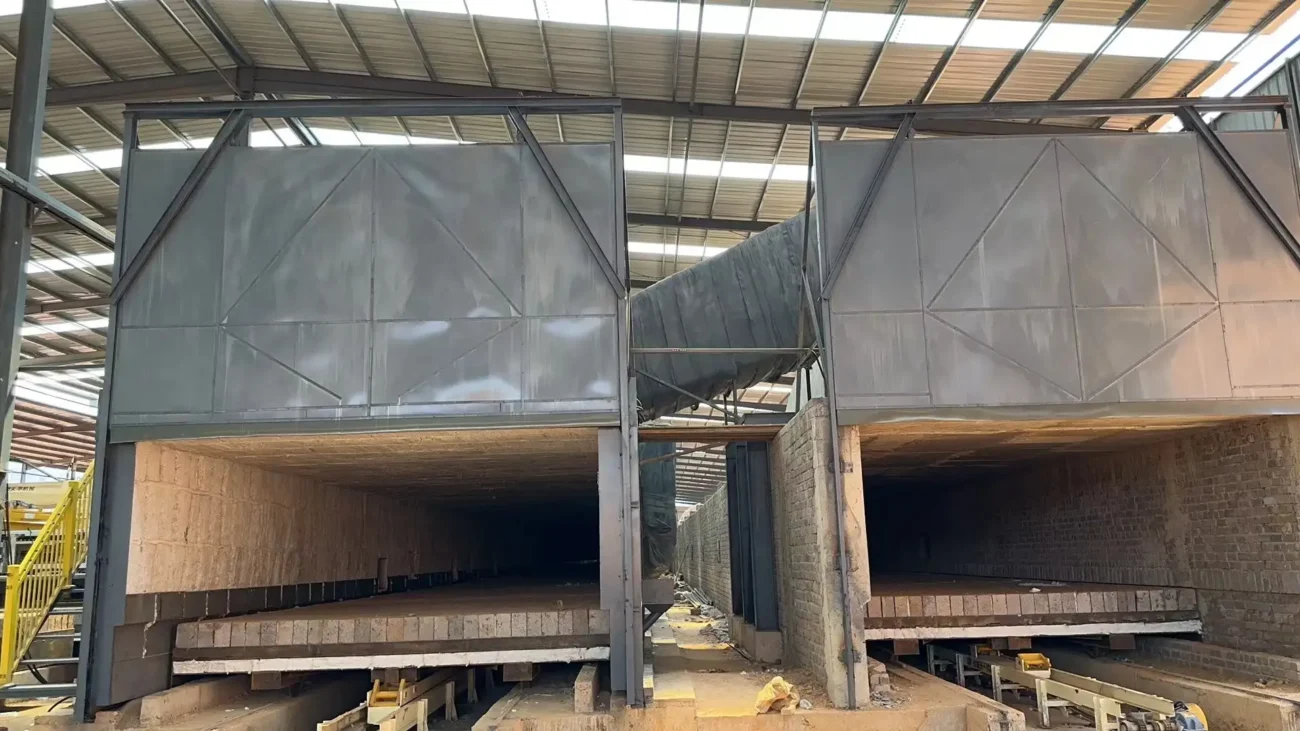
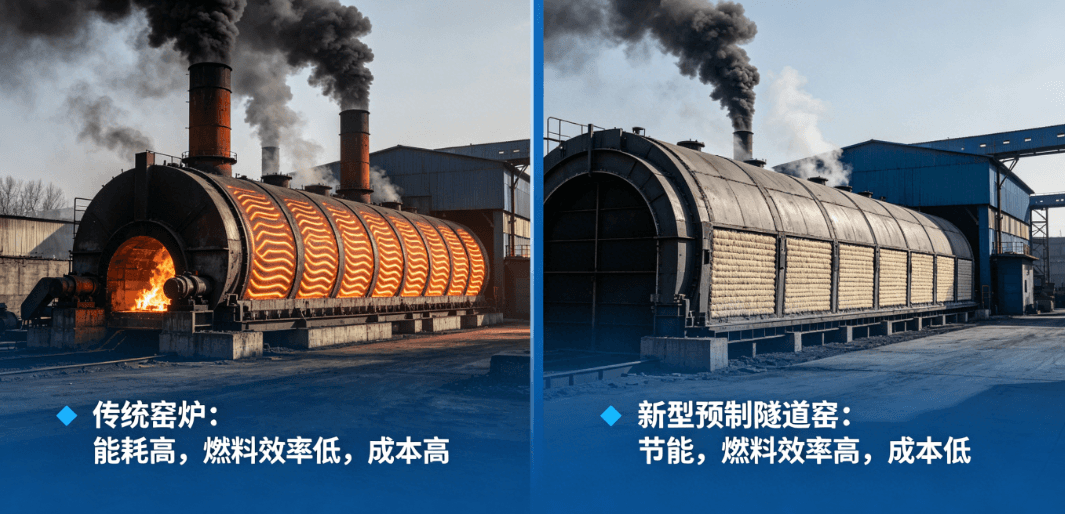
The global shift toward sustainability influences industrial equipment manufacturing. Modern kilns utilize advanced insulation and heat recovery systems. These features significantly impact both capital and operational expenses. High-efficiency kilns can reduce energy consumption by 20% to 40% compared to legacy models.
This guide explores the factors driving the price of advanced kilns. We will examine how specific designs, like rotary and prefabricated tunnel kilns, offer different value propositions. By analyzing these elements, businesses can make informed financial decisions.
What Factors Determine the Initial Kiln Cost?
The size and capacity of the equipment are the primary drivers of the upfront kiln cost. Larger kilns require more structural steel and specialized refractories. Advanced refractory materials, such as high-alumina bricks or ceramic fibers, increase the initial price but improve thermal retention.
Automation and control systems also play a significant role in pricing. Modern kilns feature PLC systems that monitor temperature and pressure in real-time. These systems ensure optimal combustion and minimize heat loss. Sophisticated control systems typically add 10% to 15% to the initial equipment price.
Installation and logistics are often overlooked components of the budget. Heavy machinery like rotary kilns requires specialized transport and site preparation. In contrast, prefabricated tunnel kilns use modular designs that simplify site work. These modular components reduce on-site labor requirements and shorten the installation timeline.
How Energy-Saving Features Reduce Operational Kiln Cost
Energy consumption accounts for the largest portion of a kiln’s lifecycle expense. Traditional kilns lose significant heat through the shell and exhaust gases. Energy-saving kilns utilize high-density insulation to prevent this thermal leakage. Lowering shell temperature by 50°C can result in substantial fuel savings annually.
Heat recovery systems are essential for managing the long-term kiln cost. These systems capture hot air from the cooling zone and recirculate it into the burner. This process preheats the combustion air, reducing the amount of fuel needed for the fire. Heat recovery can improve overall thermal efficiency by up to 25%.
Maintenance frequency also affects the total cost of ownership. Efficient kilns provide more uniform heating, which reduces thermal stress on the mechanical components. This stability prevents the premature cracking of refractory linings and mechanical warping. Lower maintenance needs can decrease annual repair budgets by approximately 15%.
| Feature | Impact on Initial Price | Operational Savings (Annual) |
| High-Density Insulation | Moderate Increase | 10% – 15% Fuel Reduction |
| Waste Heat Recovery | High Increase | 15% – 25% Energy Savings |
| Automated Control Systems | Moderate Increase | 5% – 10% Efficiency Gain |
| Modular Prefabrication | Moderate Decrease | Lower Installation Labor |
Comparing Rotary vs Tunnel Kiln Cost Efficiency
Rotary kilns are the industry standard for processing bulk materials like cement and lime. Their continuous rotation ensures even heat distribution throughout the material bed. However, the high-speed movement requires robust mechanical drive systems. The kiln cost for rotary models reflects the need for heavy-duty rollers and precision-aligned gears.
Prefabricated tunnel kilns offer a different approach for ceramic and brick production. These kilns use a stationary structure where materials move through on carts. The prefabricated nature allows for better quality control during manufacturing. Modular construction can reduce initial setup costs by 20% compared to traditional on-site masonry kilns.
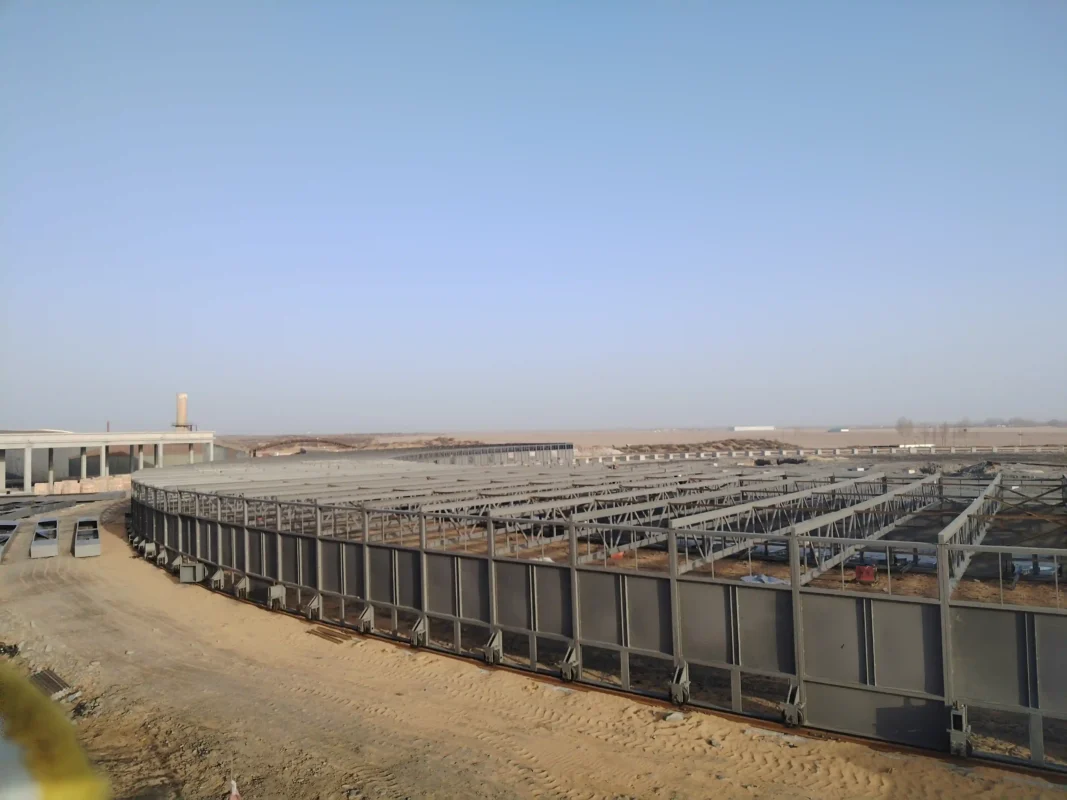
The choice between these designs depends on the specific production goals. Rotary kilns handle varied particle sizes and high volumes effectively. Tunnel kilns provide superior temperature control for delicate items like tiles or porcelain. Choosing the right design ensures the kiln cost aligns with the facility’s output requirements.
Measuring the Long-Term ROI of Energy-Efficient Kilns
Calculating the Return on Investment (ROI) is crucial for justifying the higher purchase price. While an energy-saving model costs more upfront, the lower utility bills accelerate the payback period. Most facilities achieve a full ROI within 2 to 4 years through fuel savings alone.
Government incentives and carbon taxes also influence the financial outlook. Many regions offer tax credits for businesses that upgrade to low-emission machinery. Reducing carbon footprints through better kiln efficiency can lower regulatory compliance costs. This makes the kiln cost more manageable over a ten-year horizon.
Operational uptime is another factor in the ROI calculation. Energy-efficient kilns are built with modern engineering standards that prioritize reliability. Fewer unplanned shutdowns mean consistent production and higher revenue. Reliable equipment can increase annual production capacity by 5% to 8%.
How to Select the Ideal Energy-Saving Kiln for Your Project
Selecting the right equipment involves a balance of budget, space, and production volume. Decision-makers must first identify the specific thermal requirements of their material. High-temperature processes demand more expensive refractory linings. Lowering the required operating temperature even slightly can significantly reduce the initial kiln cost.
Space availability often dictates whether a rotary or tunnel design is feasible. Rotary kilns require significant horizontal space and heavy foundations. Prefabricated models are more flexible and can be adapted to existing facility layouts. Modular designs allow for future expansion with minimal disruption to current operations.
Consider the local fuel availability and cost when choosing a burner system. Modern kilns can often be configured for gas, oil, or pulverized coal. Flexible fuel systems might increase the price but provide a safeguard against market fluctuations. Evaluating these variables ensures the equipment remains cost-effective for decades.
The kiln cost is ultimately an investment in the facility’s future productivity. Prioritizing energy efficiency protects the business against rising energy prices. Partnering with experienced manufacturers provides access to the latest thermal technologies. Reliable technical support ensures the kiln operates at peak efficiency throughout its lifespan.
Summary
The total kiln cost includes the initial purchase, installation, and long-term energy consumption. Energy-saving features like heat recovery and advanced insulation offer significant operational savings and a faster ROI. Choosing between rotary and prefabricated tunnel designs depends on production volume and specific material needs for optimal efficiency.
FAQ
How much does a typical industrial kiln cost?
The price varies widely based on size, but small industrial units start around $50,000, while large-scale rotary kilns can exceed $1,000,000. Custom features and energy-saving modules will further influence the final price.
Can energy-saving features be retrofitted to old kilns?
Yes, retrofitting insulation and heat recovery systems is possible for many models. However, the cost of retrofitting can sometimes approach the price of a new, highly efficient modular kiln.
What is the lifespan of a modern energy-saving kiln?
With proper maintenance, a high-quality industrial kiln can last 20 to 30 years. Regular inspections of the refractory lining and mechanical parts are essential to maximize this lifespan.
Does a prefabricated kiln save money compared to traditional builds?
Prefabricated kilns typically reduce kiln cost by lowering on-site labor and shortening the construction schedule. They also offer better insulation quality due to factory-controlled manufacturing processes.
Reference Sources
International Energy Agency (IEA): https://www.iea.org
U.S. Environmental Protection Agency (EPA) – ENERGY STAR: https://www.energystar.gov
American Ceramic Society: https://ceramics.org
Journal of Cleaner Production (ScienceDirect): https://www.sciencedirect.com
Global Cement and Concrete Association: https://gccassociation.org