
Rotary Kiln Maintenance: Expert Guide to Longevity

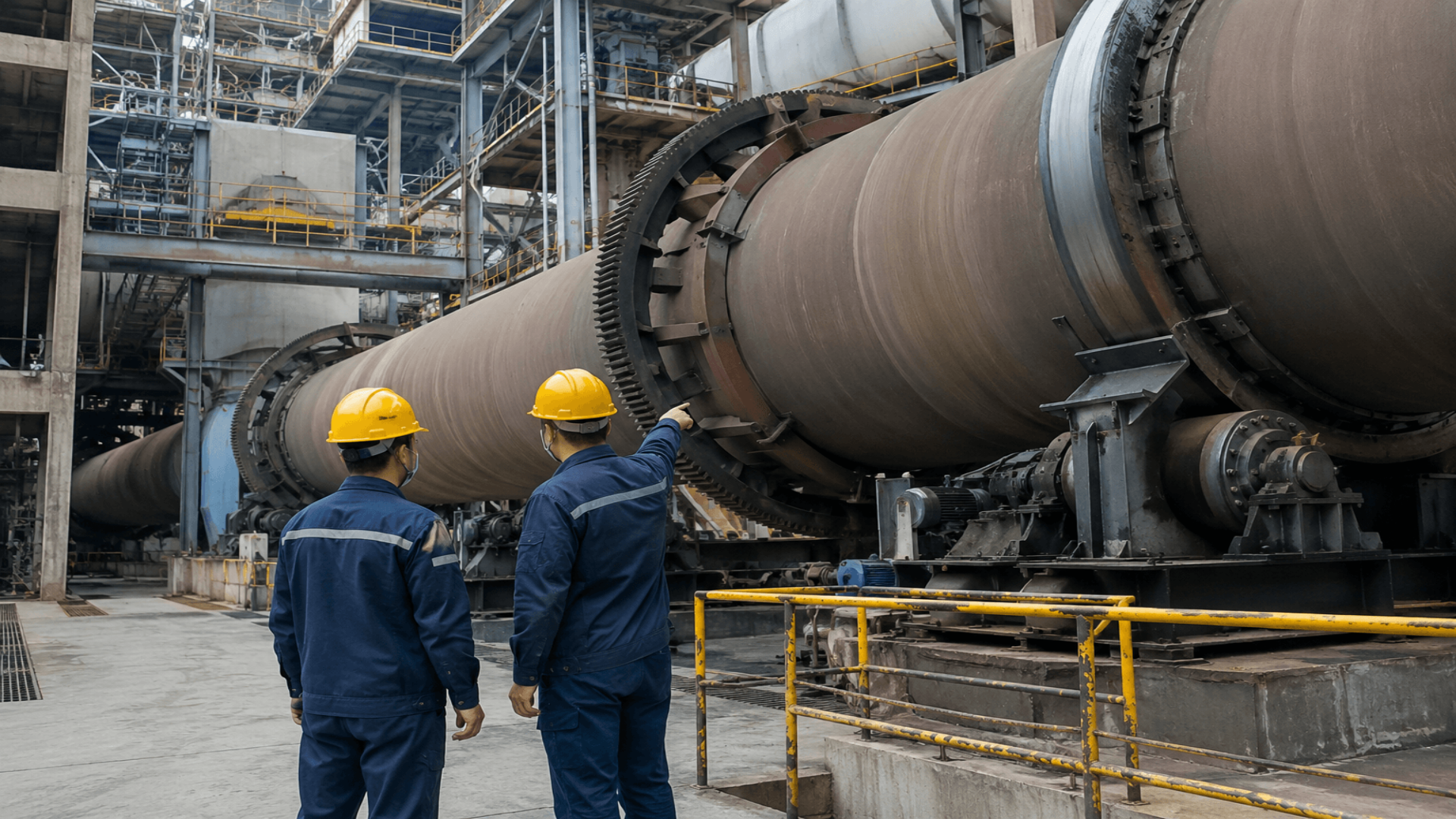
Unplanned downtime in heavy industrial processing can cost thousands of dollars per hour. For operators of high-capacity thermal equipment, a proactive maintenance strategy is not just a preference. It is a critical operational requirement for safety and profitability. At Yaxin Kiln, we design our rotary kiln systems to withstand extreme mechanical stress and thermal fluctuations. However, even the most robust machinery requires precise technical oversight to perform at peak efficiency. This guide outlines the essential mechanical and thermal protocols required to protect your investment.
Why Mechanical Alignment Is the Foundation of Kiln Health?
The primary cause of premature component failure in rotary kilns is mechanical misalignment. A kiln shell is never perfectly straight, but excessive “crank” or “bow” creates uneven loading on the tires and rollers. We often observe that misalignment leads to accelerated wear on the girth gear and pinion. This stress can eventually cause fatigue cracks in the steel shell itself. Regular laser alignment checks are necessary to ensure the load is distributed evenly across all support piers.
Our engineering team recommends monitoring the “axial float” of the kiln daily. The kiln should move smoothly between the uphill and downhill thrust rollers without excessive force. If you notice the kiln staying hard against one roller, it indicates a skew in the support rollers. Proper adjustment of these rollers reduces the energy consumption of the main drive motor. It also prevents the “mushrooming” effect on the edges of the tires.
How to Manage Refractory Integrity and Shell Protection?
The refractory lining is the only barrier protecting the steel shell from temperatures exceeding 1,000°C. If the lining fails, the shell can develop “hot spots,” leading to permanent deformation or “red spots.” We advise using infrared thermography to scan the shell surface during every shift. This allows you to identify thinning refractory areas before they become catastrophic failures. Maintaining a stable “coating” or clinker layer on the bricks is essential for insulation.
We suggest that operators avoid rapid heating or cooling cycles whenever possible. Thermal shock is the leading cause of refractory spalling and premature brick failure. During a shutdown, the cooling rate must be strictly controlled according to the brick manufacturer’s specifications. If a hot spot is detected, focused cooling fans can sometimes provide a temporary fix. However, a planned stop for refractory patching is always safer than an emergency shell repair.
Essential Lubrication Protocols for High-Temperature Environments
Lubrication in a rotary kiln environment is challenging due to extreme radiant heat and heavy dust loads. The girth gear and pinion require specialized high-viscosity lubricants that can withstand high pressure. At Yaxin Kiln, we emphasize the importance of keeping the lubrication spray system calibrated. Clogged nozzles lead to dry spots on the gear teeth, which causes rapid pitting and vibration. Automated systems are preferred to ensure consistent application without manual intervention.
Support roller bearings also require constant attention to prevent overheating and seizing. We recommend using high-quality oils with the correct ISO viscosity grade for your specific climate. Contamination from dust and grit is a common enemy of bearing longevity. Ensure all seals are intact and that the oil filtration system is serviced regularly. Clean oil significantly reduces the friction coefficient, lowering the operating temperature of the bearings.
Critical Maintenance Intervals for Industrial Kilns
| Component | Inspection Frequency | Action Required |
| Girth Gear & Pinion | Daily | Check spray pattern and listen for abnormal vibration. |
| Support Rollers | Weekly | Measure bearing temperatures and check for surface wear. |
| Shell Surface | Every Shift | Perform IR thermal scanning to detect hot spots. |
| Kiln Seals | Monthly | Inspect for gaps, air leakage, or material buildup. |
| Thrust Rollers | Daily | Verify the kiln is floating correctly between rollers. |
| Drive Motor | Quarterly | Check electrical load, brush wear, and coupling alignment. |
Optimizing the Drive System and Seal Efficiency
The drive system is the heart of the kiln’s rotation and must be kept in perfect sync. We suggest checking the backlash and root clearance of the girth gear at least twice a year. Excessive play in the gear mesh can cause jerky rotation, which damages the refractory lining. If you hear a “clunking” sound, it often indicates loose bolts on the gear spring plates. Tightening these components immediately prevents expensive gear replacements later.
Proper sealing at the kiln inlet and outlet is vital for maintaining the internal atmosphere. Leaking seals allow “false air” to enter the system, which spikes fuel consumption and disrupts the thermal profile. We recommend replacing worn leaf seals or graphite blocks as soon as gaps appear. Effective seals also prevent material loss and protect surrounding equipment from heat damage. High-efficiency seals are one of the fastest ways to improve the overall ROI of your thermal process.
Strategic Maintenance for Long-Term Reliability
Successful maintenance is about moving from a reactive mindset to a predictive one. We encourage our clients to maintain detailed logs of shell ovality and roller positions. Analyzing these trends helps you predict when a tire shim replacement or a roller regrinding is needed. This data-driven approach allows you to schedule repairs during planned annual outages. It minimizes the risk of a “break-fix” scenario that halts your entire production line.
We also advise keeping a critical spare parts inventory on-site at all times. This should include refractory bricks, pinion bearings, and seal components. Having these items ready can reduce repair times from weeks to days. Our team at Yaxin Kiln remains committed to supporting our partners with technical audits and replacement parts. Investing in precision maintenance today ensures your kiln remains a productive asset for decades to come.
FAQ
Q1: How often should a rotary kiln be aligned?
A: We recommend a professional laser alignment at least once a year or whenever major components like tires are replaced. Regular monitoring of roller heat and vibration can indicate if an interim alignment is necessary.
Q2: What causes a rotary kiln shell to crack?
A: Shell cracks are typically caused by extreme thermal stress from hot spots or mechanical fatigue due to misalignment. Improper welding during repairs or excessive shell ovality can also contribute to structural failure over time.
Q3: How can I tell if my refractory lining is thinning without stopping the kiln?
A: Use a handheld infrared (IR) camera or a fixed shell scanner to monitor surface temperatures. A significant jump in shell temperature in a specific area usually indicates thinning or lost refractory bricks.
Q4: Why is my kiln vibrating excessively?
A: Vibration is often caused by gear misalignment, worn pinion bearings, or a “bowed” shell. It can also occur if the material load inside the kiln is uneven or if the girth gear bolts are loose.
Q5: What is the benefit of a modern kiln seal?
A: Modern seals reduce the intake of cold ambient air, which improves fuel efficiency and stabilizes the combustion process. They also prevent hazardous gases and dust from escaping into the work environment.
Reference Sources
ASTM C1557 – Standard Test Method for Tensile Strength and Young’s Modulus of Fibers
https://www.astm.org/c1557-20.html
ISO 9001:2015 – Quality Management Systems Requirements for Manufacturing
https://www.iso.org/standard/62085.html
MSHA – Safety Standards for Metal and Nonmetal Mining and Processing
https://www.msha.gov/regulations/standards-and-regulations