
Eco-Friendly Kilns: How Modern Tech Reduces Emissions

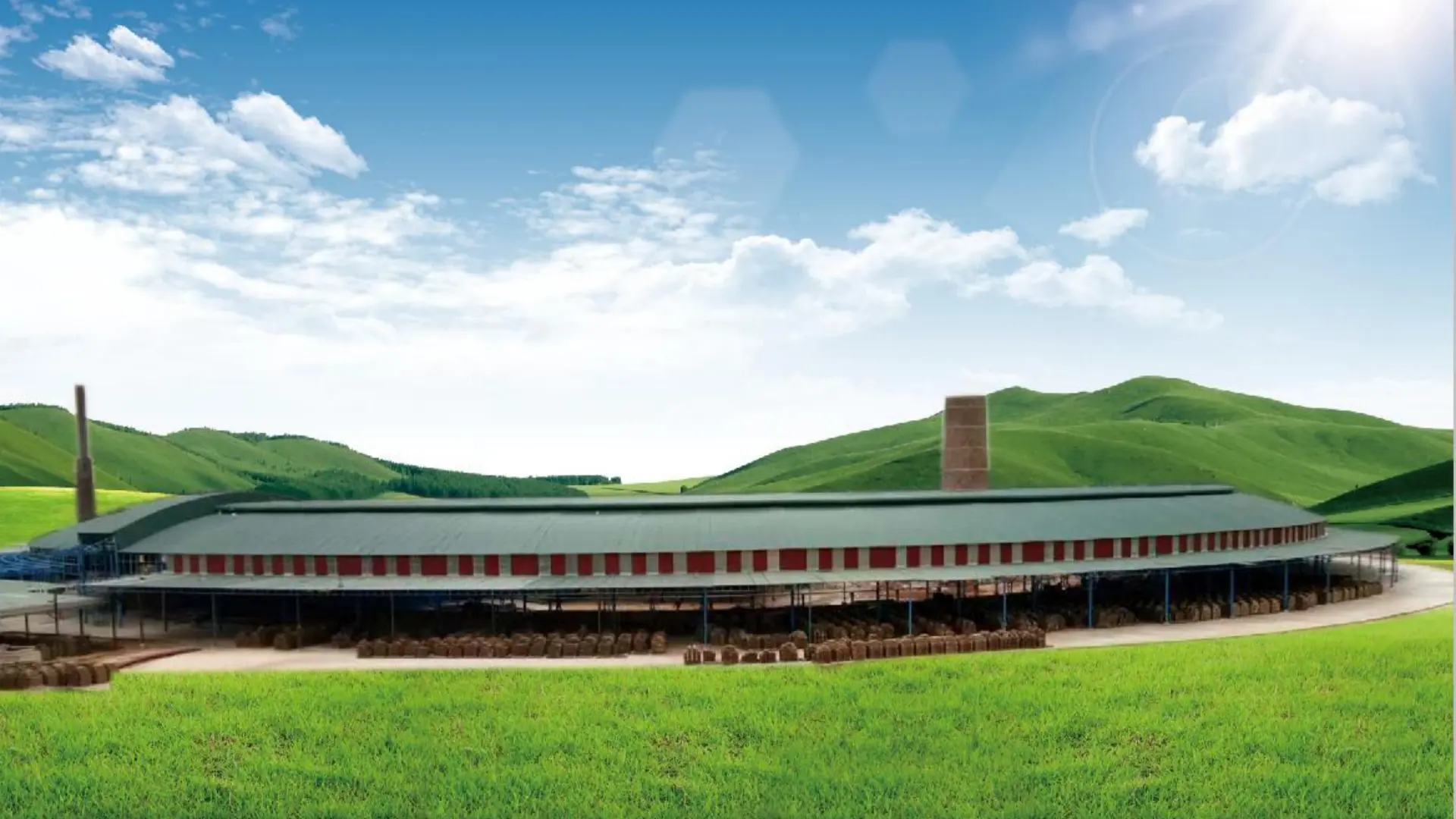
The industrial transition toward decarbonization has fundamentally changed the engineering requirements for thermal processing equipment. Historically, kilns were viewed as energy-intensive assets with high carbon footprints. However, the emergence of the eco-friendly kiln has shifted this perspective. By integrating advanced thermodynamics, digital control systems, and innovative materials, modern kiln designs are now central to green manufacturing initiatives. These systems do more than just process raw materials; they optimize energy consumption and mitigate the release of harmful pollutants into the atmosphere.
What Defines an Eco-Friendly Kiln in Modern Manufacturing?
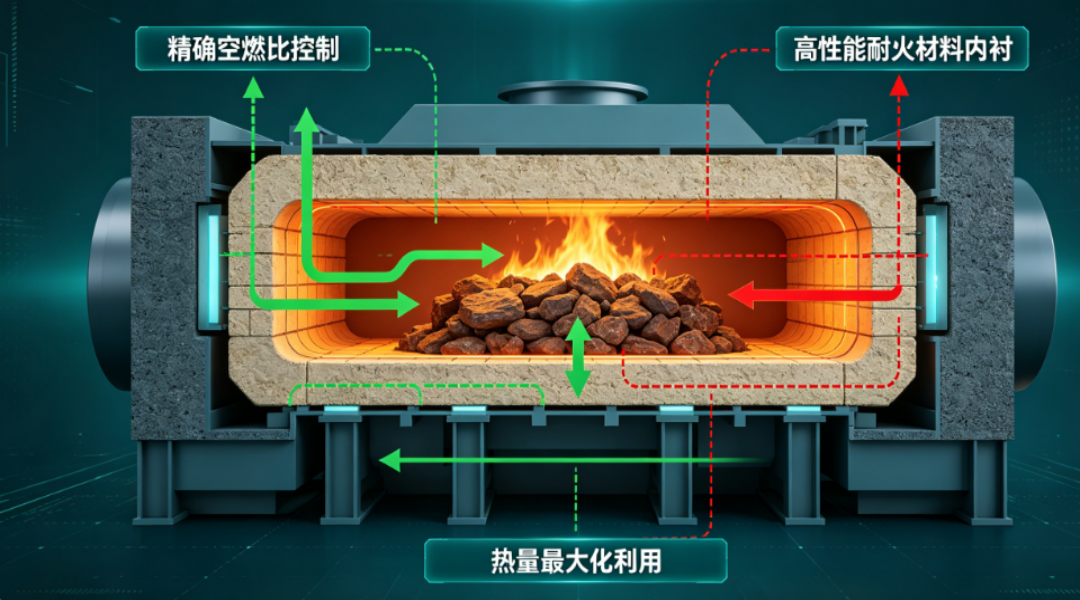
An eco-friendly kiln is an industrial thermal processing unit designed to maximize energy output per unit of fuel while minimizing greenhouse gas (GHG) emissions and particulate matter. Unlike legacy systems that relied on rudimentary combustion, modern eco-friendly designs prioritize thermal efficiency. This is achieved through a combination of precision air-to-fuel ratios, high-performance refractory linings, and automated firing curves that prevent energy waste.
In technical terms, the environmental performance of a kiln is measured by its “Specific Energy Consumption” (SEC). Lower SEC values indicate that the kiln requires less fuel to achieve the necessary chemical or physical transformations in the material. Engineers today focus on reducing thermal bypass and improving heat transfer rates to ensure that every kilojoule of energy is utilized effectively within the system.
Key Environmental Technologies in Rotary and Tunnel Kilns
The environmental benefits of modern kilns are derived from specific engineering enhancements. Whether processing cement, minerals, or ceramics, these technologies work in tandem to reduce the ecological footprint.
1.Waste Heat Recovery Systems (WHRS)
Waste heat recovery is perhaps the most significant advancement in kiln sustainability. High-temperature exhaust gases, which were previously vented into the atmosphere, are now captured. This energy is redirected to pre-heat incoming raw materials or to generate electricity via steam turbines. In large-scale operations, implementing a WHRS can reduce total energy consumption by up to 20%.
2.Low-NOx Burner Technology
Nitrogen oxides (NOx) are a major byproduct of high-temperature combustion. Modern burners are engineered to control the flame temperature and oxygen distribution more precisely. By utilizing staged combustion, these burners significantly lower the formation of NOx without compromising the thermal intensity required for industrial processes.
3.High-Performance Refractory Insulation
The kiln shell is a primary source of heat loss. Modern eco-friendly kilns utilize multi-layer refractory systems with low thermal conductivity. These materials act as a thermal barrier, ensuring that the internal heat remains concentrated on the product rather than escaping into the factory environment. This reduces the fuel load required to maintain steady-state operating temperatures.
How Do Different Kiln Types Compare in Environmental Impact?
Choosing the right kiln architecture is vital for meeting sustainability goals. The two most prominent designs in heavy industry—rotary and tunnel kilns—each offer unique environmental advantages depending on the application.
| Performance Metric | Traditional Rotary Kiln | Modern Rotary Kiln | Prefabricated Tunnel Kiln |
| Thermal Efficiency | 40% – 50% | 70% – 85% | 80% – 90% |
| Emissions Control | Basic Scrubbers | Integrated Filtration | Sealed Firing Zones |
| Fuel Flexibility | Single Fuel | Multi-fuel/Biomass | Electric/Gas Hybrid |
| Heat Loss | High Surface Loss | Optimized Insulation | Modular Sealed Shell |
| Automation Level | Manual/Basic | AI-Driven PID | Fully Automated PLC |
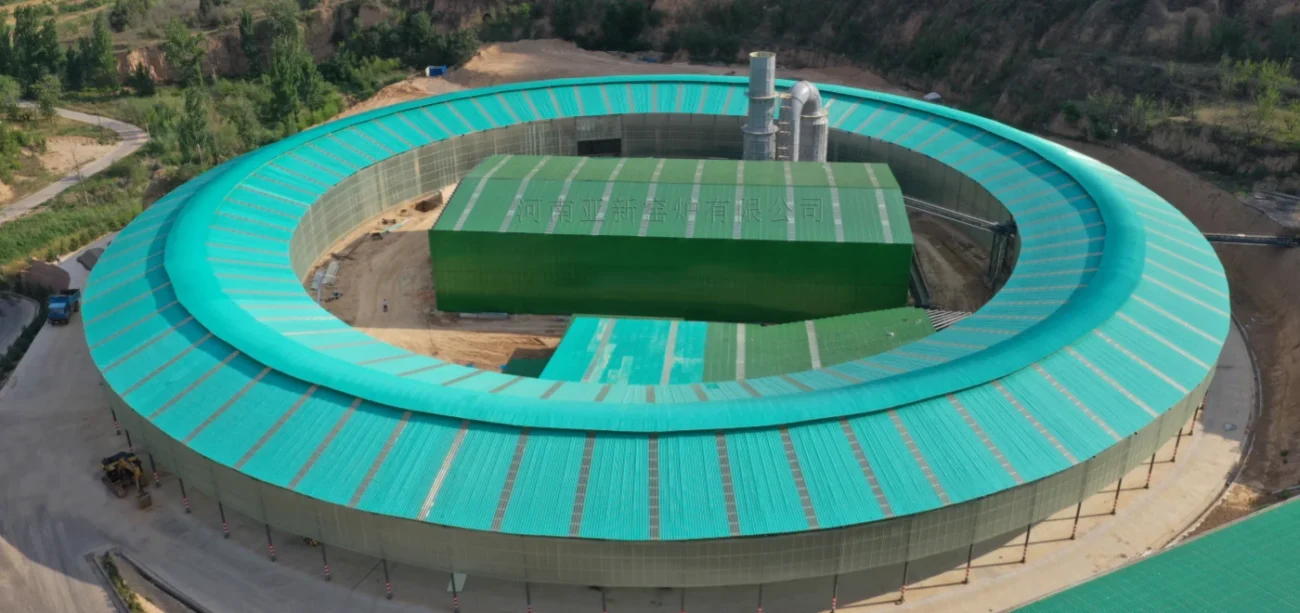
For high-capacity, continuous processing of minerals, the modern rotary kiln provides exceptional thermal inertia. These units are increasingly designed to handle alternative fuels, such as processed waste or biomass, which helps reduce reliance on fossil fuels. Conversely, for brick and ceramic production, a prefabricated tunnel kiln offers a more controlled environment. The modular nature of prefabricated units allows for tighter seals and more efficient heat zones, drastically reducing the energy required per unit of finished product.
Why Precision Control is the Secret to Decarbonization?
The shift toward an eco-friendly kiln is not just about the hardware; it is about the software and sensor integration. Environmental impact is often the result of “over-firing” or inconsistent temperature gradients. When a kiln fluctuates in temperature, it consumes excess fuel to recover its thermal setpoint.
Modern systems utilize Programmable Logic Controllers (PLCs) and real-time oxygen sensors to maintain the “perfect” combustion atmosphere. By monitoring the chemical composition of the exhaust gas in real-time, the system can automatically adjust air intake to ensure complete combustion. This level of precision eliminates the production of carbon monoxide (CO) and ensures that fuel is used with maximum efficiency. Furthermore, automated cooling zones allow for the recuperation of heat from the cooling product, which is then recycled back into the firing zone.
The Role of Kiln Modernization in Circular Economies
In a circular economy, waste from one process becomes the raw material for another. Modern kilns facilitate this by acting as “thermal recyclers.” For example, cement kilns are frequently used to co-process industrial waste, which would otherwise end up in landfills. The high temperatures and long residence times inside a rotary kiln ensure that hazardous organic compounds are completely destroyed, while the inorganic components are safely incorporated into the final product.
This capability transforms the kiln from a simple manufacturing tool into a vital piece of environmental infrastructure. By substituting coal or petcoke with waste-derived fuels, manufacturers can reduce their CO2 emissions by thousands of tons annually.
Achieving Compliance Through Advanced Filtration
Environmental regulations such as the Clean Air Act or EU emissions standards require strict monitoring of particulate matter, sulfur dioxide (SO2), and mercury. An eco-friendly kiln is typically equipped with a multi-stage flue gas cleaning system.
- Baghouse Filters: Capture fine dust and particulates with high efficiency.
- Dry Scrubbers: Use lime or other reagents to neutralize acidic gases like SO2.
- Electrostatic Precipitators (ESP): Use electrical charges to remove particles from the gas stream.
These systems ensure that the air leaving the kiln is often cleaner than the surrounding ambient air in industrial zones. As environmental standards continue to tighten globally, the transition to these advanced filtration and combustion systems is no longer optional for industrial operators; it is a prerequisite for long-term viability.
Summary of Environmental Benefits
The transition to modern thermal technology offers a clear path toward sustainable industrialization. By focusing on thermal efficiency and emission reduction, manufacturers can achieve:
- Reduced Carbon Footprint: Lower fuel consumption directly correlates to fewer CO2 emissions.
- Energy Recovery: Converting waste heat into usable energy reduces the demand on the local power grid.
- Waste Minimization: The ability to use alternative fuels promotes better waste management practices.
- Compliance: Meeting and exceeding international environmental standards avoids legal risks and fines.
For engineers and project managers, the selection of a kiln—whether it be a high-capacity rotary system or a precision-engineered tunnel kiln—must be viewed through the lens of long-term ecological impact. The modern eco-friendly kiln represents the pinnacle of this engineering evolution.
FAQ
Q1: What is the primary difference between a traditional kiln and an eco-friendly kiln?
A: The primary difference lies in thermal efficiency and emission management. A traditional kiln often loses significant heat through the shell and exhaust, whereas an eco-friendly kiln utilizes waste heat recovery, advanced refractory insulation, and precision combustion controls to minimize energy waste and harmful output.
Q2: How does a prefabricated tunnel kiln save more energy than older models?
A: Prefabricated tunnel kilns are built with modular, high-insulation sections that provide superior sealing compared to site-built masonry kilns. This reduced air leakage and the ability to precisely control the heat zones allow for much more efficient energy usage and a consistent firing curve.
Q3: Can modern rotary kilns run on renewable energy?
A: Yes, many modern rotary kilns are being designed with multi-fuel burners that can utilize biomass, hydrogen-enriched fuels, or waste-derived fuels. Some smaller systems are also exploring electric heating elements, though large-scale industrial units typically rely on a hybrid approach to maintain the necessary thermal intensity.
Q4: Why is waste heat recovery so important for the environment?
A: Waste heat recovery is critical because it captures energy that has already been paid for and produced. By reusing this heat for pre-heating or power generation, the facility reduces its total fuel demand, which directly lowers the volume of greenhouse gases emitted into the atmosphere.
Reference Sources
EPA Industrial Combustion Coordinated Rulemaking Information
https://www.epa.gov/
ISO 14001 Environmental Management Systems Standards
https://www.iso.org/standard/14001
International Energy Agency Industrial Energy Efficiency Report
https://www.iea.org/reports/energy-efficiency-2023
ScienceDirect Research on Thermal Efficiency in Rotary Kilns
https://www.sciencedirect.com/