
Key Components of a Prefabricated Tunnel Kiln

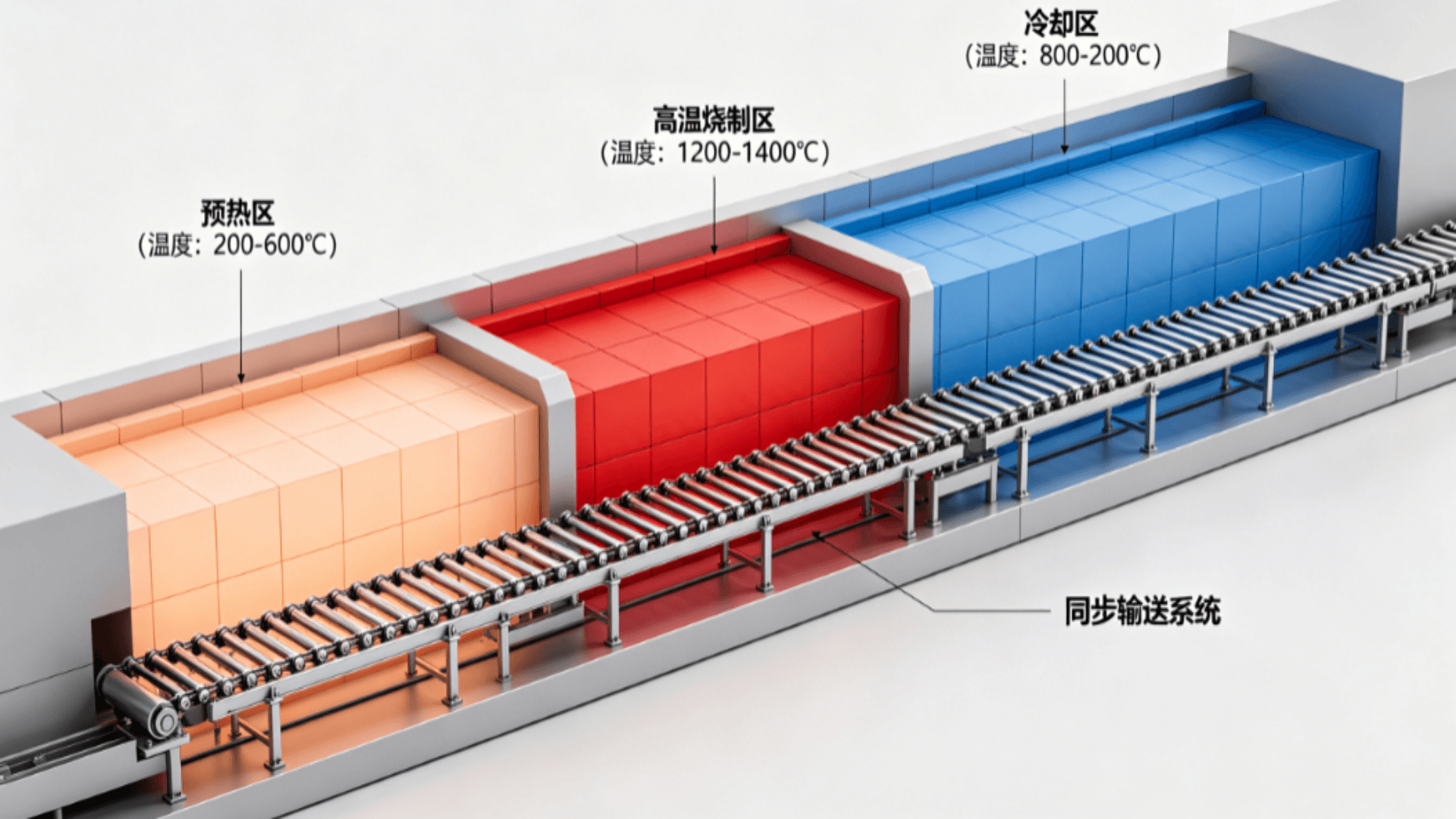
The shift from traditional on-site masonry to prefabricated tunnel kilns marks a significant evolution in industrial ceramics and brick manufacturing. Modern production environments demand thermal precision and rapid deployment. We at Yaxin Kiln focus on engineering modular systems that bypass the lengthy construction timelines of traditional kilns. Understanding the specific tunnel kiln parts is essential for engineers and plant managers aiming to optimize energy consumption and product throughput. These components work in a synchronized thermal cycle, moving from preheating to the final cooling phase.
A prefabricated tunnel kiln is essentially a continuous furnace built in sections within a controlled factory environment. These sections are later transported and assembled at the client’s facility. This modular approach ensures that each joint, burner port, and duct is manufactured to strict tolerances. At our production facility, we emphasize high-strength steel outer shells that provide the necessary structural integrity for the refractory lining. This design prevents the air leakage common in older, brick-and-mortar kiln structures.
What defines the structural tunnel kiln parts in modular designs?
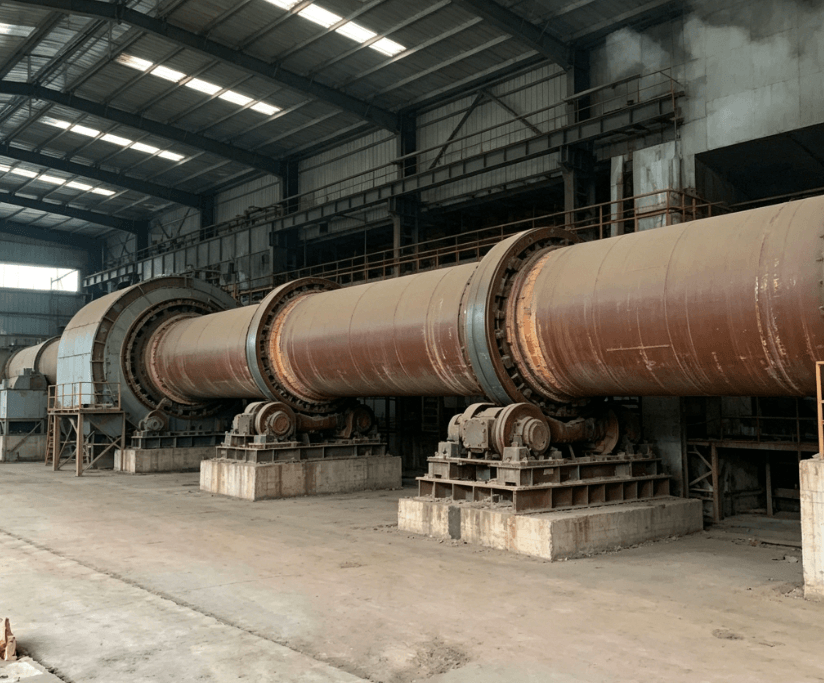
The backbone of any prefabricated system is the kiln shell. Unlike traditional kilns that rely on heavy masonry walls, we utilize a reinforced steel frame. This frame supports the internal refractory materials and maintains the kiln’s alignment during thermal expansion. The modular nature allows for specialized insulation layers that are often difficult to install on-site.
Below is a comparison of traditional masonry components versus our prefabricated modular components:
| Component Feature | Traditional Masonry Kiln | Prefabricated Modular Kiln |
| Outer Shell | Thick brick or concrete walls | High-grade reinforced steel plate |
| Insulation | Primarily heavy firebrick | Ceramic fiber modules & lightweight bricks |
| Assembly Time | 6 to 12 months | 2 to 4 months |
| Expansion Joints | Difficult to seal; prone to leaks | Integrated high-temp elastic gaskets |
| Portability | Permanent structure | Relocatable and expandable |
The refractory lining is perhaps the most critical of all tunnel kiln parts. It must withstand temperatures often exceeding 1300°C while resisting chemical erosion from the firing process. We use a combination of high-alumina bricks and lightweight ceramic fiber modules. This multi-layered approach reduces the thermal mass of the kiln. A lower thermal mass means the kiln reaches operating temperatures faster, significantly reducing fuel consumption during start-up.
How do kiln cars and sealing systems maintain thermal stability?
The kiln car is the primary transport mechanism. It carries the product through the preheating, firing, and cooling zones. These cars are subjected to extreme temperature fluctuations. Our kiln car designs feature heavy-duty refractory decks and precision-engineered wheel assemblies. The wheels must remain cool to prevent lubricant failure. We achieve this by using a “sand seal” or “water seal” mechanism.
The seal is a vital component that separates the high-temperature firing zone from the under-car environment. Without a robust seal, the heat would damage the steel chassis of the kiln car and the track system. Our prefabricated tunnel kiln utilizes high-accuracy sand seal troughs. These troughs run the entire length of the kiln. Steel skirts on the cars dip into the sand, creating a flexible, heat-resistant barrier. This ensures that the heat stays in the firing chamber where it belongs.
What are the essential burner and airflow components?
The combustion system is the heart of the firing process. It consists of burners, gas trains, and air supply pipes. Modern tunnel kiln parts for combustion are designed for high-velocity firing. High-velocity burners increase the turbulence within the kiln. This turbulence ensures that the temperature remains uniform from the top to the bottom of the kiln car.
Airflow management is equally important. The kiln relies on a series of fans and dampers:
- Exhaust Fans: These pull moisture and combustion gases out of the preheating zone.
- Combustion Air Blowers: These provide the oxygen necessary for the burners.
- Rapid Cooling Fans: These inject ambient air into the cooling zone to stabilize the product before exit.
- Recirculation Fans: These move air within specific zones to eliminate cold spots.
We integrate precision dampers to control the pressure profile inside the kiln. Keeping the kiln under a slight positive pressure prevents cold air from leaking in. Conversely, excessive pressure can force hot gases into the insulation layers. Our engineers calibrate these components to maintain a delicate balance that protects the kiln’s longevity.
How does the control system integrate these tunnel kiln parts?
A prefabricated kiln is only as good as its brain. The control system, usually based on a Programmable Logic Controller (PLC), manages every variable. It monitors thermocouples placed at strategic intervals throughout the kiln length. These sensors provide real-time data on the firing curve.
Our PLC systems control the burner output and fan speeds based on these temperature readings. This automation ensures that every batch of bricks or ceramics receives the exact thermal treatment required. If a burner fails or a fan loses power, the system immediately alerts the operator and adjusts the remaining components to prevent product loss. This level of integration is a hallmark of modern manufacturing, allowing for 24/7 operation with minimal manual intervention.
Why is the cooling zone design vital for product quality?
The cooling zone is often overlooked but is essential for preventing structural defects in the fired product. If the product cools too quickly, it may crack or warp. This is known as “dunting” in the ceramics industry. We design our cooling zones with multiple stages. The first stage uses indirect cooling or heat heat-exchange pipes to recover energy. This hot air is often redirected to the dryers, improving the overall efficiency of the plant.
The final stage involves direct cooling, where high-pressure fans blast ambient air onto the product. The transition between these zones must be seamless. This requires precise ductwork and baffle placement. In our prefabricated sections, these ducts are built directly into the kiln walls. This prevents the thermal bridge issues often found in retrofitted cooling systems.
When selecting tunnel kiln parts, durability and ease of maintenance are paramount. Components like burner nozzles, thermocouples, and kiln car wheels will eventually require replacement. We ensure that our prefabricated designs allow for easy access to these parts. Standardizing these components across different kiln modules makes it easier for your maintenance team to manage spare parts inventory. This foresight reduces downtime and keeps your production line moving efficiently.
FAQ
Q1: How often do the refractory components of a tunnel kiln need replacement?
A: The lifespan of refractory lining depends on the firing temperature and chemical environment. Generally, high-quality alumina bricks can last 5 to 10 years, while ceramic fiber modules in the cooling zone may need inspection every 2 to 3 years. We recommend annual thermal imaging to detect thin spots in the insulation before they become critical.
Q2: Can I upgrade the burner system on an older tunnel kiln?
A: Yes, upgrading to high-velocity burners is a common way to improve efficiency. However, this often requires upgrading the control system and gas train to handle the higher precision. We often assist clients in retrofitting older kilns with our modern prefabricated burner modules to reduce fuel consumption by up to 20%.
Q3: What causes kiln car wheel failure?
A: Most wheel failures are caused by heat migration due to a compromised sand seal or inadequate under-car ventilation. If the temperature under the kiln car exceeds the rating of the bearing lubricant, the wheels will seize. Regular maintenance of the sand level in the seal troughs is the best preventative measure.
Q4: Is a prefabricated kiln more expensive than a traditional one?
A: While the initial purchase price of prefabricated tunnel kiln parts and modules may be higher, the total project cost is often lower. This is due to the drastic reduction in on-site labor and construction time. Additionally, the improved thermal efficiency of a factory-built kiln results in lower long-term operational costs.
Q5: What are the benefits of using ceramic fiber over traditional firebrick?
A: Ceramic fiber has a much lower thermal conductivity and density than firebrick. This allows for thinner kiln walls and faster heating/cooling cycles. For a prefabricated kiln, fiber modules also reduce the weight of the sections, making transportation and installation much easier and safer.
Reference Sources
ASTM C155 – Standard Classification of Insulating Firebrick
https://www.astm.org/c0155-88r18.html
ISO 10081-1:2003 – Classification of dense shaped refractory products
https://www.iso.org/standard/32952.html
The American Ceramic Society – Refractory and Thermal Systems Engineering
https://ceramics.org/
Refractory Systems for Tunnel Kilns – Technical Overview
https://www.refractories-worldforum.com/