
Evolution of China Kiln Technology: History & Innovation

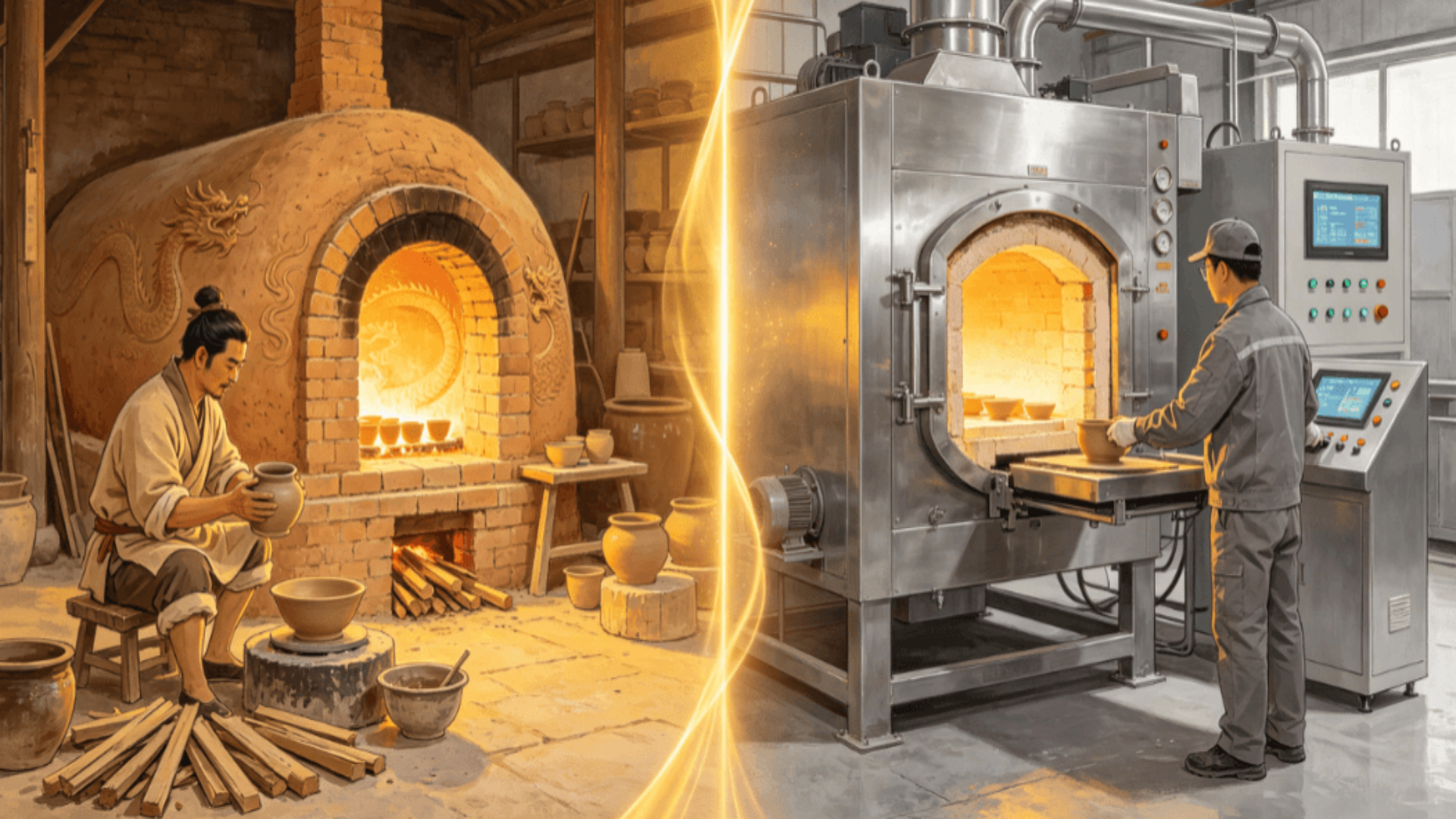
The history of China kiln technology spans over 8,000 years of continuous thermal engineering. This journey began with simple earthen pits and evolved into high-precision industrial systems. Understanding this progression reveals how ancient heat management paved the way for modern global manufacturing standards.
Early practitioners mastered the art of controlling oxygen and temperature within confined spaces. These early advancements transitioned from primitive pit kilns to the sophisticated “Dragon Kilns” of the Southern dynasties. Each stage represented a leap in fuel efficiency and material durability.
Today, this legacy continues through advanced industrial solutions. At Yaxin Kiln, we integrate these centuries of thermal expertise into our modern equipment. We provide high-efficiency systems that bridge the gap between traditional firing logic and 21st-century automation requirements.
How Ancient Structures Shaped China Kiln Technology?
The earliest kilns were essentially holes in the ground used for low-temperature firing. Around 2,000 years ago, the Dragon Kiln (Longyao) revolutionized the industry. These long, slanted structures utilized the natural “chimney effect” to reach temperatures exceeding 1,200°C.
Northern China developed the Mantou Kiln, characterized by its dome shape and stable heat retention. This design was ideal for the slower firing cycles required by northern clays. These regional variations demonstrate the early adaptability of Chinese thermal engineering.
By the Song Dynasty, the introduction of the “Egg-shaped Kiln” (Zhenyao) combined the benefits of previous designs. It offered superior heat distribution and reduced fuel consumption. This specific innovation allowed for the mass production of high-quality porcelain that dominated global trade.
The Transition to Industrial Continuous Firing?
The 20th century marked a shift from intermittent batch firing to continuous industrial processes. This change was necessary to meet the rising demand for construction materials and chemical processing. Modern China kiln technology now focuses on throughput and thermal consistency.
In our current operations, we emphasize the use of high-tech firing zones. For instance, our prefabricated tunnel kiln represents the pinnacle of this evolution. These systems allow for continuous trolley movement, ensuring every product receives identical heat treatment.
Unlike ancient wood-fired kilns, our modern tunnel systems utilize sophisticated sensors to monitor gas flow and temperature. This modular approach reduces installation time significantly compared to traditional brick-and-mortar builds. We focus on minimizing heat loss through advanced refractory lining materials.
Comparing Historical and Modern Kiln Architectures
| Feature | Ancient Dragon Kiln | Modern Tunnel Kiln | Industrial Rotary Kiln |
| Fuel Source | Wood / Charcoal | Natural Gas / Electric | Coal / Gas / Oil |
| Heat Control | Manual / Visual | Automated PLC | Real-time Digital |
| Loading | Manual Stacking | Continuous Trolley | Rotating Cylinder |
| Efficiency | Low (High Heat Loss) | High (Heat Recovery) | High (Bulk Processing) |
| Primary Use | Art / Pottery | Bricks / Ceramics | Cement / Calcining |
Why Rotary Kilns are Essential for Heavy Industry?
The evolution of China kiln technology eventually moved beyond static structures. The development of the rotary kiln addressed the need for processing granular or liquid materials. This was a critical step for the cement, lime, and metallurgical industries.
Our rotary kiln technology employs a rotating cylindrical vessel slightly inclined from the horizontal. As the kiln rotates, the material moves slowly downward while being subjected to high-temperature gases. This creates a uniform chemical reaction that static kilns cannot achieve.
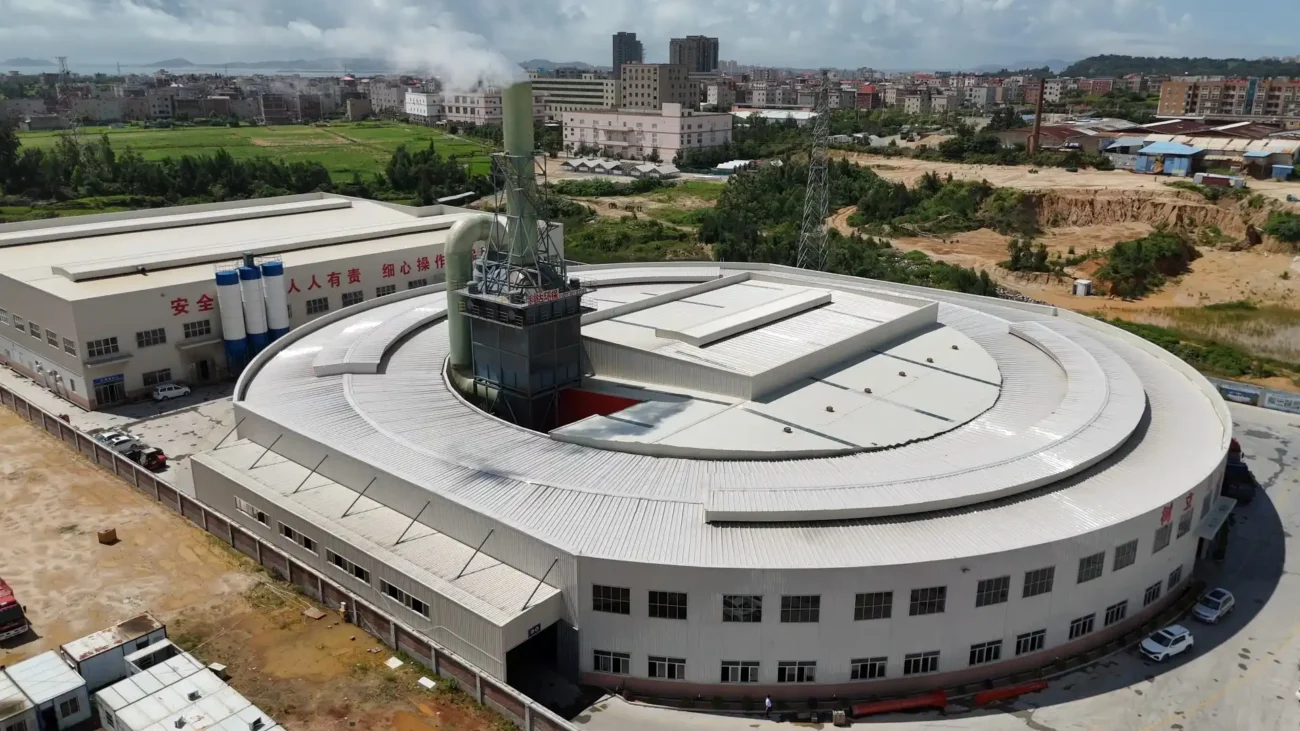
We design these systems to handle extreme thermal loads while maintaining structural integrity. Modern rotary kilns incorporate waste heat recovery systems to preheat incoming raw materials. This circular energy logic is a cornerstone of our sustainable manufacturing philosophy.
Technical Milestones in Modern Thermal Engineering
The integration of digital twins and AI is the latest frontier in this field. Modern sensors now detect thermal fluctuations within milliseconds, adjusting fuel intake automatically. This level of precision prevents the “under-firing” issues common in historical wood kilns.
Materials science has also advanced the refractory bricks used to line these massive structures. We use high-alumina and chrome-magnesia materials that withstand aggressive chemical environments. This ensures that the kiln shell remains protected even at temperatures above 1,500°C.
Furthermore, environmental compliance has reshaped the design of exhaust systems. Modern China kiln technology includes multi-stage filtration and desulfurization units. These features ensure that industrial growth does not come at the expense of air quality standards.
Future Trends in China Kiln Technology?
The future of thermal processing lies in “Green Kilns” and carbon-neutral energy sources. Hydrogen-enriched combustion and plasma heating are currently under rigorous testing. These technologies aim to eliminate the carbon footprint of traditional heavy firing.
We are actively researching ways to incorporate modularity into large-scale industrial projects. Prefabricated sections allow for faster deployment and easier maintenance in remote locations. This flexibility is essential for global infrastructure projects requiring rapid scaling.
As we look forward, the focus remains on the “Smart Factory” integration. Kilns are no longer isolated units but are connected to the entire production ecosystem. This connectivity allows for predictive maintenance, reducing unplanned downtime in critical manufacturing cycles.
FAQ
Q1: What is the main advantage of a tunnel kiln over an ancient dragon kiln?
A: Tunnel kilns offer continuous operation and precise automated temperature control, whereas dragon kilns required manual labor and had inconsistent heat distribution.
Q2: How does China kiln technology handle energy efficiency today?
A: Modern systems utilize heat exchangers and waste heat recovery units to recycle thermal energy back into the preheating or drying stages.
Q3: What industries primarily use rotary kilns?
A: They are vital for cement production, lime calcination, lithium-ion battery material processing, and various metallurgical applications requiring high-temperature reactions.
Q4: Can modern kilns be customized for specific material requirements?
A: Yes, we provide customization for length, diameter, and refractory lining based on the chemical properties and required residence time of the material.
Q5: Why is the “prefabricated” aspect of a tunnel kiln important?
A: Prefabrication allows for factory-controlled quality, significantly faster on-site assembly, and the ability to relocate the kiln if production needs change.
Reference Sources
UNESCO World Heritage Centre: Ancient Porcelain Kiln Sites of China
https://whc.unesco.org/en/tentativelists/5806/
ISO Standards for Industrial Furnaces and Refractory Applications
https://www.iso.org/ics/81.080/x/
ScienceDirect: Evolution of Refractory Materials for Rotary Cement Kiln Sintering Zone
https://journals.rcsi.science/1083-4877/article/view/248527