
Wall Material Production: Improving Output with Modern Kilns

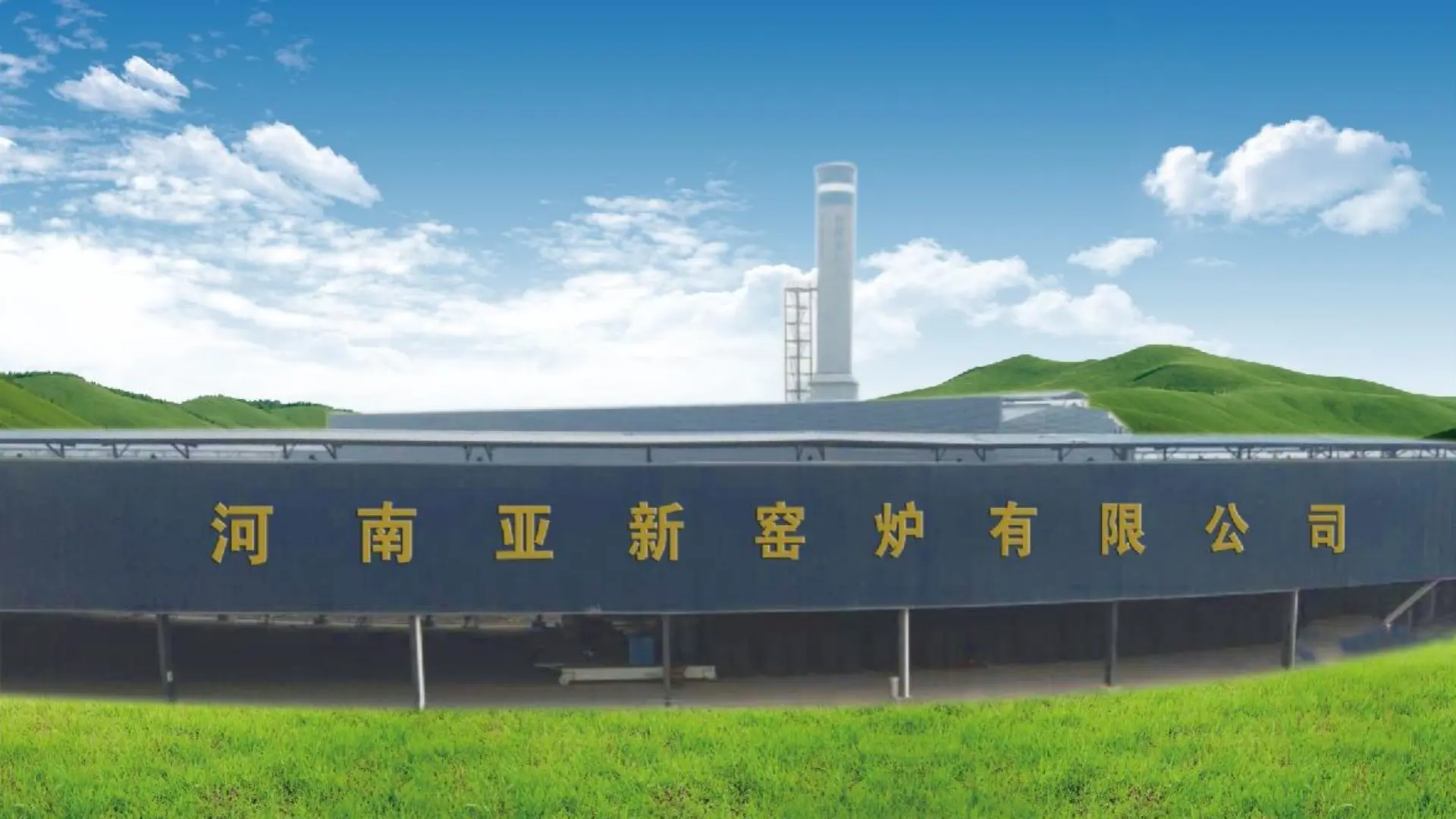
In the global construction supply chain, wall material production remains a cornerstone of infrastructure development. From traditional clay bricks to advanced lightweight concrete blocks, the efficiency of these materials is dictated by the precision of the firing process. As energy costs fluctuate and environmental regulations tighten, the industrial sector is shifting toward modern kiln improvement strategies to maintain competitive output.
The firing stage is the most energy-intensive part of the production cycle. Improving this stage requires a deep understanding of thermodynamics, material science, and mechanical engineering. By transitioning from legacy site-built structures to advanced thermal systems, manufacturers can achieve superior structural integrity in their products while significantly reducing fuel consumption.
Why Thermodynamics Define Wall Material Production Success
The core of any successful firing operation is the management of the “firing curve.” This curve represents the specific temperature intervals required for dehydration, oxidation, and vitrification of the raw materials. Legacy kilns often suffer from uneven heat distribution, leading to high waste rates and inconsistent material density.
Modern kiln improvement focuses on achieving an isothermal environment. This means the temperature remains uniform across the entire cross-section of the kiln chamber. When heat is distributed evenly, every unit of the wall material undergoes identical chemical transformations. This uniformity prevents internal stresses that cause cracking or warping during the cooling phase.
Advanced airflow management is the primary tool for achieving this balance. High-velocity burners and precisely calibrated exhaust fans create a controlled turbulence that eliminates “cold spots.” For engineers, the goal is to optimize the convective heat transfer coefficient, ensuring that energy is absorbed by the product rather than lost through the kiln envelope.
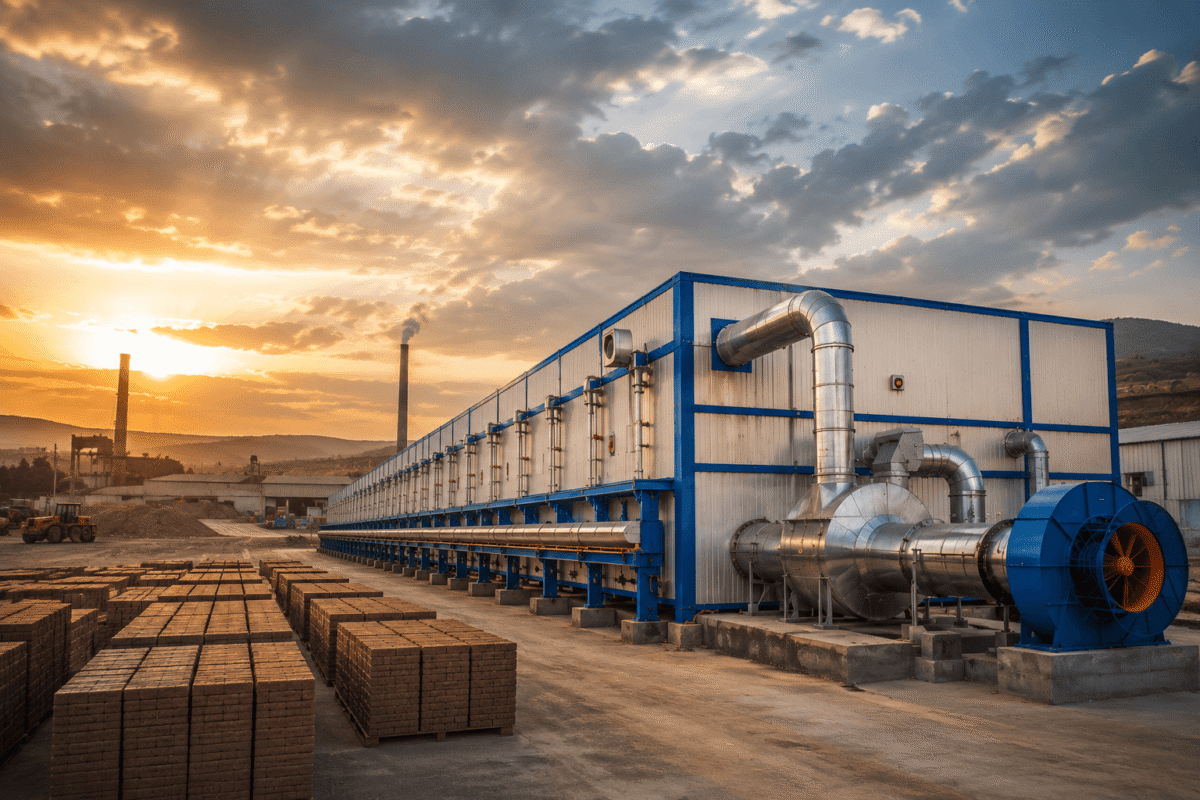
Core Strategies for Modern Kiln Improvement and Efficiency
Improving a production line involves more than just increasing heat. It requires a systemic upgrade of the thermal architecture. Several technical strategies have emerged as benchmarks for high-output facilities.
1. Waste Heat Recovery (WHR) Systems
In traditional setups, a massive amount of energy escapes through the cooling zone and the exhaust stack. Modern designs capture this heated air and redirect it. This air can be used for pre-heating the “green” materials or as combustion air for the burners. Utilizing waste heat significantly lowers the “Specific Energy Consumption” (SEC) per ton of material.
2. Automated Process Control
Human error in regulating fuel-to-air ratios often leads to incomplete combustion. Modern kilns utilize SCADA (Supervisory Control and Data Acquisition) systems. These platforms monitor oxygen levels, pressure, and temperature in real-time. Automated actuators adjust burner outputs instantly to compensate for fluctuations in raw material moisture or ambient air density.
3. Computational Fluid Dynamics (CFD) Modeling
Before physical upgrades occur, engineers use CFD to simulate airflow within the kiln. This allows for the optimization of burner placement and flue gas paths. Modeling ensures that the kiln architecture is tailored to the specific dimensions and thermal properties of the wall material being produced.
The Evolution of Prefabricated Firing Systems
A significant shift in the industry is the move toward modularity. Site-built masonry kilns are prone to thermal leaks and require extensive maintenance. In contrast, prefabricated tunnel kilns offer a high-performance alternative that addresses many of the limitations of traditional construction.
These systems are engineered in controlled factory environments. They utilize advanced refractory modules and high-grade insulation fibers. Because they are prefabricated, the alignment of the kiln car tracks and the sealing of the sand seals are much more precise. This precision minimizes “false air” infiltration, which is a leading cause of energy loss in wall material production.
Furthermore, modular designs allow for rapid deployment. Traditional kiln construction can take months of on-site labor. A prefabricated system can be assembled in a fraction of the time, allowing manufacturers to respond more quickly to market demands without prolonged production downtime.
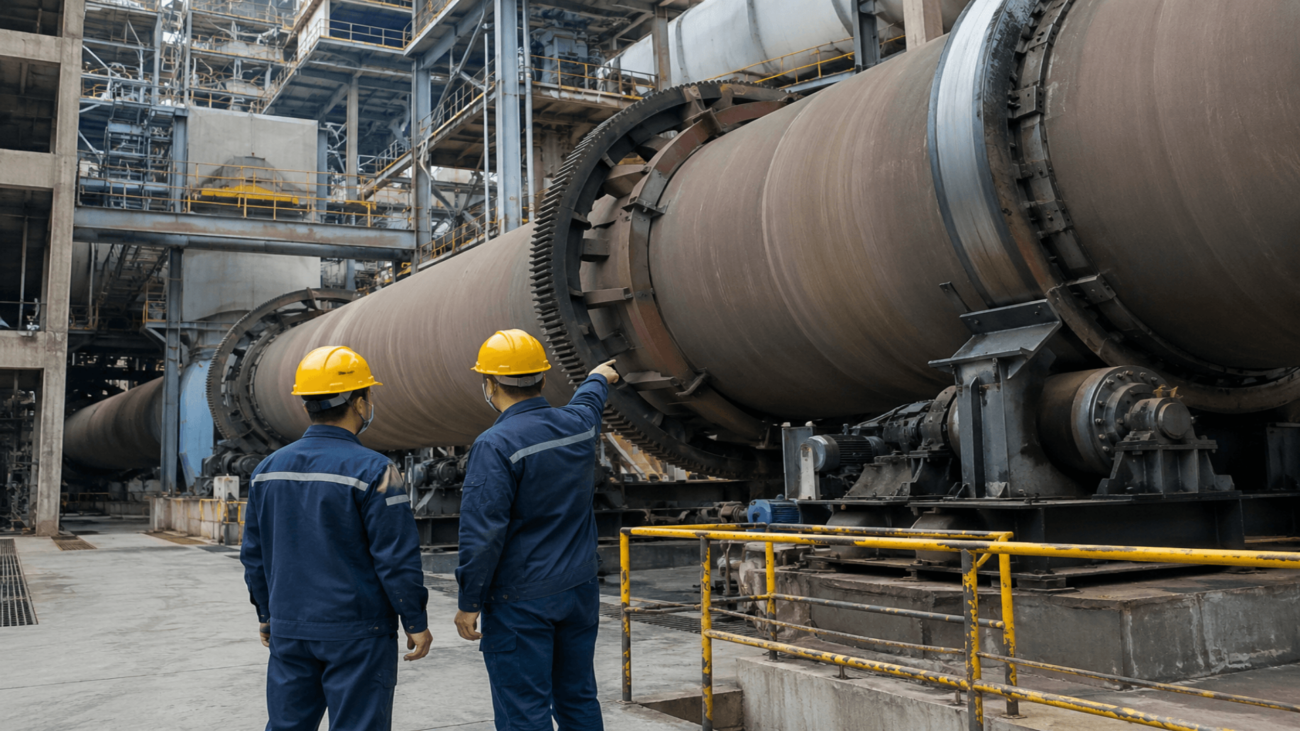
Technical Comparison: Traditional Masonry vs. Prefabricated Kilns
| Feature | Traditional Site-Built Masonry | Prefabricated Tunnel Kiln |
| Thermal Mass | High (Slow to heat/cool) | Low (Rapid thermal response) |
| Air Tightness | Prone to cracks and leaks | Precision factory seals |
| Insulation | Firebrick and mortar | Advanced ceramic fiber modules |
| Energy Efficiency | 40% – 60% | 75% – 90% |
| Installation Time | 6 – 12 Months | 2 – 4 Months |
Enhancing Material Strength Through Controlled Cooling
The cooling phase is as critical as the heating phase in wall material production. If a material cools too rapidly, it enters a state of “thermal shock.” This leads to micro-fractures that compromise the load-bearing capacity of the wall material.
Modern kiln improvement involves multi-stage cooling zones. These zones use a combination of direct and indirect cooling to gradually bring the material temperature down. By controlling the rate of cooling, manufacturers can ensure that the crystalline structure of the material stabilizes correctly. This is particularly important for high-specification materials like vitrified bricks or technical ceramics.
FAQ
What is the primary cause of high energy waste in wall material production?
The primary cause is usually poor insulation and uncontrolled air infiltration. Legacy kilns lose heat through the walls (conduction) and through leaks in the kiln envelope (convection), requiring more fuel to maintain the necessary firing temperatures.
How does modern kiln improvement affect product quality?
By achieving better temperature uniformity, modern kilns ensure that every brick or block has the same density, color, and strength. This reduces the number of “reject” products and ensures compliance with international construction standards.
What is a prefabricated tunnel kiln?
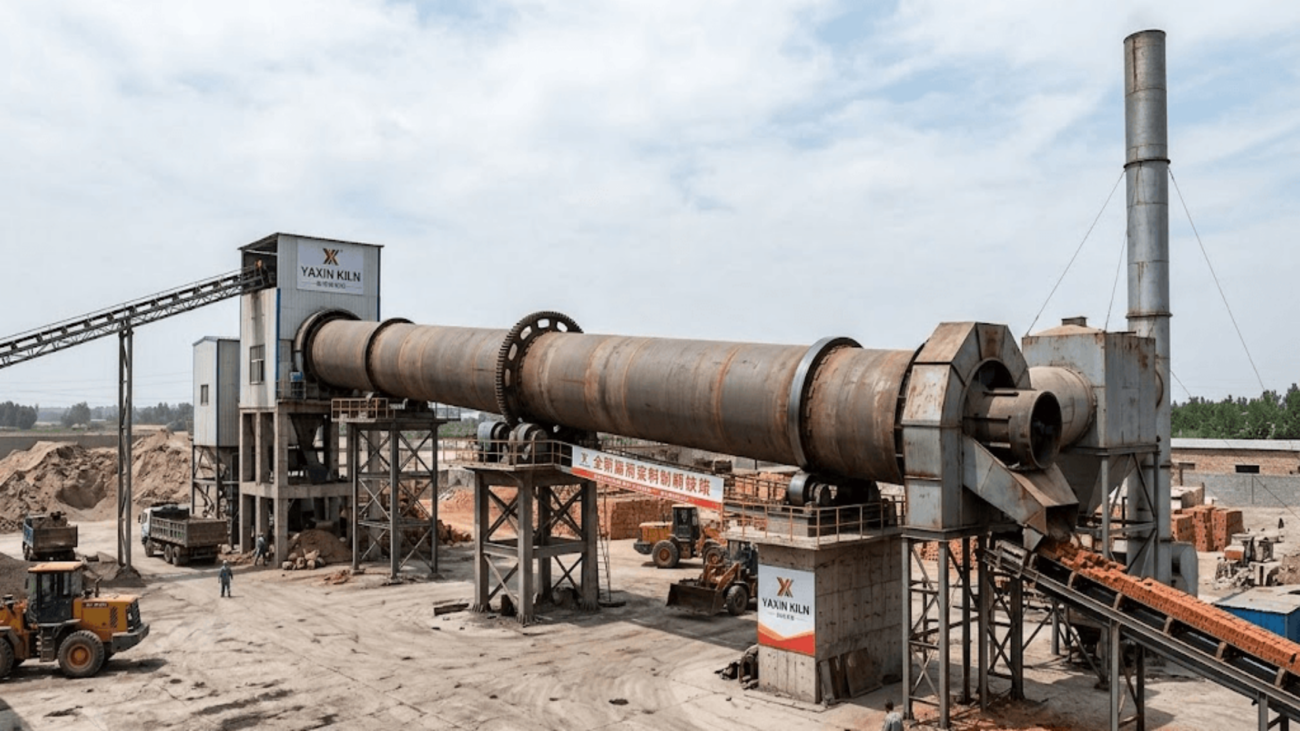
A prefabricated tunnel kiln is a modular firing system built in sections at a factory. It is then transported and assembled on-site. These kilns are known for superior insulation and faster installation compared to traditional masonry kilns.
Can old kilns be retrofitted with modern technology?
Yes. Retrofitting often involves installing automated burner controls, upgrading insulation with ceramic fiber, and adding waste heat recovery systems. However, the energy efficiency of a retrofit rarely matches that of a purpose-built modern kiln.
What role does oxygen monitoring play in the firing process?
Monitoring oxygen levels ensures that combustion is efficient. Too much air cools the kiln down, while too little air leads to incomplete combustion and black-coring in clay products.
Reference Sources
- ISO 50001: Energy Management Systems – Standards for industrial energy efficiency.
- ASTM C155: Standard Classification of Insulating Firebrick.
- The Ceramic Society: Technical papers on Isothermal Firing Zones in heavy clay production.
- International Energy Agency (IEA): Industrial Energy Efficiency Technology Roadmap.
- Yaxin Kiln Engineering: Technical Specifications for Prefabricated Firing Solutions.