
Guide to Efficient Types of Kilns for Wall Materials

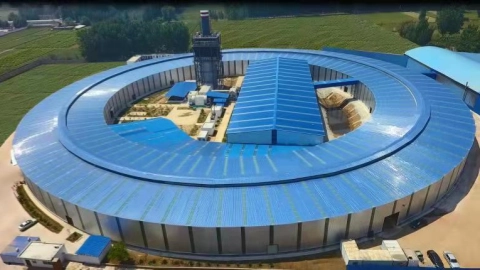
Kilns serve as the heart of the wall material industry. These thermal processing chambers transform raw minerals into durable construction products. Choosing the right equipment determines the quality of bricks, tiles, and aggregates. Modern manufacturing requires a deep understanding of the various types of kilns available today.
The wall material industry has evolved significantly over the last century. Early production relied on simple intermittent structures with low efficiency. Today, high-capacity industrial systems dominate the global market. These systems must provide consistent heat distribution to ensure structural integrity.
This guide explores the most effective thermal solutions for building materials. We will examine how different designs impact energy consumption and product quality. Understanding these technologies helps manufacturers meet rising urban construction demands.
What are the Primary Types of Kilns for Brick Manufacturing?
Tunnel kilns are the most prevalent choice for modern brick production. These are long, continuous structures where products move on rail cars. The process remains constant, allowing for high levels of automation. Tunnel kilns provide superior temperature control compared to older designs.
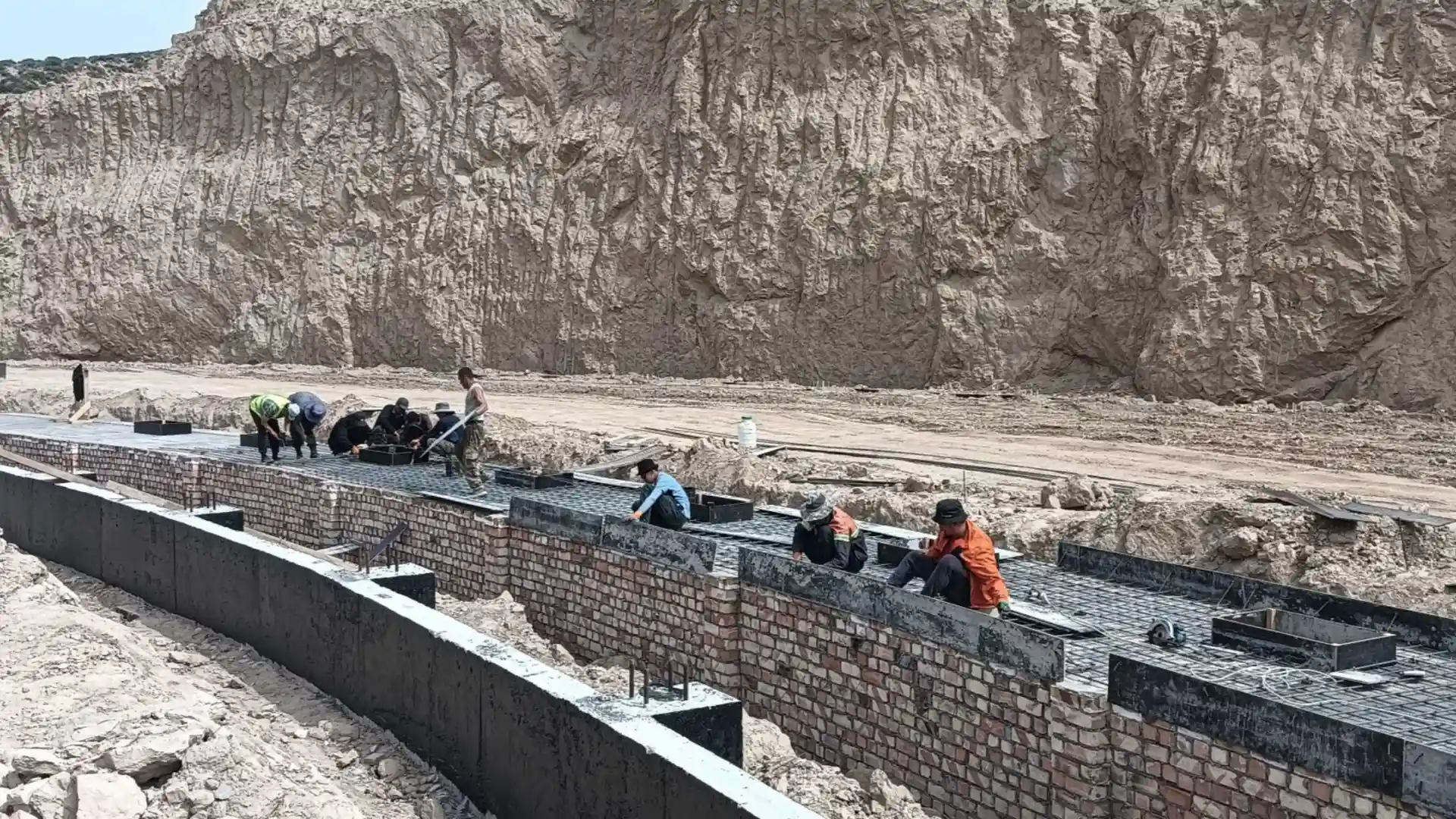
In a tunnel kiln, the central zone remains at peak temperature. The entrance and exit zones facilitate preheating and cooling. This thermal recycling reduces fuel consumption by approximately 25% compared to batch kilns. Most tunnel kilns operate at temperatures between 900°C and 1100°C.
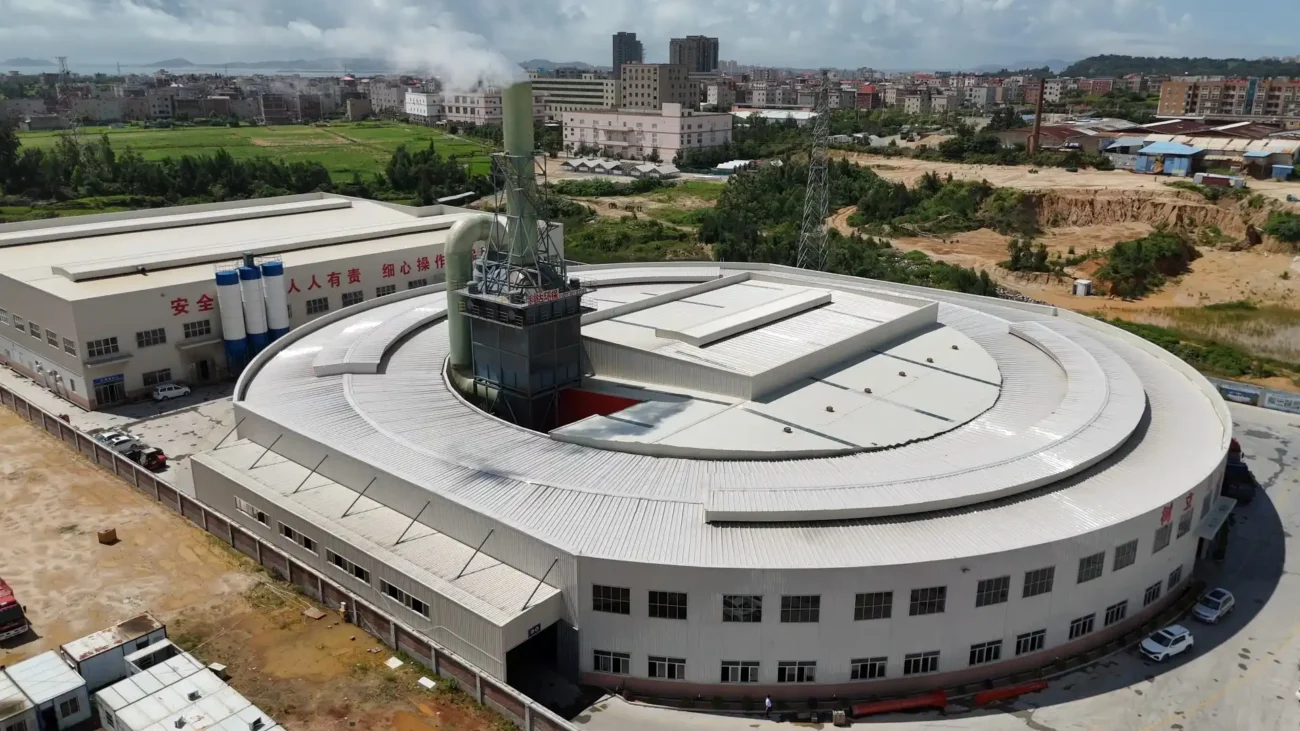
Another traditional option is the Hoffman kiln. This design features a circular or oval multi-chambered layout. The fire moves through the stationary products rather than the products moving. While labor-intensive, Hoffman kilns are still used in regions with lower automation needs.
Understanding Rotary Kilns for Lightweight Aggregates
Rotary kilns represent a specialized technology in the wall material sector. These consist of a long, rotating cylindrical vessel inclined at a slight angle. They are essential for producing Lightweight Expanded Clay Aggregate (LECA). LECA is a critical component in modern, energy-efficient wall panels.
The rotation ensures that the raw material is constantly tumbled. This movement creates a uniform heat exchange between the gas and solids. Rotary kilns handle high-capacity processing of loose materials with extreme efficiency. They typically operate at rotation speeds of 0.5 to 5 revolutions per minute.
In the wall material industry, these kilns calcine raw materials at roughly 1150°C. This high heat causes the clay to expand and vitrify. The resulting material is lightweight, porous, and highly insulating. This process is vital for creating modern green building materials.
Key Technical Specifications of Industrial Kilns
Selecting the right thermal equipment requires a comparison of performance metrics. Different types of kilns offer varying levels of output and fuel efficiency. The following table highlights the technical differences between common industrial systems.
| Kiln Type | Operating Temperature | Primary Material | Energy Efficiency |
| Tunnel Kiln | 900°C – 1200°C | Facing Bricks, Pavers | High (Continuous) |
| Rotary Kiln | 1000°C – 1450°C | LECA, Cement, Lime | Very High (Uniform) |
| Hoffman Kiln | 800°C – 1000°C | Common Clay Bricks | Moderate |
| Shuttle Kiln | 1000°C – 1300°C | Specialty Ceramics | Low (Intermittent) |
Modern systems now integrate digital monitoring tools. These sensors track oxygen levels and heat gradients in real-time. High-quality insulation in the kiln walls prevents heat loss to the environment. This technical precision ensures that every batch meets international building standards.
The Role of Advanced Firing Technology in Sustainability
Sustainability is a major focus for the wall material industry today. Modern types of kilns focus on reducing carbon emissions per unit produced. Recovering waste heat from the cooling zone is now a standard practice. This recycled air often preheats the raw materials or dries the bricks.
Natural gas and biomass have replaced coal in many advanced facilities. This shift reduces sulfur and particulate matter emissions significantly. Efficient kiln designs lower production costs by minimizing fuel waste. This economic benefit makes sustainable technology a smart investment for manufacturers.
Furthermore, the insulation used in kiln construction has improved. Refractory bricks now feature higher alumina content for better heat retention. These materials can withstand thousands of firing cycles without degrading. Durable kilns reduce maintenance downtime and improve overall factory throughput.
Evaluating Your Specific Production Requirements
Choosing between different types of kilns depends on your specific product goals. If you produce standardized bricks in massive quantities, a tunnel kiln is ideal. It offers the best balance of automation and consistent quality. This system minimizes the need for manual intervention during the firing process.
For those focusing on lightweight aggregates or lime, the rotary design is superior. Its ability to process granular materials continuously is unmatched. You should consider the moisture content of your raw material before selection. Some materials require extensive drying before entering the high-heat zone.
Consider the local energy costs and available fuel types in your region. A kiln optimized for natural gas may not be efficient if electricity is cheaper. It is also important to evaluate the physical space available in your facility. Tunnel kilns require significant horizontal space for the rail track system.
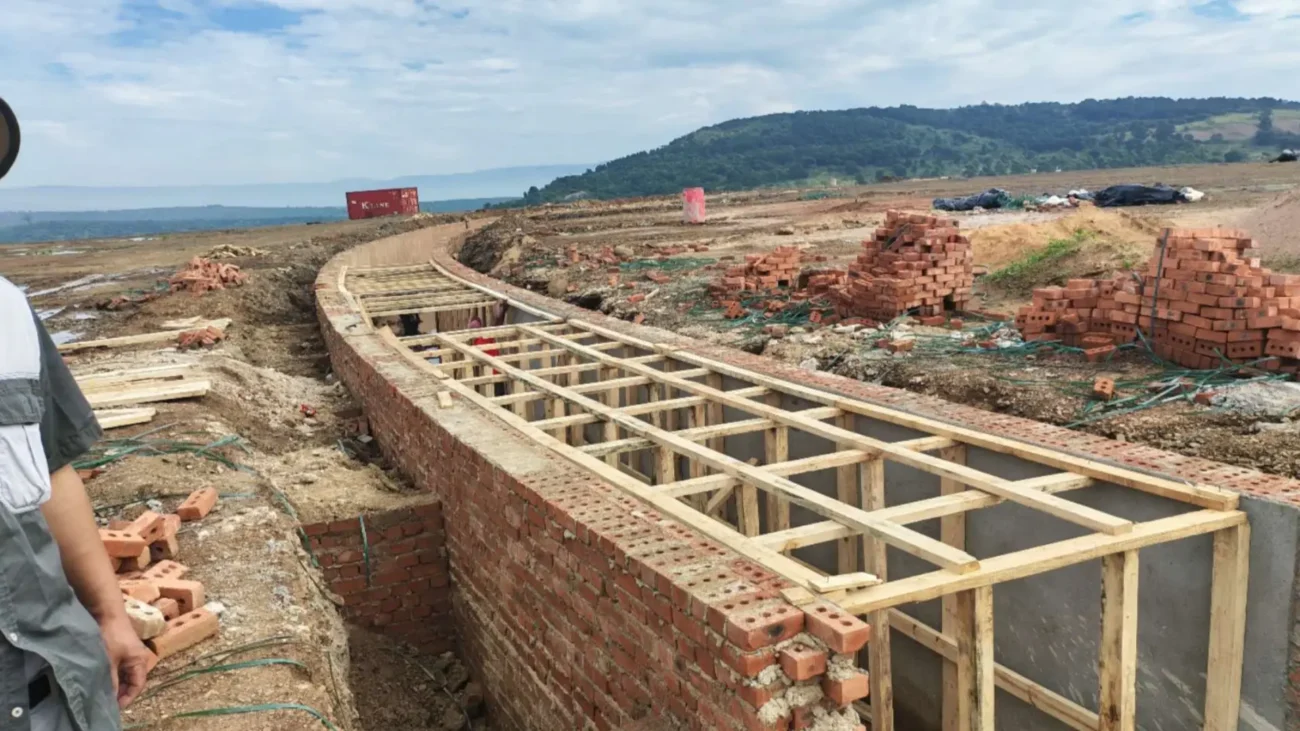
The expertise of the equipment provider is a critical factor for success. Reliable manufacturers offer customized designs tailored to your local clay or mineral composition. Seeking a partner who understands thermal dynamics ensures long-term operational stability. Proper kiln selection prevents costly production errors and material waste.
Summary
The wall material industry relies on various types of kilns, primarily tunnel, rotary, and Hoffman designs. Tunnel kilns excel in automated brick production, while rotary kilns are essential for lightweight aggregates. Choosing the right kiln involves balancing production volume, energy efficiency, and material characteristics to ensure high-quality construction products.
FAQ
What is the most energy-efficient kiln for brick making?
Tunnel kilns are generally the most energy-efficient for large-scale brick manufacturing. They utilize continuous firing and heat recovery systems to minimize fuel waste. This design allows for a 20% to 30% reduction in energy compared to traditional batch kilns.
How does a rotary kiln differ from a tunnel kiln?
A rotary kiln uses a rotating cylinder to tumble loose materials for uniform heating. In contrast, a tunnel kiln moves static products through a heated tunnel on rail cars. Rotary kilns are better for granular materials, while tunnel kilns are best for shaped bricks.
What temperature is required to fire clay bricks?
Most clay bricks require temperatures between 900°C and 1100°C to achieve proper vitrification. The exact temperature depends on the mineral composition of the clay used. Higher temperatures generally result in stronger, less porous bricks.
Can rotary kilns be used for cement production?
Yes, rotary kilns are the industry standard for producing cement clinker. They provide the extreme heat and constant movement necessary for the chemical reactions. Most modern cement plants operate large-scale rotary systems for 24/7 production.
Reference Sources
The Brick Industry Association (BIA) :https://www.gobrick.com/
European Ceramic Society (ECerS) :https://ecers.org/
International Masonry Institute :https://www.imiweb.org/