
5 Key Advantages of Tunnel Kiln for Industrial Production

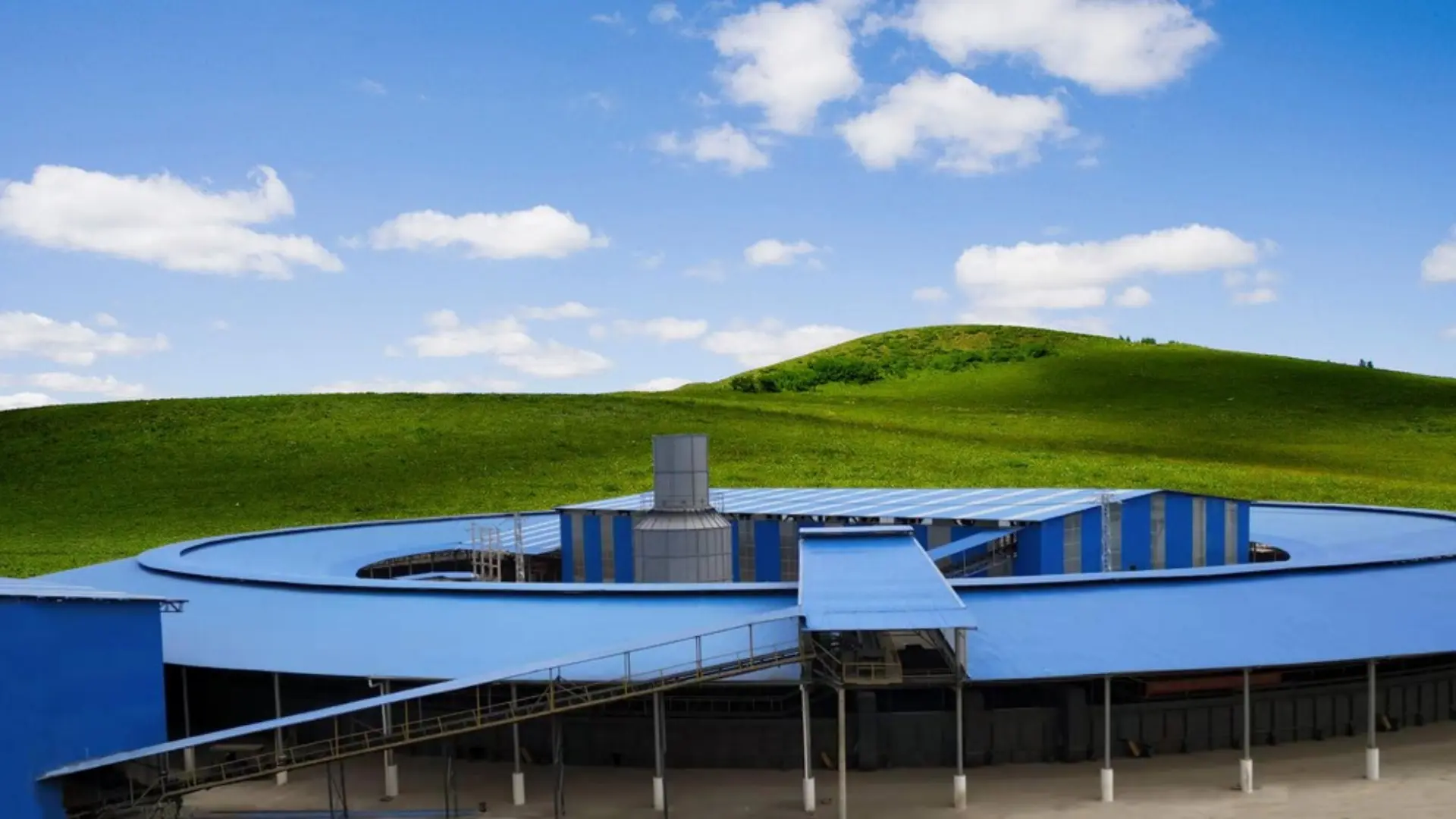
Industrial manufacturing requires equipment that balances high output with cost efficiency. Modern ceramic and brick factories often turn to continuous firing solutions. The tunnel kiln advantages make it a preferred choice for large-scale operations globally.
These kilns operate as long, narrow structures where products move through temperature zones. Unlike batch kilns, these units maintain a constant thermal profile. This steady state allows for maximum thermal efficiency and consistent product quality.
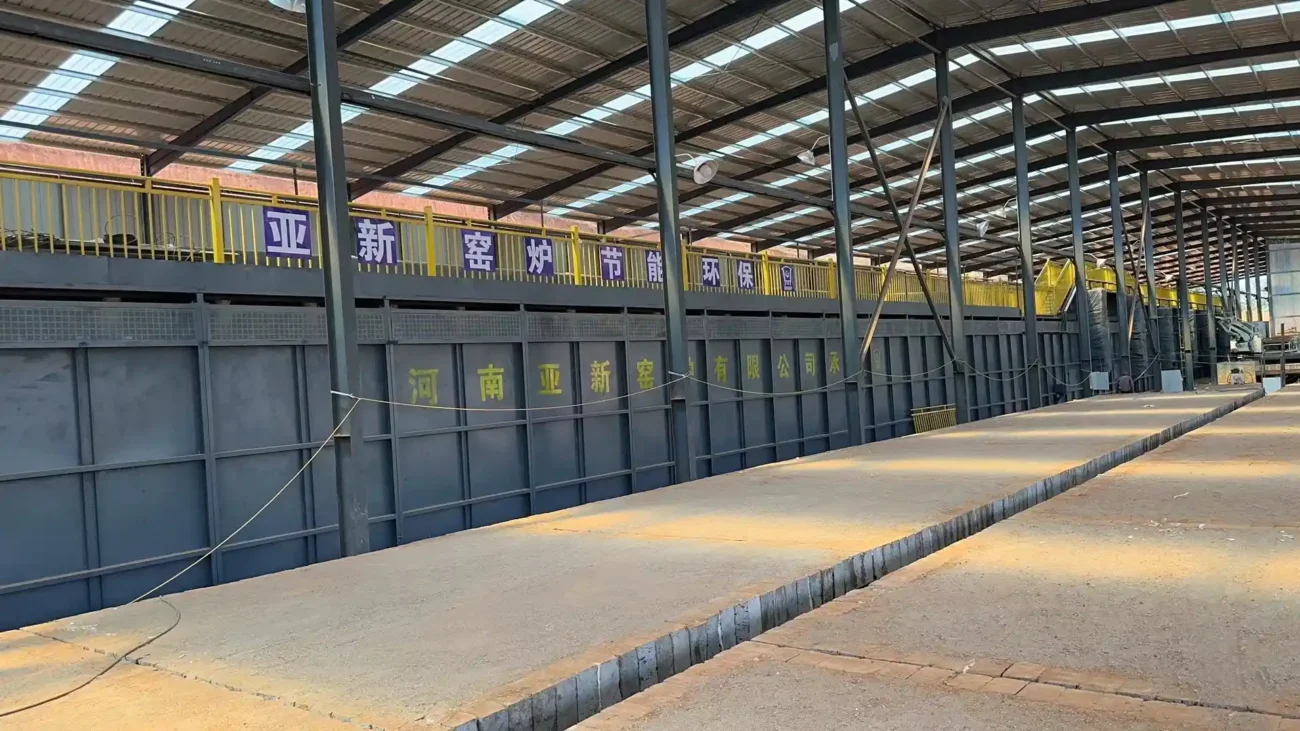
Choosing the right kiln affects your long-term operational costs and market competitiveness. Understanding how this technology works helps you optimize your production line. Let us examine the specific benefits of implementing this technology in your facility.
What Makes a Tunnel Kiln Efficient for Large-Scale Production?
The primary reason for selecting this system is its continuous operational nature. In a tunnel kiln, the firing process never stops for loading or unloading. This creates a seamless production flow that eliminates downtime during heating and cooling cycles.
Data suggests that continuous kilns can produce 10 to 20 times more volume than batch alternatives. This high throughput is essential for meeting large commercial orders on schedule. Consistent output schedules allow for better planning of downstream logistics and shipping.
Automation plays a significant role in modern tunnel designs. Advanced conveyor systems or kiln cars move products at a precise, calculated speed. This reduces the need for manual handling and minimizes human error during the firing stage.
Exploring the Top Tunnel Kiln Advantages for Manufacturers
One of the most significant tunnel kiln advantages is the superior level of temperature control. The kiln is divided into specific pre-heating, firing, and cooling zones. Each zone is monitored by sensors to ensure precise thermal accuracy.
Precise control leads to a drastic reduction in product defects. In traditional kilns, temperature fluctuations often cause cracks or uneven coloration. Tunnel kilns provide a uniform environment that ensures every unit meets quality standards.
Efficiency also translates into significant fuel savings for the operator. Industrial data indicates that tunnel kilns are 30% to 40% more energy-efficient than periodic kilns. This efficiency is achieved by keeping the internal brickwork at a constant temperature.
Maximizing Energy Savings with Integrated Heat Recovery
Modern industrial kilns utilize sophisticated heat exchange mechanisms to lower costs. The cooling zone generates a large amount of hot air as the products exit. This waste heat is recycled and redirected to the pre-heating section of the kiln.
Using recycled air significantly reduces the amount of fuel required for combustion. Manufacturers often report that heat recovery systems lower total energy consumption by 25%. This makes the tunnel kiln a more environmentally friendly option for heavy industry.
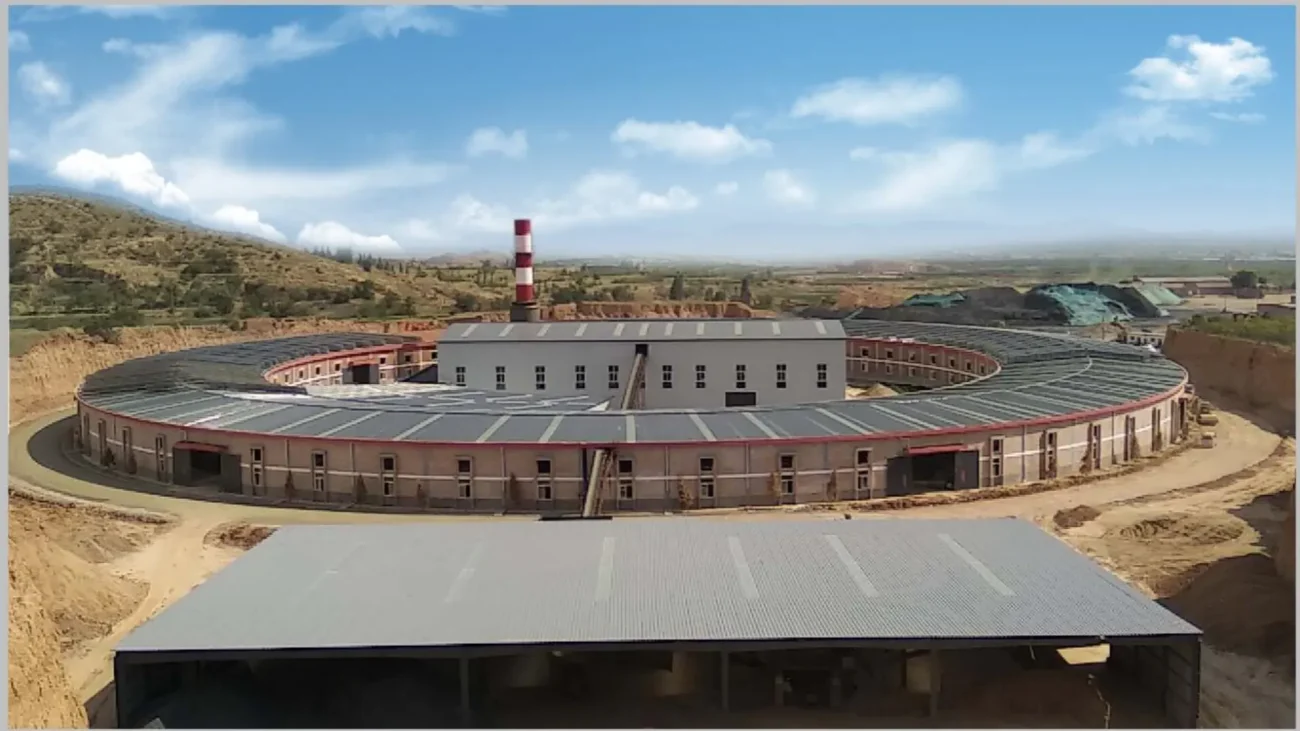
Lower energy consumption directly correlates with lower CO2 emissions per unit produced. Adopting this technology helps companies comply with stricter environmental regulations while saving money. Green manufacturing practices are becoming a core requirement for international trade.
Enhanced Durability and Lower Long-Term Maintenance
Tunnel kilns are built using high-grade refractory materials designed for constant heat. Because the kiln is not repeatedly heated and cooled, the structure experiences less thermal shock. This prolongs the lifespan of the refractory lining significantly.
Batch kilns suffer from expansion and contraction every time they are fired. In contrast, the tunnel kiln advantages include a stable thermal environment that protects the equipment. Maintenance costs are typically 15% lower over the life of the machine.
A well-maintained tunnel kiln can operate for over 20 years with minimal interruptions. This durability ensures a high return on investment for capital-heavy manufacturing projects. Investing in robust kiln technology provides long-term stability for your production base.
Selecting the Right Kiln Solution for Your Project
Choosing a kiln depends on your specific production volume and material requirements. You must evaluate your daily output targets to justify the initial capital expenditure. Tunnel kilns are ideal for facilities producing over 30,000 units per day.
The physical space available at your site is another critical factor. These kilns require a long footprint to accommodate the necessary temperature zones. You should analyze your factory layout to ensure a smooth flow from forming to firing.
Technical support and engineering expertise are vital when installing complex thermal systems. Companies like Yaxin Kiln provide customized designs that match specific fuel types and raw materials. Ensuring your equipment is tailored to your local resources is the key to profitability.
Summary
The tunnel kiln advantages focus on continuous high-volume output, extreme energy efficiency, and superior product consistency. By utilizing heat recovery and automation, manufacturers can significantly reduce operational costs. This technology provides the most reliable path to scaling industrial production while maintaining high quality and low environmental impact.
FAQ
What is the main advantage of a tunnel kiln over a shuttle kiln?
The main advantage is continuous operation which leads to much higher production capacity and lower fuel consumption per unit.
Can a tunnel kiln be used for different types of products?
Yes, it can fire various ceramics and bricks, but it is most efficient for products requiring identical firing curves.
How does a tunnel kiln save energy?
It saves energy by recycling hot air from the cooling zone to pre-heat incoming products and maintaining a constant internal temperature.
Is a tunnel kiln expensive to maintain?
Actually, it usually has lower maintenance costs per year because the refractory materials do not suffer from repeated thermal shock.
What fuel types can a tunnel kiln use?
Most modern tunnel kilns are designed to operate on natural gas, coal, or heavy oil, depending on the burner configuration.
Reference Sources
The American Ceramic Society (ACerS): https://ceramics.org/
International Energy Agency (IEA): https://www.iea.org/
ScienceDirect / Elsevier: https://www.sciencedirect.com/
Brick Development Association (BDA): https://www.brick.org.uk/