
How to Select a Kiln: Engineering Guide for Wall Material Producers

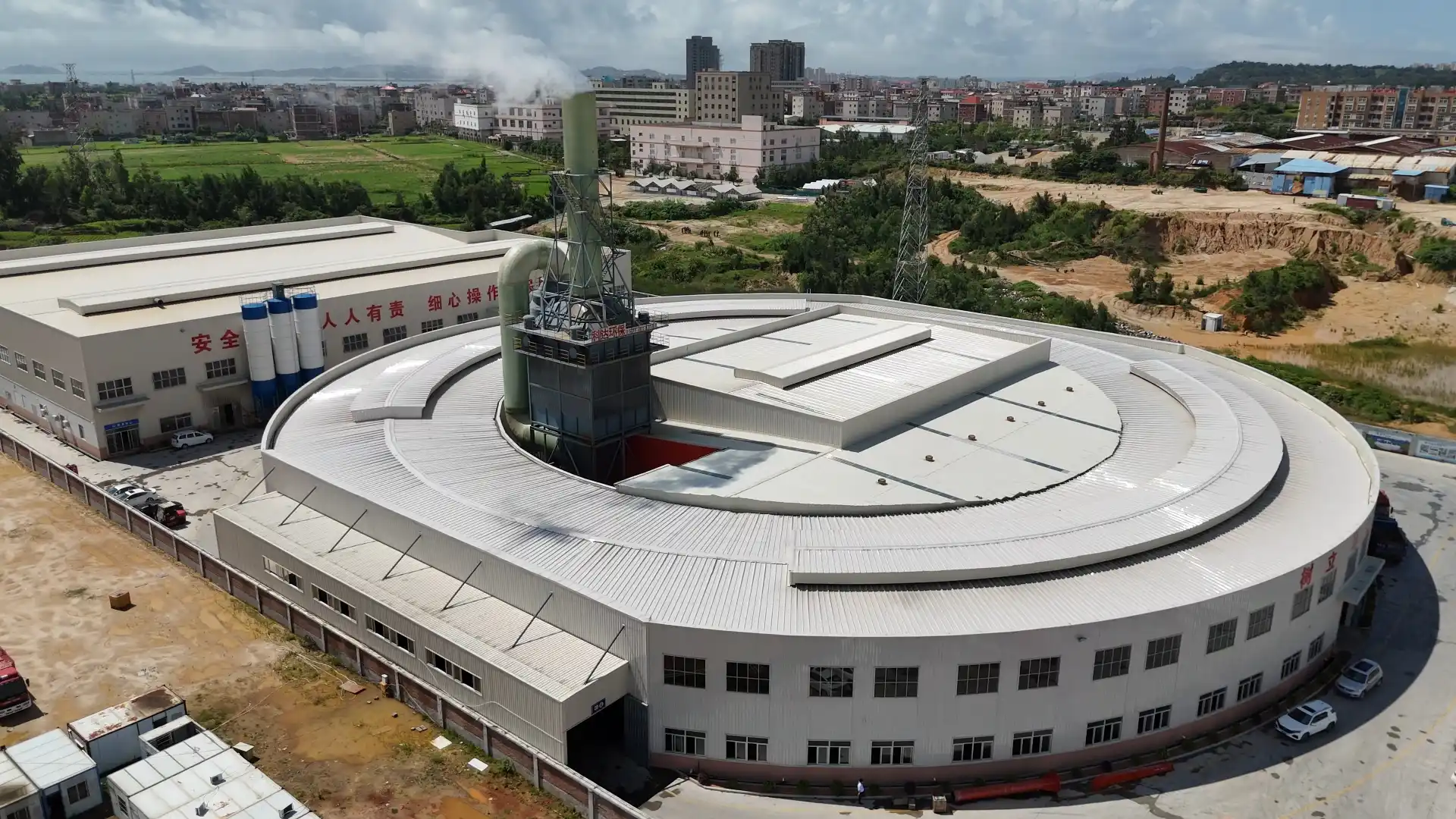
In the wall material industry, the kiln is the primary driver of both product quality and operational expenditure (OPEX). Selecting the wrong thermal processing equipment can lead to decades of energy inefficiency, inconsistent product structural integrity, and high maintenance overheads.
For engineers and project managers, the decision-making process transcends mere price comparisons. It requires a deep understanding of thermodynamics, material chemistry, and production throughput requirements. This guide outlines the engineering logic required to evaluate the most common industrial kiln types used in modern construction material manufacturing.
Understanding the Relationship Between Material and Heat
Before evaluating specific machinery, technical teams must analyze the firing curve of the raw material. Whether you are producing autoclaved aerated concrete (AAC), ceramic bricks, or expanded clay aggregates, the material’s behavior under heat dictates the kiln architecture.
Different materials require specific “soaking times” and cooling gradients. For instance, heavy clay products require precise moisture removal stages to prevent internal pressure build-up and structural cracking. In contrast, lightweight aggregates require high-intensity agitation and rapid sintering to achieve the desired porosity.
The Mechanics of the Rotary Kiln
When considering how to select a kiln for loose, granular, or slurry-based materials, the rotary kiln is often the primary choice. These systems operate on a continuous rotation principle, ensuring that every particle of the raw material is exposed to the heat source uniformly.
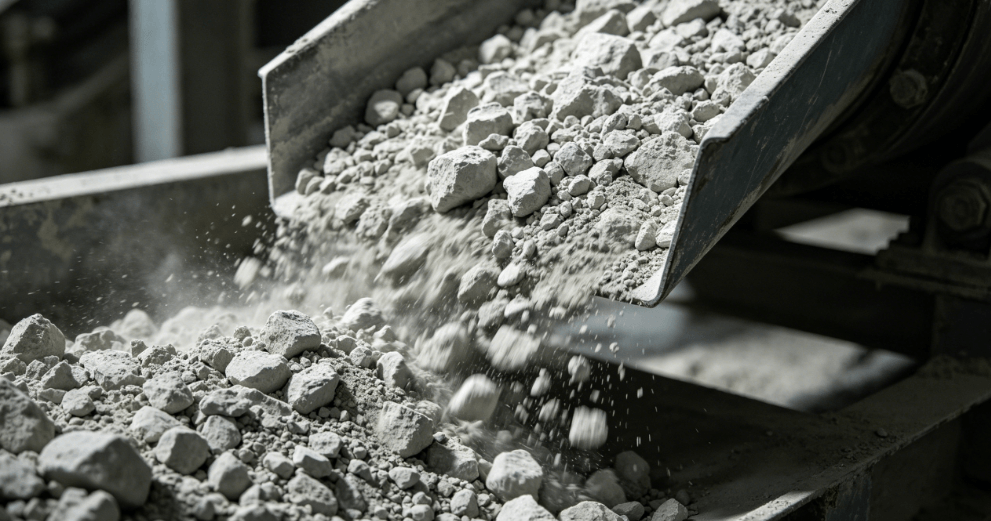
Technical advantages of rotary systems include:
- Mass Heat Transfer: The tumbling action ensures that materials do not clump, which is essential for calcining lime or producing expanded shale.
- High Temperature Tolerance: These units are designed to withstand extreme thermal loads, often exceeding 1,500°C, depending on the refractory lining used.
- Fuel Versatility: Modern rotary kilns can be engineered to utilize pulverized coal, natural gas, or even alternative waste-derived fuels (RDF).
This type of kiln is most suitable for wall material companies focusing on the “upstream” processing of raw minerals rather than the final shaping of standardized bricks.
The Evolution of the Prefabricated Tunnel Kiln
For the production of finished wall products like facing bricks, structural blocks, and roof tiles, the tunnel kiln is the industry standard. However, traditional “brick-and-mortar” kilns are increasingly being replaced by the prefabricated tunnel kiln.
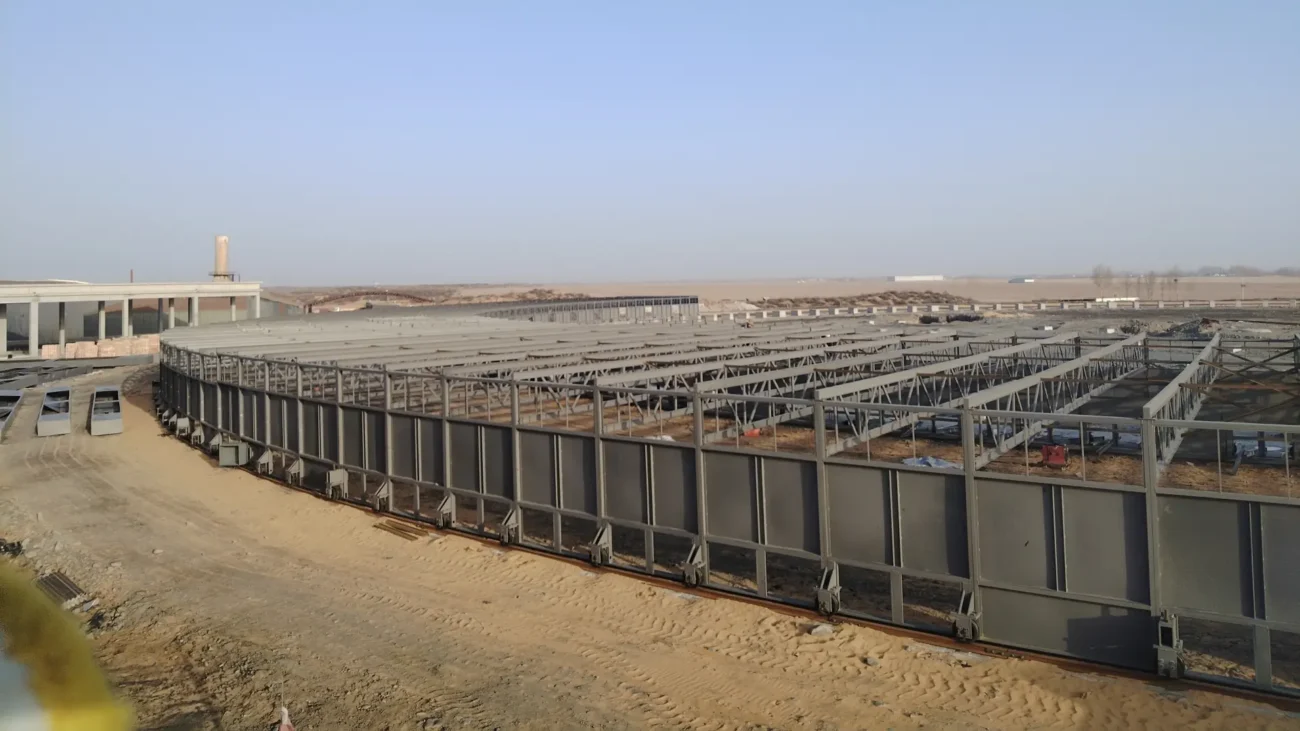
The “prefabricated” aspect refers to a modular engineering approach where kiln sections are manufactured off-site and assembled at the factory. This offers several distinct advantages for modern manufacturing:
- Thermal Efficiency: Prefabricated modules often utilize high-density ceramic fiber insulation, which significantly reduces heat loss compared to traditional refractory bricks.
- Controlled Atmosphere: These kilns allow for precise zoning. Engineers can strictly control the oxidation and reduction atmospheres, which is critical for achieving specific product colors and strengths.
- Speed of Commissioning: Because the modules are pre-engineered, the time from site preparation to first fire is reduced by up to 50%.
Technical Comparison: Selecting Based on Application
| Feature | Rotary Kiln | Prefabricated Tunnel Kiln |
| Primary Material State | Granular, Powder, Slurry | Shaped Bricks, Blocks, Tiles |
| Material Movement | Gravity/Rotation | Kiln Cars/Automated Tracks |
| Thermal Profile | Uniform Agitation | Zonal (Preheat, Fire, Cool) |
| Installation Logic | Civil-heavy / On-site | Modular / Prefabricated |
| Maintenance Focus | Refractory Lining / Drive Gears | Seal Integrity / Car Refractories |
Key Decision Factors in Kiln Selection
When a manufacturing consultant evaluates how to select a kiln for a specific project, they typically follow a four-pillar assessment framework:
1. Production Throughput and Scalability
Calculate your required daily output in tons or units. Rotary kilns excel in high-volume, continuous mineral processing. Tunnel kilns are preferred when the output requires specific dimensions and aesthetic finishes. If your project demands a rapid ROI, the modularity of prefabricated systems allows for faster production start dates.
2. Energy Consumption and Recovery
The kiln is often the largest consumer of energy in a factory. Look for systems that incorporate heat recovery technology. In a tunnel kiln, the heat from the cooling zone is often recycled back to the drying chamber, significantly lowering the overall fuel consumption per kilogram of product.
3. Automation and Control Systems
Modern wall material production requires “Smart Kiln” capabilities. Ensure the kiln supports PLC-based control systems that monitor internal temperature gradients, pressure, and gas flow in real-time. This level of precision reduces waste and ensures compliance with international building material standards (such as ISO or ASTM).
4. Footprint and Civil Engineering Costs
A rotary kiln requires a significant vertical and horizontal footprint with massive concrete foundations to support the rotating drum. A prefabricated tunnel kiln, while long, offers a more predictable footprint that can be integrated into automated production lines more easily.
The Role of Refractory Engineering
Regardless of the kiln type, the selection of the refractory material—the internal lining—is vital. It must withstand not only high temperatures but also chemical attacks from the minerals and the mechanical wear of the moving product. High-alumina bricks or specialized castables are common choices in high-wear zones.
FAQ
Q1: Which kiln is better for energy efficiency?
A: Generally, a prefabricated tunnel kiln offers higher energy efficiency for shaped materials due to its superior insulation modules and integrated heat recovery systems. Rotary kilns are efficient for their specific use case (bulk materials) but lose more heat through the shell.
Q2: Can a tunnel kiln be used for different types of wall materials?
A: Yes. Modern tunnel kilns feature adjustable firing curves. By changing the push-rate of the kiln cars and adjusting the burner intensity, a single kiln can process different clay compositions or block sizes.
Q3: How does moisture content affect kiln selection?
A: High moisture content requires a dedicated drying stage. While some kilns can handle combined drying and firing, it is often more efficient to use a separate dryer that utilizes waste heat from the kiln’s cooling zone.
Q4: What is the typical lifespan of a modular prefabricated kiln?
A: With proper maintenance of the refractory lining and mechanical components, an industrial kiln can operate for 20 to 30 years. Modular designs allow for easier “hot repairs” or section replacements.
Reference Sources
The American Ceramic Society (ACerS): Technical papers on thermal processing and refractory materials.
https://ceramics.org/
ISO 13579-1:2013: Industrial furnaces and associated processing equipment — Method of measuring energy balance and calculating efficiency.
ASTM C155: Standard Classification of Insulating Firebrick.
https://www.astm.org/
SGS Industrial Services: Guidelines on kiln safety and environmental compliance.
https://www.sgs.com/