
Rotary Kiln Repair: Technical Guide to Common Issues & Solutions

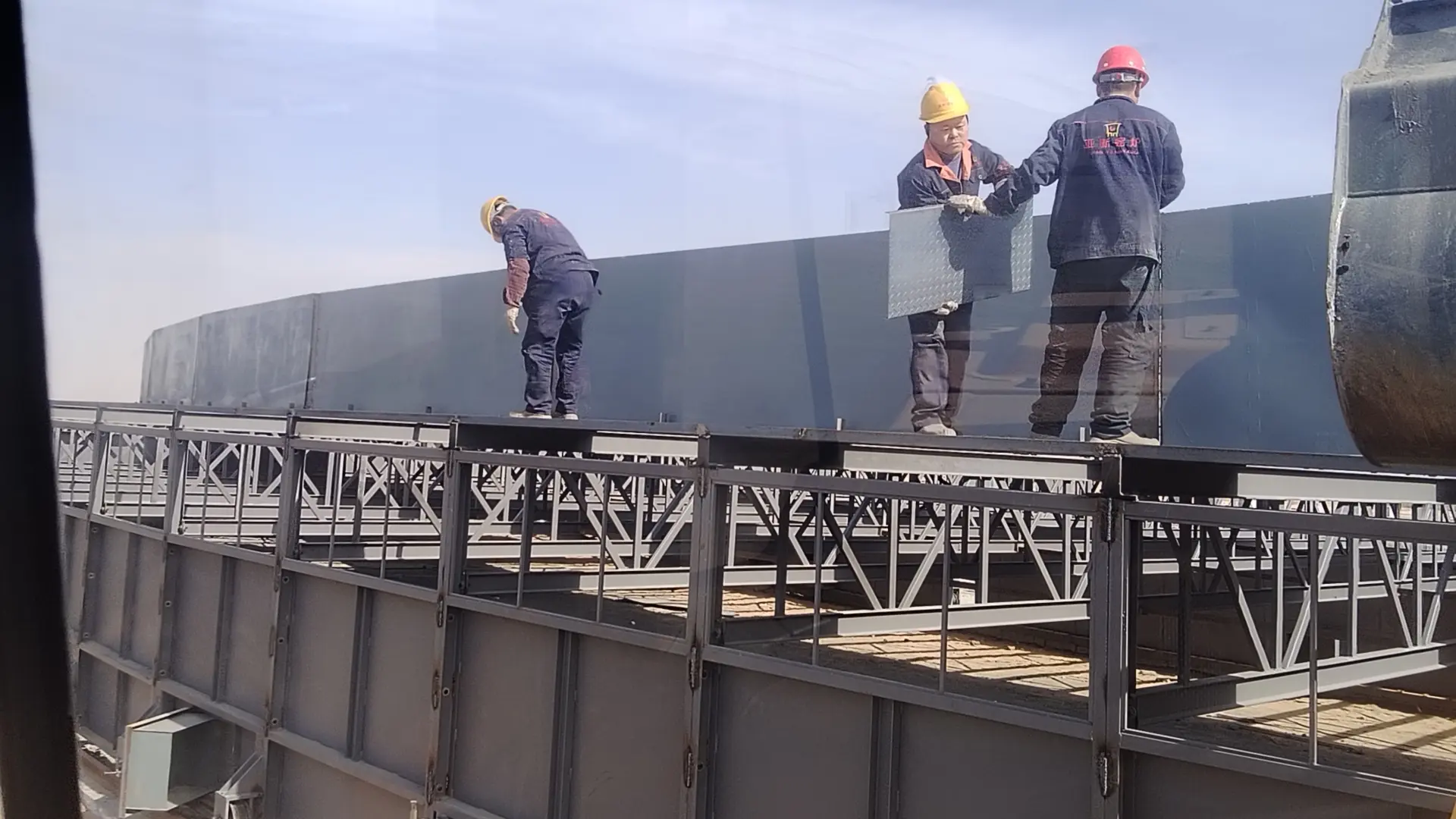
The operational integrity of a rotary kiln is the backbone of high-capacity thermal processing, whether in cement production, lime calcination, or hazardous waste incineration. Given that these units operate under extreme thermal loads and mechanical stress, structural degradation is not a matter of “if” but “when.”
In industrial manufacturing, an unplanned kiln shutdown can cost tens of thousands of dollars per hour in lost production. Understanding the mechanics of rotary kiln repair requires a transition from reactive “patch-ups” to a root-cause engineering approach. This guide analyzes the most critical failure points—from refractory thinning to shell ovality—and provides the technical frameworks used by OEM-level engineers to restore performance.
1. Identifying Critical Rotary Kiln Failures: Symptoms and Root Causes
Before initiating any repair protocol, a technician must differentiate between surface-level symptoms and systemic mechanical issues. Rotary kilns are dynamic systems; a failure in one component often indicates a misalignment or thermal imbalance elsewhere.
Refractory Lining Degradation
The refractory lining is the primary thermal barrier protecting the carbon steel shell. Common issues include:
- Spalling: Rapid temperature fluctuations (thermal shock) cause the brick face to flake off.
- Chemical Attack: Infiltration of alkalis or chlorides reacts with the brick chemistry, weakening the bond.
- Mechanical Crushing: If the kiln shell deforms (ovality), it exerts uneven pressure on the bricks, causing them to “pop” or crush during rotation.
Shell Deformation and “Hot Spots”
A “hot spot” occurs when the refractory fails, exposing the shell to temperatures exceeding its structural design (typically above 400°C-450°C). If the shell glows red, the steel loses its yield strength, leading to:
- Bulging: Permanent plastic deformation of the shell.
- Cracking: Stress fractures near weld seams or under the tires (riding rings).
Misalignment and Mechanical Wear
Kiln alignment is a three-dimensional challenge involving vertical and horizontal axes. Indicators of poor alignment include:
- Upset Thrust Balance: The kiln pushes too hard against the thrust rollers.
- Girth Gear Vibration: Excessive noise or uneven wear patterns on the teeth of the drive system.
- Tire and Roller Pitting: High Hertzian contact pressure caused by “skewed” rollers leads to metal fatigue and surface pitting.
2. Engineering Solutions for Rotary Kiln Repair
Repairing a rotary kiln is a high-precision operation that often requires specialized welding procedures and heavy-lifting equipment. Below are the standard industrial solutions for the most frequent issues.
Refractory Replacement and Zoning
Modern maintenance strategies utilize “zoning.” Instead of a full reline, engineers analyze the wear rate of different sections.
- Preparation: Hydro-demolition or pneumatic chipping to remove old castables or bricks.
- Anchor Inspection: In the case of monolithic linings, stainless steel anchors must be inspected for oxidation.
- Installation: Precision bricking using a “pogo-stick” or bricking machine to ensure tight circumferential compression, preventing “dropped bricks” during the first heat-up.
Shell Section Replacement (The “Cut and Paste”)
When a shell section is severely warped or cracked, the only solution is a partial replacement.
- Support: The kiln must be supported by heavy-duty jacks to maintain the axis.
- Alignment: The new shell section is aligned using laser trackers to ensure it matches the existing kiln centerline within tolerances of +/- 1mm.
- Welding: Submerged Arc Welding (SAW) or multi-pass MIG/TIG welding is used, followed by Non-Destructive Testing (NDT) such as Ultrasonic or Radiographic testing to ensure weld integrity.
Component Resurfacing (In-Situ Machining)
Tires and rollers often develop concave or convex wear patterns. Rather than replacing these multi-ton components, specialized contractors perform In-Situ Grinding.
- Process: While the kiln is rotating under normal production, a portable grinding rig is mounted to the frame.
- Result: This restores the cylindrical profile of the tire and roller, reducing vibration and extending the life of the internal bearings.
3. Comparison of Maintenance Strategies: Reactive vs. Predictive
| Feature | Reactive (Breakdown) | Preventive (Scheduled) | Predictive (Condition-Based) |
| Trigger | Component failure | Time-based intervals | Real-time sensor data |
| Cost | Highest (Unplanned downtime) | Moderate | Optimal (Long-term savings) |
| Safety Risk | High (Sudden failure) | Low | Lowest |
| Techniques Used | Emergency welding/Patching | Inspections, Lubrication | Thermography, Laser Alignment |
4. Technical Maintenance Framework: Extending Kiln Lifespan
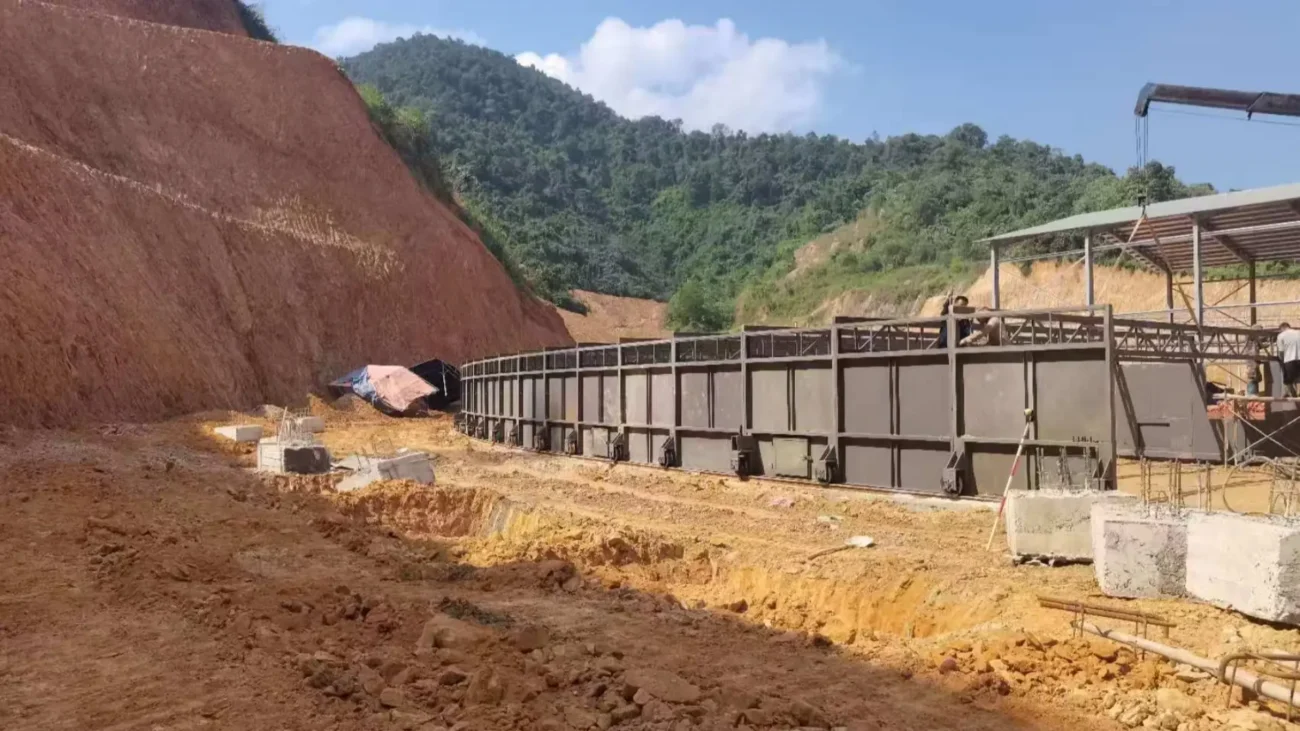
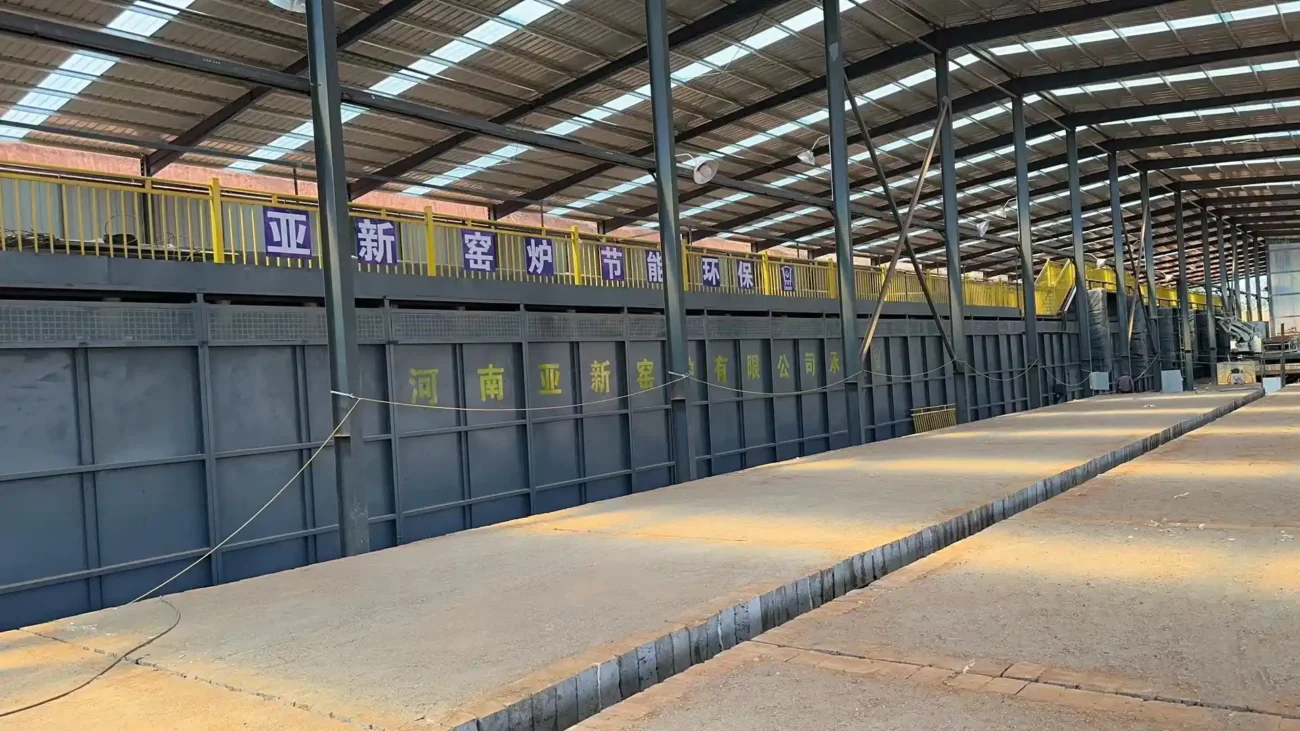
To minimize the frequency of major repairs, a structured maintenance program is essential. Based on manufacturing standards from Yaxin Kiln, high-performance kilns require a balance between mechanical precision and thermal management.
Thermal Monitoring via Infrared (IR) Scanners
Continuous shell monitoring using IR scanners is the most effective way to prevent shell damage. These systems provide a “heat map” of the kiln. A sudden temperature spike alerts operators to a lost brick, allowing for a controlled shutdown rather than a catastrophic shell melt-through.
Lubrication Management for Girth Gears
The drive system (Girth Gear and Pinion) requires specialized lubricants.
- Method: Automatic spray systems are preferred over manual application to ensure even coverage.
- Inspection: Periodically check for “root interference” and ensure the lubricant is not contaminated by clinker dust, which acts as an abrasive.
Managing “Kiln Crank”
Kiln crank refers to the physical bending of the kiln axis due to uneven thermal expansion or structural shifts. If left uncorrected, it destroys bearings and gears. Regular Laser Alignment Audits (at least once every 12-24 months) are required to calculate the “center of gravity” of each section and realign the support rollers accordingly.
5. Procurement and Service Considerations for Heavy Industry
In the context of B2B operations, choosing a repair partner or replacement parts involves more than just price. Because rotary kilns are custom-engineered, the “one size fits all” approach leads to premature failure.
When evaluating repair services or components, focus on:
- Material Certification: Ensure shell plates meet ASTM A516 Grade 70 or equivalent standards for high-temperature pressure vessels.
- Tolerance Adherence: For replacement parts like girth gears, insist on AGMA (American Gear Manufacturers Association) quality levels.
- On-Site Capability: Does the provider have the mobile machining tools and certified welders to handle repairs without transporting the kiln off-site?
For many plants, the most efficient path is to consult with the original equipment manufacturer or a specialized kiln engineer who understands the specific nuances of the rotary kiln’s design, such as its drive torque requirements and shell thickness gradients.
FAQ
Q1: How often should a rotary kiln be realigned?
A: For heavy-duty industrial kilns (cement/lime), a full hot-alignment check is recommended every 12 to 18 months. However, if you notice localized vibration or thrust roller overheating, an immediate audit is necessary.
Q2: What is “ovality” and why is it dangerous?
A: Ovality is the measure of how much the kiln shell “squashes” or deviates from a perfect circle as it rotates under its own weight. High ovality puts immense stress on the refractory bricks, causing them to loosen and fall out (the “keying” effect).
Q3: Can a cracked kiln shell be welded while the kiln is hot?
A: Emergency “hot welding” is sometimes performed to prevent a total collapse, but it is not a long-term solution. The rapid cooling of the weld bead against a hot shell can create a Heat Affected Zone (HAZ) that is brittle and prone to further cracking. A permanent repair should be done during a cold shutdown using pre-heating and controlled cooling protocols.
Q4: What causes the kiln to “slip” on its rollers?
A: This is often caused by an incorrect “roller skew.” Rollers are slightly angled to help push the kiln “uphill” against gravity. If the skew is mismatched, the kiln may lose traction or exert excessive force on the thrust mechanism.
Q5: How do I select the right refractory brick?
A: Selection depends on the “zone.” The discharge zone requires high abrasion resistance, the burning zone requires high-alumina or basic bricks for heat resistance, and the drying zone requires bricks that can withstand acid condensation or moisture.
Reference Sources
ASTM International: Standards for Carbon Steel Plates for Pressure Vessels (ASTM A516).
AGMA (American Gear Manufacturers Association): Classification and inspection standards for large-diameter girth gears.
IEEE Industry Applications Society: Technical papers on thermal imaging for industrial kiln monitoring.
SGS Industrial Services: Protocols for Non-Destructive Testing (NDT) in heavy manufacturing.