
Maximizing Kiln Lifespan: Engineering Factors and ROI

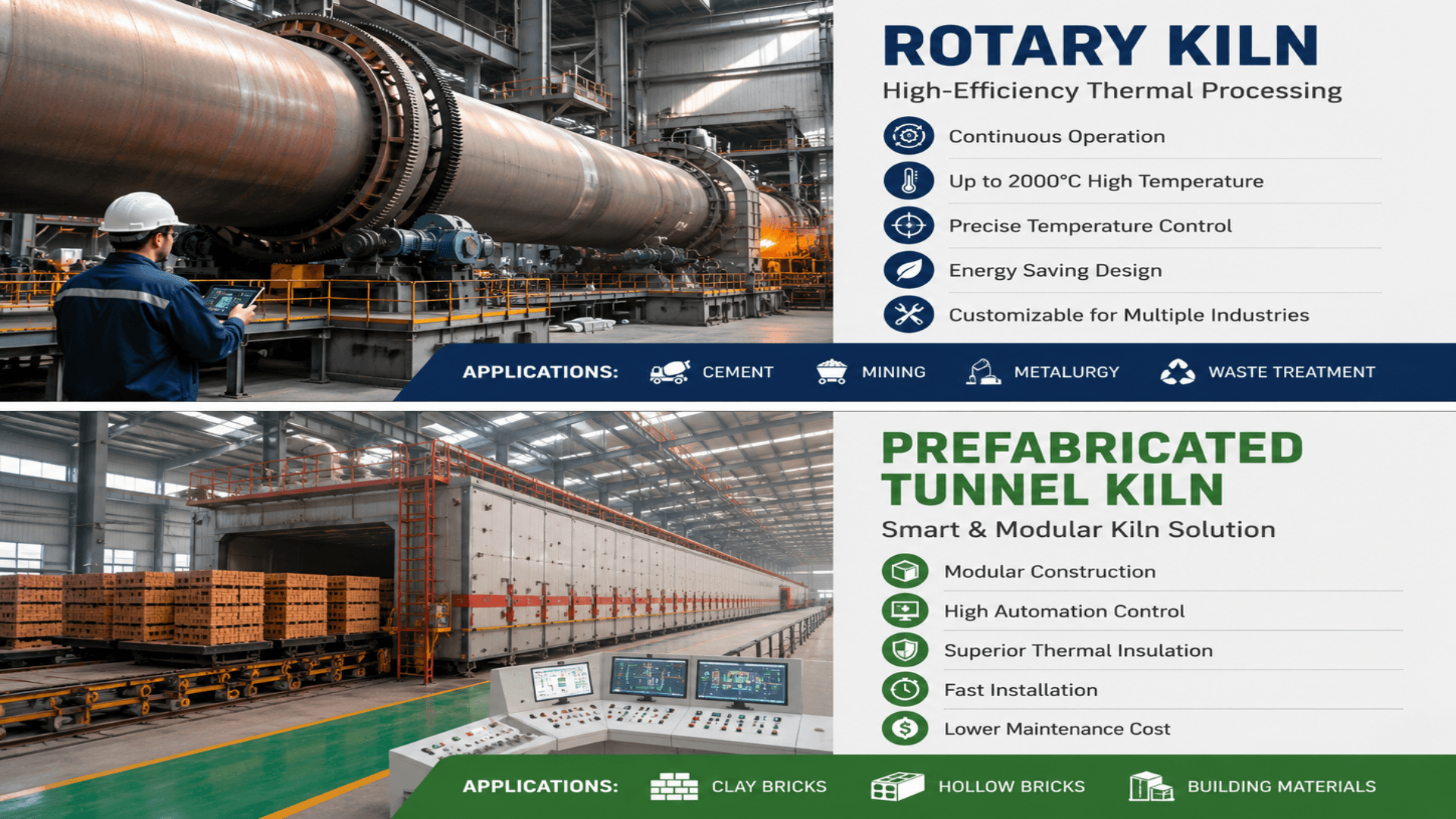
In industrial manufacturing, a kiln is often the most significant capital investment on the production floor. Whether utilized for ceramics, cement clinker, or brick production, the operational kiln lifespan directly dictates the long-term ROI of the facility. A well-maintained kiln can operate efficiently for decades, while a poorly managed system may face catastrophic refractory failure or structural warping within a few years.
Extending the life of a kiln is not merely a matter of routine cleaning. It requires a deep understanding of thermal dynamics, material science, and mechanical stress. For engineers and plant managers, identifying the variables that accelerate wear is the first step toward optimizing performance and reducing unscheduled downtime.
What Defines an Industrial Kiln’s Functional Lifespan?
The lifespan of an industrial kiln is defined as the period during which it can safely and efficiently maintain its designated thermal profile without requiring a complete rebuild of the shell or internal refractory lining.
While individual components—such as burners, sensors, and fans—are replaceable, the “core” lifespan is typically limited by the structural integrity of the refractory masonry and the steel casing. In high-volume production environments, the difference between a 5-year and a 15-year lifespan often comes down to how the system handles the transition between ambient and peak operating temperatures.
Critical Technical Factors Influencing Kiln Durability
Engineering a kiln for longevity requires a balance of several competing physical and chemical forces. Neglecting any of the following factors can lead to premature failure.
Refractory Material Selection and Installation
The refractory lining is the primary defense against thermal degradation. The chemical composition of the refractory—specifically its alumina or zirconia content—must be matched to the specific product being fired.
- Chemical Attack: In many industrial processes, the kiln atmosphere contains volatile alkalis, sulfates, or chlorides. If the refractory is not chemically inert to these vapors, it will undergo “slagging,” where the surface melts and thins.
- Installation Quality: Even the highest-grade bricks will fail if the expansion joints are improperly calculated. Without room for thermal expansion, the bricks will “spall” (chip or crack) as they press against one another.
Thermal Cycling and Thermal Shock
The most common cause of a shortened kiln lifespan is frequent or rapid temperature fluctuations. Refractories are designed to stay hot; they are brittle and sensitive to the stresses of expanding and contracting.
- Rapid Cooling: If a kiln is shut down too quickly for maintenance, the rapid contraction causes internal micro-cracks.
- Inconsistent Firing: Fluctuations in burner output create localized “hot spots.” These spots cause uneven expansion of the kiln shell, potentially leading to shell warping or “ovality” in rotary kilns.
Mechanical Stress and Structural Alignment
For rotary kilns, mechanical health is inseparable from thermal health.
- Ovality: This refers to the distortion of the kiln’s circular cross-section. If the shell becomes too flexible or the support rollers are misaligned, the refractory bricks will lose their “arch effect” and fall out.
- Tire and Roller Maintenance: Constant monitoring of the kiln’s axial thrust ensures that mechanical wear on the tires and rollers does not transmit vibration into the refractory lining.
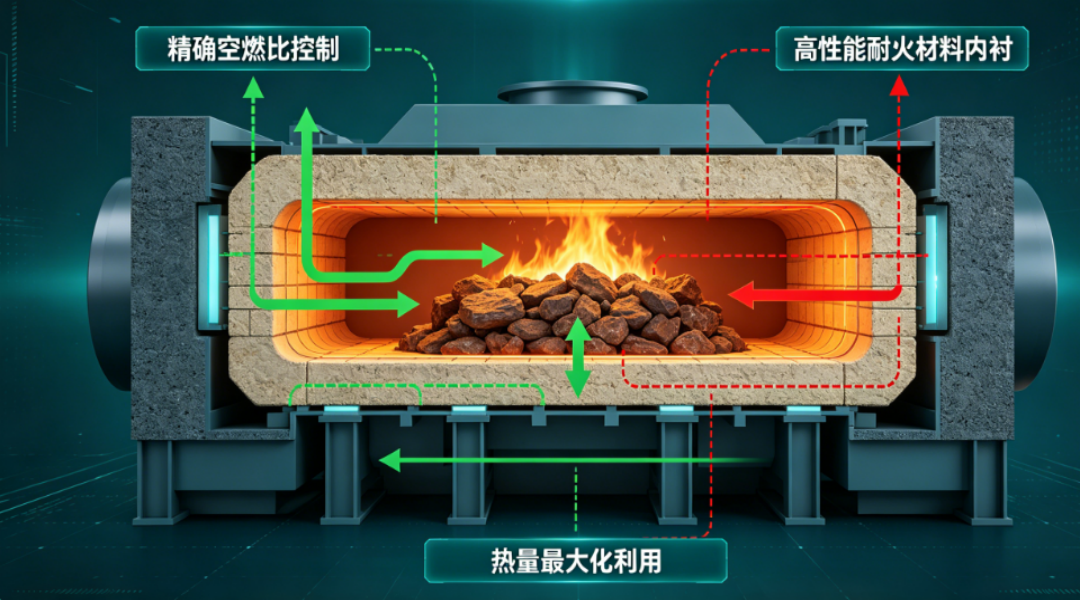
Kiln Atmosphere and Oxidation-Reduction (Redox) Cycles
The chemistry of the air inside the kiln plays a silent but deadly role in its deterioration. Transitioning between oxidizing and reducing atmospheres can cause mineralogical changes within the refractory bricks, making them porous and structurally weak.
Application-Specific Lifespan Considerations
Different industries experience unique wear patterns based on their manufacturing workflow:
- Ceramic Tunnel Kilns: These systems often face “kiln car” seal failures. If the sand seal or mechanical seal fails, heat leaks into the under-car area, damaging the steel chassis and the track system.
- Cement Rotary Kilns: These deal with intense abrasion from raw meal. The formation of a stable “coating” (a layer of frozen clinker on the brick surface) is essential to protect the refractory from the abrasive feed.
- Brick Kilns: High moisture content in the green bricks can lead to “acid dew point” corrosion on the kiln’s exhaust ducts and steel structure if temperatures are not managed correctly.
Engineering Best Practices for Life Extension
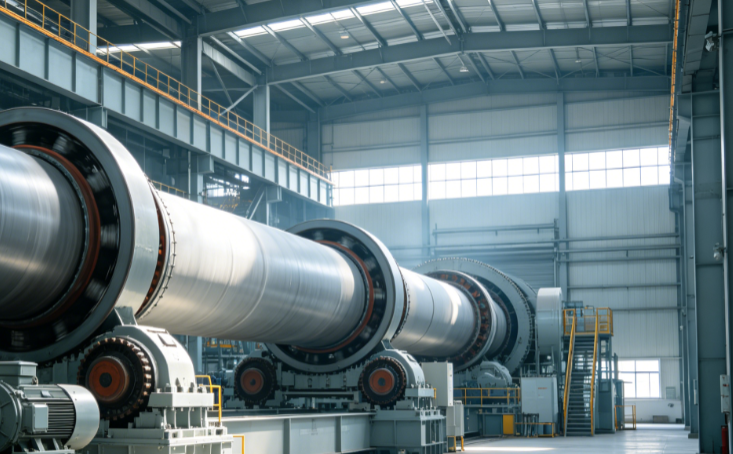
To maximize the service life of thermal equipment, manufacturing consultants recommend a proactive “Health Monitoring” approach rather than reactive repair.
| Strategy | Actionable Step | Expected Outcome |
| Shell Monitoring | Infrared thermography scans. | Identification of thin refractory spots before shell damage occurs. |
| Controlled Ramping | Automated PLC heating/cooling curves. | Prevention of thermal shock and spalling. |
| Atmospheric Control | Continuous Oxygen/CO monitoring. | Prevention of chemical degradation of the lining. |
| Structural Surveys | Laser alignment of rollers and tires. | Reduction of mechanical stress on the refractory arch. |
For organizations looking to deepen their technical understanding of these variables, exploring specialized industry knowledge is vital. Staying updated on advancements in refractory composites and burner efficiency can prevent the most common causes of premature kiln retirement.
FAQ: Industrial Kiln Lifespan
Q: How long should an industrial tunnel kiln typically last?
A: With proper maintenance and a stable production schedule, the structural shell of a tunnel kiln can last 20 to 30 years. However, the refractory lining in the high-heat zone may require “zonal” replacement every 5 to 8 years depending on the material being fired.
Q: Does frequent “idling” save the kiln or damage it?
A: Generally, it is better to keep a kiln at a “soak” temperature (a lower, stable heat) rather than turning it off completely. Cooling a kiln to ambient temperature and reheating it causes significant thermal stress, which is more damaging than the fuel cost of idling.
Q: What is the first sign of a failing refractory lining?
A: The most immediate sign is an increase in the kiln shell’s external temperature, often detected via “hot spots” through infrared cameras. Other signs include sagging of the arch or the presence of refractory dust in the kiln exhaust.
Q: Can a kiln’s lifespan be extended after it has started to warp?
A: In some cases, yes. Specialized contractors can perform “shell section replacement” where a warped portion of the steel is cut out and replaced. However, this is a major structural intervention and requires precise mechanical realigning.
Q: How do alternative fuels affect kiln lifespan?
A: Using alternative fuels (like biomass or waste-derived fuels) can introduce new chemical species, such as chlorine or heavy metals, into the kiln. These can react with the refractory bricks and may require a switch to higher-grade, chemically resistant linings to maintain the same lifespan.
Reference Sources:
- ISO 1927: Monolithic Refractory Products – Testing and Classification
- The American Ceramic Society: Thermal Stress and Spalling in Refractory Systems
- SGS Industrial Services: Kiln Alignment and Shell Analysis Standards