
Tunnel Kiln for Brick Production: Efficiency, Energy Saving and Performance Guide

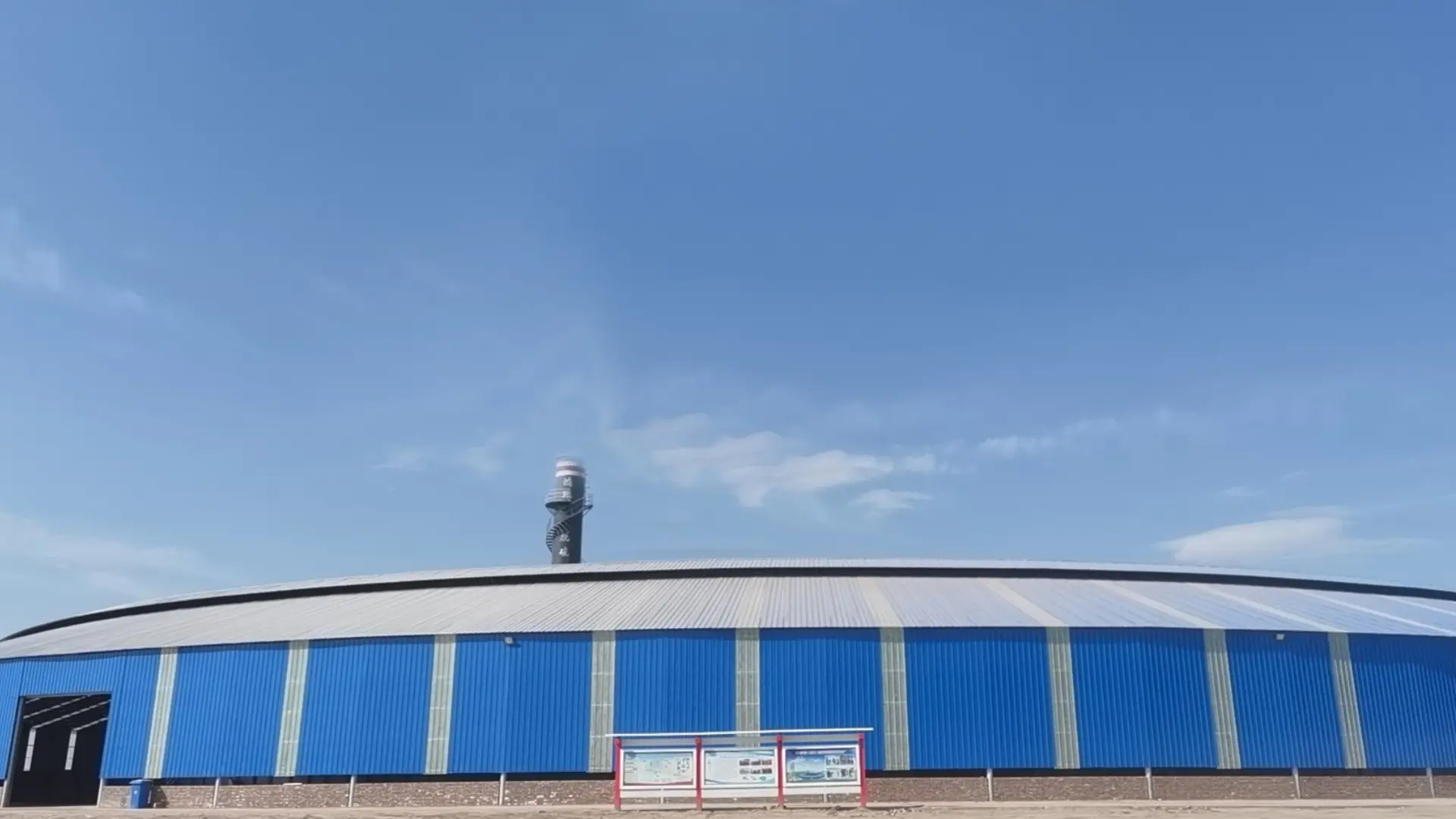
A tunnel kiln is a type of continuous industrial oven used primarily in the manufacture of bricks, ceramics, and tiles. Unlike batch kilns that require cooling before unloading, a tunnel kiln maintains a constant temperature gradient. This specialized design allows for a seamless, high-volume production flow essential for modern industrial facilities.
To improve brick production efficiency, the kiln utilizes a counter-current heat exchange mechanism. In this setup, heat from the cooling zone is redirected to preheat incoming green bricks. This thermodynamic logic significantly reduces the fuel required to reach sintering temperatures.
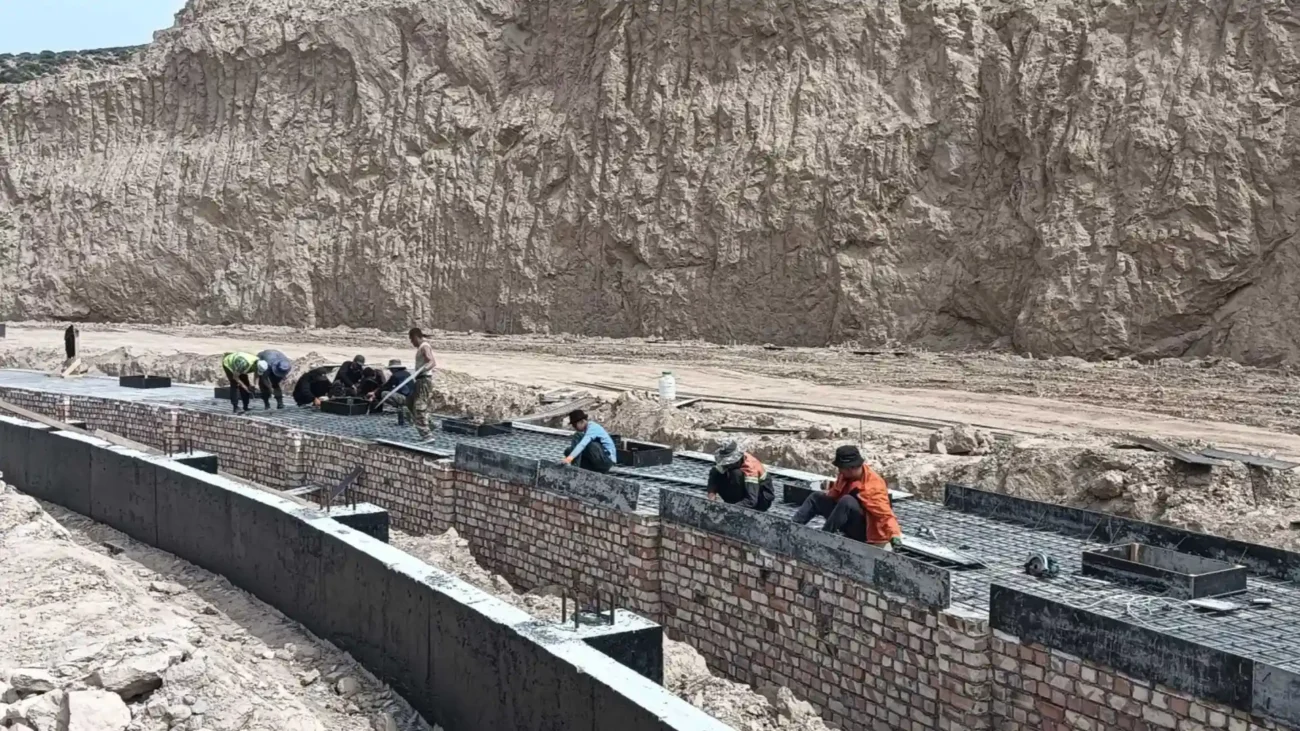
Continuous Flow vs. Batch Firing: The Efficiency Gap
The fundamental advantage of a tunnel kiln is its continuous operational model. In large-volume production, stopping and starting a kiln results in massive energy loss. Tunnel kilns eliminate this “thermal inertia” waste by running 24/7 at a steady state.
From an engineering perspective, batch firing is labor-intensive and inconsistent. Workers must manually load and unload products, leading to downtime. A tunnel kiln automates this movement, ensuring that every brick receives a predictable thermal treatment.
| Performance Metric | Batch Kiln (e.g., Clamp/Hoffman) | Automated Tunnel Kiln |
| Operational Uptime | Intermittent (Cycles) | Continuous (24/7) |
| Fuel Consumption | High (Energy lost during cooling) | Low (Integrated heat recovery) |
| Product Consistency | Variable (Human dependent) | High (PLC controlled) |
| Scrap Rate | 5% – 15% | < 1% |
| Labor Requirement | High (Manual loading) | Low (Supervisory only) |
Thermodynamic Logic of Heat Recovery Systems
Efficiency in brick making is dictated by how well a facility manages waste heat. In a tunnel kiln, the firing zone is kept at a constant peak temperature. As fired bricks move into the cooling zone, ambient air is pulled over them.
This air absorbs the bricks’ thermal energy, becoming highly pressurized and hot. Instead of exhausting this heat, the system pipes it back to the preheating zone. This “Total Thermal Loop” ensures that green bricks are nearly at the firing point before the burners even engage.
How to Choose an Efficient Tunnel Kiln?
Choosing an efficient tunnel kiln is an important decision for brick manufacturers because the right kiln system directly affects production capacity, energy consumption, product quality, and long-term operating costs. Before investing in a tunnel kiln, manufacturers should evaluate several key factors based on their production requirements.
Production Capacity
The tunnel kiln should match the factory’s production goals and future expansion plans. Buyers should consider factors such as daily output, brick types, production line design, and continuous operating requirements to ensure the kiln can meet current and future demand.
Fuel Type and Energy Efficiency
Different production environments may require different fuel solutions. An efficient tunnel kiln should provide optimized combustion performance, effective heat utilization, and reduced energy consumption. Evaluating fuel compatibility and energy-saving design can help manufacturers lower operating costs.
Automation Level
Modern tunnel kilns often integrate automation systems to improve production stability and reduce manual operation. Important features may include automatic temperature control, kiln monitoring systems, material handling automation, and production data management.
Manufacturer Experience
Choosing an experienced tunnel kiln manufacturer helps reduce project risks. Manufacturers with professional engineering capabilities can provide customized kiln designs, installation support, technical guidance, and solutions based on different brick production requirements.
After-Sales Support
Reliable technical support is essential for long-term kiln operation. A professional supplier should provide installation assistance, operation training, maintenance guidance, and timely support when production issues occur.
By considering production capacity, energy efficiency, automation technology, and supplier experience, brick manufacturers can select a tunnel kiln solution that improves production performance and delivers long-term value.
The Impact of Automation and PLC Systems
Modern brick manufacturing relies on data-driven management to maintain topical authority in quality. Automated tunnel kilns are equipped with Programmable Logic Controllers (PLC). These systems monitor oxygen levels, pressure gradients, and temperature zones in real-time.
In high-performance manufacturing, even a minor temperature fluctuation can cause structural cracking. Automation ensures that the firing curve remains within a ±5°C tolerance. This precision reduces the internal scrap rate, directly improving the bottom line of the facility.
Furthermore, automated drive systems manage the speed of the kiln cars. By synchronizing car movement with the burner output, the system optimizes the “residence time” for each brick. This ensures complete mineralogical transformation without wasting excess fuel.
Prefabricated and Modular Design Advantages
The construction phase often presents a significant bottleneck for new brick factories. Traditional masonry kilns take months to build and calibrate. In contrast, prefabricated tunnel kilns offer a more efficient deployment logic.
These modular systems are manufactured in factory-controlled environments. This ensures that the insulation layers and refractory linings are applied with higher precision than on-site masonry. For OEM project managers, this means a faster transition from ground-breaking to full production capacity.
Key benefits of prefabricated modularity include:
- Rapid Commissioning: Systems can be assembled on-site in a fraction of the traditional time.
- High-Density Insulation: Modern ceramic fiber modules reduce shell heat loss by up to 20%.
- Portability: Some movable designs allow the kiln to be relocated if raw material sources shift.
Enhancing Environmental Compliance and Sustainability
Global manufacturing standards now prioritize carbon footprint reduction. The high efficiency of tunnel kilns aligns with these sustainability goals. By burning fuel more completely and recovering waste heat, these kilns emit significantly fewer greenhouse gases per ton of finished product.
Many industrial facilities integrate desulfurization and dust removal systems directly into the kiln exhaust. Because the airflow is constant and controlled, these filtration systems operate more effectively than in batch kilns. This ensures the factory remains compliant with increasingly strict environmental regulations.
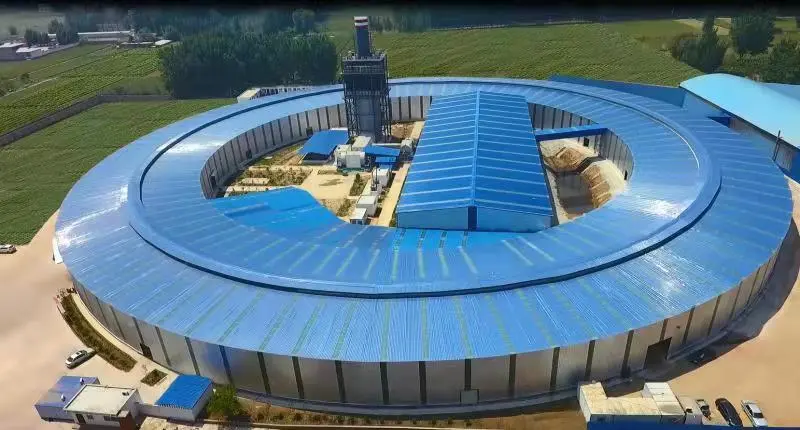
Why Choose Yaxin Tunnel Kiln Solutions?
Yaxin provides professional tunnel kiln solutions designed for brick manufacturers and building material production plants. With advanced kiln technology, engineering experience, and customized solutions, Yaxin helps customers improve production efficiency, reduce energy consumption, and achieve stable product quality.
Professional Tunnel Kiln Manufacturer
Yaxin specializes in the design and manufacturing of industrial tunnel kiln systems, providing reliable solutions for brick, ceramic, and building material production. With extensive industry experience, Yaxin understands the challenges of large-scale continuous production and provides suitable kiln solutions for different applications.
Energy-Efficient Kiln Technology
Yaxin focuses on developing tunnel kiln systems with improved thermal efficiency and optimized energy utilization. Through advanced combustion systems, temperature control technology, and heat management solutions, Yaxin helps manufacturers reduce fuel consumption while maintaining stable production performance.
Customized Brick Production Solutions
Every brick plant has different production requirements. Yaxin provides customized tunnel kiln designs based on production capacity, product specifications, factory layout, fuel type, and automation requirements to ensure the kiln system meets specific customer needs.
Complete Installation and Technical Support
From initial project planning and kiln design to installation guidance and technical support, Yaxin provides professional services throughout the project lifecycle. This helps customers achieve smooth operation and maintain long-term production efficiency.
Reliable Partner for Global Customers
With professional engineering capabilities and experience in industrial kiln projects, Yaxin supports brick manufacturers worldwide with reliable kiln equipment, technical solutions, and long-term cooperation.
Looking for an efficient tunnel kiln solution for your brick production line? Contact Yaxin Kiln for customized industrial kiln solutions.
FAQ
What is the “firing zone” in a tunnel kiln?
The firing zone is the central part of the kiln where the highest temperatures are maintained. Here, the clay undergoes sintering, a chemical process that fuses the particles together into a hard, durable brick.
How does a tunnel kiln reduce labor costs?
Efficiency is gained through automation. While batch kilns require constant manual loading and monitoring, a tunnel kiln uses automated cars and sensors. This allows a smaller team of specialists to oversee a much larger output.
Why is moisture control important before entering the kiln?
If bricks enter the kiln with high moisture content, the rapid heating can cause steam to build up internally, leading to “bloating” or explosions. Most efficient tunnel kilns use waste heat to dry the bricks to less than 1% moisture before they hit the preheating zone.
Can a tunnel kiln handle different types of bricks?
Yes. By adjusting the PLC settings for speed and temperature, a single tunnel kiln can fire various clay compositions, including facing bricks, pavers, and structural blocks. This versatility is vital for factories serving diverse construction markets.
How long does a tunnel kiln typically last?
With a standardized preventative maintenance schedule for the refractory lining and drive systems, an industrial tunnel kiln can operate for over 20 years. Prefabricated units often feature modular components that make repairs faster and more cost-effective.
What affects tunnel kiln efficiency?
Tunnel kiln efficiency is mainly affected by temperature control, insulation performance, airflow management, fuel utilization, and automation level.
How can a tunnel kiln reduce energy consumption?
Energy-efficient tunnel kilns reduce energy use through improved heat recovery, optimized combustion, and better thermal insulation.
Why is temperature control important in brick production?
Precise temperature control helps achieve uniform firing, reduce defects, and improve brick quality.
Reference Sources
- ISO 13577: Industrial furnaces and associated processing equipment — Safety. ISO.org
- ASTM C155: Standard Classification of Insulating Firebrick. ASTM.org
- The American Ceramic Society (ACerS): Technical papers on thermodynamics in heavy clay firing. Ceramics.org
- IEEE Industrial Applications Society: Standards for PLC and automation in heavy machinery.
- SGS Certification: Efficiency and emission testing for industrial thermal vessels.
Summary:
Maximize tunnel kiln efficiency through continuous firing and integrated heat recovery. Automated systems and modular prefabrication are essential for reducing fuel waste and ensuring consistent, high-volume brick production.