
Brick Kiln Emissions Control: Fuel, Flue Gas and Compliance

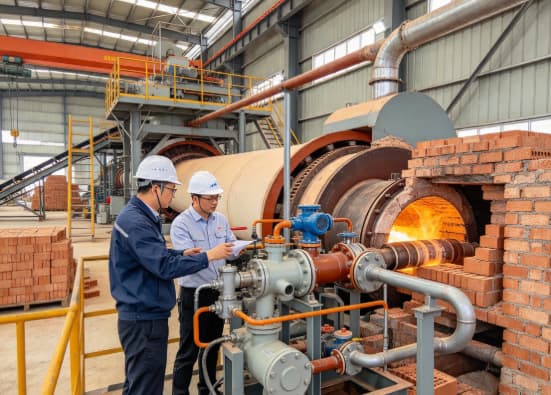
The best fuel for a brick kiln depends on the plant’s location and operating conditions. A low-cost fuel can become expensive if its quality varies, delivery is unreliable, handling needs are high or combustion is difficult to control. Fuel selection should be made with the kiln design, emissions requirements and lifetime operating cost in view. Brick kiln fuel types should be compared on delivered energy cost as well as process compatibility.
Compare more than the quoted fuel price
For each candidate fuel, document delivered price, net calorific value, moisture, ash, sulfur or other relevant constituents, seasonal availability, storage needs and supply security. Convert price to cost per unit of usable energy before comparing fuels. Then account for combustion efficiency, labor, preparation equipment, maintenance, ash or residue handling and emissions treatment.
Coal, natural gas, biomass and other fuels may be used in different brick-firing systems, but availability and technical suitability vary. Gas may offer convenient metering and control where supply is reliable. Solid fuels can require preparation, feeding and ash handling. Biomass properties vary by source and moisture. A plant should not assume a fuel is compatible simply because it is used by another kiln.
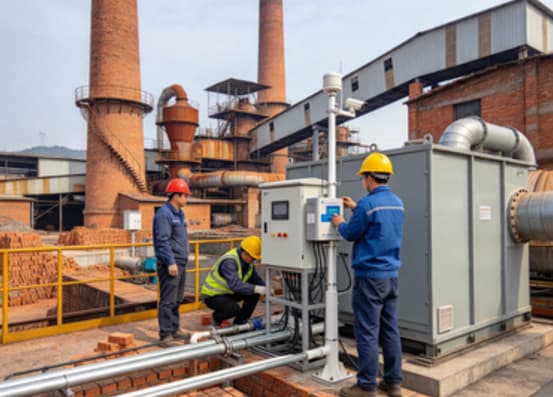
Match the fuel to the burner and process
Confirm whether the kiln can use the selected fuel, what burner or feeding arrangement is required, and how the firing curve responds to changes in calorific value or moisture. Ask whether switching fuels requires a different operating procedure, combustion tuning, safety equipment or permit review. Dual-fuel capability may help in some locations, but it adds design and control requirements that need to be costed.
TheYaxin rotary kiln pageprovides the manufacturer’s current description of its system. For a project proposal, request written confirmation of compatible fuel specifications, expected consumption basis and any required fuel-preparation equipment. Do not rely on broad statements from a general page.
Include emissions and continuity of supply
Fuel decisions also affect emissions and regulatory controls. The U.S. EPA brick and structural clay standards illustrate that regulated pollutants and rules are tied to a particular jurisdiction and facility scope. Check the local authority’s requirements before finalizing a fuel or stack design.
Build a supply-risk case: how many suppliers are available, what inventory is needed, what happens in a seasonal shortage, and whether the fuel can be transported and stored safely. A technically suitable fuel with unstable supply may require backup arrangements.
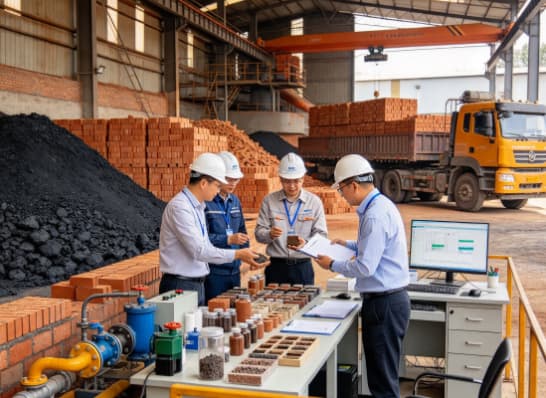
A buyer’s comparison checklist
Ask the engineering team to compare candidate fuels on delivered cost per energy unit, quality variation, equipment changes, operating labor, kiln control, emissions scope, storage and availability. Include the brick type and production schedule in the comparison. Then validate the assumptions with representative samples or supplier data before the design is frozen. The CCAC kiln project guideline is a useful reference for assessing fuel alongside investment, productivity, land and operating factors. Reviewing brick kiln fuel types also means checking supply continuity, storage and emissions obligations.
Compare delivered energy cost and supply risk
A basic fuel worksheet divides delivered fuel cost by its documented net calorific value using consistent units. Extend it to include preparation losses, storage, handling labor, feeding equipment, ash or residue disposal, burner changes, maintenance and any treatment or monitoring costs. Use current local quotations and show taxes, transport and seasonal surcharges separately.
Technical fit matters as much as arithmetic. Review how fuel variation affects flame stability, heat distribution, atmosphere, product color and operator response. For solid or biomass fuels, include particle size, moisture, ash and feeding consistency. For gaseous fuels, confirm pressure, composition and continuity. A switch may require burners, controls, safety systems or permit review, so include engineering and trial time.
Ask the kiln supplier which fuel specifications informed the design and whether the system can accommodate alternatives. If a test burn is possible, define the product, sampling method, operating window, measurement basis and quality checks. Compare normalized energy and saleable output rather than a short-term invoice.
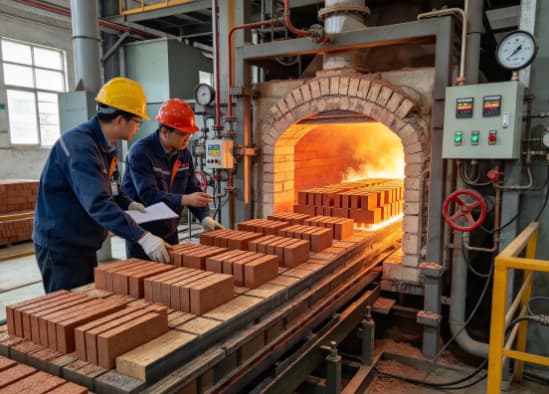
Keep the comparison basis consistent
Consider two supplier offers: one quotes fuel by mass and gross calorific value, while the other quotes by volume and net calorific value. The invoice prices are not comparable until the unit, heating-value basis, delivery terms and expected moisture are aligned. Ask the kiln engineer whether the proposed burner and controls can maintain the required firing profile across each fuel’s quality range. If the plant wants a backup fuel, price its storage, changeover and testing plan as a separate operating case. That case may be valuable even when the backup fuel is rarely used.
Frequently Asked Questions
Is natural gas always the most efficient kiln fuel?
Not automatically. Performance depends on burner design, kiln condition, process control, local gas quality and cost. Compare measured or guaranteed performance on the same product basis.
Can biomass be used in a brick kiln?
Some kiln systems may be engineered for biomass or blended fuels, but compatibility depends on fuel properties, feeding, combustion, emissions and local requirements. Confirm it with the kiln supplier and local permitting team.
What if the lowest-cost fuel is unreliable?
Model inventory, interruptions and backup arrangements. Confirm alternate-fuel compatibility and procedures in writing; use by another plant does not establish suitability for this kiln. The suitable brick kiln fuel types for a project depend on the kiln design and verified fuel properties.