
How Kilns Adapt to Different Clay Brick Wall Materials

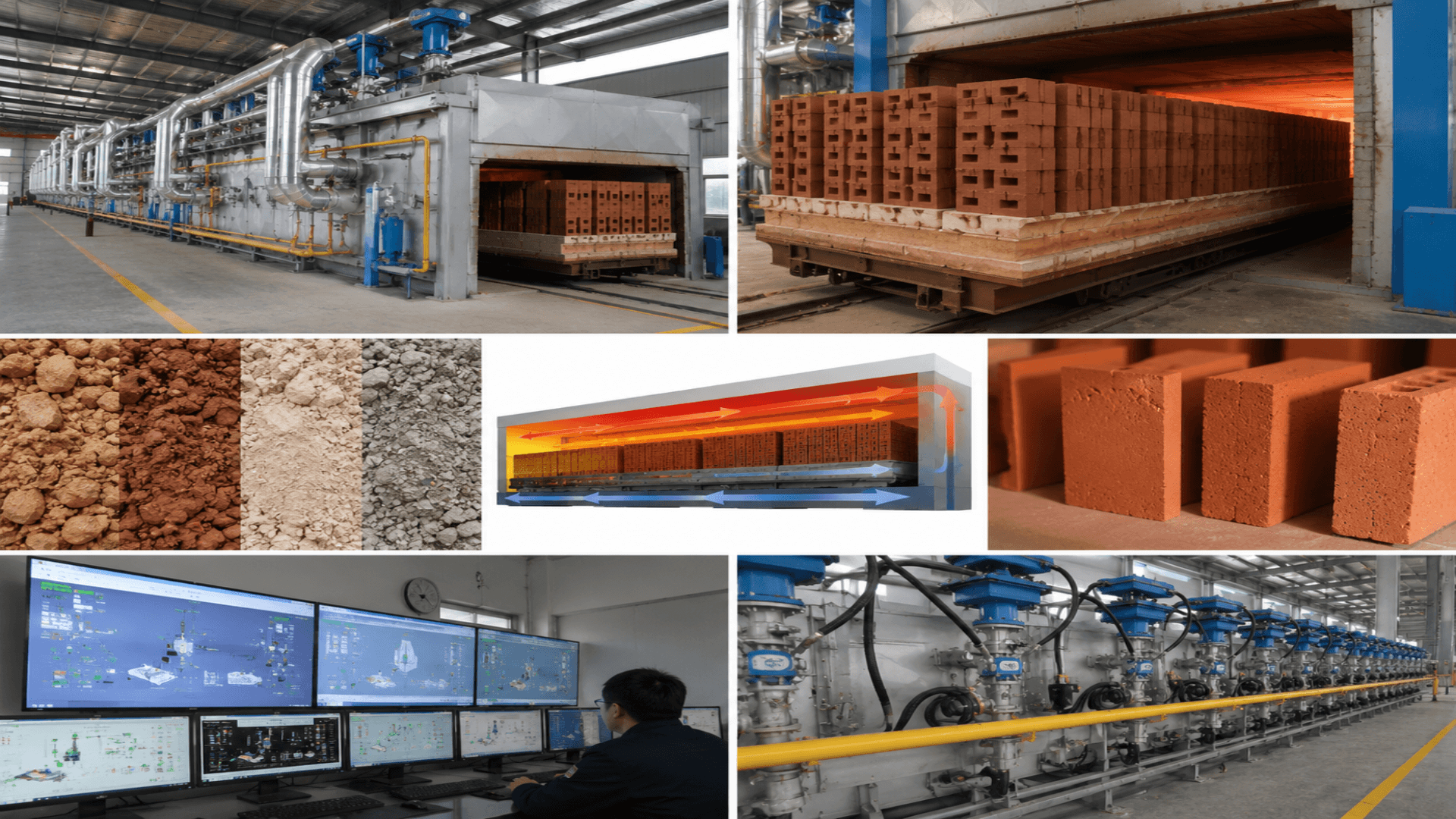
Firing clay bricks requires more than just high heat. It involves a precise orchestration of thermodynamics and material science. Different raw materials react uniquely to thermal shifts, necessitating specific kiln adjustments to prevent structural failure.
The performance of a kiln for clay bricks depends on how it manages heat absorption across varying wall densities. At Yaxin, we emphasize that a kiln must be a flexible thermal environment rather than a static box. Understanding these adaptations is crucial for achieving consistent production quality in industrial masonry.
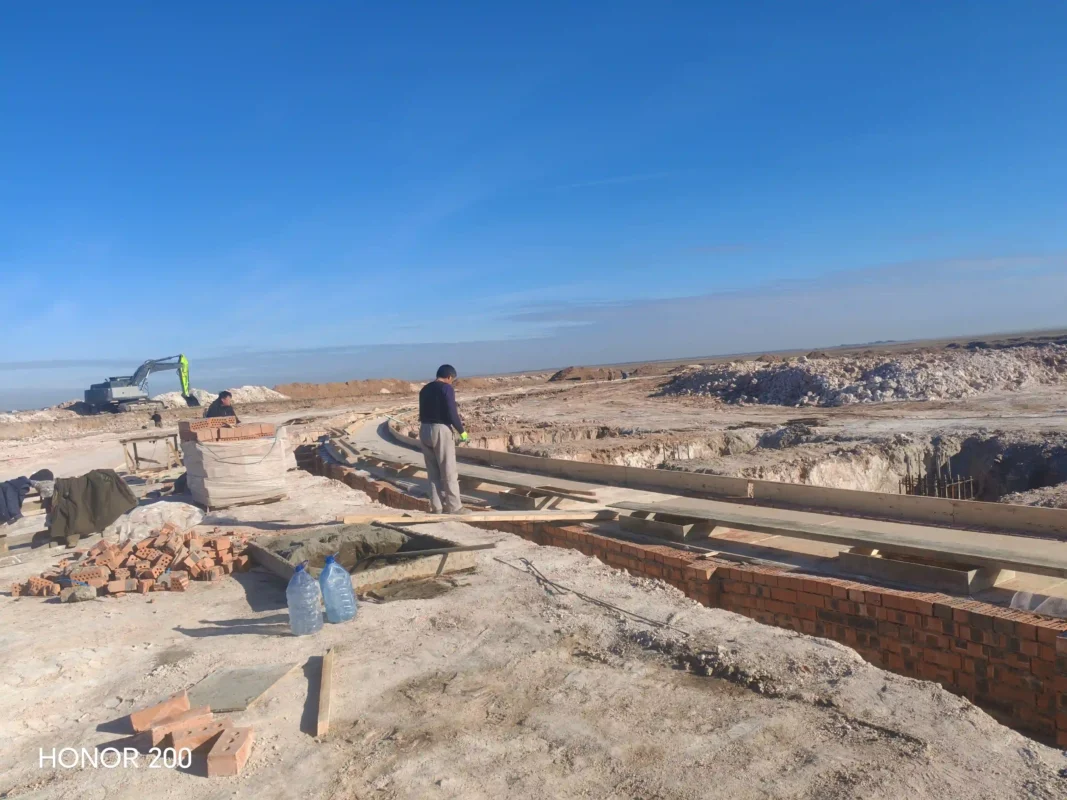
Why Thermal Expansion Dictates Kiln Design for Clay Bricks?
Every clay deposit contains a unique mineral signature. This composition determines how the brick expands and contracts during the firing cycle. A high-silica clay requires a different heating curve compared to one rich in alumina or iron oxide.
Quartz inversion is a critical phase where silica changes its crystalline structure. This occurs around 573°C. If the kiln does not adapt its ramp-up speed here, the internal stresses will cause the bricks to shatter or “dunt.”
We design our thermal systems to account for these microscopic shifts. By monitoring the expansion rates of specific clay bodies, we can calibrate the burner velocity and airflow. This ensures that the heat penetrates the core of every brick at a uniform rate.
How Prefabricated Structures Manage Heat Retention?
Traditional masonry kilns often struggle with heat loss through thick, static walls. Modern engineering favors prefabricated designs that use lightweight refractory materials. These materials provide superior insulation while allowing for faster temperature adjustments.
At Yaxin, we have developed our prefabricated tunnel kiln to address these thermal efficiency challenges. The modular design uses high-density fiber linings that react quickly to control inputs. This allows us to fine-tune the environment for different wall materials without waiting days for the structure to cool or heat.
Modular kilns offer better seal integrity than older brick-and-mortar models. Effective sealing prevents “cold air leakage,” which is the leading cause of uneven firing in large-volume production. Our systems ensure that the pressure remains constant across the entire firing zone.
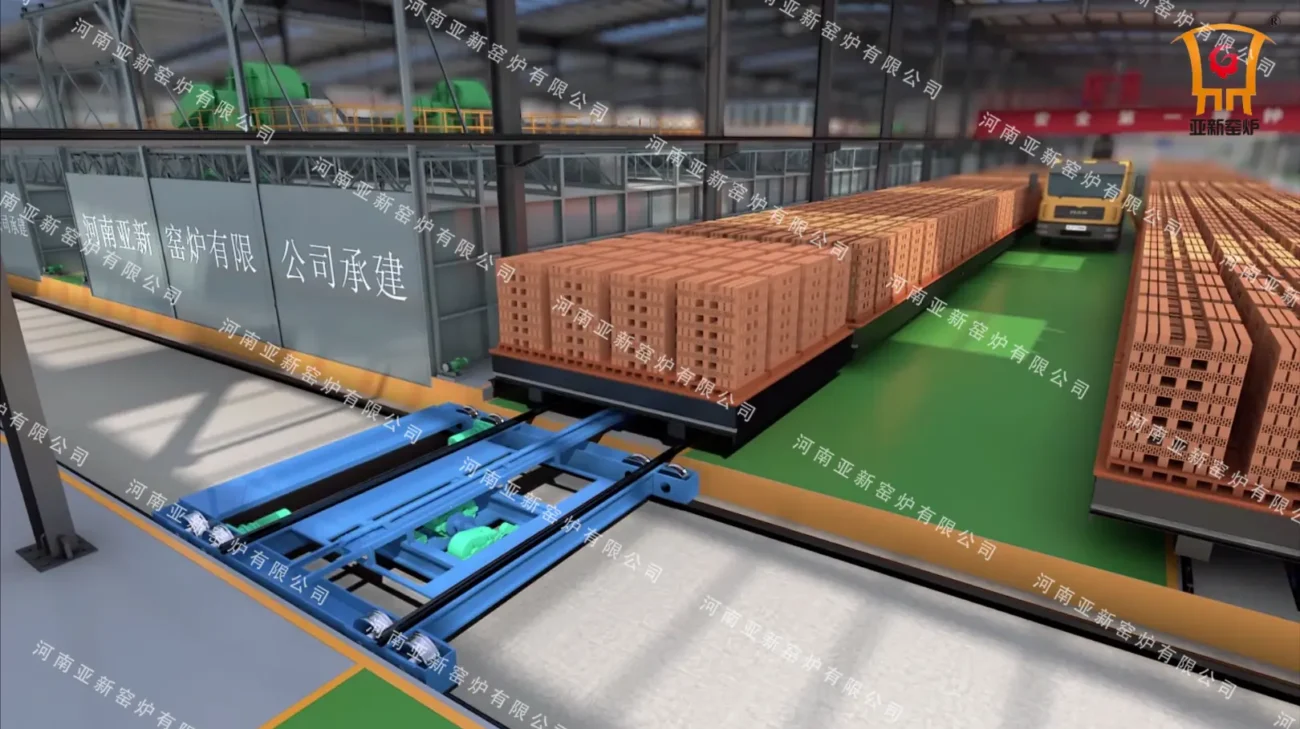
Adapting to Varying Moisture and Organic Content?
Raw clay often contains high levels of chemically combined water and organic matter. If these gases are not expelled correctly, the bricks may develop “black hearts” or surface bloating. The kiln must adapt its oxidation phase to match the material’s porosity.
High-porosity clays allow gases to escape easily, permitting faster firing cycles. Denser clays require a “soaking” period where the temperature is held steady. This allows oxygen to penetrate the center of the brick and fully oxidize carbonaceous materials.
In our engineering workflow, we utilize adjustable exhaust systems. These systems pull volatiles out of the chamber at specific intervals. We ensure that the moisture release does not saturate the kiln atmosphere, which would otherwise stall the heat transfer process.
Technical Comparison: Kiln Requirements by Material Type
The following table outlines how kiln settings typically shift based on the specific mineral characteristics of the clay being processed.
| Material Property | Kiln Adjustment Requirement | Impact on Firing Cycle |
| High Alumina Content | Higher peak temperatures (1100°C+) | Extended soak times for vitrification |
| High Iron Content | Reduction atmosphere control | Significant color variations and hardening |
| High Carbon/Organic | Enhanced oxygen injection zones | Slower ramp-up between 400°C and 700°C |
| High Sand/Silica | Precise quartz inversion monitoring | Critical cooling control at 573°C |
Managing Cooling Curves to Prevent Structural Stress?
Cooling is just as vital as heating in a kiln for clay bricks. If the exterior of the brick cools faster than the interior, the resulting tension causes cracking. This is particularly problematic with large-format blocks or high-density wall materials.
We use counter-current airflow systems to recycle heat from the cooling zone back to the pre-heating zone. This recovers energy and provides a gentle, controlled temperature drop. The air speed must be adjusted based on the thermal conductivity of the specific clay.
Materials with low thermal conductivity require a slower cooling descent. We implement automated dampers that regulate cold air intake. This prevents “thermal shock,” which is the primary reason for post-firing product rejection in industrial manufacturing.
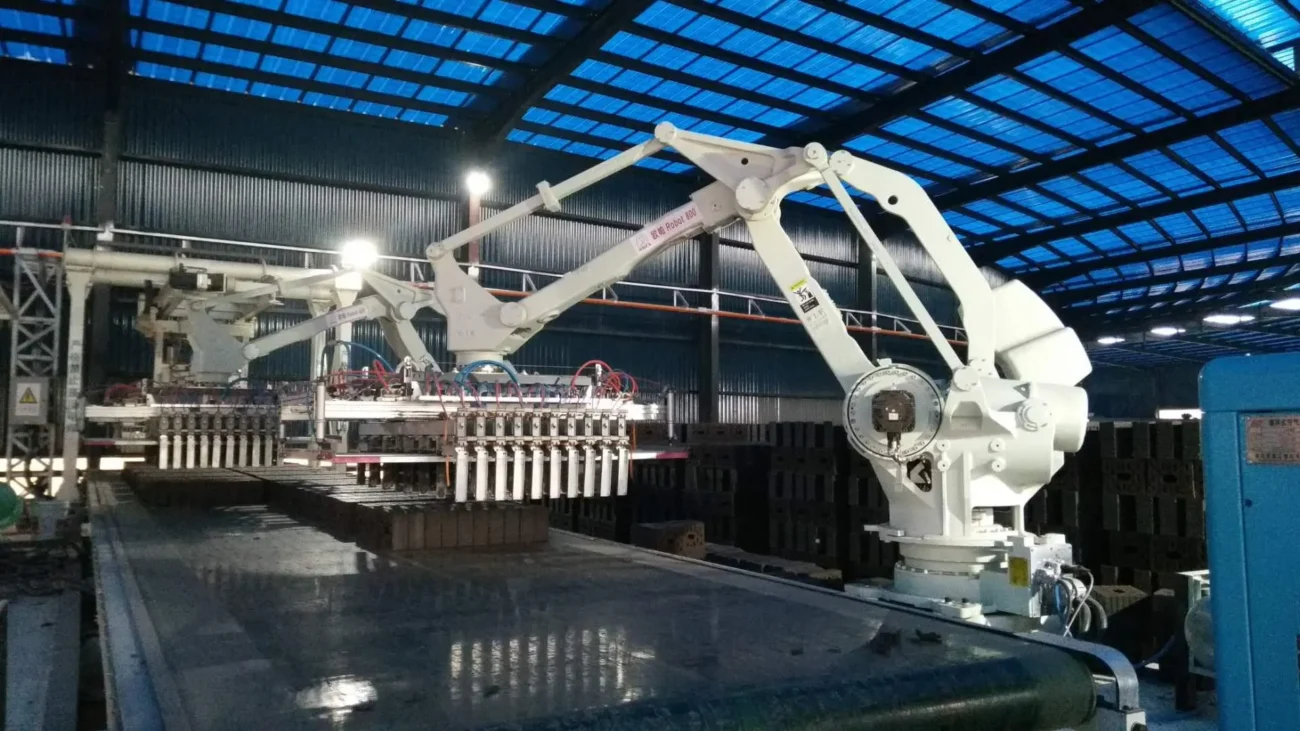
Integrating Advanced Control for Diverse Feedstocks?
Modern brick manufacturing often uses a mix of shale, clay, and recycled additives. This creates a complex material profile that a standard kiln might struggle to process. Digital control systems are now the standard for managing these variables.
Our kiln solutions utilize PLC (Programmable Logic Controller) systems to monitor real-time thermal profiles. By placing sensors at various heights within the kiln car, we can detect temperature gradients. We then adjust the top and bottom burners independently to achieve total uniformity.
Consistency in the final product requires this level of granular control. Whether you are producing face bricks or structural blocks, the kiln must be the most adaptable tool in your facility. We focus on building systems that respond to material science, not just heat demand.
FAQ
Q1: How does the kiln compensate for high shrinkage rates in certain clays?
A1: High-shrinkage materials require very gradual moisture removal during the pre-heating phase. We adapt the kiln by lengthening the pre-heating zone and using high-velocity burners to ensure uniform drying before the bricks reach vitrification temperatures.
Q2: Can a kiln for clay bricks also handle fly-ash or concrete additives?
A2: Yes, but the firing curve must change significantly. Additives like fly-ash often have different combustion points. We must adjust the airflow to manage the extra heat generated by the internal combustion of these additives within the brick body.
Q3: What role does the kiln car play in wall material adaptation?
A3: The kiln car’s refractory deck must match the thermal properties of the bricks. If the car absorbs heat too slowly, the bottom row of bricks will be under-fired. We use low-mass refractory supports to ensure even heat distribution from top to bottom.
Q4: Why is pressure control important for different brick densities?
A4: Denser wall materials resist heat penetration. By maintaining a slightly positive pressure inside the kiln, we “force” the hot gases into the center of the brick stacks. This prevents cold spots and ensures that the core of every brick reaches the required temperature.
Q5: How often should the kiln lining be inspected when switching materials?
A5: We recommend a visual inspection every quarter and a thermal scan annually. Different materials release different chemical vapors (like sulfur or fluorines) which can degrade certain types of refractory linings over time.
Reference Sources
TBE – European Bricks and Tiles Federation Technical Guidelines
https://www.tiles-bricks.eu/
ISO 9001:2015 – Quality Management Systems for Industrial Manufacturing
https://www.iso.org/standard/62085.html
The Ceramic Society – Heat Treatment and Firing Processes for Heavy Clay
https://ceramics.org/