
Kiln Safety Standards: Industrial Manufacturing Guide

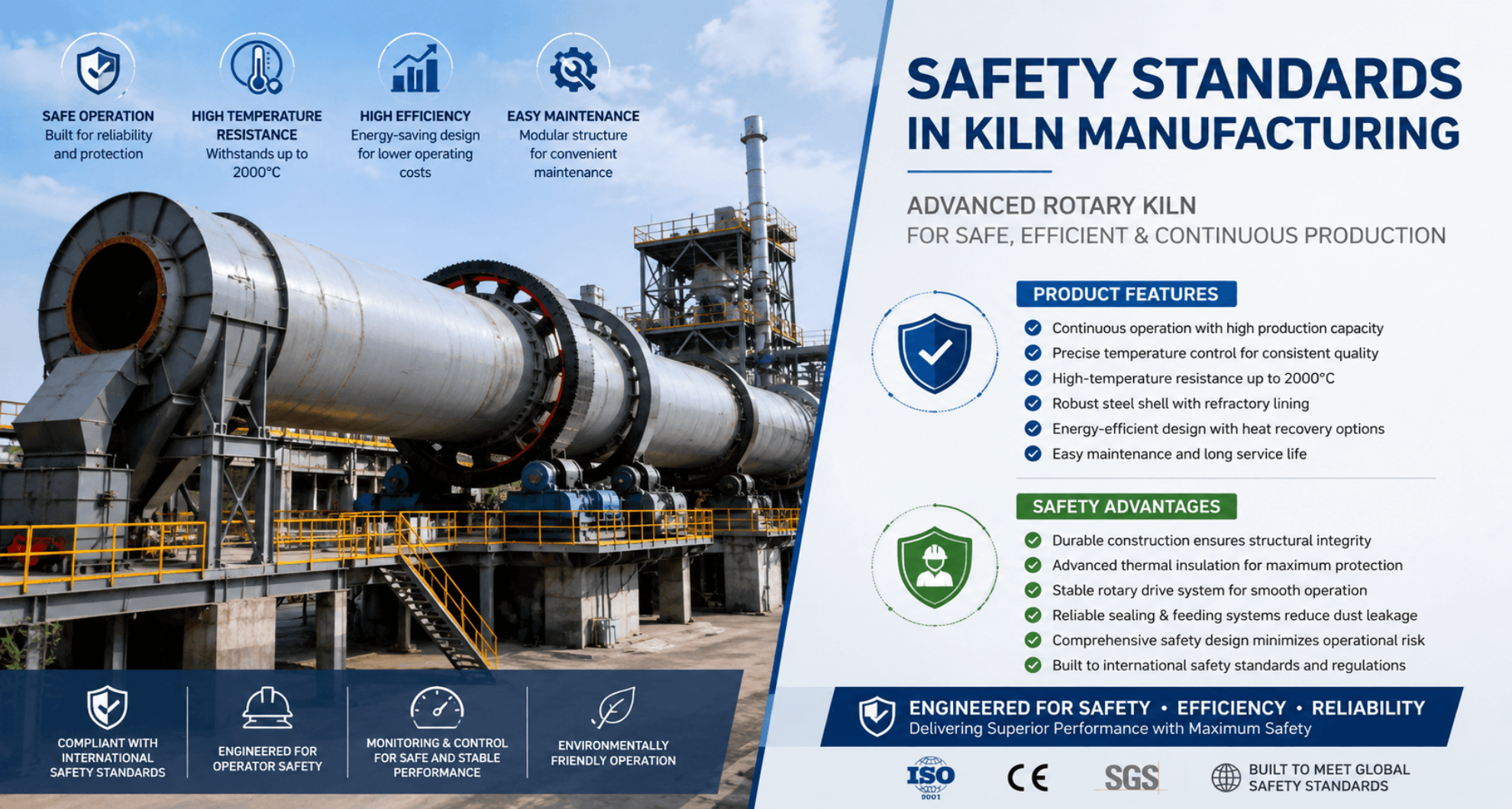
High-temperature thermal processing is the backbone of modern heavy industry, yet it presents some of the most complex engineering hazards in manufacturing. Kiln safety encompasses more than just heat management; it involves structural integrity, mechanical synchronization, and rigorous emission controls. For engineers and facility managers, understanding these standards is the first step toward operational longevity and personnel protection.
Safety in kiln manufacturing is governed by a combination of mechanical engineering codes and occupational health regulations. These frameworks ensure that equipment can withstand extreme thermal expansion while maintaining mechanical stability. In our experience at Yaxin Kiln, we find that the most robust safety systems are those integrated into the design phase rather than added as afterthoughts.
What Are the Primary Safety Hazards in Kiln Operations?
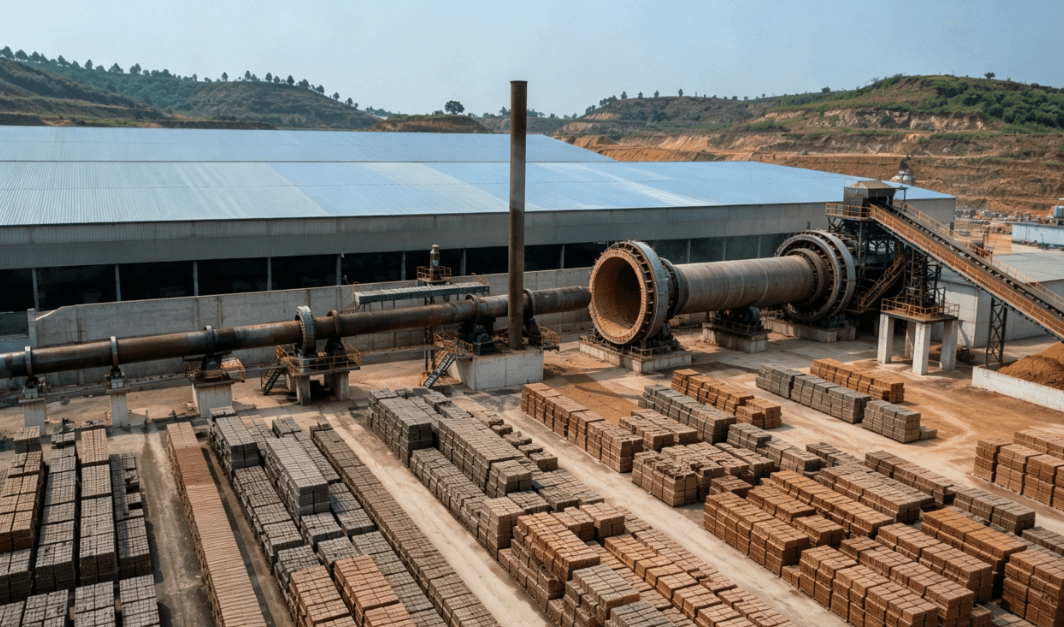
Operating an industrial rotary kiln involves managing massive kinetic energy alongside intense thermal output. The primary risks generally fall into three categories: mechanical failure, thermal exposure, and process-related emissions. Each category requires specific engineering controls to meet international safety benchmarks.
Mechanical hazards often stem from the rotating nature of the equipment. Because a kiln shell can weigh hundreds of tons, any misalignment in the trunnion rollers or drive assembly can lead to catastrophic structural failure. We ensure that our engineering specifications account for these loads through precise balance and vibration monitoring systems.
Thermal hazards are perhaps the most visible risk. Kilns often operate at temperatures exceeding 1,000°C, requiring sophisticated refractory linings to protect the outer steel shell. If the refractory thins or fails, “hot spots” can develop, potentially melting the structural steel and causing a collapse.
Essential Technical Standards for Industrial Kilns
Several international bodies provide the framework for kiln safety. These standards dictate how materials are selected, how pressure is managed, and how the kiln interacts with its environment. Compliance is not merely a legal requirement but a benchmark for manufacturing quality.
The following table outlines the key regulatory frameworks applicable to kiln manufacturing and operation:
| Standard Body | Focus Area | Key Safety Requirement |
| ISO 13577 | Industrial Furnaces | Safety requirements for combustion and fuel handling systems. |
| OSHA 1910.147 | Mechanical Safety | Lockout/Tagout (LOTO) procedures for rotating machinery maintenance. |
| NFPA 86 | Thermal Processing | Standards for Ovens and Furnaces to prevent explosions and fires. |
| ASME Section VIII | Pressure Integrity | Standards for vessels operating under internal or external pressure. |
Adhering to these standards ensures that the equipment can handle the stresses of continuous 24/7 operation. For instance, NFPA 86 is critical for kilns using gas or oil burners, as it mandates specific purge cycles and flame supervision to prevent unburned fuel buildup.
Mechanical Integrity and Drive System Safety
The drive system is the heart of a rotary kiln. Ensuring its safety requires a focus on torque management and emergency braking systems. In large-scale production environments, a sudden power loss can be devastating if the kiln stops moving while fully loaded with hot material.
- Auxiliary Drives: Essential for keeping the kiln rotating during power outages to prevent the shell from sagging or warping.
- Guard Systems: Physical barriers around the girth gear and pinion to prevent entanglement.
- Emergency Stops: Strategically placed E-stop buttons that cut power to the main drive while allowing auxiliary systems to engage.
- Vibration Sensors: Real-time monitoring to detect bearing wear or misalignment before a mechanical breach occurs.
We recognize that mechanical precision is the foundation of safety. By maintaining tight tolerances in the manufacturing of the shell and tires, we reduce the stress on the drive motor and minimize the risk of unforeseen mechanical fatigue.
Thermal Protection and Refractory Management
Refractory safety is a dual-purpose requirement: it protects the product being processed and the personnel working near the equipment. A high-quality lining acts as a thermal barrier, keeping the shell temperature within safe operating limits.
Modern kiln manufacturing utilizes infrared thermography to monitor shell health. These systems provide a continuous “heat map” of the kiln’s surface. If a section of the refractory fails, the system triggers an alarm, allowing operators to initiate a controlled shutdown before the steel shell is compromised.
At Yaxin Kiln, our rotary kiln designs prioritize this thermal-mechanical balance. We utilize high-grade steel and advanced insulation techniques to ensure that even under maximum thermal load, the external environment remains manageable for site technicians.
Environmental and Emission Safety Standards
Safety also extends to the air quality surrounding the kiln. Industrial kilns produce flue gases that must be treated before being released into the atmosphere. This involves the use of baghouses, scrubbers, and electrostatic precipitators to remove particulate matter and hazardous chemicals.
- Dust Collection: High-efficiency cyclones and bag filters capture fine particles generated during the calcination process.
- Pressure Control: Maintaining negative pressure inside the kiln prevents the leakage of hot gases and dust into the workspace.
- Gas Analysis: Continuous monitoring of CO and O2 levels to ensure complete combustion and prevent the formation of explosive atmospheres.
These environmental controls are often mandated by local EPA or equivalent agencies. Failure to maintain these systems can lead to respiratory hazards for workers and significant legal liabilities for the manufacturer.
How We Implement Safety at Yaxin Kiln
Our approach to kiln manufacturing is rooted in the belief that safety is a byproduct of engineering excellence. When we design a rotary system, we start with a comprehensive risk assessment that considers the specific material being processed and the environmental conditions of the site.
We integrate fail-safe mechanisms into every drive assembly and thermal zone. For example, our lubrication systems are designed with redundant pumps to ensure that trunnion bearings never run dry, which would otherwise lead to friction-induced fires. By focusing on the details of mechanical alignment and thermal expansion, we provide our clients with equipment that meets the highest global safety expectations.
Best Practices for Operational Safety Audits
Regular safety audits are the final layer of protection in any industrial facility. These audits should be performed by qualified engineers who understand the specific nuances of thermal processing equipment.
A standard audit should include a check of the kiln’s “run-out” (wobble), an inspection of the girth gear teeth for pitting, and a thermal scan of the entire shell. Documentation of these checks is essential for maintaining compliance with ISO and OSHA standards. We recommend that facilities establish a preventative maintenance schedule that aligns with the manufacturer’s original specifications to ensure long-term structural health.
FAQ
Q1: What is the most common cause of safety incidents in kiln manufacturing?
A: Most incidents result from refractory failure leading to shell warping or improper Lockout/Tagout (LOTO) procedures during maintenance of the rotating drive systems.
Q2: How often should a kiln’s mechanical alignment be checked for safety?
A: We recommend a professional alignment check at least once a year, or immediately following any significant process upset or emergency shutdown.
Q3: Does every industrial kiln require an auxiliary drive?
A: Yes, for large rotary kilns, an auxiliary drive is a critical safety component to prevent thermal distortion of the shell during a main power failure.
Q4: What role does shell temperature play in operational safety?
A: Shell temperature is a leading indicator of refractory health; exceeding the manufacturer’s specified temperature can lead to structural softening and potential collapse.
Q5: Are there specific safety standards for kiln emissions?
A: Yes, emissions are typically governed by the ISO 14001 environmental management standards and local clean air acts which mandate the use of filtration systems.
Reference Sources
International Organization for Standardization – Industrial Furnaces
https://www.iso.org/standard/60825.html
Occupational Safety and Health Administration – Control of Hazardous Energy
https://www.osha.gov/control-hazardous-energy
National Fire Protection Association – Standard for Ovens and Furnaces
https://www.nfpa.org/codes-and-standards/all-codes-and-standards/list-of-codes-and-standards/detail?code=86