
What Is a movable rotary kiln and How It Works?

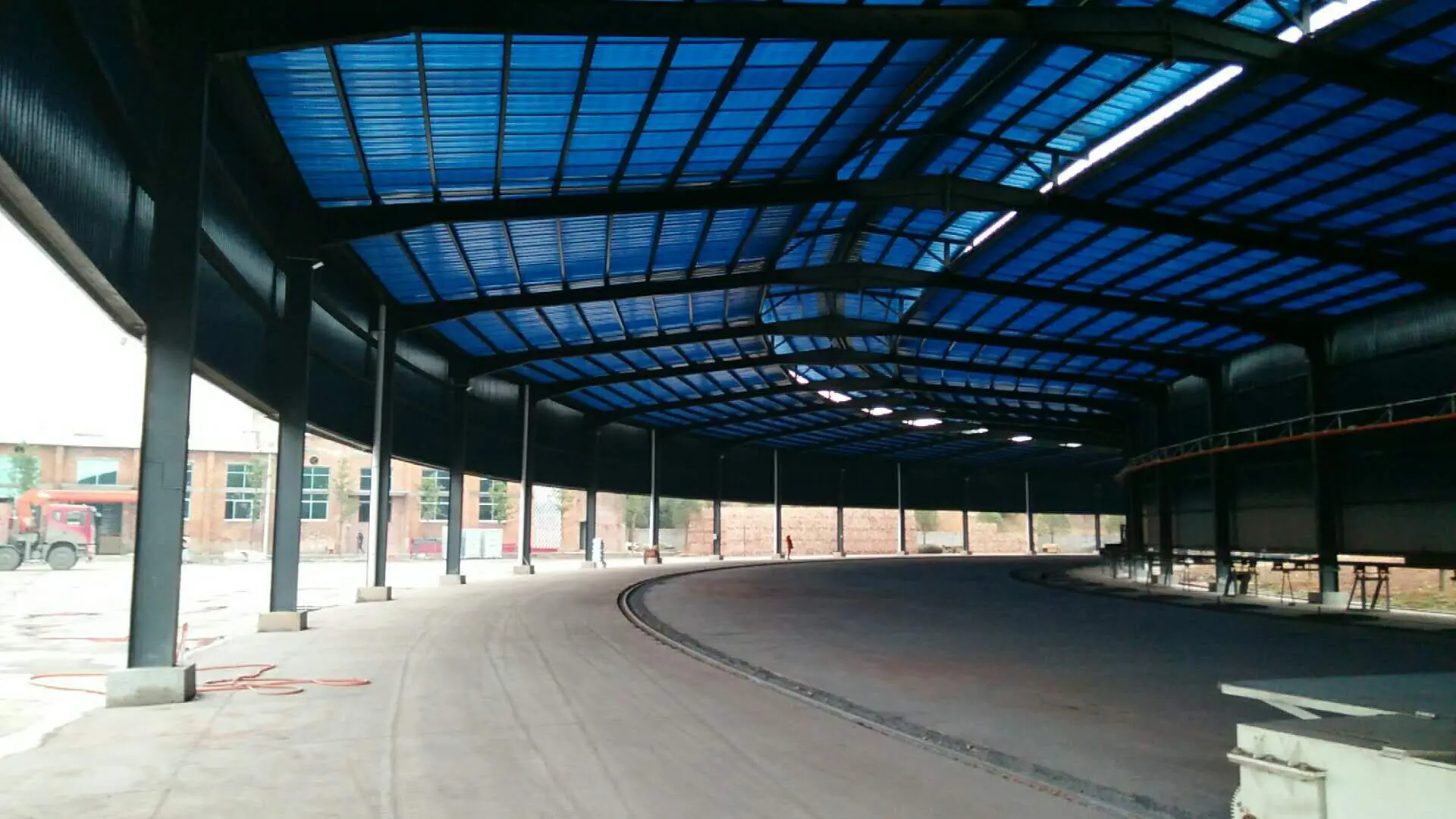
Industrial waste management and material processing often require high-temperature thermal treatment. A movable Rotary Kiln offers a flexible solution by bringing high-capacity thermal processing directly to the project site. This technology allows industries to treat materials without the logistical costs of transporting heavy waste. It combines traditional thermal engineering with a mobile, modular design for maximum efficiency.
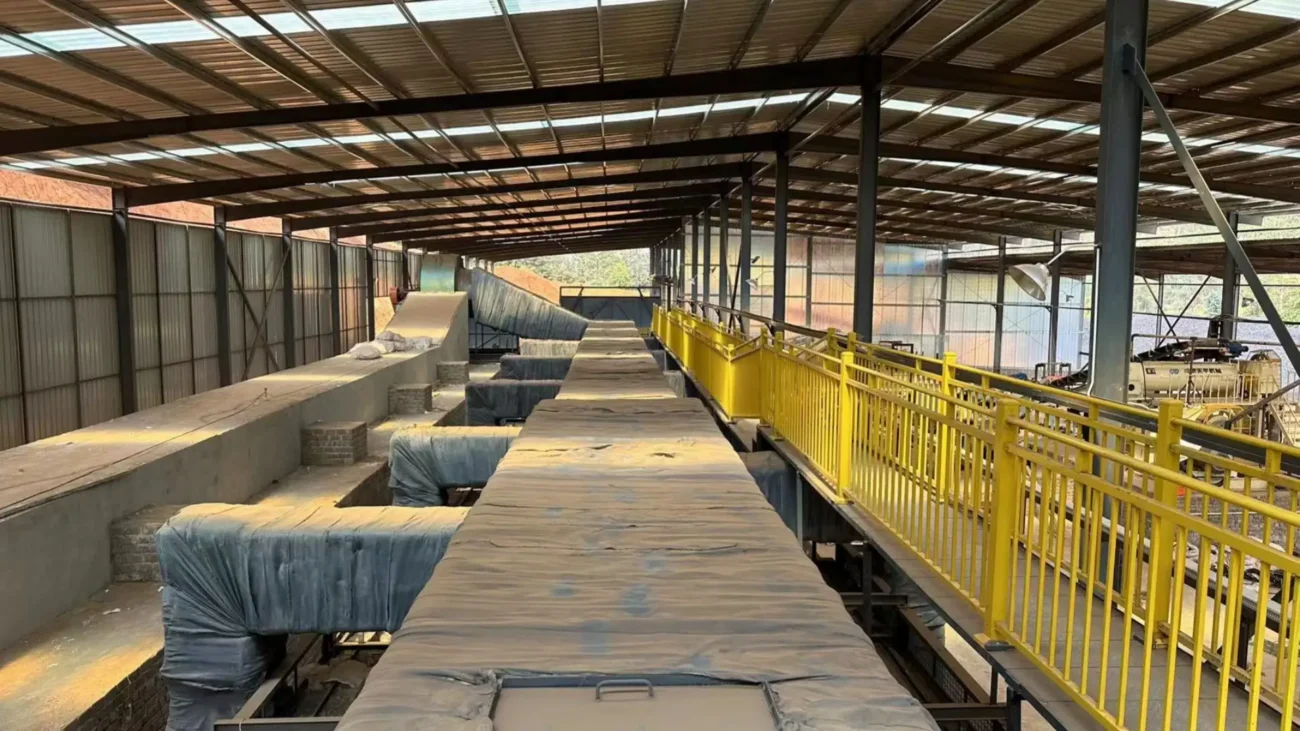
Traditional kilns are permanent structures made of heavy brick and steel. In contrast, a movable Rotary Kiln is mounted on a reinforced chassis or skid-mounted platform. This design allows for rapid deployment in remote locations or temporary construction sites. These systems are essential for soil remediation, hazardous waste incineration, and chemical processing.
The primary function of this equipment is to heat materials to a specific temperature. It facilitates chemical reactions or physical changes within a rotating cylindrical shell. By utilizing a mobile design, companies can reduce their carbon footprint and operational expenses significantly. This versatility makes it a preferred choice for modern environmental engineering projects.
What Is a Movable Rotary Kiln?
A movable Rotary Kiln is a portable thermal processing unit designed for high-temperature applications. It consists of a rotating drum that acts as a heat exchanger and reactor. These units are specifically engineered to be transported via standard trailers or shipping containers. This portability ensures that the equipment can move between different job sites as needed.
Unlike fixed installations, a movable Rotary Kiln features a modular construction. The system includes a feeding unit, the kiln body, a combustion chamber, and a gas cleaning system. These components are designed to connect quickly upon arrival at a site. This “plug-and-play” approach minimizes the time required for onsite assembly and testing.
The durability of a movable Rotary Kiln is critical for its performance. The inner shell is often lined with high-quality refractory material to withstand extreme heat. The outer shell is constructed from heavy-duty carbon steel to ensure structural integrity during transport. These units can handle temperatures ranging from 400°C to over 1,200°C depending on the material.
How Does a Movable Rotary Kiln Work?
The working principle of a movable Rotary Kiln involves three main stages: feeding, thermal processing, and discharging. The process begins when raw material is introduced into the upper end of the tilted cylinder. Because the kiln sits at a slight angle, gravity helps move the material toward the lower end. This movement is controlled by the rotation speed of the drum.
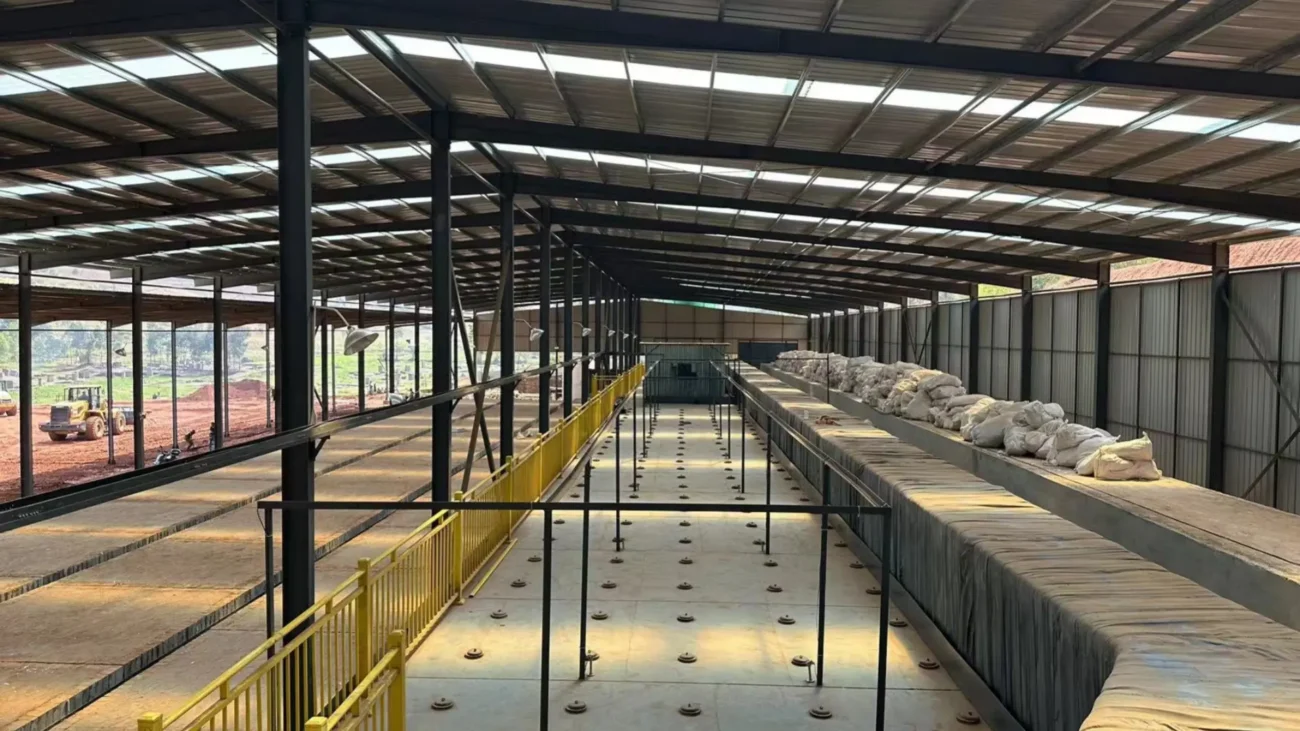
As the drum rotates, the material inside is continuously tumbled and exposed to heat. The heat source is usually a burner located at the lower discharge end. This creates a counter-current flow where the hottest gases meet the most processed material. This thermal exchange ensures that the material reaches the required chemical or physical state effectively.
Inside the movable Rotary Kiln, several reactions occur simultaneously. Moisture is evaporated first, followed by the volatilization of organic compounds. Finally, the remaining solids undergo high-temperature oxidation or calcination. The rotation speed typically varies between 0.5 to 5 revolutions per minute to control the residence time. This precise control is vital for meeting strict environmental and industrial standards.
Technical Specifications and Performance Data
To understand the capabilities of a movable Rotary Kiln, it is essential to look at the technical data. These specifications determine the volume of material the system can process in a day. Most mobile units are designed for medium-scale operations where efficiency is a priority.
| Specification | Typical Value Range |
| Kiln Diameter | 1.2 meters to 3.5 meters |
| Kiln Length | 10 meters to 30 meters |
| Operating Temperature | 400°C to 1,300°C |
| Rotation Speed | 0.5 – 4.5 RPM |
| Tilt Angle | 1% to 5% |
| Processing Capacity | 1 to 20 tons per hour |
| Fuel Types | Natural Gas, Diesel, or Coal |
The movable Rotary Kiln must maintain high thermal efficiency to be cost-effective. Research indicates that modern mobile units can achieve a thermal efficiency of 60% to 75%. This is achieved through advanced insulation and optimized burner configurations. Furthermore, integrated air pollution control systems ensure that emissions stay within legal limits.
Core Benefits of Mobile Thermal Technology
The most significant advantage of a movable Rotary Kiln is the elimination of transportation risks. When dealing with hazardous waste, moving the material across public roads is dangerous and expensive. By treating the waste on-site, companies avoid these risks entirely. This on-site approach is often the only viable solution for large-scale soil remediation projects.
Operational flexibility is another key benefit of the movable Rotary Kiln. These systems can be scaled up or down by adding modular components. If a project requires higher capacity, multiple mobile units can be operated in parallel. This scalability allows companies to manage varying workloads without investing in permanent, oversized infrastructure.
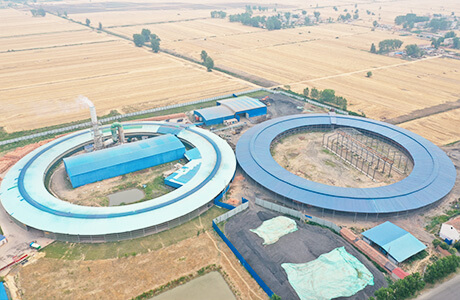
The environmental impact of a movable Rotary Kiln is often lower than traditional methods. Modern units incorporate energy recovery systems that reuse waste heat for pre-heating. This reduces overall fuel consumption and lowers greenhouse gas emissions. Investing in a movable system provides a sustainable path for industrial growth.
How to Evaluate the Right Rotary Kiln for Your Project
Choosing a movable Rotary Kiln requires a deep understanding of your specific material characteristics. The moisture content, particle size, and required reaction temperature will dictate the kiln’s design. It is crucial to select a system that offers precise control over rotation speed and temperature gradients. The right equipment must balance portability with high-performance thermal capacity.
A critical factor in the selection process is the manufacturer’s expertise in modular engineering. You should look for providers who offer comprehensive technical support and customizable options. A reliable movable Rotary Kiln should have a proven track record in various industrial environments. Factors like ease of maintenance and the availability of spare parts are also vital for long-term success.
Evaluating the integration of the kiln with existing site infrastructure is the final step. The system must fit within the available space and connect to local power or fuel sources. Consulting with experienced engineers can help you determine the optimal configuration for your site. Selecting a reputable partner like Yaxin Kiln ensures that your thermal processing goals are met with precision.
Summary
A movable Rotary Kiln is a transportable thermal reactor used for processing materials at high temperatures on-site. It works by rotating a tilted drum to heat materials through a controlled chemical or physical process. This technology provides flexibility, reduces transport costs, and offers a sustainable solution for industrial waste and material treatment.
FAQ
What materials can a movable rotary kiln process?
A movable Rotary Kiln can process soil, hazardous waste, ores, and chemical sludge. It is highly effective for any material requiring high-temperature drying, calcination, or incineration.
Is a movable rotary kiln as efficient as a stationary one?
Yes, a movable Rotary Kiln can match the thermal efficiency of stationary units. Advanced insulation and modern burner technologies allow mobile units to maintain temperatures up to 1,300°C efficiently.
How long does it take to set up a mobile kiln?
Setup time typically ranges from a few days to two weeks. Because the components are modular and pre-tested, the onsite installation is much faster than traditional construction.
What fuel does a movable rotary kiln use?
These kilns can be configured to use various fuels, including natural gas, LPG, diesel, or pulverized coal. The choice depends on the site’s available resources and local environmental regulations.
Reference Sources
Environmental Protection Agency (EPA):https://www.epa.gov/
International Solid Waste Association (ISWA):https://www.iswa.org/
American Society of Mechanical Engineers (ASME):https://www.asme.org/
Global Cement and Concrete Association (GCCA):https://gccassociation.org/