
Movable vs Traditional Tunnel Kiln: Which is Better?

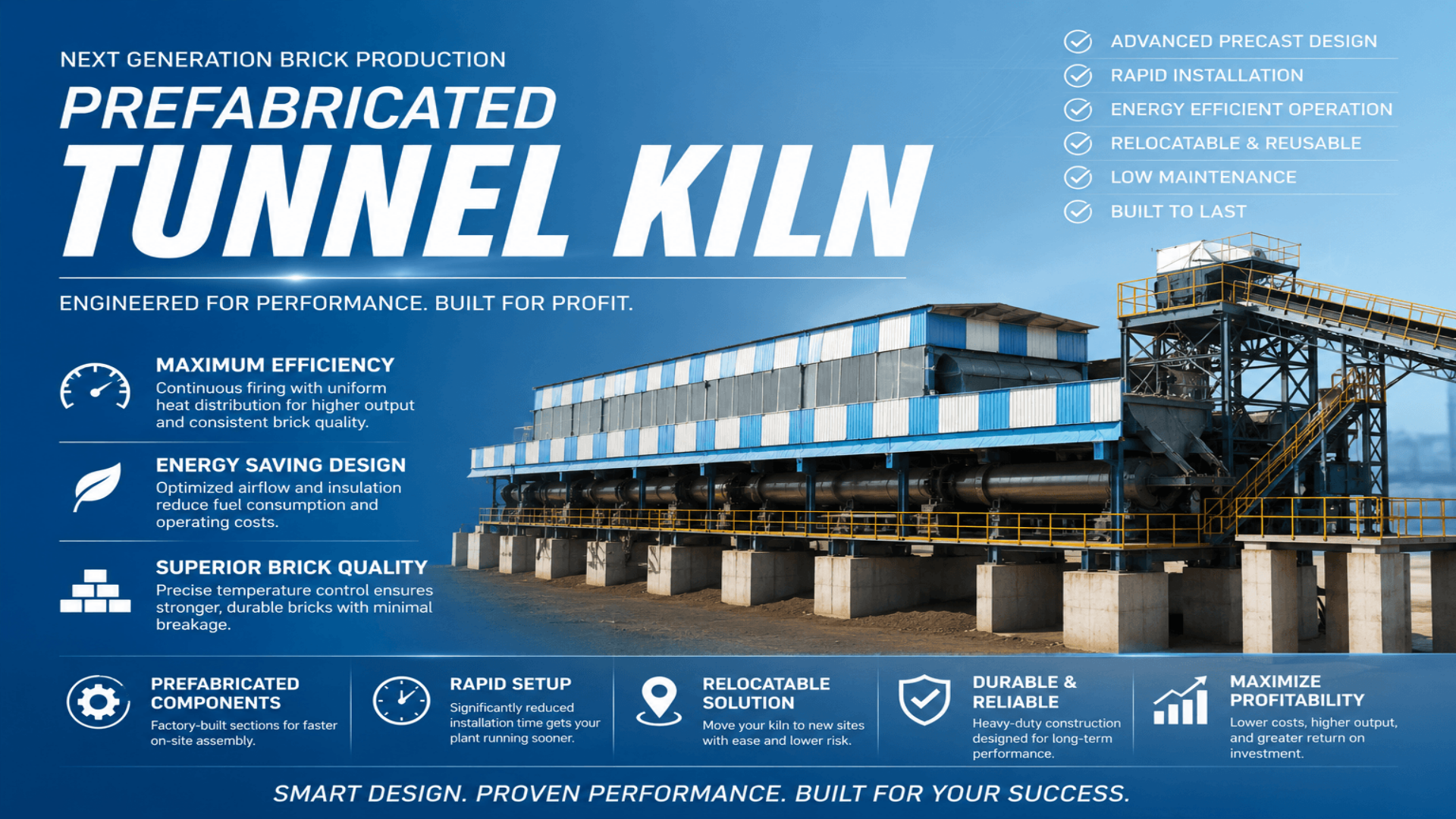
The brick manufacturing industry is undergoing a massive technological shift in 2026. Choosing the right tunnel kiln is now the most critical decision for factory owners. Traditional fixed kilns have served the industry for decades. However, new prefabricated and movable designs are challenging the old standards.
Modern brick production requires high efficiency and lower carbon emissions. Investors must weigh the benefits of permanent structures against flexible, modular systems. Understanding these differences helps in optimizing long-term operational costs. This guide explores the technical and financial aspects of both systems.
Key Differences Between Movable and Traditional Kilns
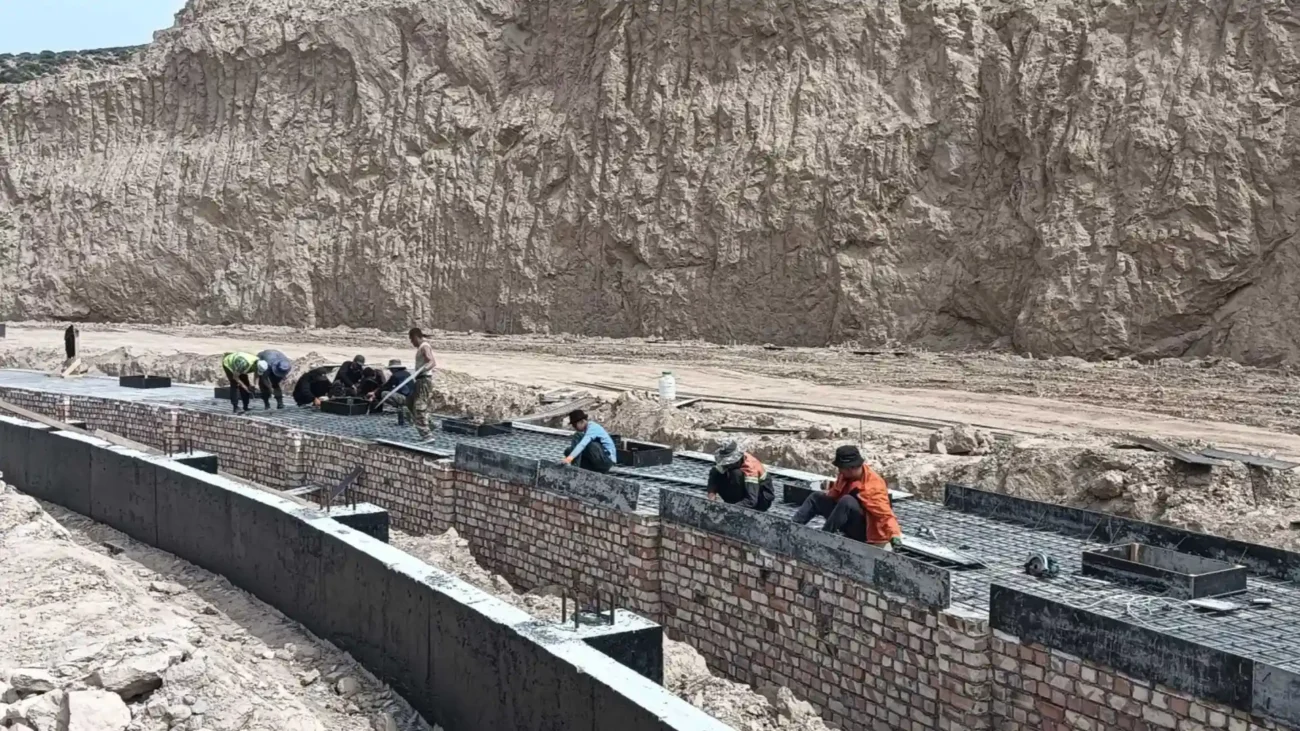
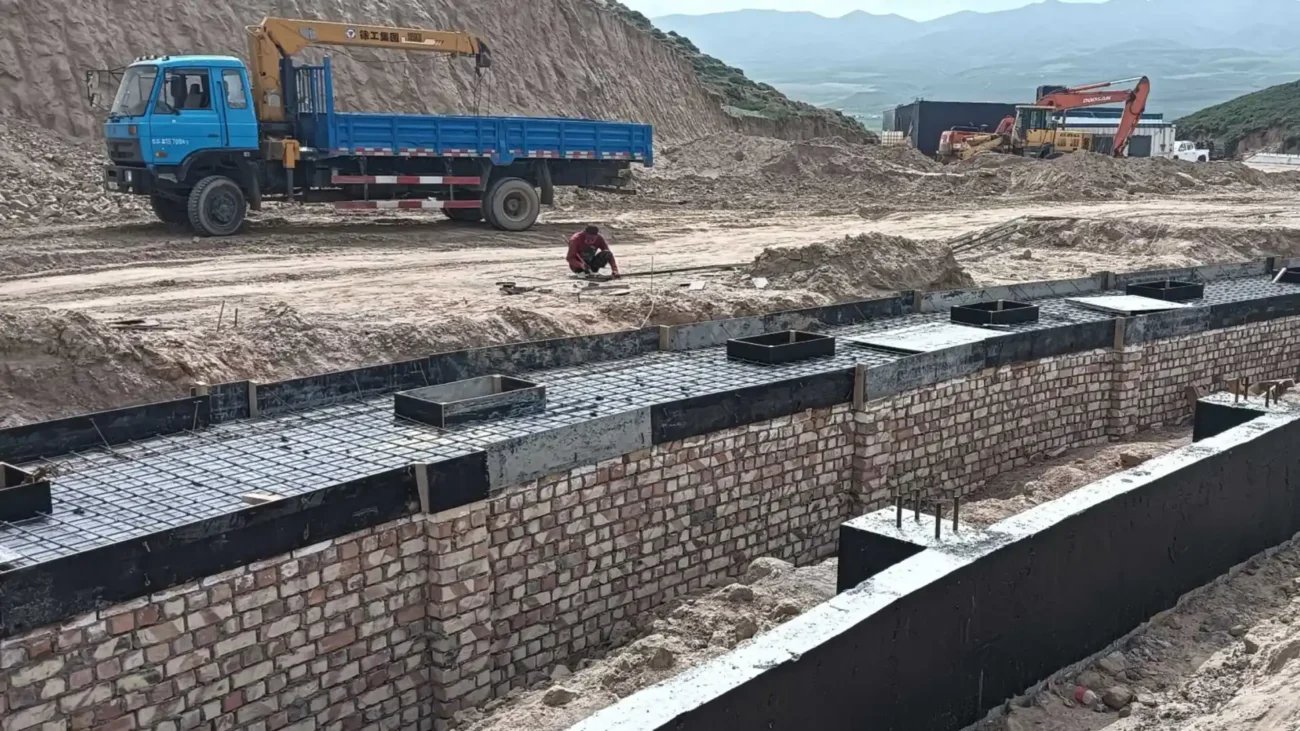
A traditional tunnel kiln is a permanent structure made of heavy masonry and firebricks. It requires a massive foundation and a long construction period on-site. In this setup, the bricks move through a stationary heated tunnel on kiln cars. This design is robust but lacks any flexibility once built.
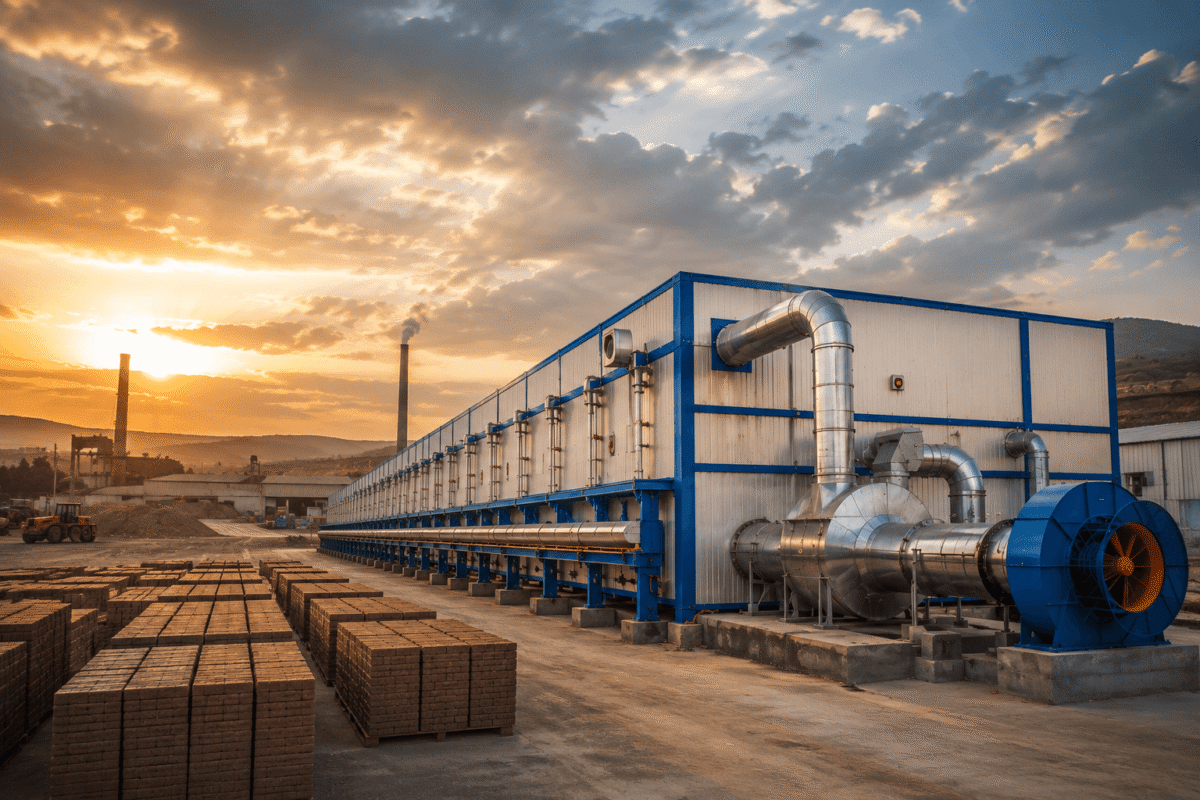
In contrast, a movable or prefabricated tunnel kiln uses a lightweight steel structure. The kiln body itself moves over static stacks of bricks placed on the ground. This eliminates the need for expensive kiln cars and complex track systems. Movable kilns offer significantly higher flexibility for modern factory layouts.
The construction methods differ greatly between these two technologies. Traditional kilns require hundreds of thousands of specialized firebricks laid by hand. Movable versions are manufactured in a factory and assembled on-site like Lego blocks. Prefabricated designs reduce on-site labor requirements by up to 70%.
| Feature | Traditional Tunnel Kiln | Movable Tunnel Kiln |
| Construction Time | 180 – 360 Days | 45 – 60 Days |
| Mobility | Permanent / Fixed | Relocatable / Modular |
| Kiln Cars | Required | Not Required |
| Initial Foundation | Deep and Expensive | Shallow and Simple |
| Automation Level | Medium | High |
Why Construction Speed Impacts Your ROI in 2026
Time is the most expensive factor in industrial projects today. Building a traditional tunnel kiln often takes six months to a full year. This long timeline delays production and slows down the return on investment. Traditional kiln projects are often prone to weather delays and labor shortages.
A movable tunnel kiln can be fully operational in less than two months. Since the components are prefabricated, assembly is fast and precise. This speed allows investors to start selling bricks and generating cash flow much sooner. Rapid deployment can improve the internal rate of return by 15% to 25%.
The modular nature of these systems also affects land use. If the clay source at a specific location is exhausted, a traditional kiln becomes a useless asset. A movable system can be disassembled and moved to a new site. The ability to relocate equipment protects your capital investment from raw material depletion.
Energy Efficiency and Environmental Performance
Energy costs represent the largest share of brick production expenses in 2026. Traditional kilns often suffer from heat loss through their thick masonry walls. Maintaining a consistent temperature requires a high volume of fuel, usually coal or gas. Older kiln designs can be inefficient due to poor sealing and insulation.
Modern movable tunnel kiln systems use advanced ceramic fiber insulation. This material has a lower heat capacity than traditional firebricks. It allows the kiln to reach operating temperatures faster and retain heat more effectively. Advanced insulation can reduce total fuel consumption by nearly 30%.
Automation plays a huge role in modern environmental compliance. Prefabricated kilns feature integrated sensors and computer controls for precise firing. This ensures that every brick is fired perfectly, reducing waste and cracked products. Better temperature control leads to a 98% first-grade product rate.
Comparing Labor and Maintenance Costs
Traditional kilns require a large team for both construction and daily operation. Managing kiln cars and tracks requires constant manual labor and mechanical upkeep. The tracks often warp under high heat, leading to frequent production stops. Maintenance for traditional track systems is a recurring and high expense.
Movable systems simplify the entire production flow. Because the kiln moves over the bricks, the mechanical stress on the structure is lower. There are no kiln cars to repair or replace every year. A movable tunnel kiln typically requires 50% fewer operational staff than a fixed kiln.
Repairing a traditional kiln often involves cooling down the entire structure for weeks. This leads to massive production losses during the maintenance window. Modular kilns allow for easier access to specific sections. Simplified maintenance schedules ensure higher annual uptime for the brick factory.
How to Determine Which Kiln Fits Your Business
Choosing between these two systems depends on your long-term business strategy. If you own the land and have a 30-year supply of clay, a traditional kiln is a stable choice. It offers a sense of permanence and can handle extremely high production volumes. Fixed kilns are suitable for massive, centralized industrial hubs.
However, if you need to start production quickly, a prefabricated tunnel kiln is the superior option. This technology is ideal for regions where labor costs are rising or construction expertise is limited. It allows for a “plug and play” approach to brick manufacturing. The modular design is perfect for scaling production up or down based on market demand.
Investors should also consider the residual value of the equipment. A traditional kiln has zero resale value as it cannot be moved. A movable tunnel kiln can be sold as a complete unit if the business pivots. High resale value makes movable kilns a lower-risk financial asset.
Summary
The choice between a movable and traditional tunnel kiln defines the future profitability of a brick plant. Traditional kilns offer durability but lack the speed and flexibility required in 2026. Movable kilns provide rapid setup, lower energy use, and the unique ability to relocate assets. Most modern investors now favor prefabricated solutions to maximize efficiency and minimize risk.
FAQ
What is the main advantage of a movable tunnel kiln?
The main advantage is the significantly shorter construction time and the ability to relocate the kiln. These kilns can be built in about 60 days, whereas traditional versions take over six months.
Is a tunnel kiln more efficient than a Hoffman kiln?
Yes, a tunnel kiln is far more efficient because it is a continuous firing process with better insulation. It produces higher-quality bricks with much lower labor and fuel costs.
Can a prefabricated tunnel kiln handle different fuel types?
Most modern systems are designed to be multi-fuel capable. They can typically run on coal, natural gas, or biomass depending on local availability and price.
Does a movable kiln produce the same quality as a fixed one?
The quality is often better in a movable kiln due to advanced automation. Precise computer controls ensure uniform heating, which results in more consistent brick strength and color.
What is the lifespan of a modern tunnel kiln in 2026?
A well-maintained kiln can last for 20 to 30 years. While the steel structure of a movable kiln is durable, the internal insulation may need minor updates every 5 to 10 years.
Reference Sources
The Brick Industry Association:https://www.gobrick.com
International Energy Agency (Industrial Efficiency Reports):https://www.iea.org
European Ceramic Industry Association:https://www.cerame-unie.eu
Journal of Cleaner Production:https://www.sciencedirect.com
National Institute of Standards and Technology (Manufacturing Portal):https://www.nist.gov