
Rotary Kiln Troubleshooting: Solving 7 Common Operational Issues

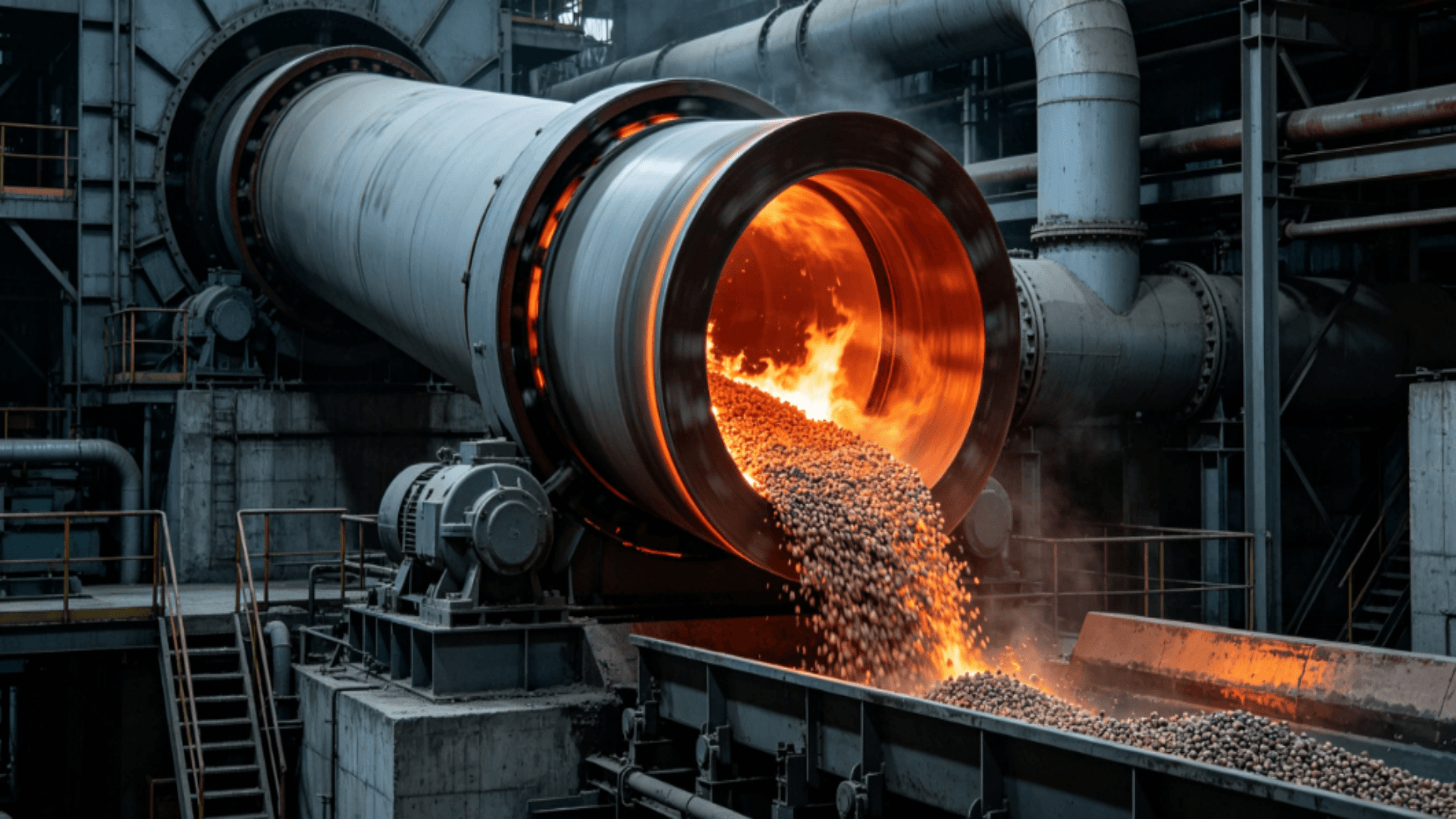
A rotary kiln is the thermal heart of many industrial processes, from cement production to chemical processing. When this “heart” experiences a flutter—be it through mechanical vibration or process instability—the financial impact of downtime can exceed tens of thousands of dollars per hour.
Effective kiln troubleshooting requires a dual perspective: understanding the mechanical physics of a rotating mass and the chemical thermodynamics occurring within it. Whether you are operating a lime kiln or a hazardous waste incinerator, most failures stem from a predictable set of variables.
1. Refractory Lining Failure and Hot Spots
Refractory bricks are the only barrier protecting the kiln shell from temperatures exceeding 1,500°C. Refractory failure is often the primary cause of unscheduled shutdowns.
Common Symptoms:
- Visible “hot spots” on the external shell (detected via infrared thermography).
- Reddening of the kiln shell.
- Excessive debris in the discharge housing.
Root Causes:
The primary culprit is often thermal shock caused by rapid heating or cooling cycles. Additionally, chemical “attacks” occur when the material being processed reacts with the brick chemistry, causing spalling. Mechanical stress from kiln shell deformation (ovality) can also crush bricks during rotation.
Troubleshooting Steps:
- Monitor Shell Temperature: Use a continuous infrared scanner to map the thermal profile of the kiln.
- Evaluate Material Chemistry: Ensure the refractory type (e.g., High Alumina vs. Magnesite) matches the alkalinity of your feed material.
- Check Shell Ovality: Excessive “flexing” of the shell during rotation indicates a need for mechanical adjustment rather than just new bricks.
2. The Phenomenon of “Ringing” (Accretion)
Ringing occurs when material adheres to the refractory surface, forming a restrictive “donut” that hinders the flow of material and gases.
Types of Rings:
- Clinker Rings: Formed in the burning zone due to excessive liquid phase in the material.
- Sulfate/Alkali Rings: Formed in cooler zones due to the condensation of volatile elements.
Impact on Operation:
Rings create a pressure drop within the kiln, forcing the induced draft (ID) fan to work harder. They also reduce the effective volume of the kiln, leading to “surging” where material suddenly rushes past the ring, causing thermal instability at the discharge.
Troubleshooting Strategy:
Adjust the fuel-to-air ratio. Often, a “long, lazy flame” creates a wider heat zone that encourages ring formation. Shortening the flame and adjusting the secondary air can often “burn out” a ring without a shutdown.
3. Mechanical Misalignment and Vibration
A rotary kiln weighing hundreds of tons must rotate on a precise axis. Even a few millimeters of misalignment can lead to catastrophic component failure.
Symptoms of Misalignment:
- Pitting and Galling: Surface damage on the tires (riding rings) and rollers (trunnions).
- Axial Thrust Issues: The kiln “walks” too hard against the thrust rollers.
- Vibration: High-frequency vibration often points to gear/pinion mesh issues.
Technical Fix:
Precision alignment should be performed using laser trackers or total stations while the kiln is at operating temperature (“hot alignment”). Adjusting the “skew” of the rollers can redistribute the axial load, ensuring the kiln floats between the upper and lower thrust limits.
4. Seal Leaks and Excessive “False Air”
Rotary kilns require airtight seals at the inlet (feed end) and outlet (discharge end). Because the kiln expands significantly when heated, these seals must be flexible yet robust.
The Problem with False Air:
If seals fail, ambient air is sucked into the kiln. This “false air” cools the process, requiring more fuel to maintain temperature. It also increases the volume of exhaust gas, overloading the baghouse or electrostatic precipitator.
Refining Seal Performance:
Modern kilns, such as those engineered by Yaxin Kiln, utilize advanced graphite block or lamella seal designs. These systems automatically compensate for kiln “run-out” (wobble), maintaining a tighter fit than older pneumatic or spring-loaded seals.
5. Drive System and Girth Gear Wear
The girth gear and pinion transmit the torque necessary to rotate the kiln. Because these are open-gear systems, they are vulnerable to dust and temperature fluctuations.
Signs of Trouble:
- Scuffed Tooth Profiles: Indicates poor lubrication or incorrect gear backlash.
- Cyclic Noise: A “thumping” sound once per revolution suggests the girth gear has gone “out of round” or the kiln shell has warped.
Maintenance Logic:
Implement a rigorous lubrication schedule using high-viscosity molybdenum-disulfide lubricants. Regular vibration analysis on the gearbox and motor can identify bearing wear before it leads to a seized drive train.
6. Critical Technical Specifications for Troubleshooting
When performing kiln troubleshooting, refer to the following industrial benchmarks to determine if your equipment is operating within safe tolerances:
| Parameter | Typical Industrial Limit | Consequences of Deviation |
| Shell Ovality | < 0.1% of Kiln Diameter | Refractory crushing/spalling |
| Shell Temperature | 200°C – 420°C (Non-burning zone) | Shell warping / structural loss |
| Tire/Roller Contact | > 80% surface contact | High Hertzian stress; pitting |
| Exhaust Oxygen | 1.5% – 3.0% | Fuel waste (high O2) or CO risk (low O2) |
7. Feed and Discharge Surging
Irregular material flow—often called “flushing”—can cause the kiln to become “slugged.” This usually happens when fine, dry powder becomes aerated and flows like a liquid through the kiln.
Solution:
Check the feed screw speed and the angle of the feed pipe. Improving the “dam” height at the discharge end can also help maintain a consistent bed depth, ensuring uniform heat transfer and preventing “rushing” material.
Engineering Best Practices for Longevity
Troubleshooting is reactive; reliability is proactive. To minimize the problems listed above, industrial operators should focus on:
- Thermal Imaging: Weekly scans of the entire kiln length.
- Lubricant Analysis: Monthly testing of gearbox oils for metal shavings.
- Shell Circularity Checks: Annual measurement of the kiln’s “roundness” to prevent refractory damage.
By integrating robust equipment design—such as the heavy-duty structural engineering found in Yaxin’s rotary kiln systems—with a data-driven maintenance approach, plants can extend their “mean time between failures” (MTBF) from months to years.
FAQ
Q: How often should a rotary kiln be aligned?
A: A “hot alignment” check is recommended every 12 to 18 months, or immediately following any major refractory replacement or component change (like a roller or tire).
Q: What is the most common cause of a kiln “hot spot”?
A: Most hot spots are caused by a “fallen brick.” This is usually due to mechanical pinching from shell ovality or excessive thermal expansion that hasn’t been accounted for in the expansion joints of the refractory.
Q: Can a kiln be operated with a minor seal leak?
A: While it can run, it is highly inefficient. A leak of just 5% false air can increase fuel consumption by nearly 10% and significantly reduce the capacity of your ID fan.
Q: What causes the kiln shell to warp (banana effect)?
A: Warping typically occurs during a sudden stop while the kiln is hot. If the kiln is not kept rotating (using the auxiliary drive/inching motor) during a power failure, the bottom half cools slower than the top, causing the shell to bow.
Reference Sources
ASTM C401: Standard Classification of Alumina and Alumina-Silicate Castable Refractories.
IEEE Industry Applications Society: Standards for Large Motor and Drive Systems in Cement Manufacturing.
The Rotary Kiln (2nd Edition): By Akwasi A. Boateng – Technical fundamentals on thermal processing and mechanical constraints.
International Cement Review: Technical whitepapers on pyro-processing and kiln shell maintenance.