
How Patented Kiln Designs Maximize Thermal Efficiency

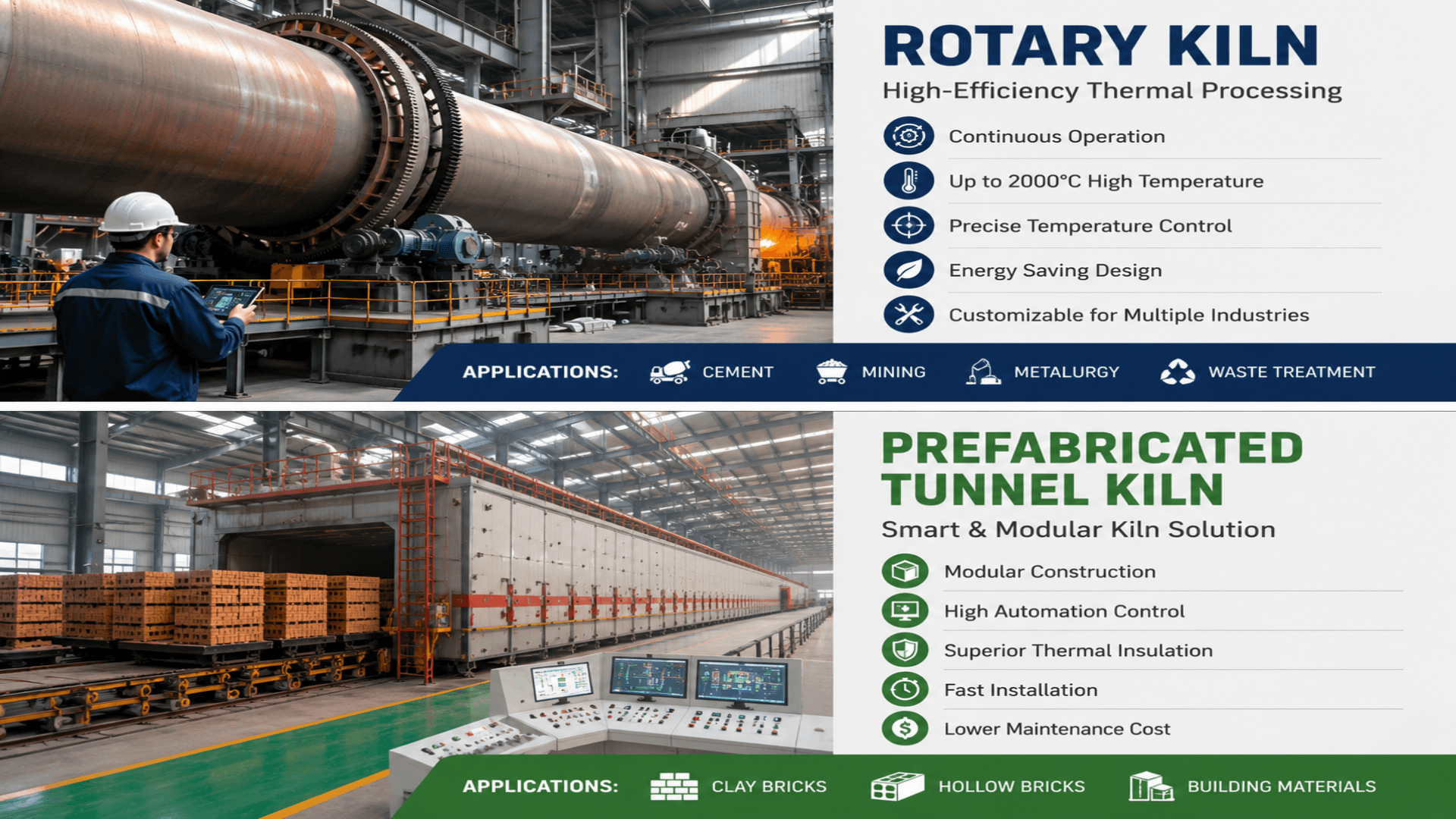
Industrial thermal processing consumes a significant portion of global manufacturing energy. As engineers and kiln designers, we recognize that standard heating equipment often suffers from massive heat loss through the shell and exhaust. High efficiency kiln designs solve these challenges by integrating patented thermodynamics and material science to optimize heat retention.
Our focus at Yaxin Kiln is on reducing the carbon footprint of heavy industry while increasing throughput. By re-engineering the internal architecture of the kiln, we allow manufacturers to achieve precise calcination temperatures with significantly less fuel. These advancements are not merely incremental; they represent a fundamental shift in how heat is managed in high-volume production.
What defines a high efficiency kiln in modern manufacturing?
A high efficiency kiln is defined by its ability to maintain a stable thermal gradient while minimizing waste. Traditional kilns often lose heat through “thermal bridging” and inefficient airflow patterns. Patented designs address these issues by using advanced refractory linings and internal flighting that ensures uniform material exposure.
We prioritize the “Three Rs” of thermal engineering: Retention, Recovery, and Recycling. In our systems, heat from the cooling zone is redirected back to the preheating zone. This circular heat flow significantly reduces the energy required to reach the target processing temperature.
Efficiency is also measured by the kiln’s responsiveness to automated controls. Modern systems use sensor arrays to monitor internal atmospheric pressure and oxygen levels in real-time. This precision prevents over-firing, which saves energy and protects the integrity of the processed material.
How do patented geometries improve heat transfer?
The physical shape and internal configuration of a kiln dictate how energy interacts with the raw material. In a standard rotary system, material often slides along the bottom, leading to uneven heating. We integrate patented internal “lifters” and flighting designs that create a cascading effect.
This motion, known as the “curtain effect,” ensures that every particle is exposed to the hot gas stream. By increasing the surface area contact between the gas and the material, our designs shorten the required residence time. Shorter processing times directly correlate to lower fuel consumption per ton of output.
Furthermore, we utilize high-performance refractory materials that provide superior insulation without adding excessive weight. These materials have a low thermal conductivity rating. This ensures that the heat stays focused on the material bed rather than escaping through the kiln shell.
Comparing efficiency models: Rotary vs. Tunnel Kilns
Selecting the right kiln depends on the material type and the required production volume. Both rotary kilns and prefabricated tunnel kilns offer unique efficiency advantages when designed with patented technology.
| Feature | Patented Rotary Kiln | Prefabricated Tunnel Kiln |
| Primary Application | Cement, Lime, Calcination | Bricks, Ceramics, Refractories |
| Heat Distribution | Dynamic cascading material bed | Static car-loading with cross-flow |
| Efficiency Focus | Exhaust gas heat recovery | Modular insulation & fast sealing |
| Installation | On-site assembly of heavy shells | Modular prefabricated sections |
| Control Logic | Variable speed drive & burner modulation | Multi-zone temperature PID control |
Our rotary designs are ideal for continuous chemical reactions where agitation is necessary. Conversely, our tunnel kilns excel in energy-saving for structural ceramics. The modular nature of our prefabricated tunnel kilns prevents the thermal leaks commonly found in traditionally built masonry kilns.
Why are prefabricated modules essential for thermal integrity?
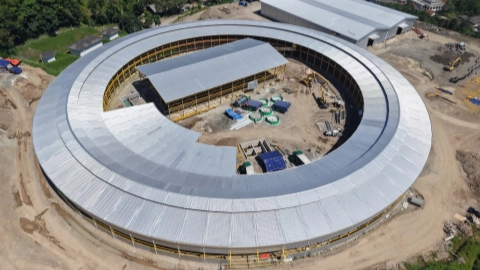
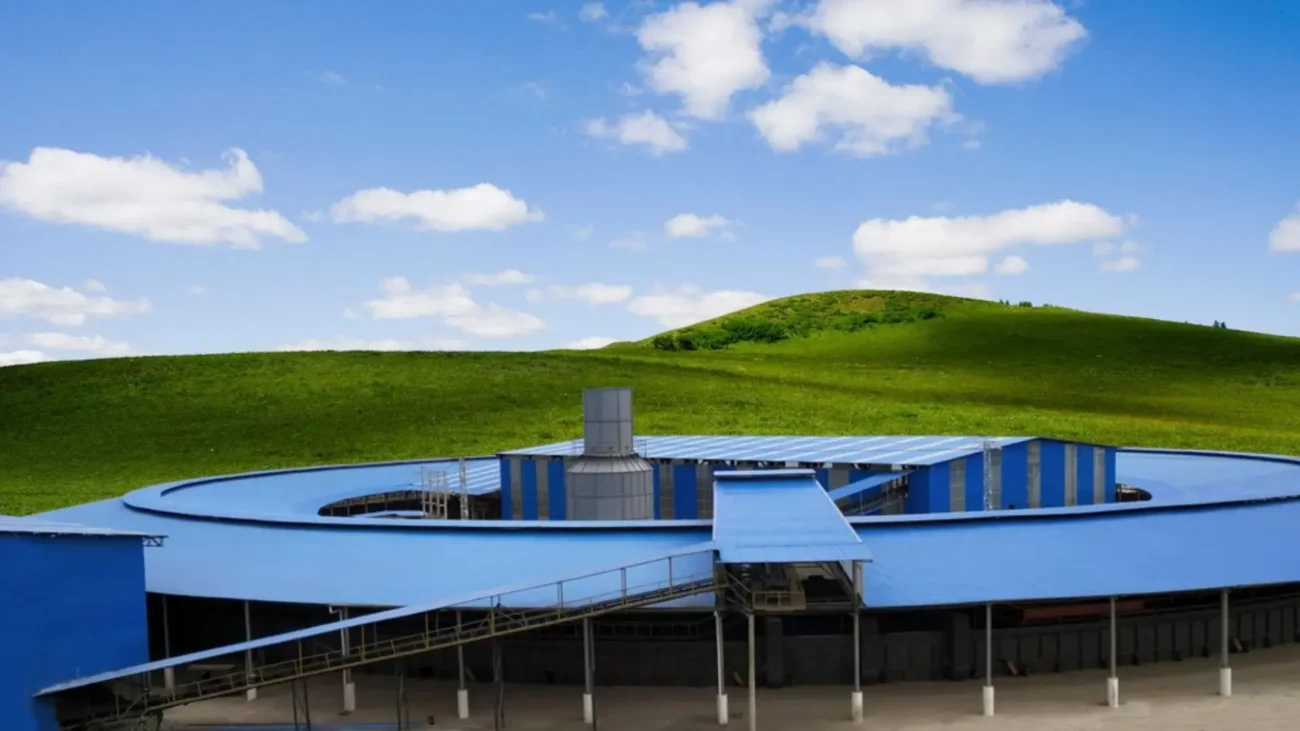
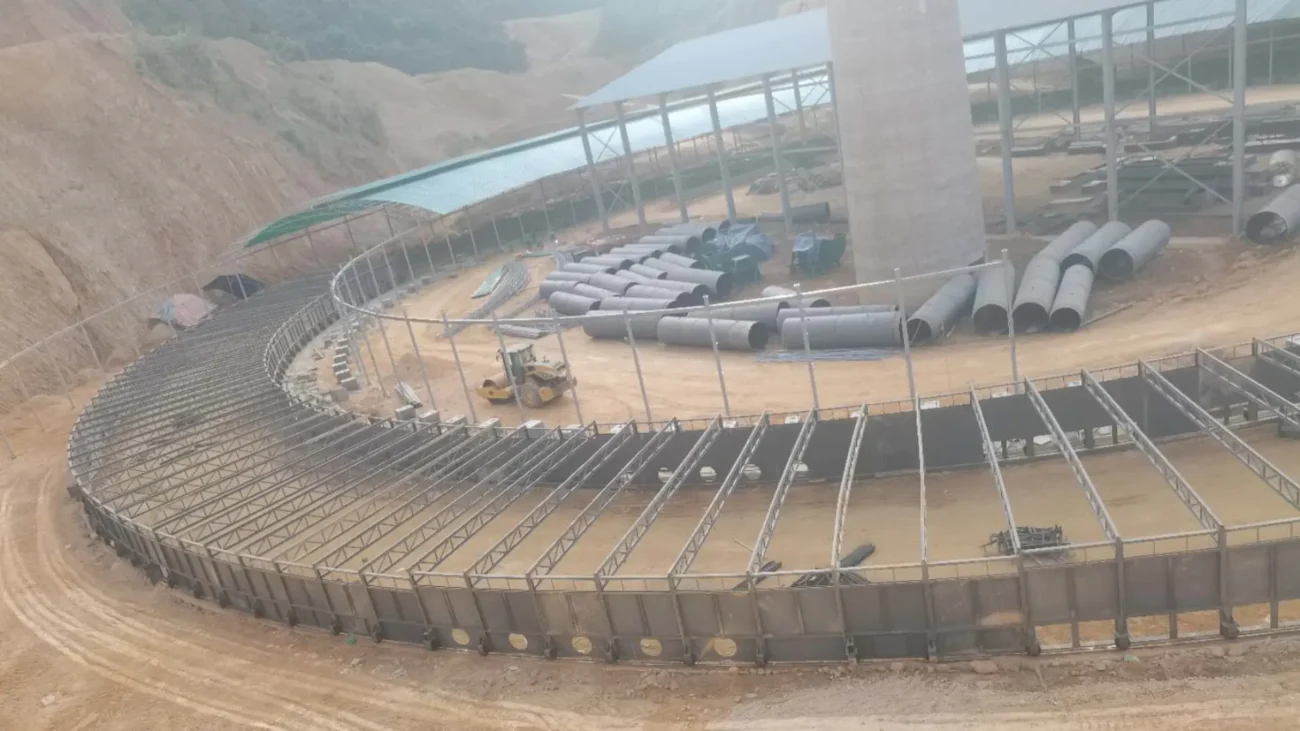
Traditional kilns built on-site are often subject to construction inconsistencies that lead to “cold spots.” We have addressed this by developing prefabricated tunnel kilns that are manufactured in a controlled factory environment. This ensures that every insulation joint is perfectly sealed.
The precision of prefabrication allows us to use tighter tolerances for kiln car seals. When a kiln car moves through the tunnel, air leakage at the base can ruin the thermal profile. Our patented sealing mechanisms prevent cold air from entering the combustion zone.
These modular systems also allow for faster heat-up and cool-down cycles. Because the materials used in our prefabricated sections have low thermal mass, they do not “soak up” unnecessary energy. Instead, the energy is directed entirely toward the product being fired.
How do patented drive systems contribute to overall efficiency?
Efficiency is not limited to thermal energy; mechanical energy consumption also plays a critical role. In our rotary kiln designs, we use high-efficiency drive systems that reduce electrical load. These systems utilize variable frequency drives (VFDs) to match the rotation speed to the material load.
Standard kilns often run at a fixed speed, which wastes electricity during periods of lower throughput. Our patented drive configurations minimize friction and mechanical wear. This reduces downtime and extends the lifespan of the kiln’s mechanical components.
We also incorporate advanced burner technology that allows for multi-fuel flexibility. Our burners are designed to achieve a perfect stoichiometric ratio. This ensures complete combustion, preventing fuel waste and reducing harmful emissions such as NOx and SOx.
How does the kiln atmosphere affect processing quality?
A high efficiency kiln must maintain a precise chemical atmosphere to ensure product quality. Whether it is an oxidizing or reducing atmosphere, the kiln must be airtight. We utilize patented mechanical seals at both the feed and discharge ends of our kilns.
These seals are designed to handle the thermal expansion that occurs during operation. In typical kilns, gaps can open as the metal expands, leading to oxygen infiltration. Our seals maintain a constant pressure, ensuring the atmosphere remains stable throughout the firing cycle.
By stabilizing the atmosphere, we reduce the number of rejected products. High yields are a critical component of manufacturing efficiency. Every “scrap” item represents wasted energy, so our designs focus on 100% consistency in every batch.
FAQ
Q1: What is the primary benefit of a high efficiency kiln?
A:The primary benefit is a significant reduction in fuel consumption and operational costs while maintaining high product consistency through better thermal control.
Q2: How does a rotary kiln recover heat?
A:We design heat exchangers that capture the hot exhaust gases and use them to preheat the incoming raw material, reducing the energy needed for calcination.
Q3: Can a prefabricated tunnel kiln be expanded later?
A:Yes, our modular design allows for the addition of extra sections, providing manufacturers the flexibility to scale production without replacing the entire system.
Q4: Why is insulation thickness not the only factor in efficiency?
A:While thickness matters, the thermal conductivity and the quality of the joints (to prevent thermal bridging) are more critical for long-term energy savings.
Q5: How do patented seals improve kiln performance?
A:They prevent unwanted air from entering or escaping the kiln, which stabilizes the internal temperature and protects the chemical atmosphere required for the process.
Reference Sources
Industrial Heating Equipment Association (IHEA) Energy Efficiency
https://www.ihea.org/
ASTM C113 – Standard Test Method for Reheat Change of Refractory Brick
https://www.astm.org/c0113-14r19.html