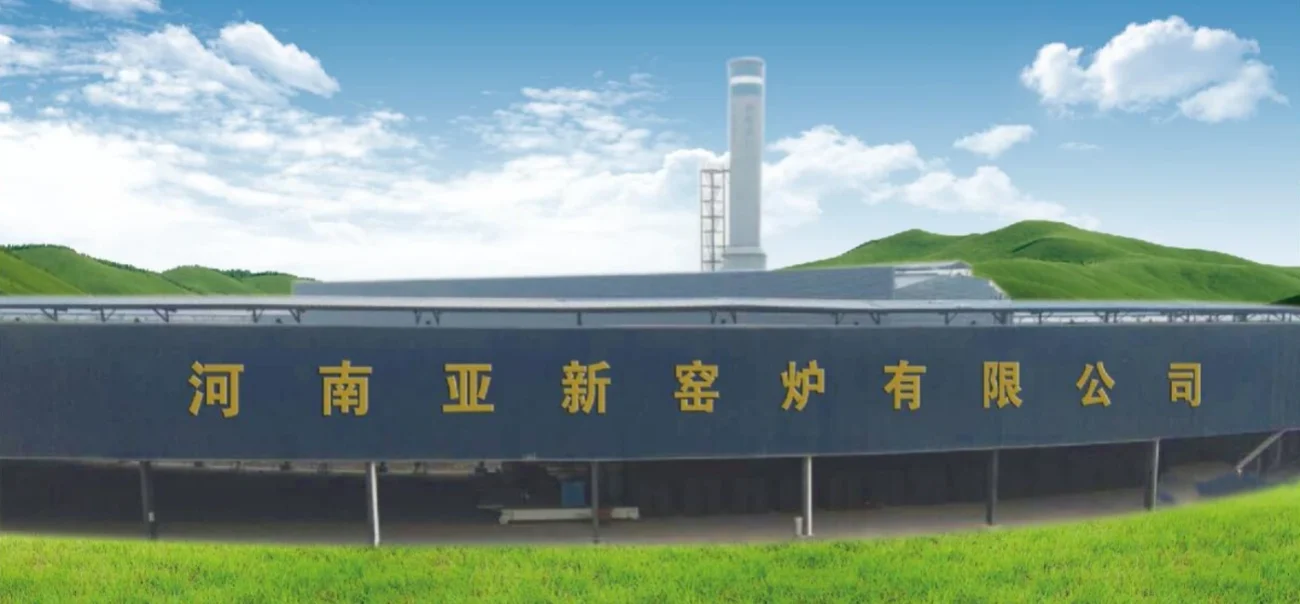
How to Choose Tunnel Kiln Wisely

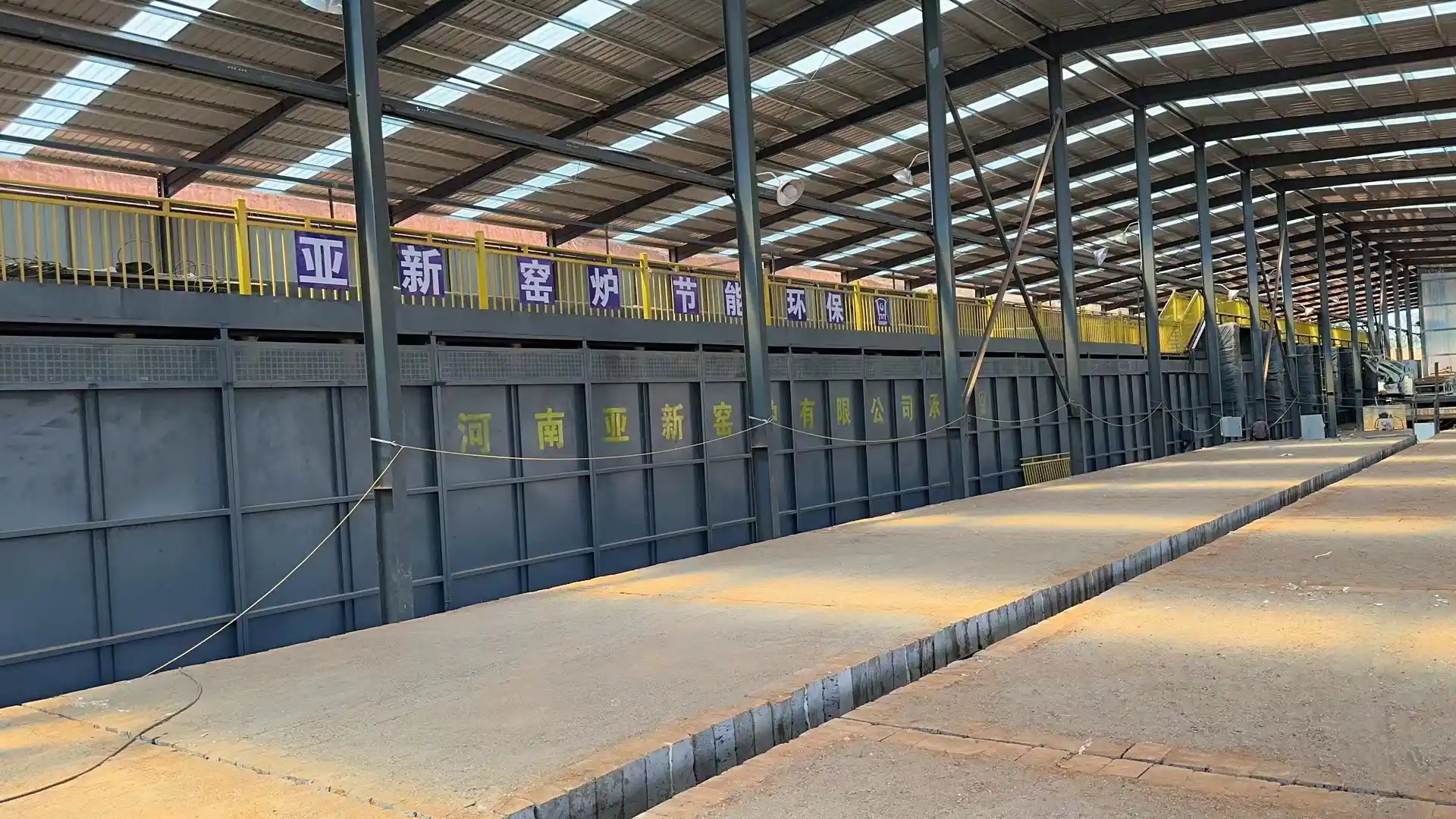
Knowing how to choose tunnel kiln equipment can be the difference between a firing line that locks in profit for 20 years and one that becomes a constant drain on fuel, labor, and patience. Too many buyers fixate on the sticker price and forget that a tunnel kiln is not a single machine—it is a complete thermal system where every design decision compounds across millions of bricks.
Start With Your Raw Material, Not the Catalogue
The biggest mistake in any tunnel kiln selection process is picking a model first and worrying about feedstock later. The moisture content, particle size, and chemical makeup of your material dictate everything downstream.
If you plan to fire construction waste, urban sludge, industrial tailings, coal gangue, or other solid waste streams, you need a system designed for high-moisture feedstock from day one. A new rapid drying system—with a double-door design that captures heat and waste heat from the roasting kiln—can solve the production difficulties that high-moisture raw materials typically create. Without it, even the most expensive kiln will bottleneck at the dryer.
Before requesting a quote, prepare a representative sample of your raw material and document its average moisture content. Any serious supplier will want this data before proposing a configuration.
Match the Cross-Section to Your True Daily Output
Capacity is where most buyers either overspend or under-spec. A large cross-section, modular kiln body can be configured as double, three, four, or five assembly types—each with several kiln car tracks for synchronous drying and roasting. For reference, Yaxin’s systems span from 100,000 to 700,000+ standard bricks per day, with the 17.3 m ultra-large cross-section representing the top of that range.
When learning how to choose tunnel kiln dimensions, consider:
- Your current daily demand in standard brick equivalents
- Headroom for expansion over the next 5–10 years
- Site footprint limitations that may cap the cross-section width
- Single large kiln vs. multiple smaller units for redundancy
A wider cross-section improves heat utilization per unit and reduces per-brick energy consumption, but only if your site and feedstock can sustain continuous full-load operation.
Insist on Measurable Heat Retention Numbers
This is where marketing language often hides the truth. Ask every supplier for a direct comparison: under identical wall surface temperature, what percentage of heat dissipates through your kiln wall versus an ordinary brick-laid wall?
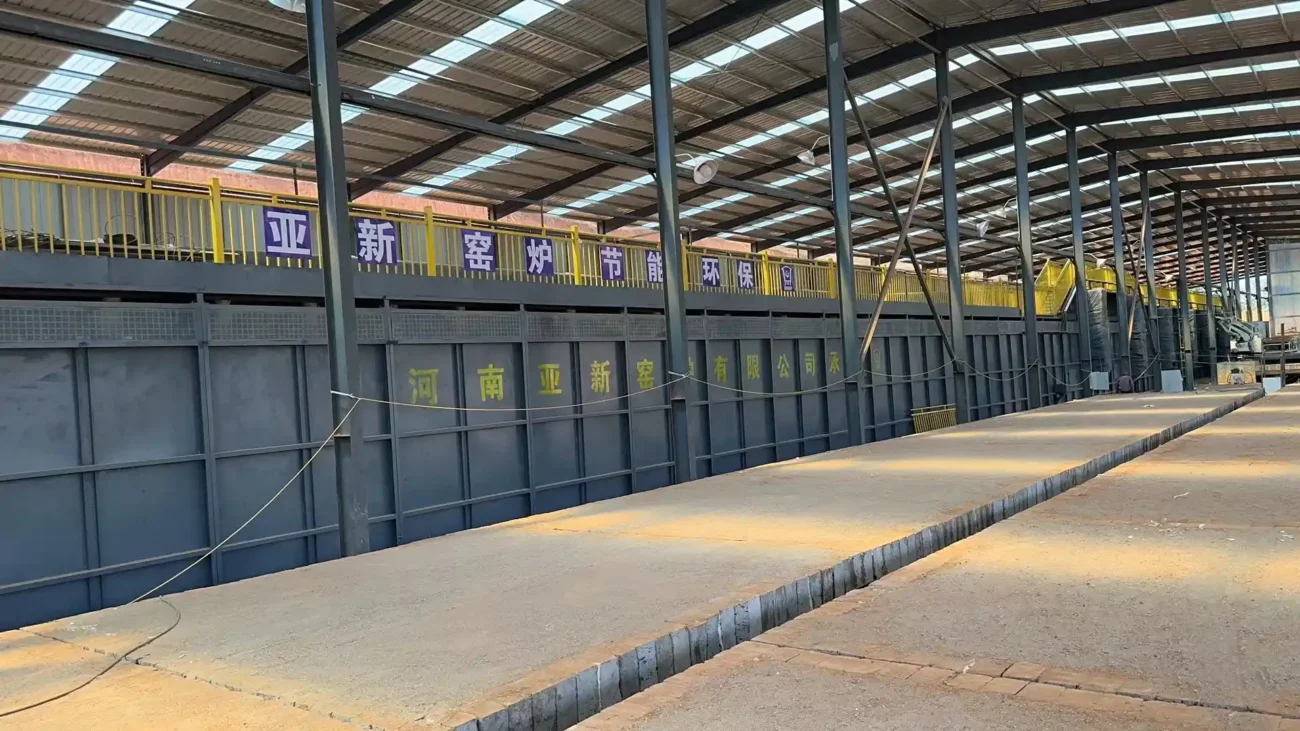
A prefabricated tunnel kiln built from standardized, factory-assembled modules delivers a wall heat dissipation of only 24.3% of an ordinary tunnel kiln wall. That single number explains more about your lifetime fuel bill than any brochure claim.
Why the gap? An ordinary kiln is constructed by workers laying refractory bricks by hand—every joint is a potential leak. A prefabricated system uses standard molds and identical technical specifications to produce matching components in a factory, then processes the gap between two standard components in a unified way. The result is verifiable sealing performance on the wall and roof.
Evaluate the Fuel System for Flexibility, Not Just Current Cost
Fuel prices shift. Environmental rules tighten. Your ideal how to choose tunnel kiln decision today must survive both.
A multiple fuel combustion coexistence system in the firing zone allows you to burn solid, liquid, and gas fuels—or adjust their ratios—without changing the kiln’s structure. An ordinary tunnel kiln is difficult to modify and has poor combustion stability when you attempt a conversion. A prefabricated design converts easily between fuel types or blends, protecting your plant when local fuel economics change.
This flexibility also matters for emission compliance. A flue gas reburning system sends high-oxygen flue gas to the cooling and insulation section for oxygen supply and refiring, then delivers the high-temperature flue gas to a purification system. The secondary utilization reduces both the processing load and the oxygen content of emissions—helping you hit discharge standards without bolt-on treatment systems.
Don’t Underestimate the Build Timeline
Construction labor is often the hidden cost that blows up budgets. Compare the two approaches on your actual site:
| Factor | Ordinary Tunnel Kiln | Prefabricated Tunnel Kiln |
|---|---|---|
| Construction workers | ~50 | ~20 |
| Build duration | 70–80 days | 30–40 days |
| Skilled labor needed | High | Fraction of conventional |
| Structural material use | Baseline | 30–40% more |
| Above-ground speed | Slow | Fast |
Yes, the prefabricated route uses more structural material upfront. But the trade-off is better materials, a sturdier steel-based structure, and dramatically lower lifetime maintenance. And because it is fully detachable, damaged components can be removed and replaced individually—without halting production. An ordinary kiln, once built, cannot be moved, dismantled, or rebuilt elsewhere, and wall damage means production stops until the kiln cools.
Look for Digital Control, Not Just “Automation.”
“Fully automatic” appears in nearly every supplier’s pitch. What you actually want is digital roasting control: 5G technology paired with a central control room that drives the firing process and reduces the impact of human factors. The calcining kiln’s double-gate design stabilizes internal airflow as the kiln car moves through preheating, calcining, insulation, and cooling.
When evaluating how to choose tunnel kiln control systems, ask:
- Can the firing curve be adjusted remotely and logged for quality traceability?
- Does the system reduce dependence on operator experience?
- Are temperature zones independently controllable across the cross-section?
- Is there a clear upgrade path as control technology evolves?
Weigh Supplier Capability Beyond the Price Tag
A tunnel kiln is a multi-decade asset. The right engineering partner provides more than equipment—they deliver:
- Site consultation that assesses your local conditions before any design work
- Custom engineering tailored to your raw material and capacity, not a modified standard model
- Precision manufacturing and international logistics to your project site
- On-site assembly and commissioning by experienced engineers
- Ongoing training and 24/7 technical support for your local staff
With 11+ landmark projects spanning China, Uzbekistan, Vietnam, Kyrgyzstan, Indonesia, Laos, and Zimbabwe, and a portfolio reaching 700,000+ bricks/day, the track record of a supplier matters as much as the steel specification. When you’re figuring out how to choose a tunnel kiln for your plant, a partner with proven delivery across diverse climates—from the cold of Bishkek to the humidity of Jakarta—reduces your commissioning risk substantially.
Bringing It All Together
The right answer to how to choose a tunnel kiln is never a single parameter. It is the intersection of your raw material profile, true daily capacity needs, measurable heat retention, fuel flexibility, build speed, digital control depth, and supplier track record. A prefabricated, modular, large cross-section design checks most of these boxes simultaneously—and the earlier you engage a qualified engineering team, the more your final configuration will match your actual site rather than a catalogue default.
If you are planning a new firing line or replacing an aging kiln, we invite you to explore the full prefabricated tunnel kiln specifications and configuration options at https://yaxinkiln.co.za/prefabricated-tunnel-kiln/. Share your raw material characteristics, target daily output, and site conditions with our team, and we will help you determine the most suitable assembly type and fuel system for your plant—so your investment in a tunnel kiln pays back faster and lasts longer.