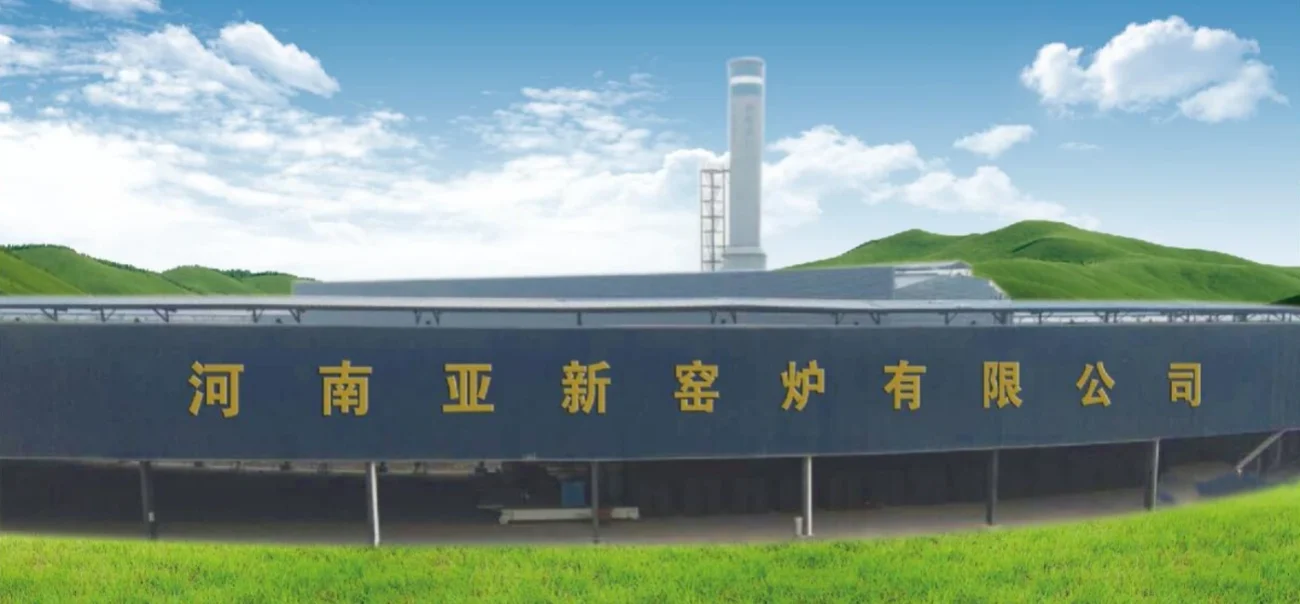
Why an Energy-Efficient Rotary Tunnel Kiln Pays for Itself

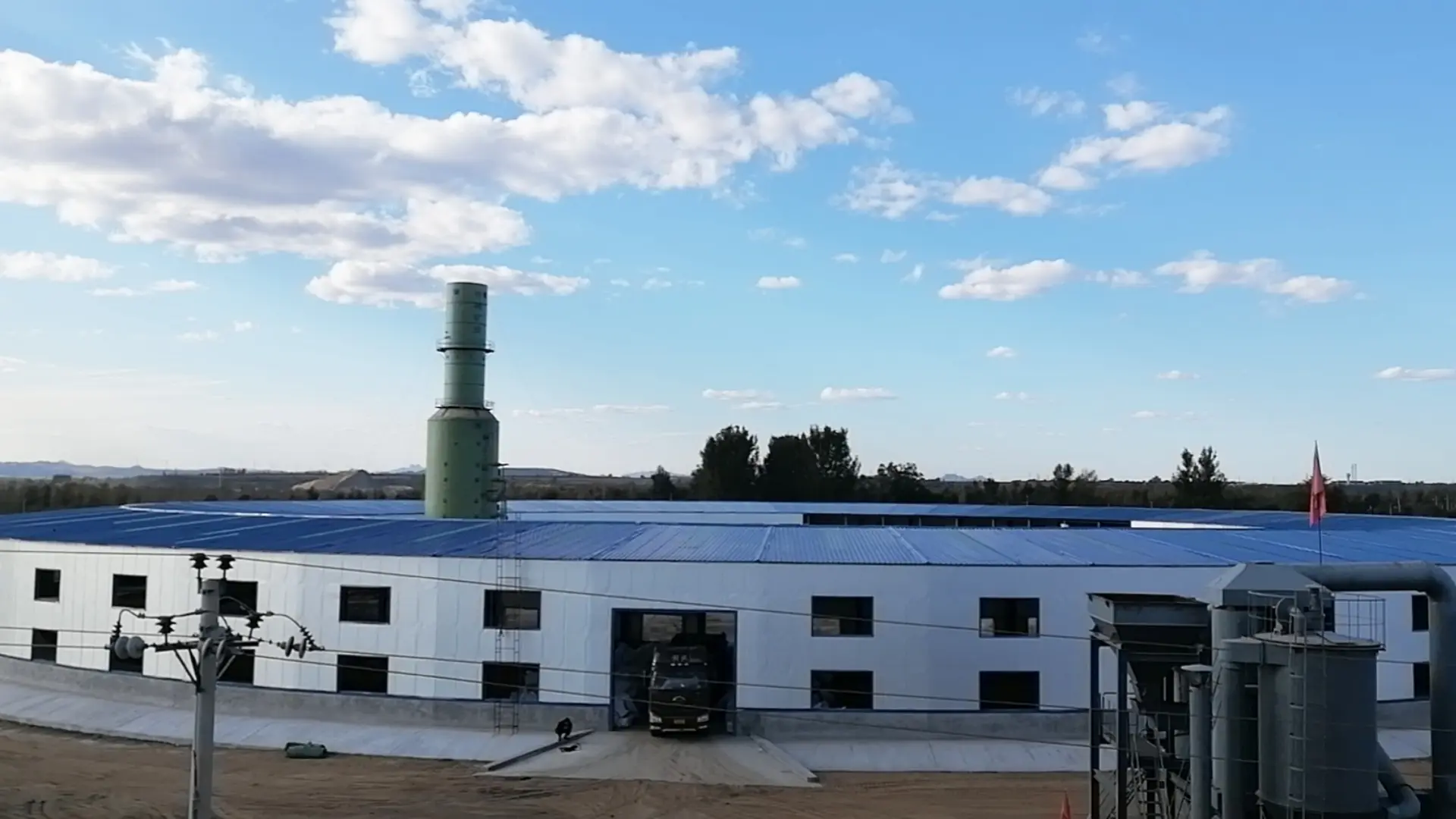
An energy-efficient rotary tunnel kiln is no longer a luxury for brick and wall-material producers—it has become the dividing line between plants that stay profitable and those that struggle with fuel bills. If your site handles construction waste, coal gangue, urban sludge, or industrial tailings, the right firing system can turn a high-cost process into a repeatable, low-waste production line.
The Hidden Cost of an Outdated Firing System
Most operators underestimate how much heat escapes through poorly sealed kiln walls. A conventionally built tunnel kiln relies on workers laying refractory bricks by hand; every joint is a potential leak. The result is uneven temperature, excessive fuel consumption, and maintenance downtime that forces production stops.
This is exactly where a prefabricated tunnel kiln changes the equation. Built from standardized, factory-assembled modules, it delivers a level of sealing and thermal stability that on-site masonry simply cannot match.
What Makes a Prefabricated Tunnel Kiln Genuinely Efficient
1. Air-Tight Assembly, Not Site Masonry
Instead of laying bricks on site, the prefabricated system uses standard molds and identical technical specifications to produce matching components in a factory. Each module has precise dimensions and uniform quality. When two standard components are joined, the gap is processed in a unified way—guaranteeing the sealing performance of the kiln wall and roof.
This matters because, under the same wall surface temperature, the heat dissipation of a prefabricated tunnel kiln wall is only 24.3% of that of an ordinary tunnel kiln wall. Better insulation means less fuel burned to hold the target temperature.
2. Double-Sealing and Large Cross-Section Design
The kiln adopts a double-sealing design that eliminates the need for multiple side kiln walls, cutting the heat consumption of each side wall by 8%. Its large cross-section, industrialized, and modular body can be configured as double, three, four, or five assembly types—each with several kiln car tracks for synchronous drying and roasting.
3. Flue Gas Reburning for Lower Emissions
A flue gas reburning system sends high-oxygen flue gas to the cooling and insulation section for oxygen supply and refiring. The discharged high-temperature flue gas is then delivered to a purification system. This secondary utilization reduces both the processing load and the oxygen content of emissions, helping your plant meet discharge standards without adding a separate treatment line.
4. Rapid Drying for High-Moisture Raw Materials
A new rapid drying system solves the production difficulties associated with high-moisture-content raw materials. The drying kiln’s double-door design captures heat and waste heat from the roasting kiln for further dehydration—so even challenging feedstock like sludge or wet construction waste can be processed reliably.
5. 5G-Enabled Digital Roasting Control
Automation is not a buzzword here; it is built into the structure. With 5G technology and a central control room, the firing process becomes digitally controlled, reducing the impact of human factors. The calcining kiln’s double-gate design stabilizes internal airflow as the kiln car moves through preheating, calcining, insulation, and cooling.
6. Multiple Fuel Coexistence
Unlike ordinary tunnel kilns that are hard to modify, the prefabricated design supports a multiple fuel combustion coexistence system in the firing zone. You can switch among solid, liquid, and gas fuels—or adjust their ratios—without changing the kiln’s structure.
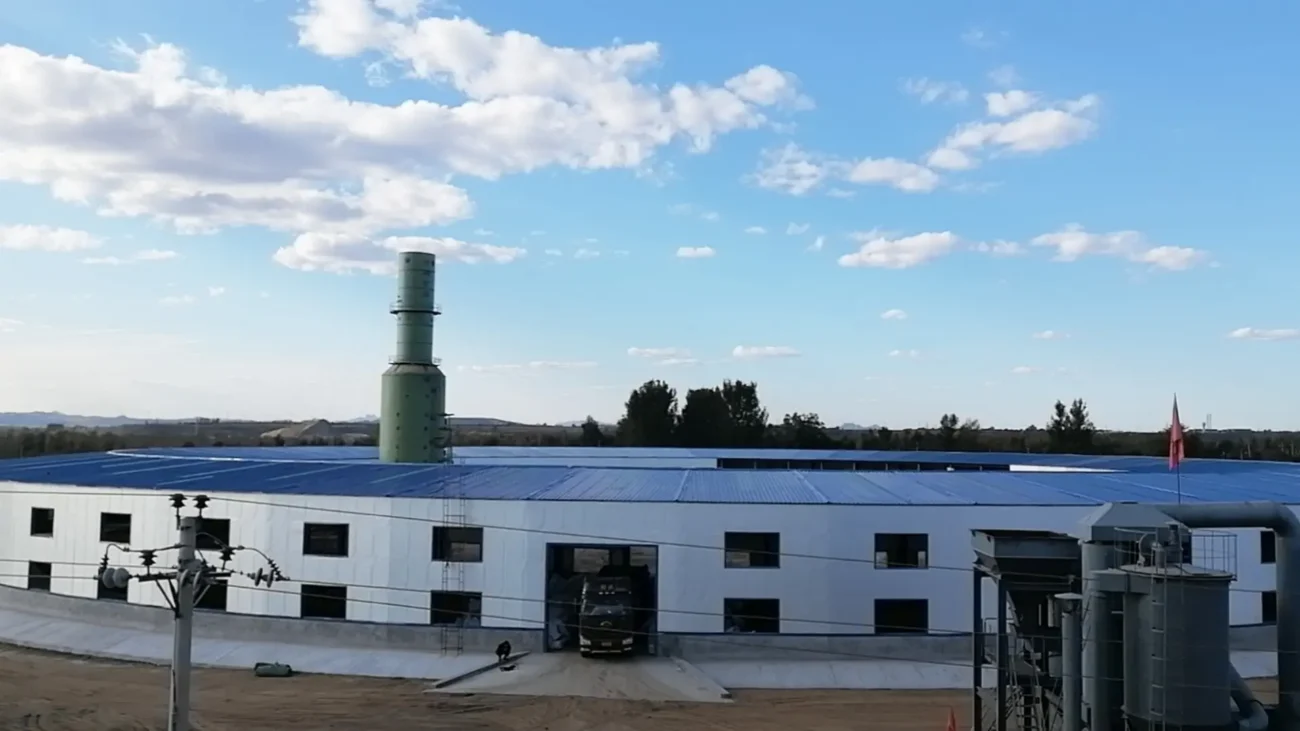
Faster Build, Lower Labor, Same Foundation Timeline
On the foundation alone, timelines for ordinary and prefabricated kilns are comparable. The real difference appears above ground:
- An ordinary tunnel kiln requires roughly 50 construction workers and 70–80 days to complete.
- A prefabricated tunnel kiln needs only about 20 workers, mostly general laborers, and finishes in 30–40 days.
Skilled labor demand drops to a fraction—sometimes a tenth—of a conventional build. Yes, the prefabricated route uses 30–40% more structural material, so the overall cost is slightly higher upfront. But the trade-off is better materials, a sturdier steel-based structure, and dramatically lower lifetime maintenance.
Removable, Replaceable, Never Stuck
Once an ordinary tunnel kiln is built, it cannot be moved, dismantled, or rebuilt elsewhere. If its wall is damaged, production must stop until the kiln cools.
A prefabricated tunnel kiln is fully detachable. Damaged components can be removed and replaced individually—without halting production. For a plant whose cash flow depends on continuous output, this single feature can justify the investment.
Who Should Consider This Upgrade
If your operation involves any of the following, an energy-efficient rotary tunnel kiln built on the prefabricated principle deserves a serious look:
- Firing standard bricks, hollow bricks, or insulation bricks at volume
- Using solid waste, sludge, tailings, or coal gangue as raw material
- Struggling with high fuel bills from an aging conventional kiln
- Needing to expand capacity without a multi-year construction project
- Facing tightening emission limits that demand flue gas reuse
The Bottom Line
Investing in an energy-efficient rotary tunnel kiln is not about chasing the newest trend—it is about locking in lower fuel use, faster commissioning, and a firing system that can adapt to new fuels and new raw materials as your business evolves. The prefabricated tunnel kiln brings together modular assembly, double-sealing, flue gas reburning, rapid drying, and digital control into one package that outperforms conventionally built kilns on nearly every metric that affects your margin.
If you are evaluating a new firing line or planning to replace an outdated kiln, we invite you to explore the full technical specifications and configuration options for our prefabricated tunnel kiln. Reach out to our team to discuss your raw materials, target capacity, and site conditions—we will help you determine the most suitable assembly type and fuel system for your plant.