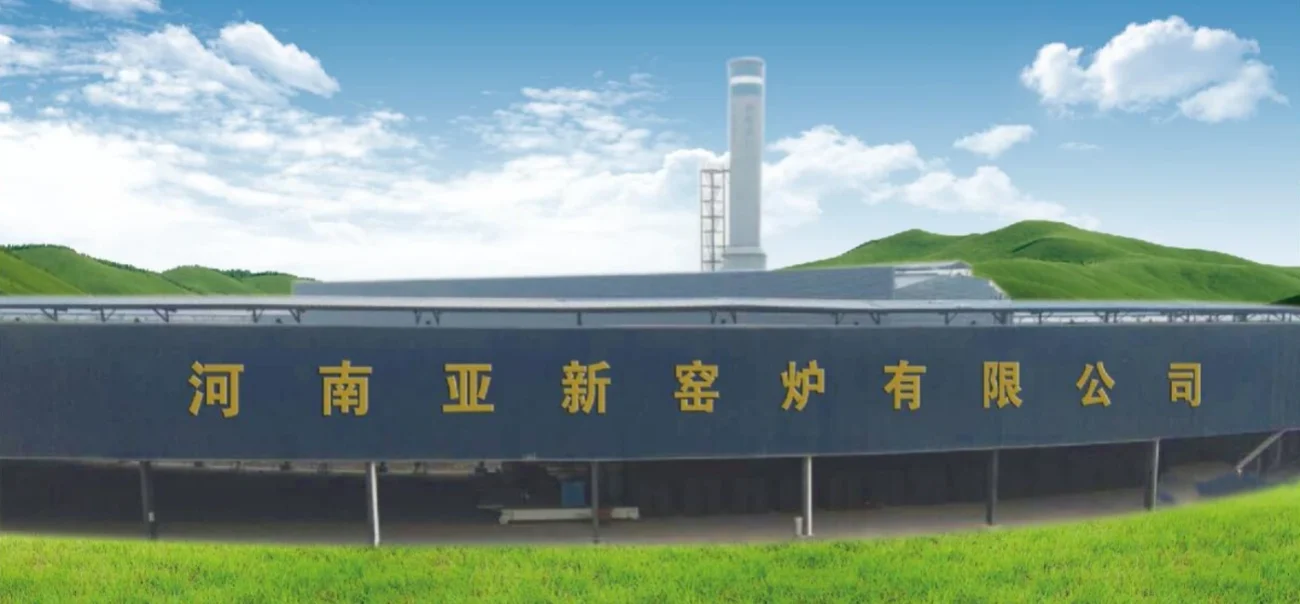
Tunnel Kiln Design for Large-Scale Brick Plants

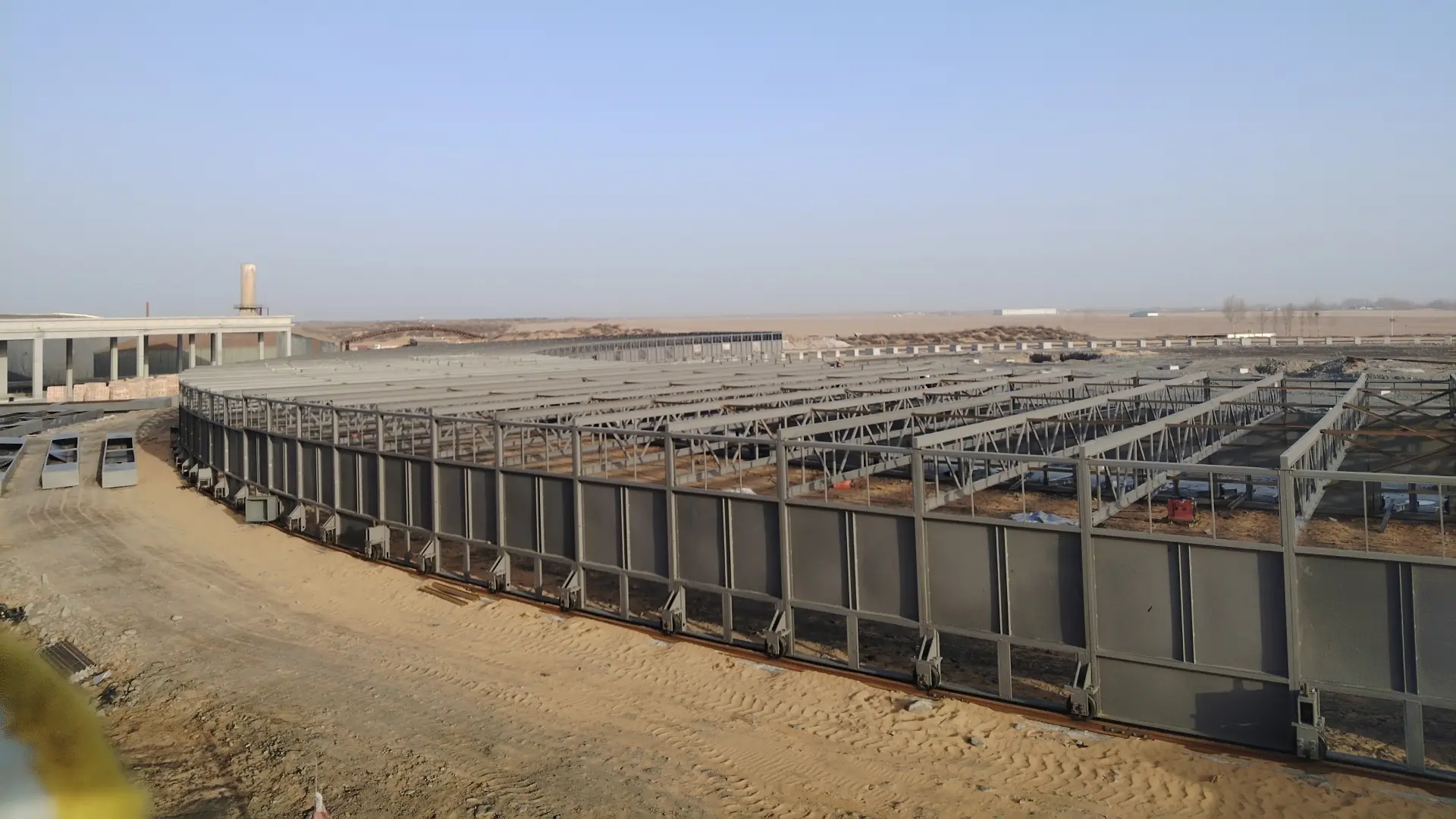
Tunnel kiln design decides whether a brick or wall-material plant reaches its profit target or quietly erodes margin through fuel waste, uneven firing, and unplanned downtime. For industrial investors planning a 300,000 to 700,000 bricks-per-day line, the design stage is not a drawing exercise. It is the moment that determines fuel consumption per brick, product uniformity across the kiln width, compliance with environmental rules, and how fast the plant pays back its capital. At Henan Yaxin Kiln Co., Ltd., tunnel kiln design is treated as a full engineering discipline, covering thermal simulation, structural fabrication, refractory selection, waste-heat routing, automation, and on-site commissioning, all delivered through the company website at yaxinkiln.co.za.
Why Tunnel Kiln Design Determines Energy Performance
Published research on kiln energy efficiency identifies the key design variables clearly: construction materials, kiln structure, combustion technology, waste-heat utilization, excess air coefficient, and automatic control. For tunnel kilns specifically, product loading density and the top-to-bottom temperature difference inside the chamber directly affect energy consumption. A wide-body cross-section, when paired with disciplined thermal design, raises product density while keeping the cross-sectional temperature gap small, which is the central mechanism behind real energy savings.
The Chinese industry standard YB/T 4522-2017, Technical specification for waste heat recycling of refractory tunnel kiln, sets out explicit requirements for waste-heat recovery design, construction, acceptance, and ongoing monitoring. Any professional tunnel kiln design intended for industrial scale must address waste-heat recovery as a core subsystem rather than an add-on, because the standard treats it as integral to both the kiln and the recovery system design.
The Engineering Levers That Matter in Practice
A credible tunnel kiln design balances five engineering levers:
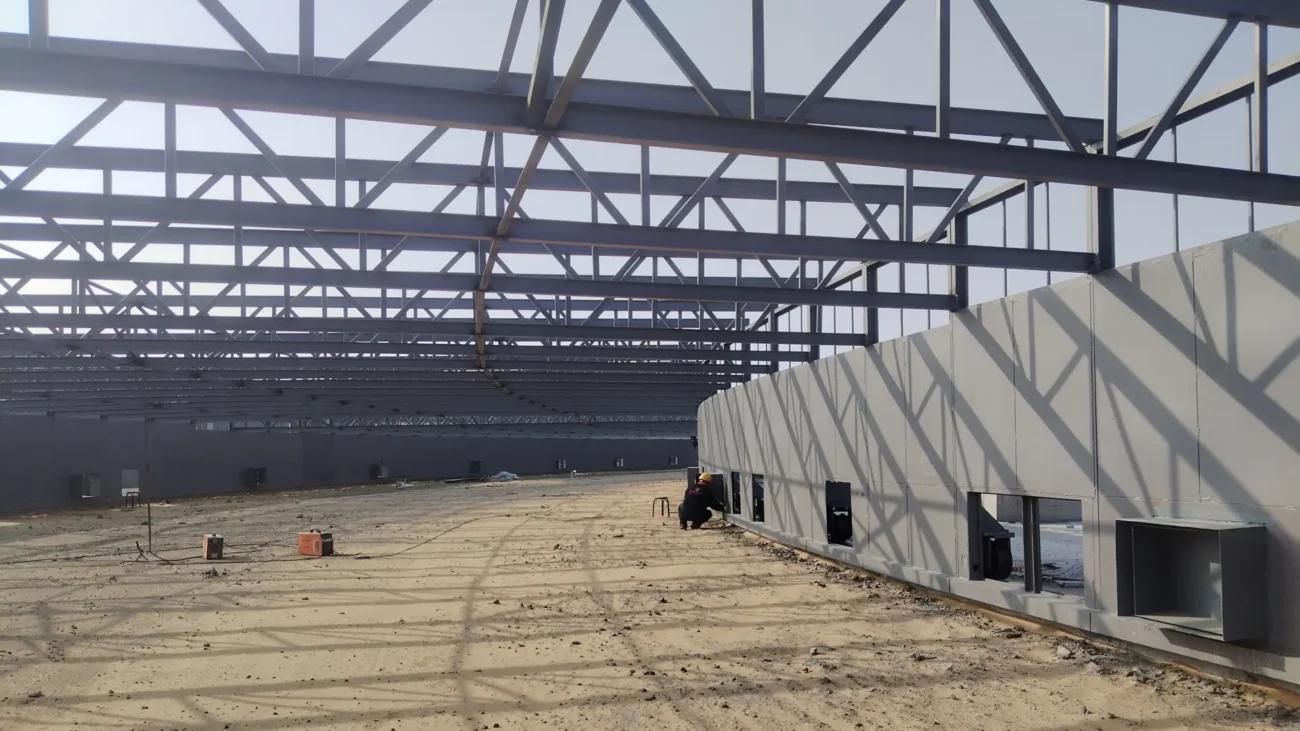
- Cross-section width: Yaxin engineers kilns from 10.8 m up to an ultra-large 17.3 m cross-section. A wider chamber raises the number of bricks fired per cycle, spreads fixed heat loss across more units, and lowers energy cost per brick.
- Refractory and insulation system: Lightweight, high-strength refractories with low heat storage shorten firing cycles and reduce outer-wall heat dissipation, a principle reinforced by academic studies on ceramic fiber and optimized kiln structures.
- Waste-heat recovery: Capturing heat from the cooling zone and routing it to preheating and drying is no longer optional. Yaxin integrates waste-heat recovery into every large-section design, aligning with YB/T 4522-2017 and cutting fuel consumption measurably.
- PLC-controlled pulse firing: Uniform temperature distribution across an ultra-wide cross-section requires sophisticated automatic control. Yaxin’s PLC automation guarantees consistent thermal profiles, which protects product quality at high throughput.
- Modular, mobile configuration: Yaxin’s mobile rotary tunnel kiln eliminates kiln cars, reduces civil engineering cost, shortens construction time, and lowers maintenance exposure.
How Yaxin’s Tunnel Kiln Design Compares with Commercial Alternatives
For B2B buyers, the fastest way to evaluate a supplier is to compare hard parameters. The following tables contrast Yaxin with representative commercial offerings in the market.
Capacity and Cross-Section Comparison
| Supplier | Max. Section Width | Max. Daily Capacity (standard brick) | Mobile Rotary Option |
|---|---|---|---|
| Henan Yaxin Kiln | 17.3 m | 700,000 | Yes. |
| Zhengzhou Yingfeng Machinery | 16.8 m | 700,000 | Yes. |
| Hongyun Kiln | 16.8 m | 600,000 | Yes. |
| Halstec | 12.96 m | 400,000 | Yes. |
Yaxin’s 17.3 m ultra-large cross-section leads the comparison in both width and achievable daily output, a differentiator that directly translates into lower per-brick fuel and labor cost.
Energy, Automation, and Service Comparison
| Dimension | Henan Yaxin | Typical Competitor (Hongyun) | Typical Competitor (Halstec) |
|---|---|---|---|
| Energy consumption | Integrated waste-heat recovery, ISO-certified | 220-260 kcal/kg brick | Energy-efficient, ISO/CE certified |
| Automation | PLC pulse firing, fully automatic | Fully automatic, one operator | PLC-controlled |
| Certifications | ISO9001, ISO14001, OHSAS18001 | Not specified | ISO9001, ISO14001, OHSAS18001, CE |
| Overseas EPC | Yes, proven in Uzbekistan, Vietnam, Laos, Zimbabwe, Kyrgyzstan | Delivered across Asia and Africa | 200+ factories, global installation |
| Patents | 12 Chinese invention and utility-model patents | Not specified | Patented vibration-free design |
Yaxin’s combination of the widest available section, 12 patents around energy-saving mobile tunnel kiln technology, triple ISO certification, and a track record of EPC delivery across Central Asia and Africa positions it strongly for investors who need guaranteed high-volume output rather than a generic kiln.
Designing for Extreme Climates and Varied Fuels
One of the most overlooked aspects of tunnel kiln design is adaptability. A kiln engineered only for ideal conditions becomes a liability once it operates in a Bishkek winter, a humid Jakarta monsoon, or a Zimbabwean drought. Yaxin’s reference projects span precisely these conditions: cold climates in Kyrgyzstan, tropical humidity in Indonesia and Vietnam, and variable raw materials in Zimbabwe. The combustion system in every Yaxin design can be configured for coal, natural gas, or dual-fuel operation, ensuring continuous production regardless of local fuel economics.
For a tunnel kiln design to succeed in such environments, the engineering team must analyze geological conditions, raw-material chemistry, local fuel calorific value, and environmental emission limits before a single steel beam is fabricated. This is why Yaxin treats site consultation as the first and most decisive phase of the project, not a courtesy visit.
A Five-Phase Engineering Process
Yaxin’s tunnel kiln design follows a disciplined, transparent workflow:
- Professional site consultation—in-depth technical assessment to design the optimal kiln layout based on local site conditions.
- Custom engineering and design—tailored structural and thermal blueprints for the client’s brick or material requirements.
- Precision manufacturing and logistics—modular fabrication under ISO quality controls, followed by secure international shipping.
- On-site assembly and commissioning—expert engineering teams manage complete installation and rigorous testing.
- Ongoing training and maintenance—comprehensive local staff training and 24/7 technical support.
This end-to-end approach is what separates an EPC partner from a mere equipment vendor. For the investor, it means one accountable party from concept to full production.
The Business Case: Payback Through Design
An energy-efficient tunnel kiln design is not a luxury. It is the primary driver of plant profitability. With Yaxin’s ultra-large 17.3 m cross-section, the fixed daily heat loss of the kiln structure is spread over up to 700,000 bricks, driving down the energy cost per unit. Integrated waste-heat recovery reclaims thermal energy that traditional designs waste. PLC-controlled pulse firing reduces underfired product and rejection rates. The mobile rotary configuration eliminates kiln-car fleets and their perpetual maintenance cost.
Research and industry standards confirm the direction: wider sections, better refractories, disciplined waste-heat recovery per YB/T 4522-2017, and automatic control are the levers that lower energy intensity. Yaxin’s design philosophy aligns with all of them and pushes the cross-section boundary to 17.3 m, beyond what most competitors commercially offer.
Frequently Asked Questions on Tunnel Kiln Design
Q: What is the maximum production capacity of a well-designed Yaxin tunnel kiln?
A: Depending on configuration, Yaxin’s systems achieve 300,000 to 700,000 standard bricks per day. Ultra-large projects in Kaifeng and Uzbekistan maintain steady output of 600,000-700,000 bricks per day.
Q: Why does an ultra-large 17.3 m cross-section matter?
A: A wider cross-section fires significantly more bricks in a single cycle, maximizes heat utilization per unit, improves airflow uniformity through PLC-controlled pulse firing, and drastically reduces per-brick energy and labor cost.
Q: How does Yaxin handle waste-heat recovery in its tunnel kiln design?
A: Every large-section design integrates waste-heat recovery as a core subsystem, in line with the principles of YB/T 4522-2017. Heat from the cooling zone is routed to preheating and drying, cutting fuel consumption measurably.
Q: Can Yaxin deliver a full EPC solution for overseas brick plants?
A: Yes. Yaxin specializes in one-stop EPC for international clients, covering geological site analysis, customized design, manufacturing, on-site installation, and staff training. Successful EPC projects include Vientiane, Laos, and several sites across Central Asia.
Moving Forward with Your Tunnel Kiln Design
The right time to involve an experienced engineering partner is before the site is finalized, not after the first brick fails to fire correctly. Tunnel kiln design is a long-term commitment that will define your plant’s competitiveness for the next 15 to 20 years. The decisions made on cross-section width, refractory system, waste-heat routing, and automation level are difficult and expensive to reverse once the kiln is built.
Henan Yaxin Kiln Co., Ltd. brings 12 patents, triple ISO certification, 11+ landmark projects across China, Uzbekistan, Vietnam, Kyrgyzstan, Indonesia, Laos, and Zimbabwe, and the industry’s widest commercial cross-section at 17.3 m. For investors targeting high-volume, energy-efficient, and compliant brick production, the design phase deserves nothing less than a proven EPC partner.
To discuss your site conditions, target capacity, and fuel situation, and to receive a customized tunnel kiln design proposal, visit yaxinkiln.co.za and contact the engineering team directly. A well-designed tunnel kiln is the foundation of every profitable brick plant, and the conversation should start today.