
Smart Ways to Cut Tunnel Kiln Installation Cost

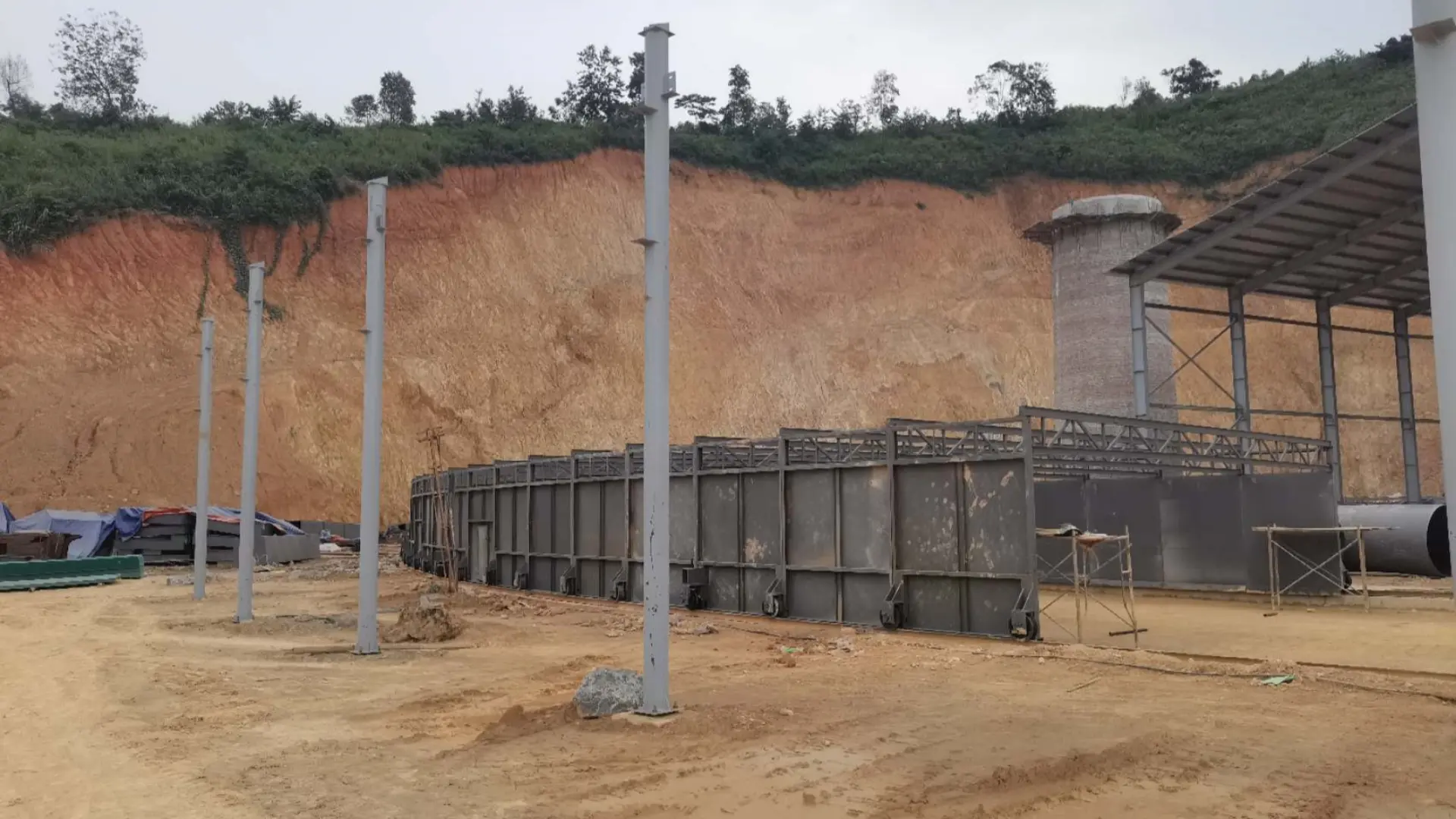
Understanding your true tunnel kiln installation cost is the first step toward a profitable brickmaking venture. Too many buyers focus solely on the equipment price tag, only to discover that labor, foundation work, utility upgrades, and commissioning can add 20–40% to the initial budget. A smarter approach is to evaluate the complete installation picture—from modular design and construction speed to fuel flexibility and long-term maintenance—before signing any contract.
What Really Drives Tunnel Kiln Installation Cost
The final number on your invoice is rarely just “the kiln.” It is a bundle of interconnected expenses:
- Kiln body and structural materials (steel framework, refractory components, modular panels)
- Civil foundation work (concrete volume scales with kiln weight)
- Construction labor (skilled vs. general workers, on-site duration)
- Utility infrastructure (gas lines, electrical capacity, water systems)
- Automation and control systems (PLC, sensors, central control room)
- Environmental equipment (flue gas treatment, dust removal)
- Logistics and import costs (ocean freight, local transport to site)
- Commissioning and training (engineer visas, accommodation, on-site duration)
When you analyze tunnel kiln installation cost across all these layers, the construction phase alone can swing your budget dramatically based on one key decision: modular prefabricated design vs. traditional on-site masonry.
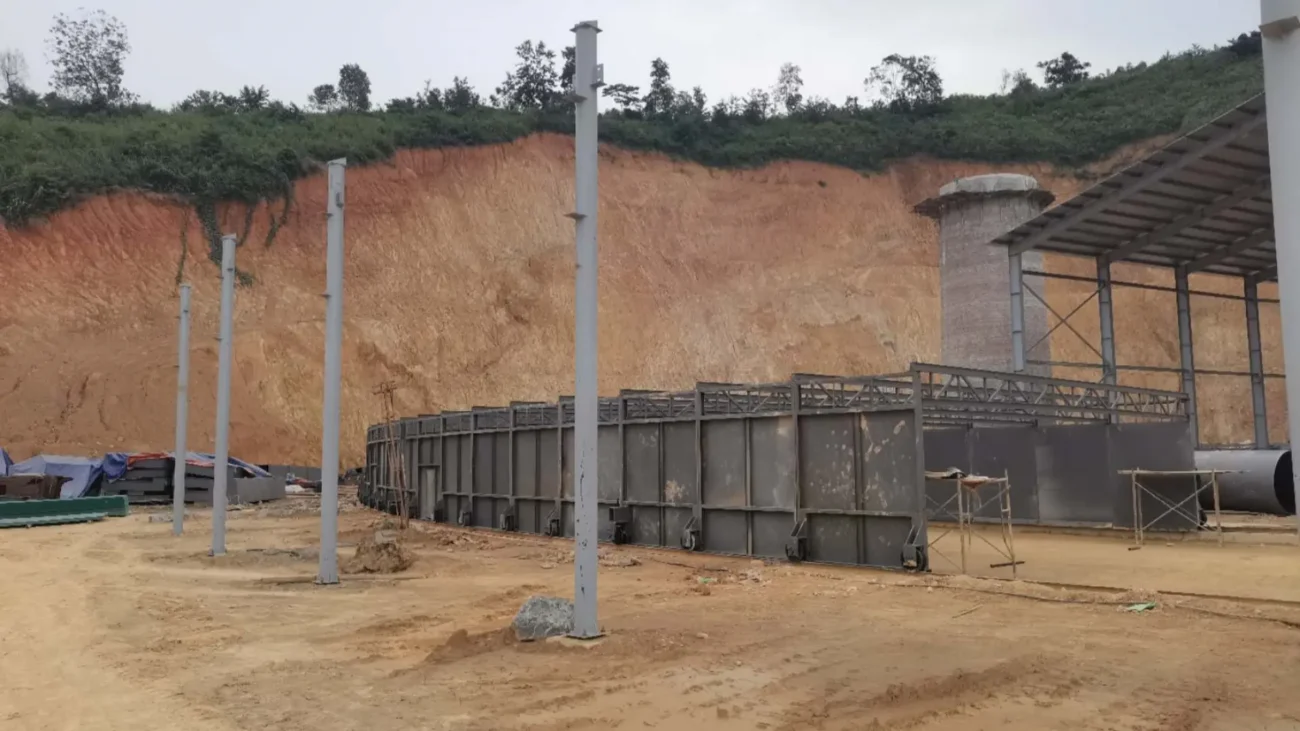
Modular vs. Traditional: The Construction Cost Divide
This is where the biggest savings hide. Consider the labor and timeline difference:
| Factor | Traditional Masonry Kiln | Prefabricated Modular Kiln |
|---|---|---|
| Construction workers | ~50 people | ~20 people |
| Build duration | 70–80 days | 30–40 days |
| Skilled technicians needed | High ratio | Fraction to 1/10th |
| Foundation concrete | Heavy (500+ ton kiln body) | Lighter (≈300-ton kiln body) |
| Dismantlable for relocation | No | Yes. |
| Repair without stopping production | No | Yes. |
A traditional tunnel kiln requires 40–60 technicians and 6–10 months of masonry work. A modular prefabricated kiln needs only 6–10 workers and completes in 1–2 months. That difference translates directly into saved labor costs, visa fees, accommodation, and project management overhead—especially for overseas installations where foreign engineer deployment is expensive.
Yes, the prefabricated route uses 30–40% more structural steel material upfront. But the overall installed cost ends up only slightly higher than traditional masonry—while delivering a kiln wall that dissipates just 24.3% of the heat lost by an ordinary kiln wall. Better insulation means lower fuel consumption for the entire 15–20 year service life.
Five Factors That Inflate Your Installation Budget
1. Cross-Section Width and Daily Capacity
Larger cross-sections cost more in materials but dramatically reduce per-brick energy and labor costs. A 17.3m ultra-large cross-section kiln can fire 600,000–700,000 standard bricks per day, versus the 2.7m–4.5m range of traditional straight kilns that manage only a fraction of that output. Matching your cross-section to your actual daily demand—plus realistic growth headroom—prevents both overspending and costly future retrofits.
2. Fuel System Configuration
A multiple-fuel combustion system lets you burn coal, natural gas, biomass gas, or heavy oil without restructuring the kiln. Opting for this flexibility during installation is far cheaper than converting a single-fuel kiln later. In today’s volatile energy market, fuel adaptability is not a luxury—it is budget insurance.
3. Automation and Digital Control Depth
PLC-driven pulse firing and 5G-enabled central control rooms reduce reliance on experienced operators. This matters because labor costs for kiln operation can be permanently lowered when the system runs automatically. The upfront investment in digital control pays for itself by reducing crew size from 7–10 workers to just 1–2.
4. Site Conditions and Foundation Complexity
Kiln weight determines foundation cost. A lightweight modular kiln body (≈300 tons) needs significantly less concrete than a traditional refractory brick structure (500+ tons). When evaluating tunnel kiln installation cost for your specific site, soil conditions, seismic requirements, and available floor space all affect civil works pricing.
5. Hidden Costs Buyers Often Miss
The installation budget killers that catch first-time buyers off guard:
- Utility upgrades: Enhanced gas lines or high-capacity electrical wiring can add 8–12% to base equipment cost
- Ventilation and flue gas systems: Desulfurization and dust removal towers are mandatory in most jurisdictions
- Foreign engineer deployment: Visa fees, flights, and accommodation for 2–3 months add up rapidly for overseas projects
- Commissioning delays: Poorly coordinated deliveries push your startup date—and delay revenue
- Spare parts logistics: Ordering critical spares after installation always costs more than including them upfront
How to Get an Accurate Installation Quote
To receive a realistic tunnel kiln installation cost estimate rather than a vague ballpark, prepare the following information before contacting any supplier:
- Raw material profile: Type (clay, shale, coal gangue, sludge, construction waste), moisture content, particle size
- Target daily capacity: In standard brick equivalents, with a 3–5 year growth projection
- Available site footprint: Length, width, soil report, and existing infrastructure
- Local fuel prices and availability: Coal, natural gas, biomass, heavy oil
- Environmental compliance requirements: Local emission standards for your region
- Automation level desired: Manual, semi-automatic, or fully automatic
A qualified engineering partner will use this data to design a customized solution—not push a catalogue model. At Yaxin Kiln, our process begins with professional site consultation, followed by custom engineering, precision modular manufacturing, international logistics, on-site assembly, and comprehensive training. With 11+ landmark projects across China, Uzbekistan, Vietnam, Kyrgyzstan, Indonesia, Laos, and Zimbabwe, we have navigated diverse site conditions—from the cold climate of Bishkek to the tropical humidity of Jakarta.
Why Prefabricated Design Lowers Lifetime Cost
Beyond the installation phase, a prefabricated modular kiln continues to save money:
💡 A traditional kiln, once built, cannot be moved, dismantled, or rebuilt. If its wall is damaged, production stops until the kiln cools. A prefabricated kiln is fully detachable—damaged components are replaced individually without halting production.
This single feature protects your cash flow. Combined with the double-sealing design, flue gas reburning system, and rapid drying capability for high-moisture raw materials, the prefabricated approach addresses both the upfront tunnel kiln installation cost and the decades of operating expenses that follow.
Our ultra-large 17.3m cross-section technology achieves what smaller kilns cannot: maximum heat utilization per unit, uniform airflow through PLC-controlled pulse firing, and drastically reduced per-brick energy consumption. For high-capacity operations targeting 300,000–700,000 bricks per day, the math strongly favors a large cross-section prefabricated design.
Making the Smart Investment Decision
The lowest quoted tunnel kiln installation cost is rarely the cheapest in the long run. A slightly higher upfront investment in modular construction, larger cross-section, multi-fuel capability, and digital automation typically delivers:
- 50% shorter construction timeline → faster revenue start
- 76% reduction in wall heat dissipation → lower fuel bills for 15+ years
- Dismantlable structure → relocate or expand without rebuilding
- 1–2 worker operation → dramatically reduced labor costs
- Flexible fuel compatibility → adapt to energy market changes
- No production-stop repairs → continuous output and cash flow
When you calculate the true cost of ownership across the kiln’s 15–20 year service life, these advantages dwarf the modest premium for prefabricated construction.
Start Your Cost Evaluation Today
Every tunnel kiln installation cost estimate should be as unique as your raw material, your site, and your market. Generic price lists from brochures rarely reflect your actual installed cost. The most reliable path is to share your project specifics with an experienced engineering team that can model your complete cost structure—equipment, civil works, utilities, automation, and lifetime fuel consumption.
At Yaxin Kiln, we specialize in high-capacity rotary and prefabricated tunnel kilns with daily output ranging from 100,000 to 700,000+ standard bricks. Our EPC service covers everything from geological site analysis and custom design to manufacturing, on-site installation, and 24/7 technical support. We invite you to reach out with your raw material characteristics, target capacity, and site conditions. Our engineers will prepare a tailored configuration and transparent cost breakdown—so you can make an informed investment decision with confidence.
Contact our team today to begin your tunnel kiln installation cost evaluation and discover why leading brick producers across Asia and Africa trust Yaxin Kiln for their most demanding projects.