
Rotary Kiln Calciner That Saves Coal

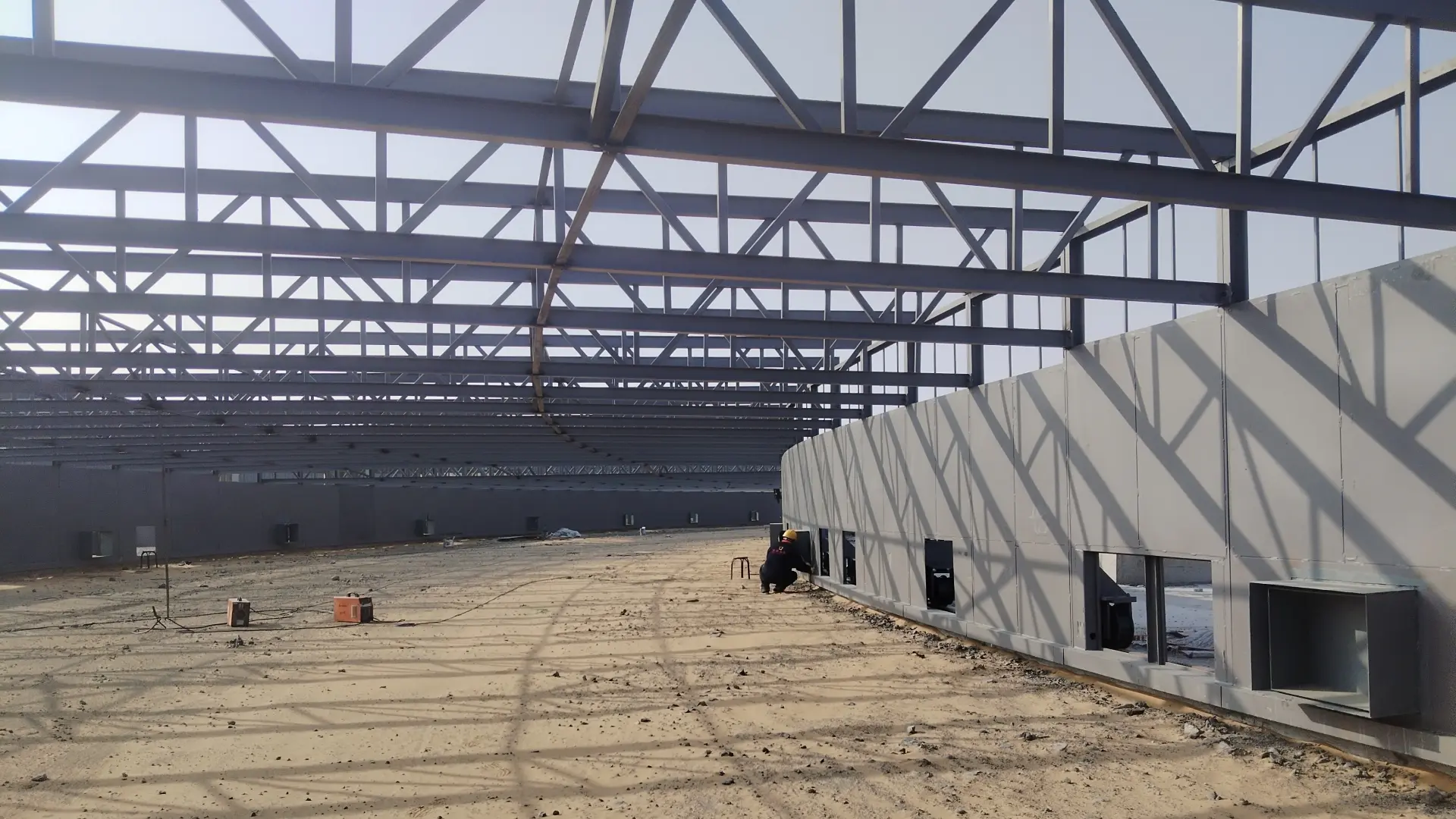
Choosing a rotary kiln calciner is a pivotal decision for brick and wall material producers. The right design can save over 100 kcal of coal per kilogram of product, while the wrong one can lead to excessive consumption and frequent repairs. At Yaxin Kiln, we’ve developed a new structure mobile rotary tunnel kiln that redefines what a modern calciner can achieve—freeing from fans at the kiln top, with 12 China national practical new-type patents behind the technology.
Why Traditional Calciners Fall Short
Conventional tunnel kilns were built around constraints that no longer apply. The biggest sectional width tops out at 7.5 meters. Construction drags beyond six months with manual masonry. Coal consumption hovers at 380–450 kcal/kg. And kiln car maintenance alone costs 50,000–100,000 every year.
A modern rotary kiln calciner built on the mobile rotary principle eliminates every one of these bottlenecks.
The Core Structure: Four Sections Working in Harmony
A mobile rotary tunnel kiln is divided into four functionally connected sections:
- Drying and moisture-eliminating section—Mud bricks enter here and are dried by recyclable high-temperature flue gas until they reach approximately 200℃
- Preheating section—Material temperature is raised systematically ahead of ignition
- Burning section—The core calcination zone where the rotary kiln calciner delivers its thermal work
- Insulation and cooling section—Controlled cooling that preserves brick integrity
The kiln body moves forward while bricks remain stationary on the ground. This fundamental shift—bricks don’t move, the kiln does—is what makes the system radically more efficient.
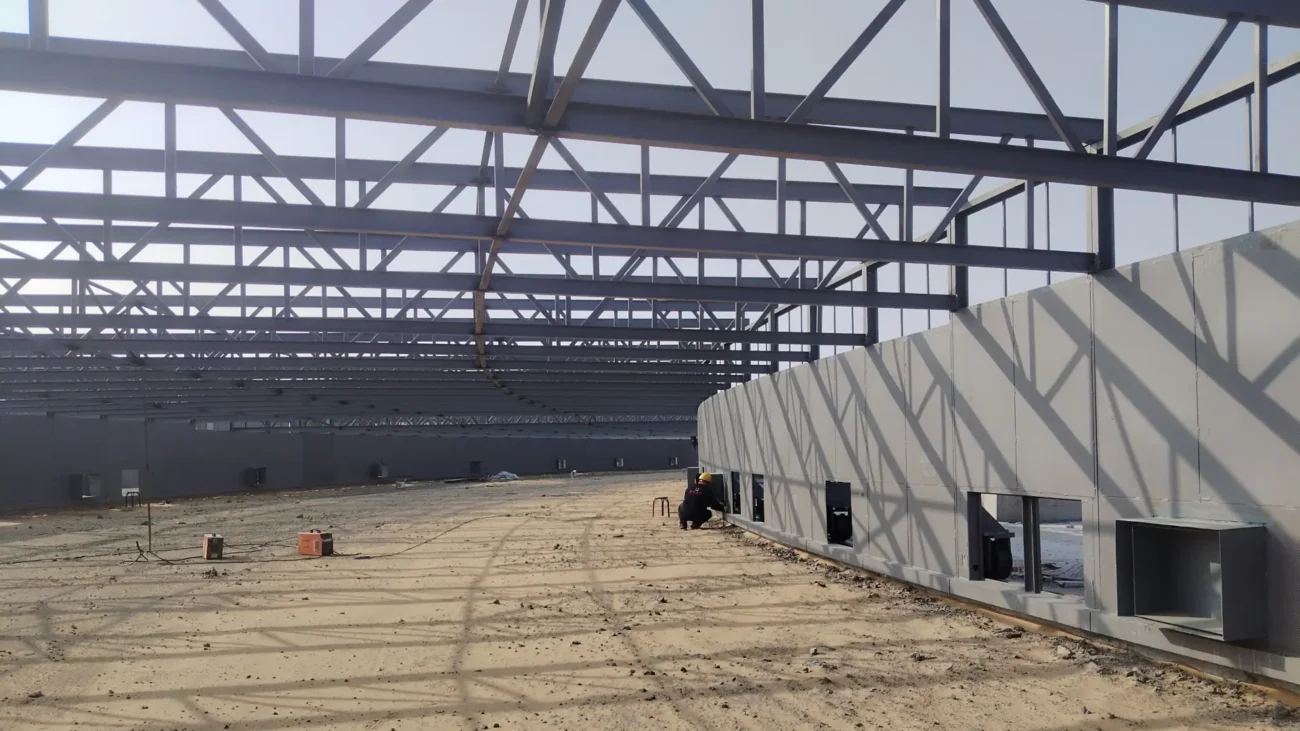
Eight Advantages That Redefine the Economics
1. Bigger Production Capacity
Traditional tunnel kilns cap at 7.5 m sectional width. Our rotary kiln calciner starts at 7.2 m and scales to 7.6, 8.6, 9.08, 10.8, 11.2, 12.98, 13.8, 16.38, and 18.8 meters, with lengths of 150–170 meters. This range supports daily outputs from 100,000 up to 700,000+ bricks.
2. Short Construction Time
The mobile rotary kiln can be finished within 4 months. Every component is prefabricated in standardized, large-scale factory production with uniform specifications, then installed on site. Traditional tunnel kilns rely on manual clay brick and concrete masonry, requiring more than 6 months.
3. Less Investment
By freeing from kiln cars and eliminating construction materials like clay bricks, sand, and cement, the total investment value of a mobile rotary calciner is lower than that of a traditional tunnel kiln.
4. Direct Operation Without Baking
Traditional tunnel kilns require extensive baking to evaporate water introduced during masonry—before a single brick can be fired. The mobile rotary tunnel kiln assembly contains no moisture and can be put into operation directly after assembly, with no pre-baking wait.
5. Minimal Maintenance and Labor Cost
The contrast here is stark:
| Factor | Traditional Tunnel Kiln | Mobile Rotary Kiln Calciner |
|---|---|---|
| Operators needed | 7–10 workers | Only 2 operators |
| Kiln car maintenance | 50,000–100,000/year | Zero—no kiln cars |
| Kiln body overhaul | Frequent | None needed for 10 years |
| Refractory insulation overhaul | Frequent | None needed for 5 years |
Processes like ferry cars, hydraulic pushers, and drawing machines are eliminated entirely.
6. Avoiding Brick Collapse
In traditional kilns, bricks are stacked on kiln cars that shake and vibrate as they move—causing frequent collapse. In a mobile rotary design, bricks rest on the ground and stay perfectly still while the kiln structure moves around them. The possibility of collapse is dramatically reduced.
7. Less Coal Consumption
This is where the numbers speak loudest:
- Traditional tunnel kiln: 380–450 kcal/kg
- Mobile rotary kiln calciner: 250–280 kcal/kg
- Savings: at least 100 kcal/kg
Based on a 3.5 kg brick, that’s 350 kcal saved per brick. For a plant producing 30 million bricks annually, that translates to 2,100 tons of coal saved every year (based on 5,000 kcal/kg coal calorific value).
8. More Environmentally Friendly
With no fan on top of the kiln, smoke is never discharged unorganised. The circular flue and drying room are seamlessly connected—ensuring energy-saving operation that does not pollute the environment. The patented design takes advantage of desulfurizing fans to carry out the drying and burning, completely eliminating the vibration that shortens kiln service life.
The Patented Difference
What truly sets our rotary kiln calciner apart is the patent-protected structure. By deleting the fans from the kiln body and utilizing desulfurizing fans for drying and burning operations, the kiln body experiences:
- Zero vibration—dramatically prolonging service time of the kiln and insulation materials
- No check gate between drying and burning sections—enabling heat to transfer directly and decreasing heat loss
- Seamless circular flue connection—meeting environmental-friendly, energy-saving, and high production capacity requirements with less fuel and power consumption
This is not an incremental improvement. It is a fundamental rearchitecting of how a rotary kiln calciner should work.
The Four-Stage Thermal Journey
To understand why coal consumption drops so dramatically, consider what happens as the kiln body moves forward:
Stage 1: Drying and Moisture Eliminating
The kiln body advances, and mud bricks inside the drying section are dried by recyclable high-temperature flue gas until they reach approximately 200℃.
Stage 2: Preheating
Bricks continue into the preheating section, where temperature is systematically raised ahead of ignition.
Stage 3: Burning
The burning section is where the core calcination takes place. The absence of kiln body vibration ensures uniform heat distribution and optimal fuel combustion.
Stage 4: Insulation and Cooling
The insulation and cooling section controls the cooling rate to preserve brick integrity while recovering residual heat.
Throughout all four stages, moisture-removing pipes on the inner side walls and heat-feeding pipes at the top work in concert to maximize thermal efficiency.
Engineered for Your Specific Needs
A rotary kiln calciner is not a one-size-fits-all purchase. At Yaxin Kiln, our process begins with understanding your unique circumstances:
- What is your raw material profile? (clay, shale, coal gangue, construction waste, fly ash)
- What daily output target are you working toward?
- What is your site footprint and soil condition?
- Which fuel source offers the best economics in your region?
- What are your local environmental compliance requirements?
Based on these answers, our engineering team—backed by 20 subordinate enterprises covering kiln research, machinery manufacturing, and kiln construction—designs a calciner matched precisely to your operation.
Global Track Record
Our mobile rotary tunnel kiln technology has been deployed across diverse climates and market conditions:
- Kaifeng Dakang Kiln, China—high-capacity production
- Yulin, Shaanxi, China—regional market demands
- Bishkek, Kyrgyzstan—cold climate adaptation
- Tashkent, Andijan, and Samarkand, Uzbekistan—Central Asian large cross-section installations
- Jakarta, Indonesia—humid tropical conditions
- Hoang Quy & Quang Binh, Vietnam — Southeast Asian brick markets
- Vientiane, Laos — EPC turnkey delivery
- Harare, Zimbabwe — African construction waste processing
Each project validates the same truth: a well-engineered rotary kiln calciner performs consistently whether in sub-zero winters or high-humidity tropics.
Bringing It All Together
The case for upgrading to a mobile rotary rotary kiln calciner is compelling:
- Up to 18.8 m cross-section for 700,000+ bricks per day
- 4-month construction instead of 6+ months
- Lower total investment by eliminating kiln cars and masonry materials
- Immediate operation with no pre-baking required
- Only 2 operators and zero kiln car maintenance
- At least 100 kcal/kg coal savings—2,100 tons annually for a mid-sized plant
- 10-year kiln body and 5-year refractory maintenance-free operation
- Patented fan-free design that prolongs service life
- Environmentally compliant with no unorganized smoke discharge
When you calculate these advantages across the 15–20 year service life of your kiln, the math overwhelmingly favors the mobile rotary approach.
Let’s Engineer Your Calculator
If you are planning a new firing line or replacing an aging kiln, we invite you to explore the full technical specifications of our mobile rotary tunnel kiln at https://yaxinkiln.co.za/rotary-kiln/. Share your raw material characteristics, target daily capacity, and site conditions with our team, and we will help you determine the most suitable sectional width and configuration for your plant.
A rotary kiln calciner is a 20-year investment. The decisions you make today—cross-section width, automation depth, fuel flexibility, and structural durability—will compound into millions of dollars of difference over the kiln’s lifetime. With 12 China national practical new-type patents, ISO9001, ISO14001, and OHSAS18001 certifications, and 11+ landmark projects across 7 countries, we have the engineering depth to help you get it right.
Reach out to our team to begin the conversation. Your ideal rotary kiln calciner configuration is waiting to be designed.