Mobile Rotary Tunnel Kiln Production Capacity and Applications

mobile rotary tunnel kiln capacity is a primary procurement question for manufacturers considering on-site or temporary firing lines. Buyers must match kiln throughput capability to product size, continuous-line flow and available site services before issuing an RFQ.
This article helps purchasing teams and plant engineers frame the commercial evaluation: what to expect from a mobile rotary tunnel kiln, what independent sources recommend for technical assessment, and which items to include in an RFQ and site validation plan.
mobile rotary tunnel kiln capacity — what buyers must evaluate
Capacity is not a single number. It depends on product geometry, loading density, line speed, residence time per process zone and the kiln’s staged thermal profile. Use the keyphrase “mobile rotary tunnel kiln capacity” as an organizing question: what continuous mass or throughput per hour, and what product dimensions, will the kiln reliably process for your acceptance criteria?
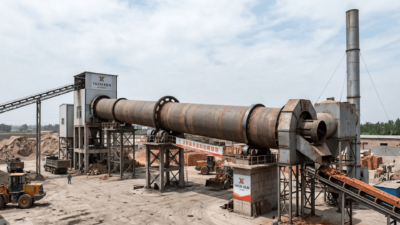
Overview: mobile rotary vs fixed tunnel kilns
Mobile rotary tunnel kilns are designed for relocation and modular deployment. Compared with permanent tunnel kilns, buyers generally trade structural permanence for faster site installation and flexible land use. Independent guidance recommends evaluating capacity together with lifecycle cost, land footprint, fuel use and emissions, and expected service life when assessing project suitability [1].
Supplier-stated features to confirm (supplier-attributed)
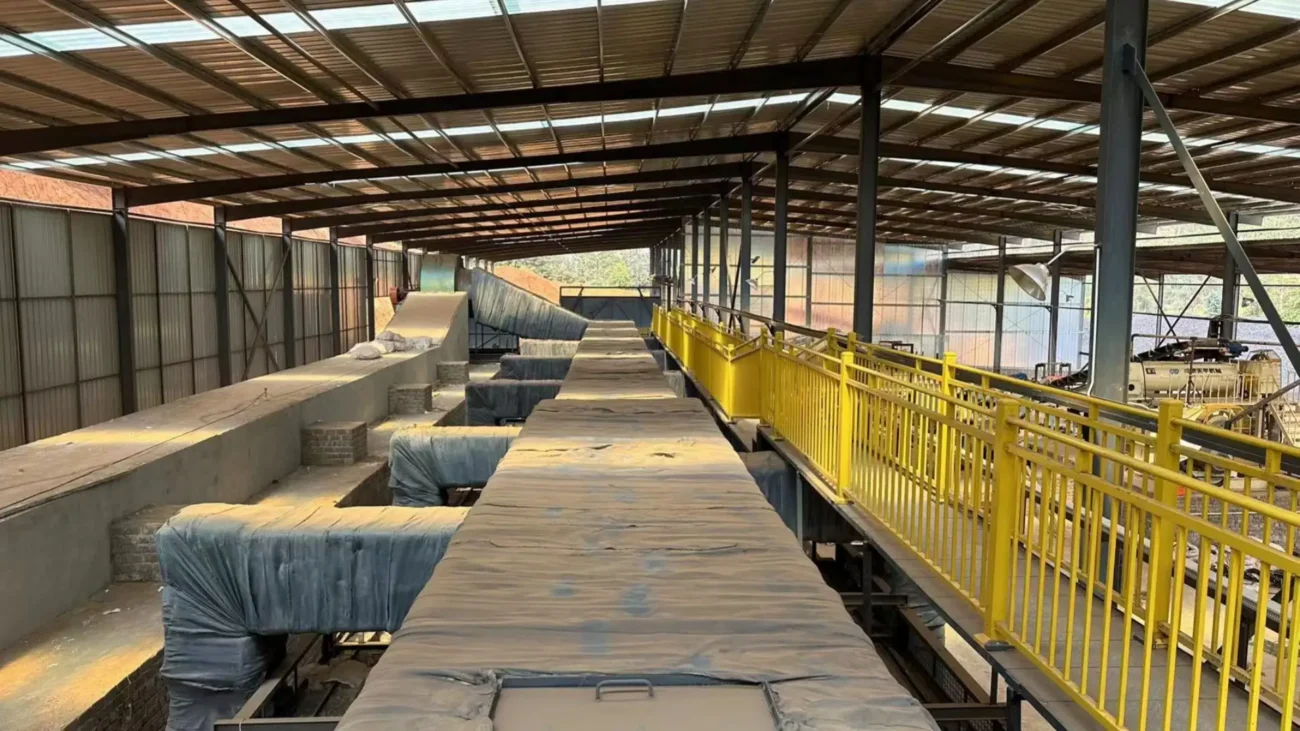
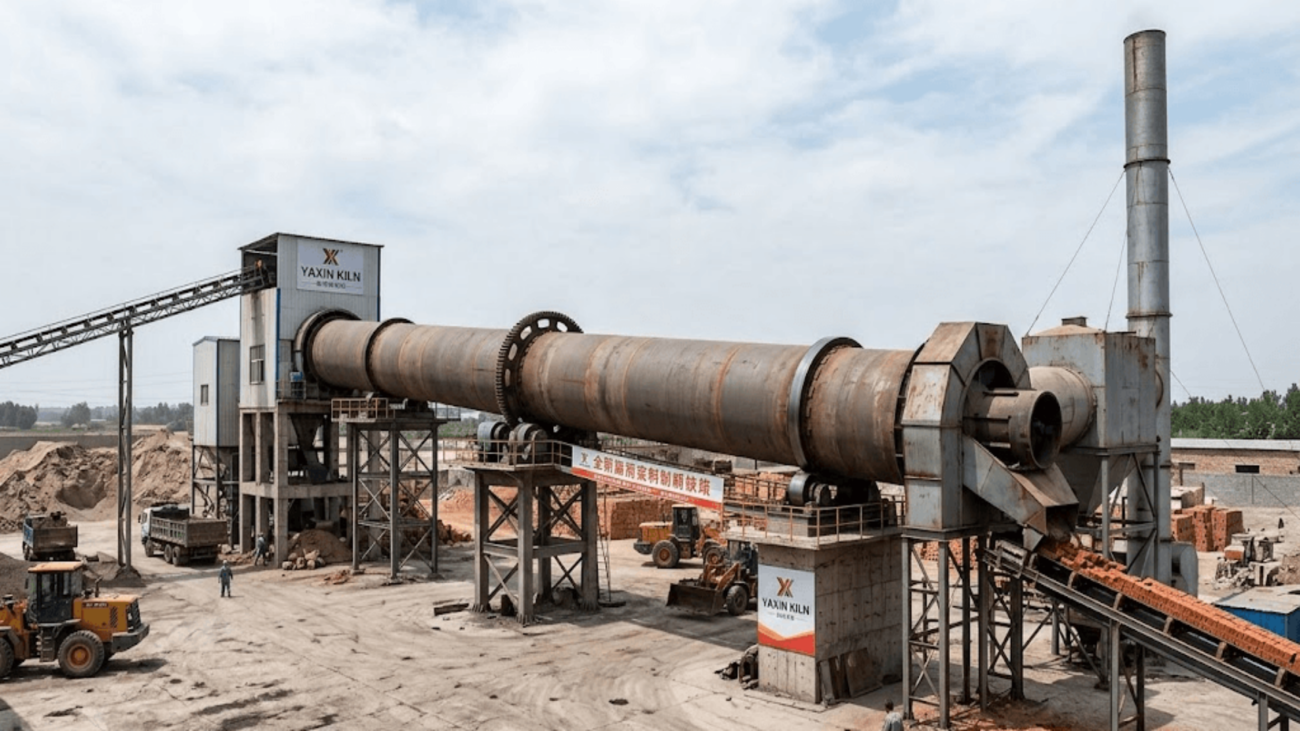
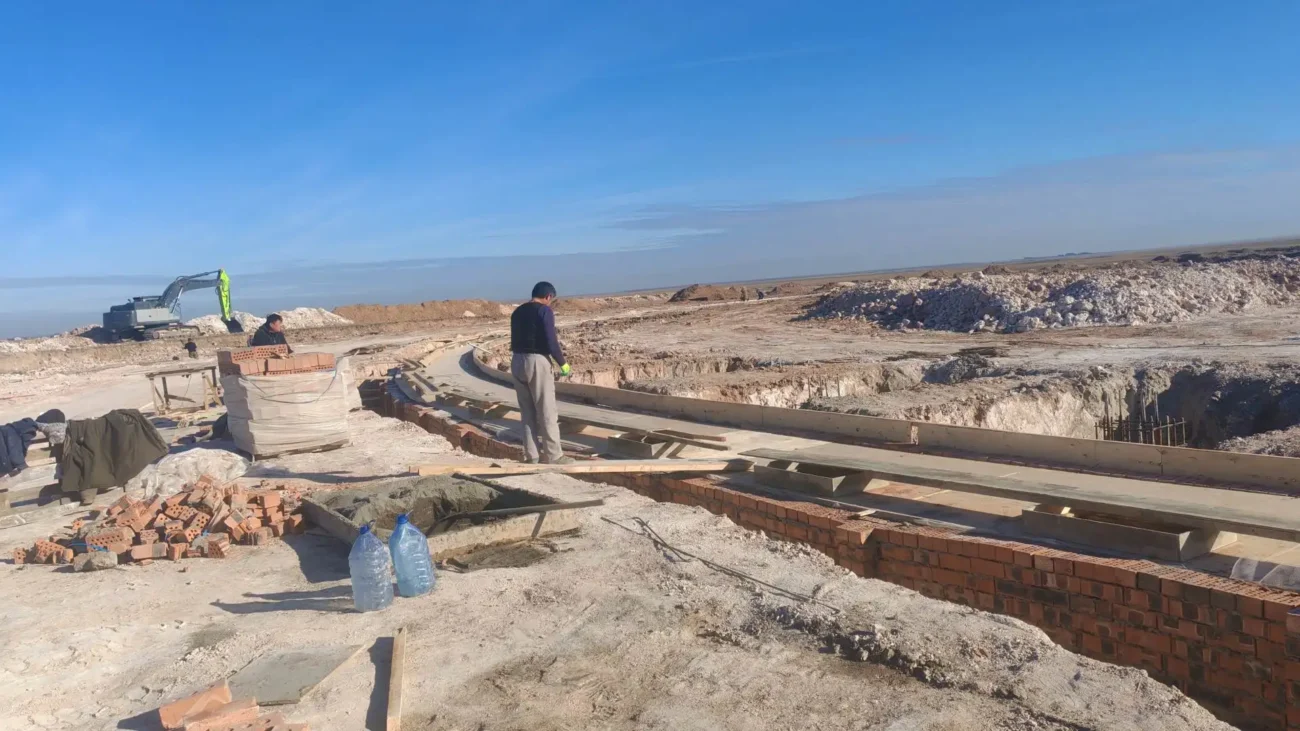
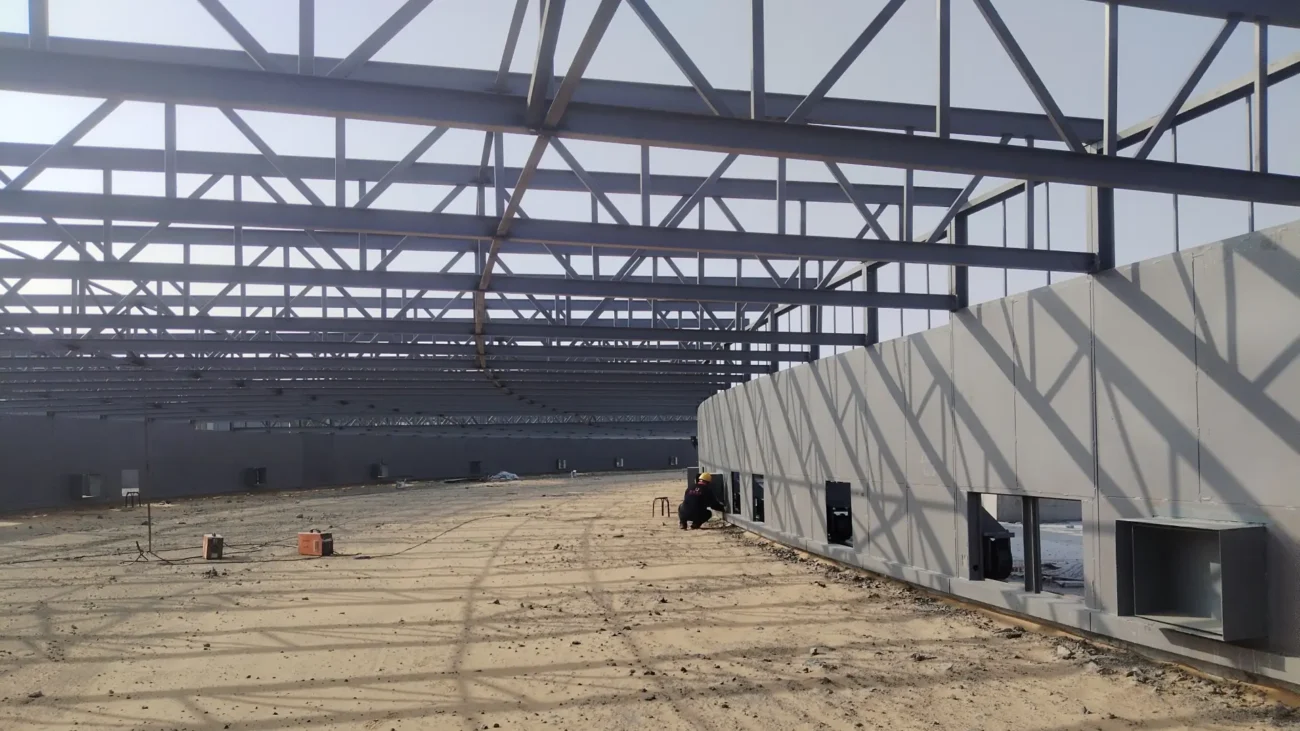
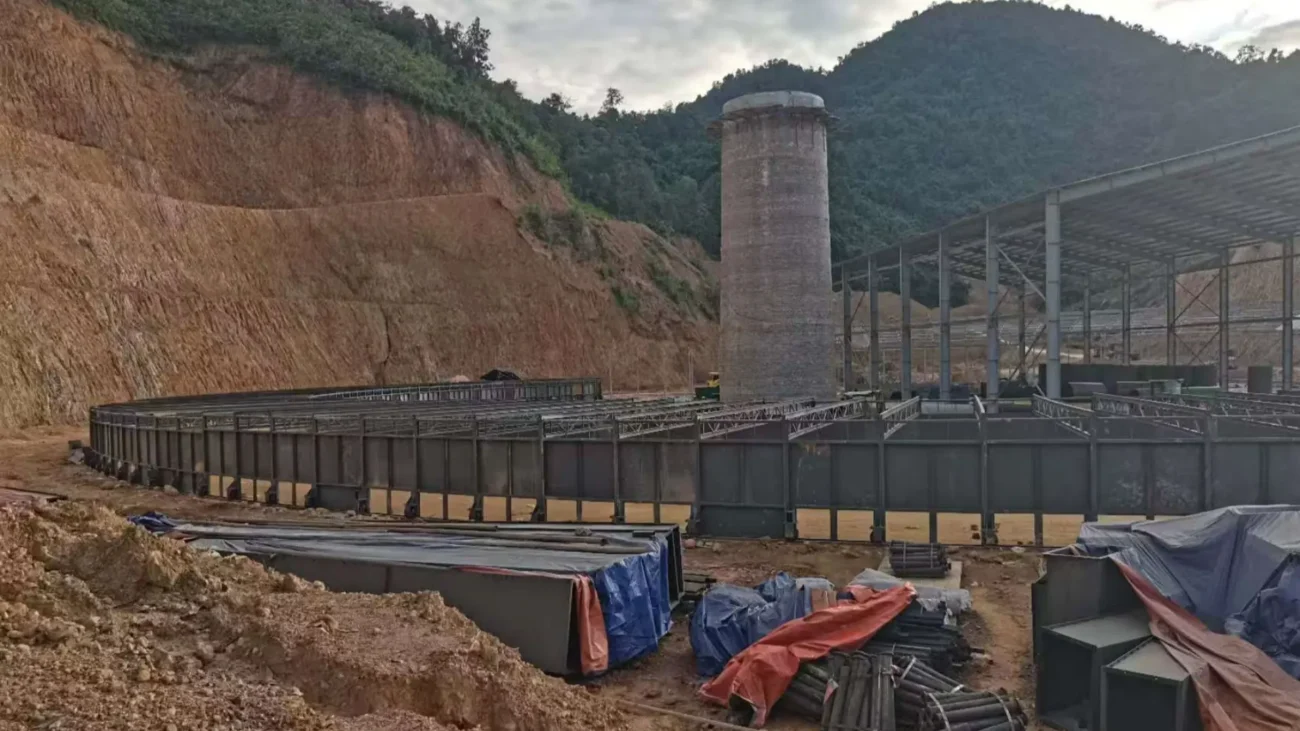
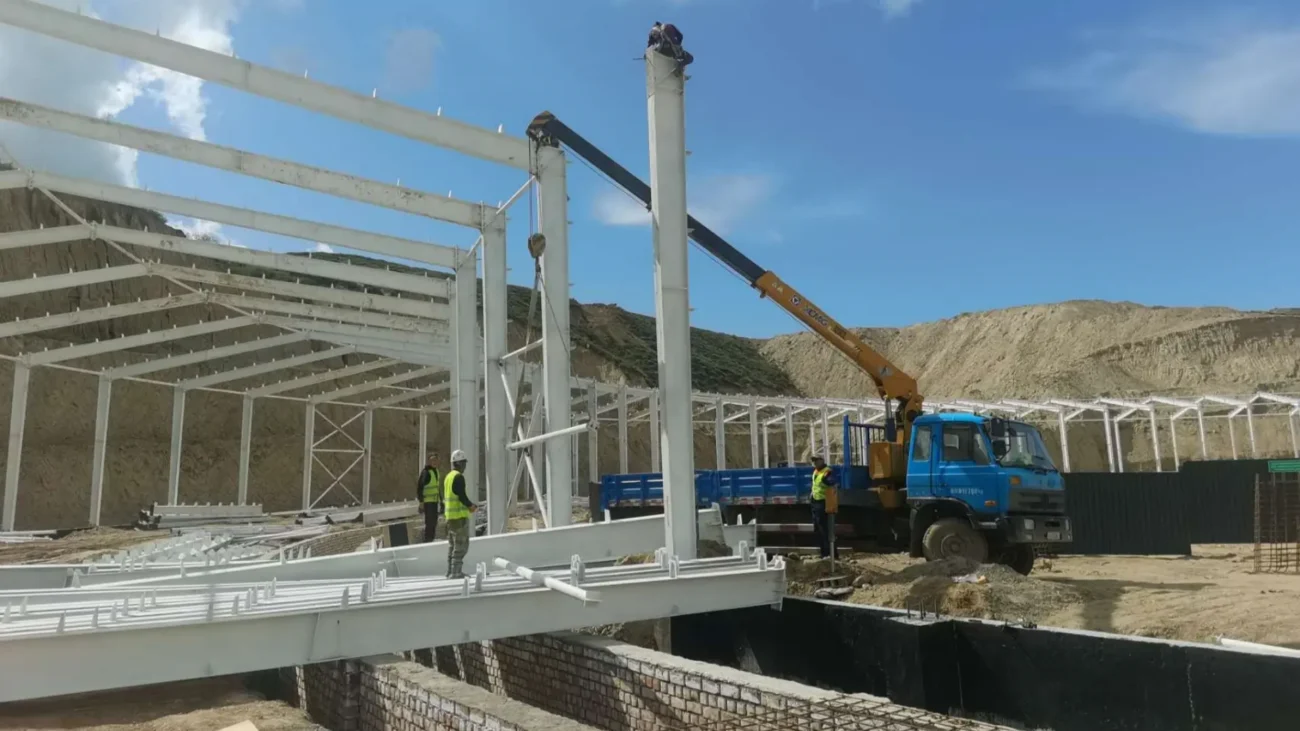
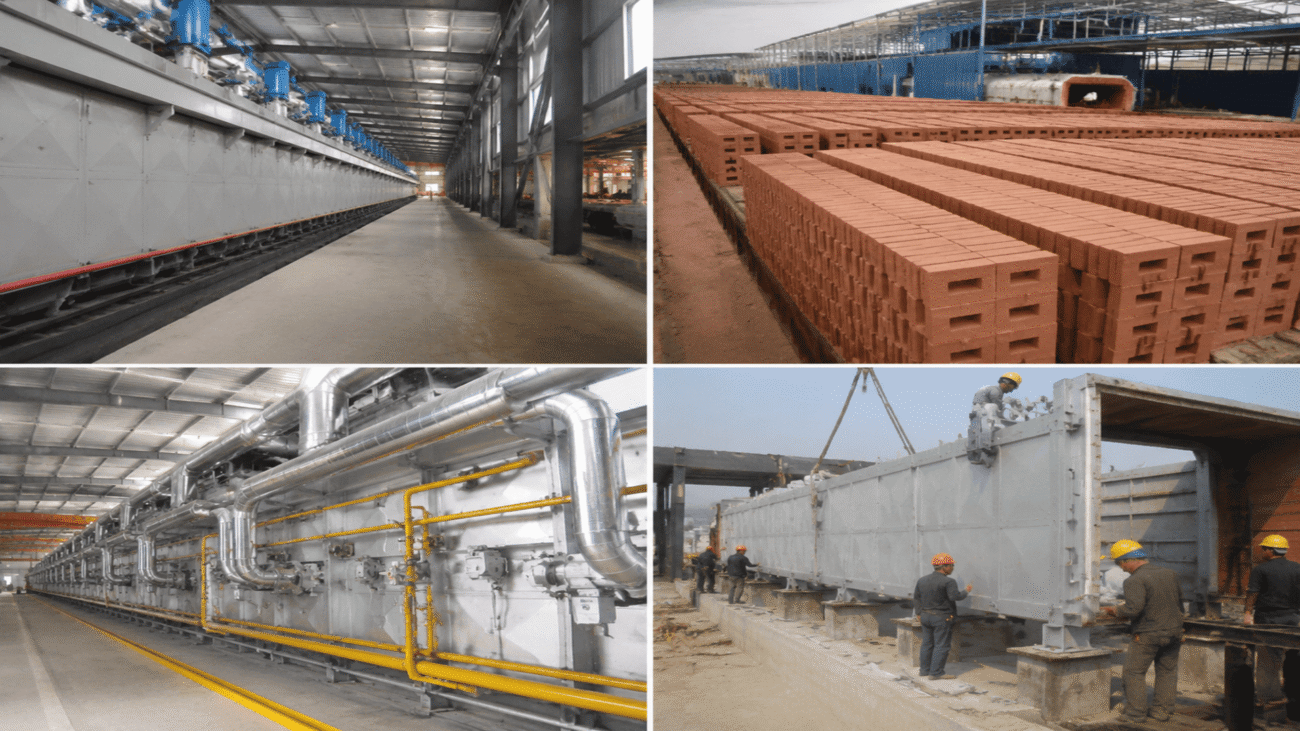
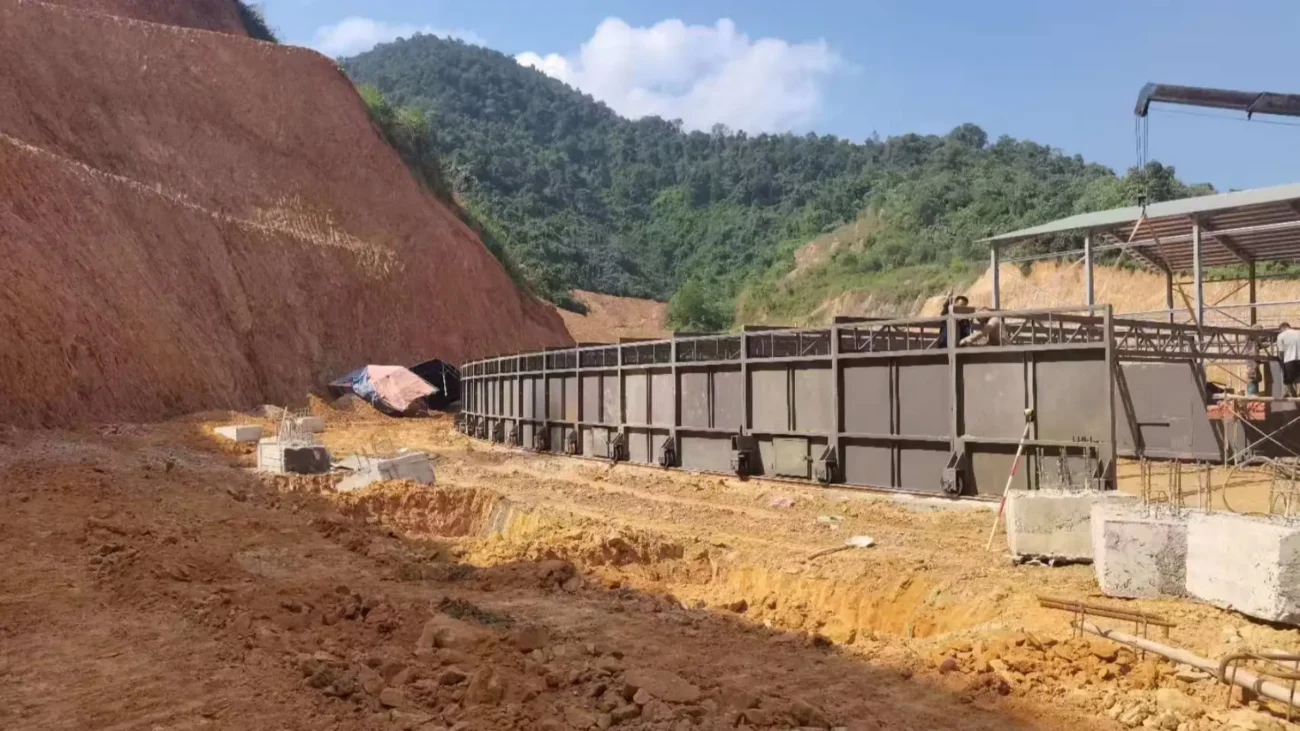
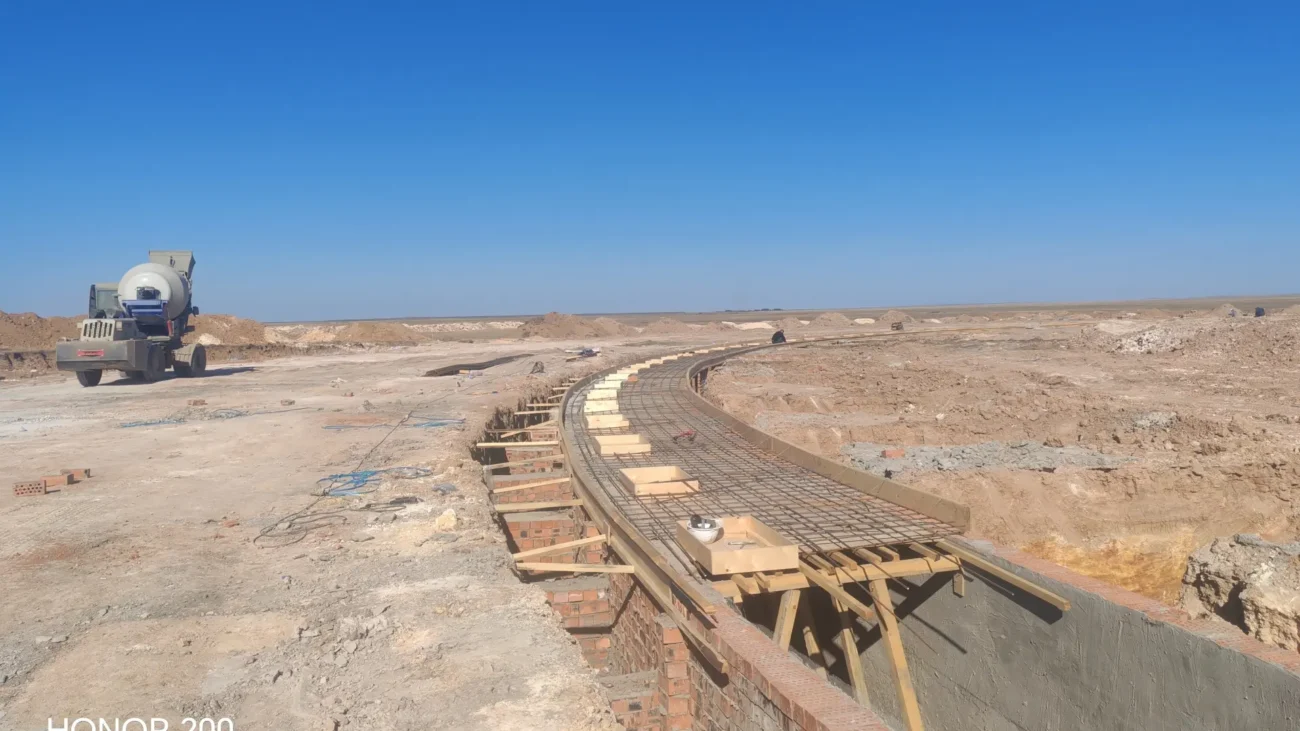
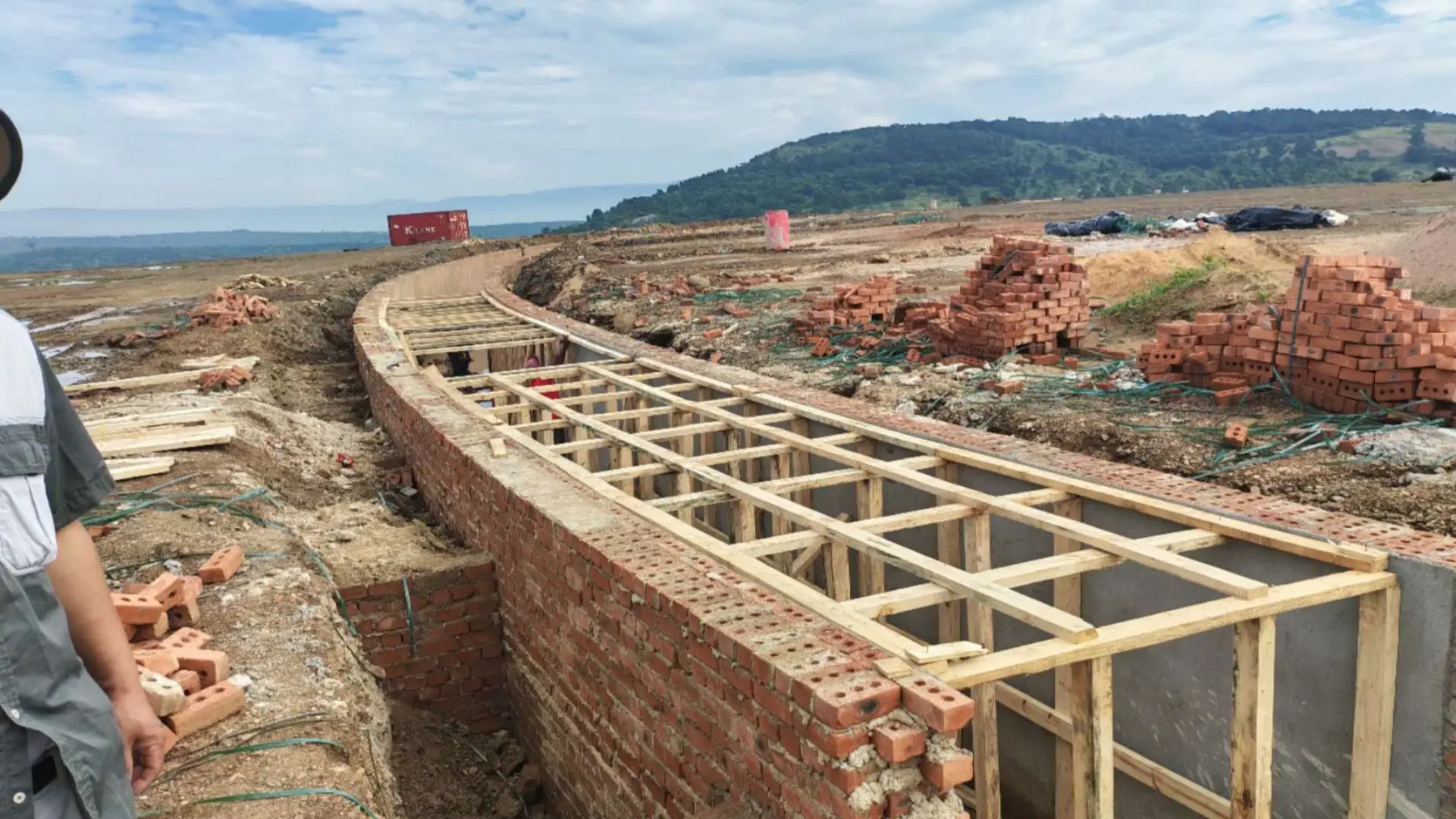
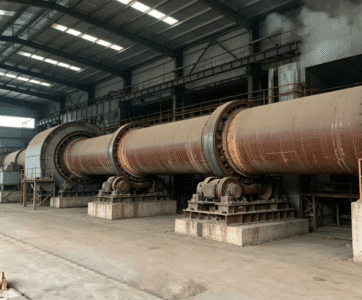
According to the supplier product page, the mobile rotary tunnel kiln is described as having a mobile kiln body on circular rails, a designed flue connection, four process sections (drying/moisture removal, preheating, burning/firing, and insulation/cooling), a detachable steel structure and sensor-based control systems [3]. These are supplier-attributed descriptions; buyers should require the supplier to confirm them in writing and provide drawings and data during RFQ.
Technical factors that determine effective capacity
Independent thermal-analysis research and industry guidance identify the following technical factors that control effective kiln capacity and product quality:
- Thermal profile and residence time per zone — the kiln must deliver the firing curve your product requires; deviations change yield and quality [2].
- Insulation and temperature gradients — adequate insulation and stable zone boundaries reduce energy losses and improve throughput consistency [2].
- Load geometry and flow — product size, pack density and conveyance method drive how many pieces per linear meter the tunnel can carry.
- Combustion/heat source and fuel handling — fuel type, burner layout and flue management affect available heat and emissions; evaluate fuel logistics against site constraints [1].
- Cooling-air recovery and airflow control — cooling strategies can recover heat and reduce fuel demand but must be evaluated for product cooling rates and emissions control [2].
- Control and sensors — sensor-based control is necessary to maintain repeatable firing curves; check redundancy and data logging capabilities.
Comparison and decision table
| Decision factor | Mobile rotary benefit | When fixed tunnel may be better |
|---|---|---|
| Site flexibility | Relocatable, smaller installation time | Long-term, high-throughput operations with heavy civil works |
| Throughput scaling | Modular add/remove sections possible (supplier-dependent) | Large single continuous plant where maximum steady throughput is needed |
| Installation cost drivers | Lower civil works; detachable steel structure | Lower unit operating cost at very large sustained volumes |
| Operational control | Sensor-based control available; rapid commissioning | Custom integrated control in permanent plants for finer optimization |
RFQ and validation checklist
Below is a concise RFQ checklist buyers should use to validate supplier capacity claims and ensure the delivered kiln meets production requirements.
| RFQ item | Buyer validation required |
|---|---|
| Guaranteed throughput | Supplier must provide test reports and the load pattern used to demonstrate throughput |
| Zone temperatures and control | Provide instrumented temperature maps, controller specification, and data-logging samples |
| Mechanical layout | Shop drawings of mobile body, circular rails, detachable structure and flue connections |
| Start-up and commissioning | On-site commissioning plan, acceptance tests and operator training scope |
| Safety and emissions | Combustion data, proposed emissions controls and local compliance documentation |
| Sensor and control validation | List of sensors, control logic summary and demonstration of closed-loop control under load |
Operational considerations and site planning
Plan for feed systems, staging, utilities and access for the mobile body and circular rails. Independent project assessment guidance recommends integrating productivity estimates with fuel logistics, energy efficiency and emissions expectations during feasibility studies [1]. Thermal studies are necessary to confirm how product dimensions and packing affect the firing curve and temperature uniformity [2].
FAQ
Q: How do I translate product throughput goals into kiln speed and capacity?
A: Work from the product’s required residence time at target peak temperature. Translate pieces per hour into linear load per meter and then calculate line speed that delivers the required residence time through the kiln length. Have the supplier provide test runs and instrumented firing curves to verify the relationship under your load pattern.
Q: Can a mobile rotary tunnel kiln match the same quality as a permanent tunnel kiln?
A: Quality depends on thermal control, temperature uniformity and loading consistency. Mobile designs with well-insulated zones and robust sensor-based control can achieve comparable results, but independent thermal analysis and on-site acceptance tests are necessary to confirm equivalence for your product [2].
Q: What combustion and emissions data should I request?
A: Request the supplier’s combustion schematic, burner specifications, typical fuel consumption under the supplier’s test conditions, and any emissions measurements or expected stack parameters. Independent project guidance recommends evaluating emissions alongside operational cost and lifespan [1].
Choosing a supplier and next steps
Request detailed drawings, instrumented firing reports, control-system descriptions and a commissioning plan. According to the supplier page, the mobile rotary tunnel kiln includes a mobile kiln body, circular rails, a flue connection, four process sections and sensor-based control; ask the supplier to provide demonstrable evidence for each feature listed and to host a factory acceptance test [3].
For a closer look at prefabricated tunnel kiln configurations and how they compare on modularity and installation time, compare options and request site-specific proposals here: Compare mobile rotary tunnel kiln capacity options and prefabricated tunnel kiln layouts.
Final procurement note
Do not accept a single-point capacity figure without instrumented test evidence, control-log exports and defined acceptance criteria. Independent sources recommend balancing capacity with energy, emissions and land-use considerations during supplier selection and project assessment [1][2].
RFQ-confirmation scope: Confirm capacity and performance claims with supplier test reports, site data, material tests and explicit acceptance criteria before contract award.
References
[1] Climate and Clean Air Coalition — Tunnel kiln technology overview and project assessment guideline