
Modular Tunnel Kiln Installation Process: Design, Commissioning and Supplier Guide

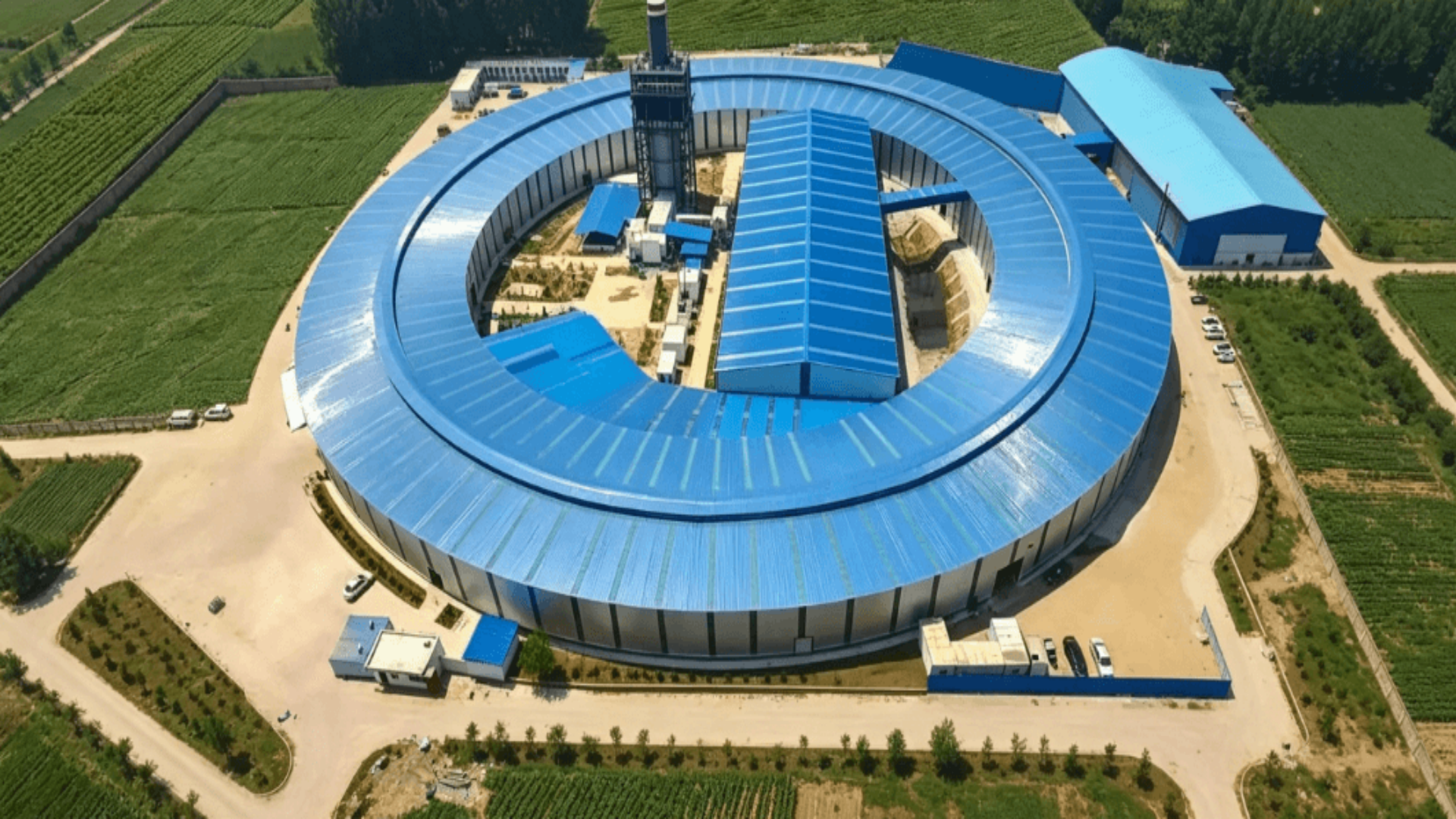
For industrial brick manufacturers and ceramic plant managers, the transition from traditional masonry kilns to modular systems represents a critical shift in operational efficiency. The traditional “brick-and-mortar” onsite construction of a kiln often involves months of labor, unpredictable weather delays, and variable thermal performance.
A modular tunnel kiln installation process leverages pre-engineered sections manufactured in a controlled environment. This approach reduces onsite assembly time by up to 50% while ensuring superior structural integrity and thermal precision. Understanding the technical stages—from the initial design phase to final commissioning—is essential for project managers evaluating the ROI of prefabricated kiln technology.
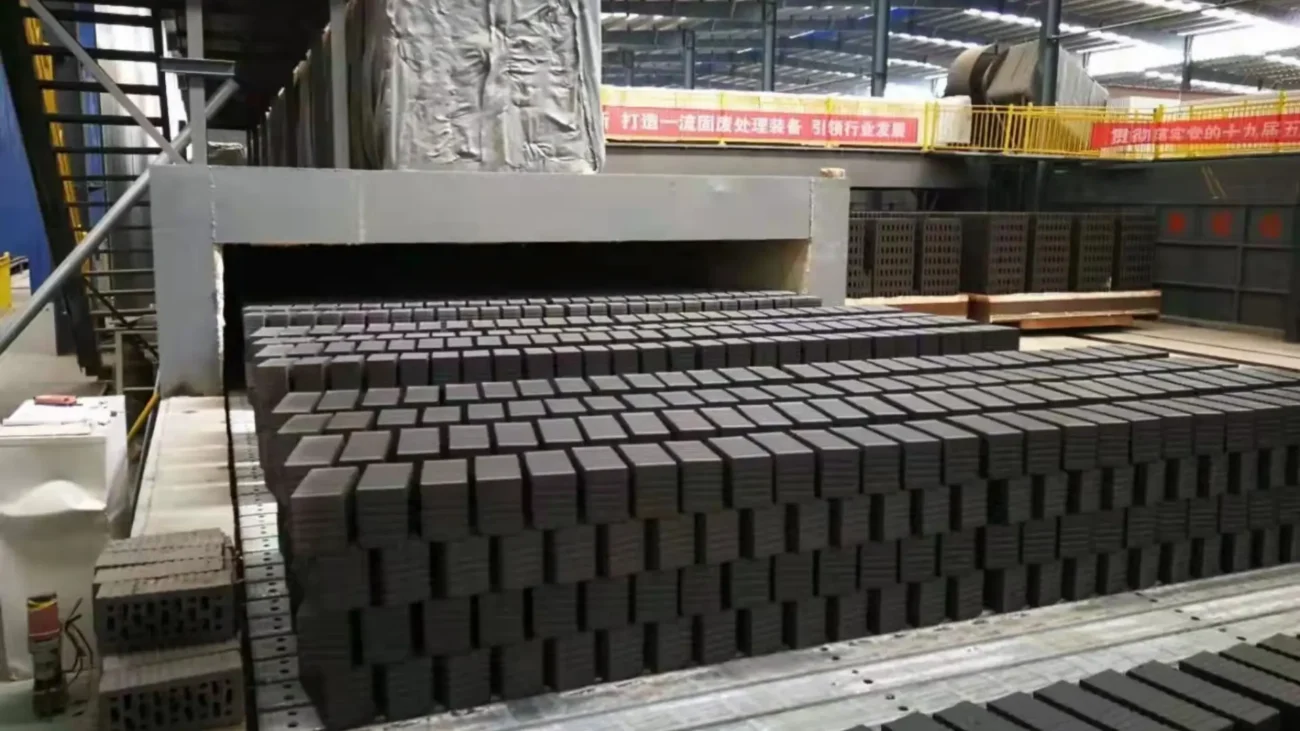
Design and Pre-Engineering phase
The installation process begins long before the first module arrives at the site. Technical precision in the design phase dictates the long-term success of the thermal processing cycle.
Site Assessment and Thermal Profiling
Engineers first analyze the specific raw materials (clay, shale, or fly ash) to determine the ideal firing curve. This data influences the length of the kiln, the placement of the burners, and the specifications of the refractory lining. Site soil testing is also conducted to ensure the foundation can support the concentrated load of the steel modules.
Modular Blueprinting
Unlike monolithic kilns, modular systems are designed as discrete sections. Each module typically includes the outer steel structure, the inner refractory lining, and integrated piping for gas and air. Detailed CAD blueprints ensure that every joint and thermal expansion gap is accounted for during the factory fabrication stage.
Factory Fabrication and Quality Control
One of the primary advantages of a prefabricated system, such as those provided by Yaxin Kiln, is that the bulk of the manufacturing occurs off-site.
Refractory Lining Installation
In a controlled factory setting, refractory bricks and high-temperature insulation are installed with much tighter tolerances than is possible in the field. This prevents heat leaks and ensures a more stable internal temperature during production. Each module is inspected for density and alignment before being cleared for shipment.
Integrated Systems Pre-Assembly
The electrical wiring for PLC sensors and the mechanical manifolds for the burner system are often pre-fitted within the modules. This “plug-and-play” capability is the cornerstone of the modular tunnel kiln installation process, significantly reducing the specialized technical labor required onsite.
Onsite Assembly and Mechanical Integration
Once the foundation is cured and the modules are delivered, the physical installation enters its most intensive phase.
Precision Leveling and Alignment
The first module is positioned using high-capacity cranes. Engineers use laser alignment tools to ensure the kiln track and the modular walls are perfectly level. Even a 2mm deviation at the entry point can cause mechanical issues with kiln cars as they move through the 100-meter-plus tunnel.
Section Joining and Sealing
As each module is placed, the interface between sections is sealed with high-temperature ceramic fiber and specialized expansion joints. This ensures the kiln remains airtight under the positive and negative pressures required for efficient airflow. Once the mechanical shell is complete, the external gas lines and electrical harnesses are connected between the modules.
Commissioning and Thermal Calibration
The final phase of the installation process involves transitioning the cold structure into a live, high-temperature manufacturing environment.
System Dry-Run and Cold Testing
Before the first burner is ignited, the PLC control system undergoes a full diagnostic check. Fans, dampers, and kiln car pushers are tested to ensure synchronized movement and airflow. This stage verifies that all sensors are communicating correctly with the SCADA interface.
Thermal Expansion and Burn-in
The kiln is heated slowly according to a strict “burn-in” schedule. This gradual temperature increase allows the refractory materials to cure and the steel structure to expand at a controlled rate. During this time, engineers monitor the expansion joints and adjust the burner settings to achieve the required firing curve for the specific brick type.
Commercial Benefits of Modular Deployment
From a procurement perspective, the modular tunnel kiln installation process offers a much higher degree of cost certainty. Traditional masonry kilns are prone to “scope creep” and labor overruns. Prefabricated systems allow for a fixed manufacturing cost and a predictable onsite timeline.
For manufacturers looking to upgrade or expand, the reduced downtime is the most significant factor. By utilizing prefabricated kiln modules, a plant can replace an aging kiln or commission a new line in a fraction of the time required for traditional construction. This speed to market provides a substantial competitive advantage in rapidly developing construction sectors.
FAQ
What is the typical lead time for a modular tunnel kiln?
The engineering and factory fabrication phase usually takes 3 to 5 months, depending on the kiln’s capacity. Onsite assembly typically requires 4 to 8 weeks, compared to 6 to 12 months for traditional masonry kilns.
How do you handle shipping for large prefabricated modules?
Modules are designed to fit standard shipping dimensions where possible, often utilizing flat-rack containers or specialized heavy-load transport. For landlocked sites, modules are transported via reinforced trailers and staged according to the assembly sequence.
Can a modular kiln be relocated in the future?
Yes. One of the unique benefits of the modular design is that the system can be decommissioned, the modules separated, and the entire kiln moved to a new facility. This protects the capital investment in a way that traditional kilns cannot.
What information is needed for an RFQ for a prefabricated kiln?
To provide an accurate quote, manufacturers need to know your required daily production capacity (e.g., bricks per day), the raw material characteristics, fuel type availability (gas, coal, or oil), and the specific site dimensions.
Reference Sources
- ASTM C71 – Standard Terminology Relating to Refractories.
- ISO 13577-1 – Industrial furnaces and associated processing equipment — Safety — Part 1: General requirements.
- The Ceramic Society of Southern Africa – Technical papers on kiln efficiency and modern brick manufacturing.
- Refractory Engineers Society – Guidelines for thermal expansion joints in tunnel kilns.
- PLC/SCADA Integration Standards – IEEE standards for industrial automation in high-temperature environments.