
Automated Tunnel Kiln Advantages: ROI & Efficiency for Brick Plants

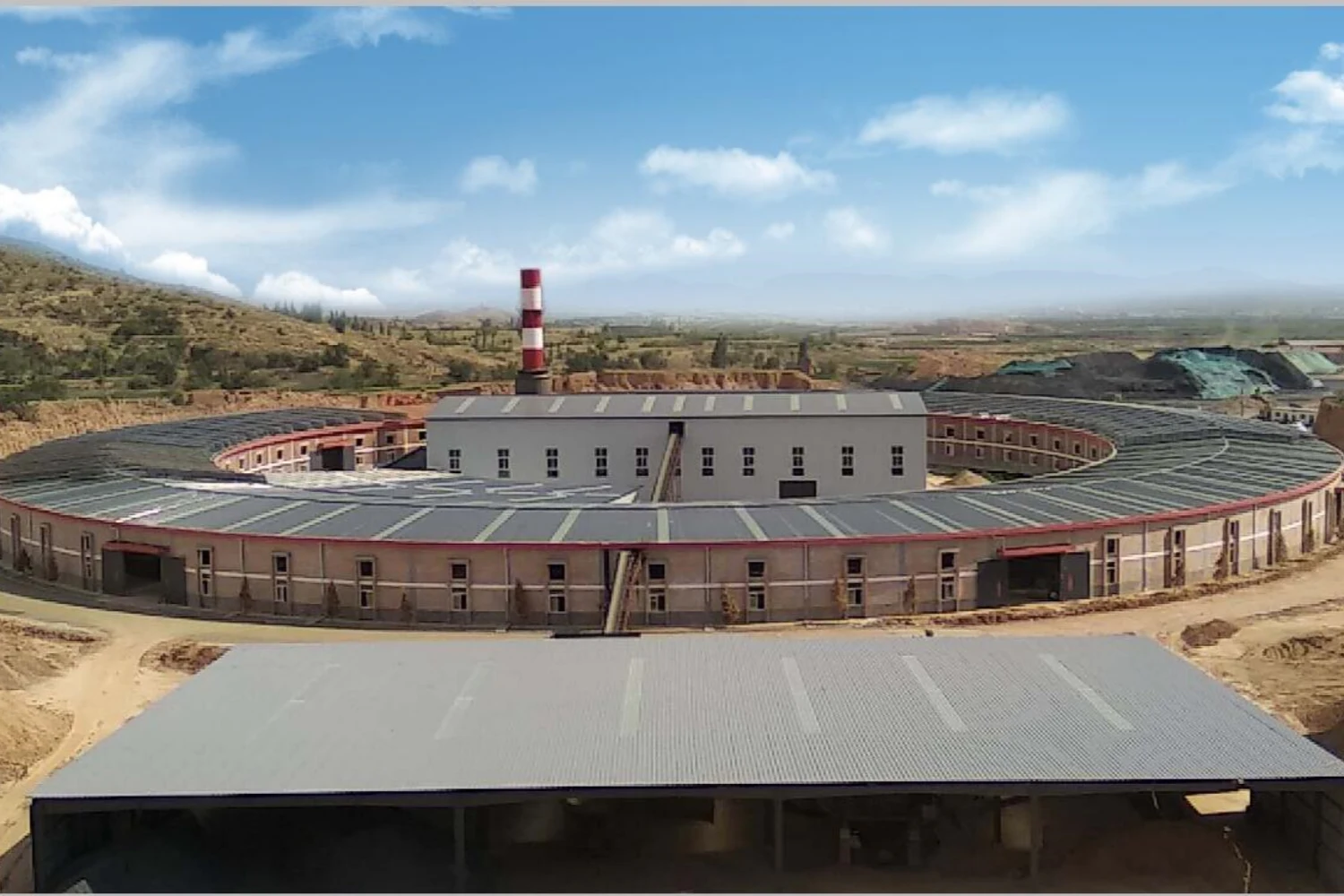
The modernization of heavy clay manufacturing has shifted the focus from sheer production volume to high-precision thermal control and resource optimization. For facility owners and OEM project managers, the transition to an automated tunnel kiln represents a structural upgrade in operational logic. Unlike traditional masonry kilns that rely on manual burner adjustments and subjective monitoring, automated systems utilize a closed-loop feedback mechanism to maintain a perfect sintering environment.
In large-scale production, thermal consistency is the primary determinant of product quality and scrap rates. An automated system eliminates the human error inherent in traditional firing, ensuring that every brick—from the first stack to the last—undergoes the exact same temperature profile. This guide analyzes the technical and commercial drivers behind the global adoption of automated thermal processing in the brick sector.
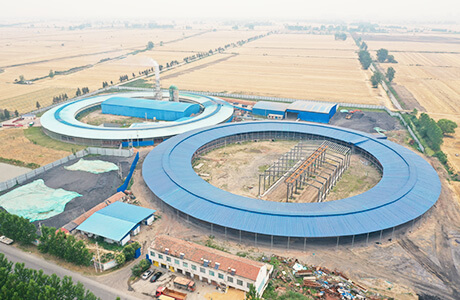
ROI Analysis of Automated Tunnel Kiln Investment
| Investment Factor | Traditional Kiln | Automated Tunnel Kiln |
|---|---|---|
| Labor Requirement | Higher | Lower |
| Production Stability | Depends on operators | Automated control |
| Energy Efficiency | Lower | Higher |
| Production Capacity | Limited | Continuous production |
| Quality Consistency | Variable | More stable |
The Technical Core: PLC Integration and Thermal Precision
The intelligence of a modern automated tunnel kiln resides in its Programmable Logic Controller (PLC) system. This is the brain of the factory, responsible for synchronizing thousands of variables in real-time.
In a high-performance kiln, sensors are strategically placed to monitor oxygen levels, pressure gradients, and temperature zones. The PLC adjusts the air-to-fuel ratio at the burners instantaneously based on these readings. This level of precision allows for:
- Optimal Gelation and Sintering: Bricks reach their peak structural hardness without over-firing.
- Dynamic Draft Control: Managing the flow of hot gases to ensure uniform heat distribution across the entire cross-section of the kiln.
- Reduced Thermal Shock: Automated cooling zones prevent micro-cracks by managing the “quartz inversion” phase of the clay precisely.
Comparison: Traditional Masonry vs. Automated Prefabricated Systems
When evaluating the commercial value of a new installation, project managers must compare legacy methods against modern modular engineering.
| Performance Metric | Traditional Masonry Kiln | Automated Prefabricated Kiln |
| Construction Time | 8–12 Months (On-site) | 2–4 Months (Modular) |
| Energy Consumption | High (Heat loss through walls) | Low (Advanced fiber insulation) |
| Labor Requirement | High (Continuous monitoring) | Low (Operator oversight only) |
| Scrap Rate | 5–10% (Uneven firing) | < 1% (Precision control) |
| Data Logging | Manual/None | Real-time IIoT Reporting |
A significant advantage of the prefabricated tunnel kiln is its ability to integrate automation hardware during the manufacturing phase. Because the modules are built in a factory-controlled environment, the sensor arrays and automated gas trains are pre-tested for calibration before they ever reach the brick factory.
Economic Impact: ROI through Energy Saving and Labor Reduction
From a B2B procurement perspective, the “Better” choice is defined by the Total Cost of Ownership (TCO). While the capital expenditure for an automated tunnel kiln may be higher than a manual setup, the operational expenditure (OpEx) savings provide a rapid internal rate of return (IRR).
1. Fuel Efficiency and Heat Recovery
In traditional kilns, energy waste through exhaust gases is a major cost driver. Automated systems utilize integrated heat exchangers to pull hot air from the cooling zone and redirect it to the drying chambers. By automating this “Total Thermal Loop,” factories can reduce fuel consumption by 20% to 35%.
2. Labor Redistribution
Automation does not just replace workers; it reallocates human expertise to quality control rather than manual burner manipulation. A single operator can manage a 150-meter kiln from a centralized SCADA (Supervisory Control and Data Acquisition) interface, significantly reducing the facility’s payroll overhead.
3. Consistency in Large-Volume Production
In the automotive and high-end construction sectors, tolerances for brick dimensions and color consistency are tight. Automated firing ensures that the “firing curve” is maintained 24/7, regardless of ambient temperature or shifts in raw material moisture content. This consistency allows factories to command premium pricing for their output.
Structural Integrity and Modular Advantages
Manufacturing consultants often highlight the “Modular Scalability” of modern kiln designs. Platforms like Yaxin Kiln focus on prefabricated structures that offer superior insulation.
Traditional firebricks have high thermal mass, which means they take longer to heat up and lose significant energy to the atmosphere. Automated prefabricated kilns often utilize high-purity ceramic fiber modules. These materials have low thermal conductivity, meaning the heat stays in the kiln and does not radiate through the shell. This “cool-shell” design is a key indicator of a high-efficiency factory.
Furthermore, the mechanical drive systems in automated kilns are designed for 24/7 duty cycles. High-torque motors and frequency inverters manage the movement of the kiln cars with millimeter precision, preventing the “car wrecks” that plague manual operations.
Where Does the ROI Come From?
The return on investment (ROI) of an automated tunnel kiln comes from multiple areas, including lower operating costs, higher production efficiency, and improved product quality. For brick manufacturers, investing in automation is not only about equipment upgrades but also about achieving long-term production benefits.
Lower Fuel Consumption
Automated tunnel kilns can optimize firing conditions through precise temperature control, airflow management, and combustion optimization. These improvements help reduce fuel waste, improve thermal efficiency, and lower overall energy costs during continuous production.
Reduced Labor Expenses
Automation reduces the need for manual operation in processes such as material handling, kiln control, and production monitoring. This helps brick plants decrease labor costs while improving operational consistency.
Higher Production Output
With continuous operation and automated control systems, tunnel kilns can maintain stable production cycles, reduce downtime, and increase overall output capacity. This allows manufacturers to produce more bricks while maintaining consistent quality.
Reduced Product Waste
Accurate temperature management and automated monitoring help reduce issues caused by uneven firing, such as cracks, deformation, or inconsistent product quality. Lower rejection rates contribute to better material utilization and higher profitability.
By improving energy efficiency, reducing labor requirements, increasing production capacity, and minimizing waste, automated tunnel kilns can provide long-term economic value for large-scale brick manufacturing plants.
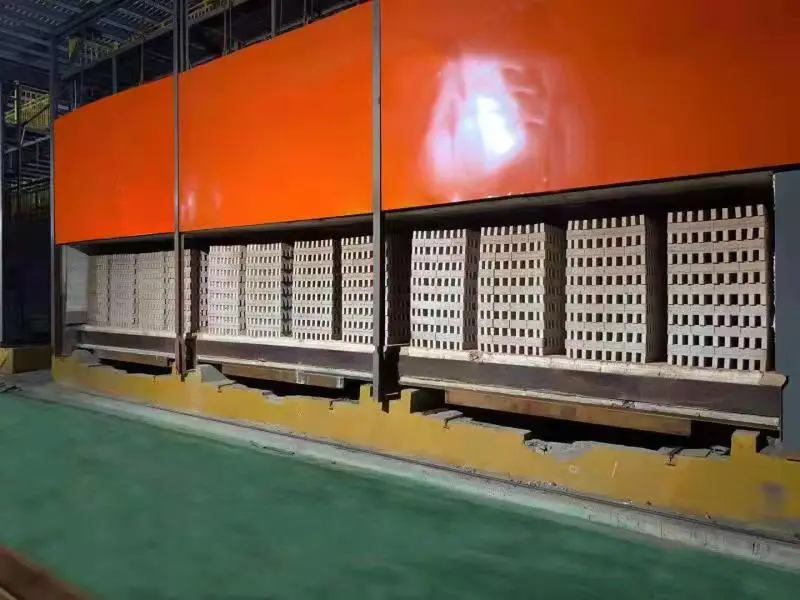
Environmental Compliance and Sustainability
As global emission standards tighten, the automated tunnel kiln provides a pathway to compliance. Precise control over the combustion process minimizes the production of Nitrogen Oxides (NOx) and Carbon Monoxide (CO).
Integrated filtration and desulfurization systems, managed by the kiln’s automation suite, ensure that the plant meets local environmental regulations. For investors, this mitigates the risk of future regulatory fines or forced shutdowns. The ability to provide “Green Brick” certifications—verified by automated data logs—is becoming a major competitive advantage in international B2B trade.
Why Choose Yaxin Automated Tunnel Kiln?
Yaxin provides professional automated tunnel kiln solutions designed for brick manufacturers and large-scale building material production plants. With advanced kiln technology and industry experience, Yaxin helps customers achieve higher production efficiency, lower energy consumption, and more stable product quality.
Professional Tunnel Kiln Manufacturer
Yaxin specializes in the design and manufacturing of industrial tunnel kiln systems, providing reliable solutions for brick, ceramic, and building material production.
Customized Kiln Solutions
Different production lines have different requirements. Yaxin provides customized tunnel kiln designs based on production capacity, product types, factory layout, fuel options, and automation needs.
Energy-Efficient Kiln Technology
Yaxin automated tunnel kilns are designed with energy efficiency in mind. Through optimized combustion systems, temperature control, and heat management, the kiln helps manufacturers reduce energy consumption and improve production performance.
Large-Scale Production Experience
Yaxin understands the requirements of large industrial production plants and provides kiln solutions that support continuous operation, stable output, and long-term production goals.
Installation and Technical Support
From project design and installation guidance to operation support, Yaxin provides professional services to ensure the tunnel kiln system operates efficiently and reliably.
Looking for an automated tunnel kiln solution for your brick plant? Contact Yaxin Kiln for customized industrial kiln systems.
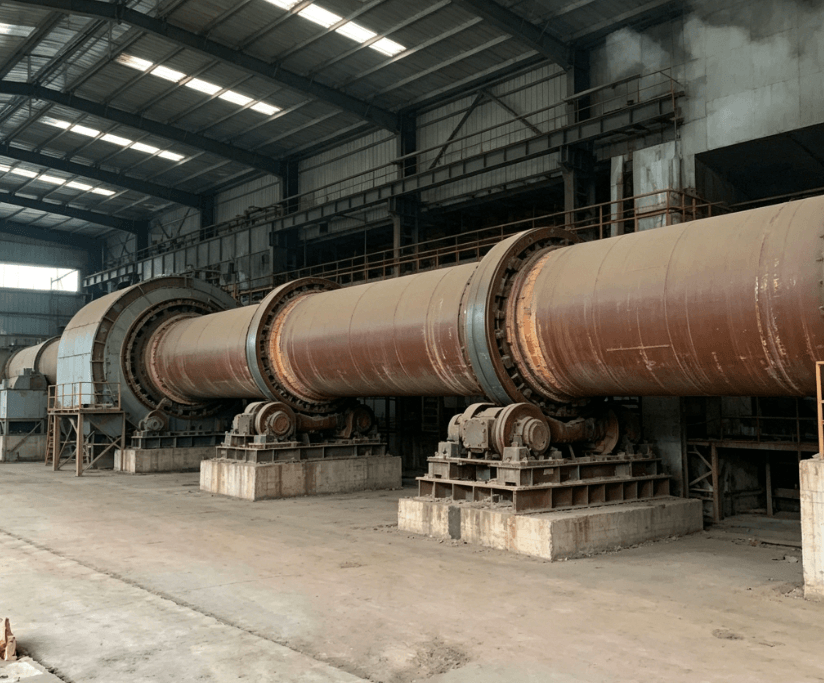
FAQ
What is the typical ROI period for an automated tunnel kiln?
In most industrial contexts, the ROI is achieved within 18 to 30 months. This accounts for the reduction in fuel costs, labor savings, and the significant decrease in product loss (scrap).
Can an existing kiln be retrofitted with automation?
While some components like burners and sensors can be added, a full retrofit is often less efficient than installing a prefabricated modular system. Legacy masonry kilns often lack the structural sealing and insulation required to maximize the benefits of modern PLC control.
How does automation handle variations in clay quality?
Advanced automated kilns utilize moisture sensors at the input stage. The PLC can then automatically adjust the ramp-up speed and firing temperature to compensate for fluctuations in the raw material’s composition, ensuring a stable end-product.
What maintenance is required for an automated system?
Technical maintenance focuses on sensor calibration and software audits. Mechanically, the burner nozzles and drive motors follow standard industrial service intervals. High-quality systems include remote diagnostic capabilities, allowing engineers to troubleshoot issues via the cloud.
Is specialized training required for plant staff?
Yes. Operators must be trained on the SCADA interface and the logic of the thermal firing curve. However, because the system is designed to be “user-friendly,” most experienced kiln workers can transition to the automated interface within 1-2 weeks of training.
What is an automated tunnel kiln?
An automated tunnel kiln is an industrial kiln system that uses automatic control technology to manage firing processes, material movement, and temperature regulation.
How does an automated tunnel kiln improve brick production?
It improves production through continuous operation, better temperature control, reduced labor requirements, and improved energy efficiency.
Are automated tunnel kilns suitable for large brick plants?
Yes. Automated tunnel kilns are especially suitable for large-scale brick production requiring stable output and consistent quality.
How much can an automated tunnel kiln reduce operating costs?
Cost savings depend on production scale, fuel type, automation level, and operating conditions.
How to choose a tunnel kiln manufacturer?
Consider engineering experience, automation capability, energy-saving technology, installation support, and after-sales service.
Reference Sources
- ISO 13577: Industrial furnaces and associated processing equipment — Safety and efficiency standards.
- ASTM C155: Standard Classification of Insulating Firebrick (Relevant for modular insulation).
- ACerS (The American Ceramic Society): Technical papers on thermodynamics in heavy clay firing.
- IEEE Industrial Applications Society: Standards for PLC and automation integration in heavy manufacturing.
- SGS/UL Testing Reports: Safety and efficiency benchmarks for industrial thermal vessels.
Summary:
Investing in an automated tunnel kiln provides brick factories with a definitive edge in thermal efficiency and quality consistency. By integrating PLC logic with modular prefabricated design, manufacturers achieve significant fuel savings and a superior industrial ROI.