
Prefabricated Tunnel Kiln Advantages: Why Large-Scale Manufacturers Choose Modular Kilns

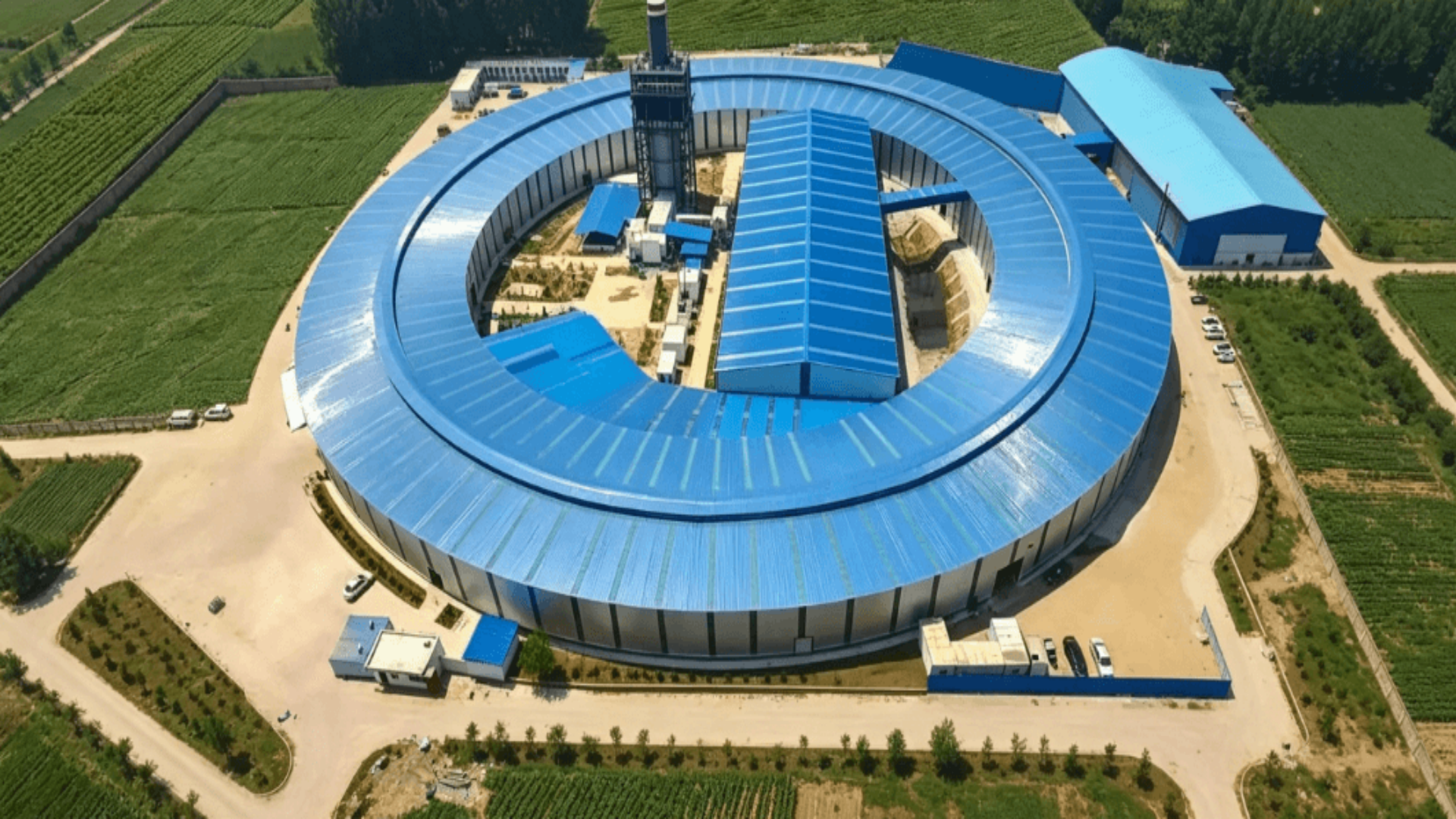
Understanding the Shift to Prefabricated Tunnel Kiln Technology
In the heavy industrial sector, particularly in brick and ceramic manufacturing, the tunnel kiln has long been the backbone of continuous production. Traditionally, these structures were built using on-site masonry—a process involving months of labor, variable material quality, and high local construction risks. However, the emergence of the prefabricated tunnel kiln has fundamentally changed the deployment logic for global manufacturers.
A prefabricated tunnel kiln is an advanced thermal processing system manufactured in modular sections within a factory-controlled environment and then assembled on-site. For project managers and facility engineers, the shift to prefabrication is driven by a need for precision thermodynamics, reduced downtime, and predictable energy performance.
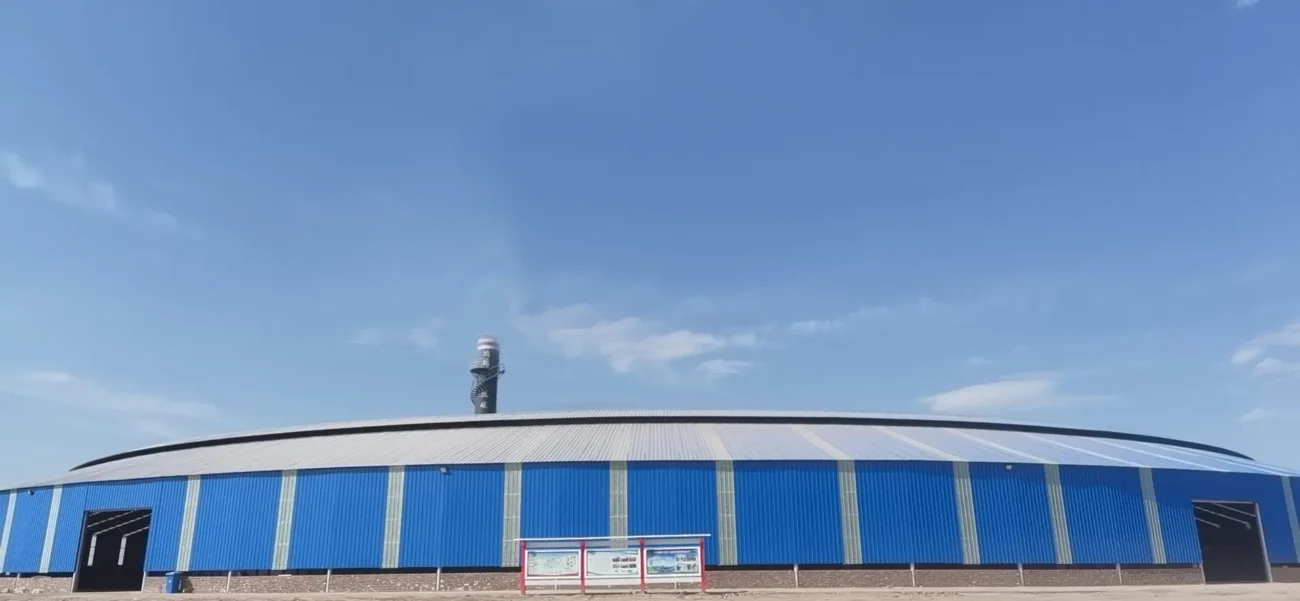
What are the Key Large-Scale Kiln Benefits?
For large-scale production, the transition to modular prefabrication addresses the three primary bottlenecks of traditional kiln construction: thermal consistency, deployment speed, and structural longevity.
- Accelerated Commissioning: While a masonry kiln can take 6–12 months to build, a prefabricated system can be assembled in a fraction of that time, allowing manufacturers to reach ROI months earlier.
- Factory-Controlled Tolerances: Manufacturing kiln modules in a factory ensures that insulation layers and refractory linings are applied with millimeter precision, eliminating the human error associated with on-site masonry.
- Enhanced Thermal Stability: Prefabricated units often utilize high-density ceramic fiber modules and lightweight refractory materials that offer superior insulation compared to heavy traditional firebricks.
Technical Engineering Advantages of Modular Design
The core of the prefabricated tunnel kiln advantage lies in its structural and thermal engineering. Modern modular kilns are designed as “independent thermal zones” that can be precisely calibrated.
1. Advanced Refractory and Insulation Systems
Unlike traditional kilns that rely on thick, heavy brick walls to retain heat, prefabricated sections utilize advanced composite linings. These often include high-purity alumina-silicate fibers and lightweight insulating bricks. This reduces the “thermal mass” of the kiln, meaning it requires less energy to reach operating temperatures and responds faster to control adjustments.
2. Precision Sealing and Gas Management
In large-scale production, air leakage is the primary enemy of fuel efficiency. Prefabricated modules are engineered with high-temperature sand seals and mechanical interlocking joints. This ensures a near-hermetic environment, allowing for precise control over the kiln’s atmosphere—a critical factor for consistent color and strength in high-volume brick production.
| Feature | Traditional Masonry Kiln | Prefabricated Tunnel Kiln |
| Construction Time | High (6–12 months) | Low (2–4 months) |
| Thermal Efficiency | Moderate (High heat loss) | High (Optimized insulation) |
| Quality Control | On-site / Variable | Factory / Standardized |
| Scalability | Fixed Structure | Modular / Expandable |
| On-site Labor | Significant masonry crew | Minimal assembly team |
Operational Excellence in Large-Scale Manufacturing
For OEM project managers, the reliability of the firing process dictates the throughput of the entire facility. The modular nature of these systems allows for “Total Thermal Loop” optimization.
By utilizing a prefabricated tunnel kiln, operators can achieve a higher degree of automation. These systems are typically integrated with PLC (Programmable Logic Controller) arrays that monitor oxygen levels, pressure gradients, and temperature zones in real-time. In large-scale environments, this data-driven approach minimizes scrap rates and ensures that every batch meets industrial hardness and porosity standards.
Furthermore, the mechanical integrity of a factory-built kiln is significantly higher. In large-volume production, the thermal expansion and contraction cycles are intense. Prefabricated sections are engineered with calculated expansion joints that prevent the structural cracking commonly seen in aged masonry kilns.
Sustainability and Environmental Compliance
Modern industrial regulations increasingly focus on carbon footprints and emission control. Prefabricated kilns are at the forefront of this “green transition.” Their superior insulation directly translates to lower fuel consumption per unit produced.
Additionally, these systems are easier to equip with integrated waste heat recovery systems. The heat captured from the cooling zone of a prefabricated kiln is often redirected to the pre-drying chambers, creating a closed-loop energy system that can reduce total fuel requirements by up to 25%. This alignment with large-scale kiln benefits ensures that facilities remain compliant with ISO 14001 environmental standards while remaining commercially competitive.
Suitability for Global Deployment
For multinational corporations, prefabrication offers a “standardized plant” model. An engineering firm can design a kiln profile in one location and deploy identical units to manufacturing sites globally with the assurance that the performance will be consistent.
The modular sections are designed to fit into standard shipping containers, making them the preferred choice for remote industrial zones or regions where skilled masonry labor is scarce. This “plug-and-play” capability for heavy industry is a major strategic advantage for companies looking to expand production capacity rapidly across borders.
How to Choose the Right Tunnel Kiln Manufacturer?
Choosing the right tunnel kiln manufacturer is critical for ensuring stable production, energy efficiency, and long-term operating performance. Before making a purchasing decision, manufacturers should evaluate several key factors:
Engineering Experience
An experienced tunnel kiln manufacturer should have a strong understanding of kiln design, thermal engineering, and different production requirements. Proven project experience helps ensure the kiln system meets specific production goals.
Production Capability
A reliable manufacturer should have advanced production facilities, strict quality control processes, and the ability to deliver complete tunnel kiln systems for large-scale industrial applications.
Customization Ability
Every production line has different requirements. A professional tunnel kiln supplier should provide customized kiln solutions based on production capacity, product types, factory layout, fuel options, and energy-saving goals.
Installation Service
Proper installation directly affects kiln performance and production efficiency. Choose a manufacturer that can provide professional installation guidance, commissioning support, and technical assistance.
After-Sales Support
Long-term technical support and maintenance services are important for ensuring continuous kiln operation. A reliable tunnel kiln manufacturer should provide spare parts supply, troubleshooting support, and operational guidance.
When selecting a tunnel kiln manufacturer, companies should consider not only equipment cost but also engineering capability, production reliability, and long-term value.
FAQ
What is the lifespan of a prefabricated tunnel kiln?
With high-quality refractory maintenance, the steel shell and modular structure of a prefabricated kiln can last 20+ years. The internal lining typically follows standard replacement cycles based on the abrasiveness and chemistry of the materials being fired.
Is a prefabricated kiln suitable for all fuel types?
Yes. Modern prefabricated systems are engineered for multi-fuel versatility, including natural gas, coal powder, biomass, or heavy oil. The burner systems are typically modular and can be upgraded as energy markets change.
Can a prefabricated kiln be moved once installed?
While not “portable” in the traditional sense, the modular design allows for the structure to be disassembled and relocated with significantly more ease and less material waste than a permanent masonry structure.
How does prefabrication affect energy costs?
The use of precision-fitted insulation and high-grade ceramic fibers typically reduces heat radiation through the kiln shell by 15-20% compared to traditional masonry, leading to direct fuel savings.
Are these kilns compatible with automation?
They are designed specifically for Industry 4.0 integration. The structures include pre-engineered ports for sensors and automated burner management systems (BMS) that ensure steady-state operation with minimal human intervention.
What is a prefabricated tunnel kiln?
A prefabricated tunnel kiln is a modular kiln system manufactured in sections and assembled on-site for efficient industrial production.
What are the advantages of a prefabricated tunnel kiln?
It offers faster installation, higher automation, improved energy efficiency and flexible production capacity.
Is a tunnel kiln suitable for large-scale brick production?
Yes. Tunnel kilns are widely used for continuous and high-volume brick and building material production.
Reference Sources
- ISO 13577: Industrial furnaces and associated processing equipment — Safety.
- ASTM C155: Standard Classification of Insulating Firebrick.
- The American Ceramic Society (ACerS): Technical reports on modular refractory systems.
- IEEE Industrial Applications Society: Standards for PLC integration in heavy machinery.
- Technical Whitepaper: “Thermodynamic Advantages of Modular Kiln Design in High-Volume Brick Production.”