
Kiln Energy Saving Techniques: Engineering Solutions to Improve Thermal Efficiency

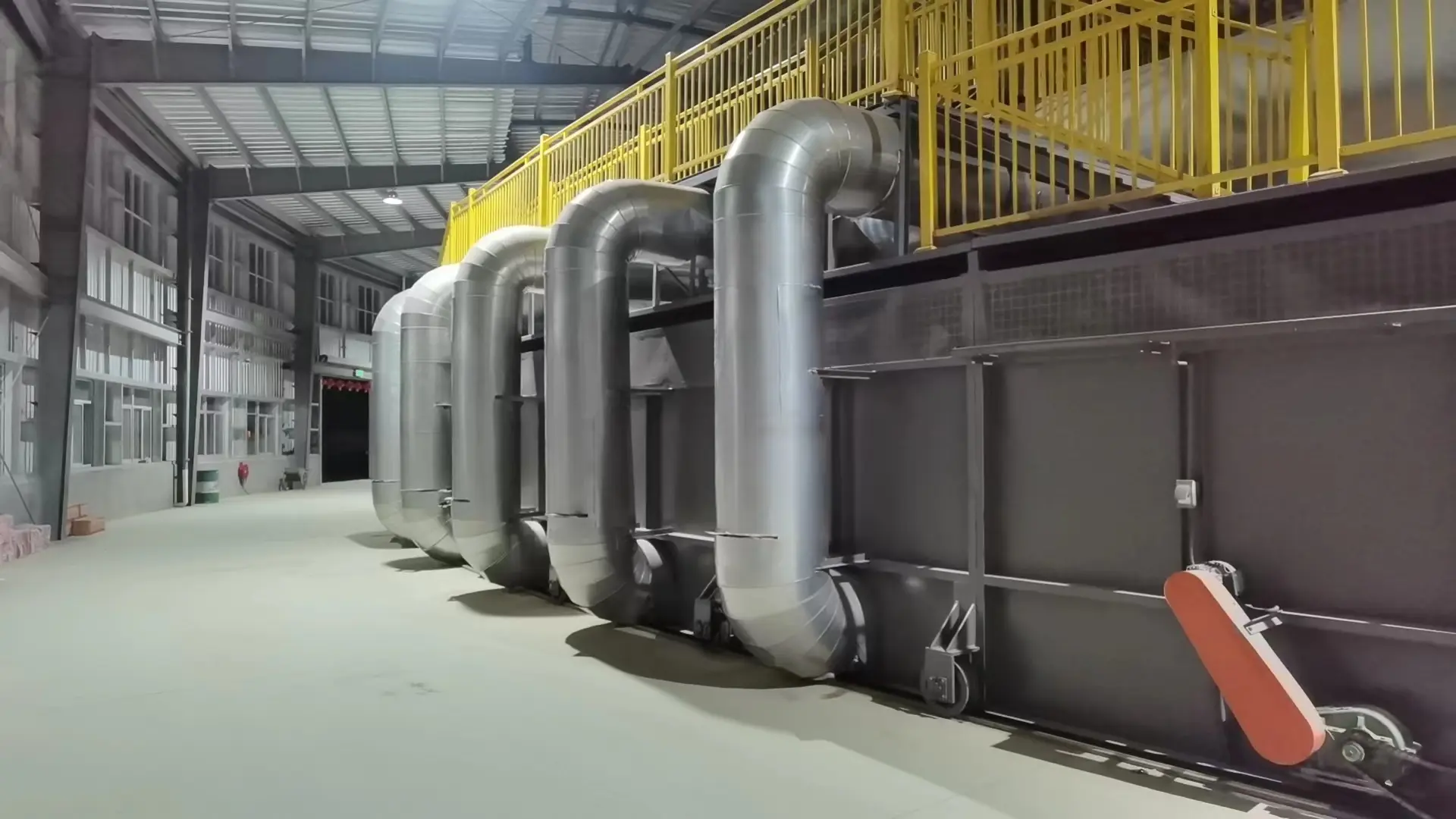
In heavy industry sectors such as cement, lime, and ceramics, thermal processing accounts for up to 70% of total energy consumption. For plant managers and facility engineers, identifying and implementing effective kiln energy-saving techniques is no longer a secondary concern; it is a primary driver of operational profitability and environmental compliance.
Improving the thermodynamic efficiency of a kiln requires a holistic view of the “Total Thermal Loop.” From the moment raw materials enter the drying zone to the discharge of the final product, energy is lost through shell radiation, flue gas exhaust, and cooling. This guide analyzes the technical interventions that optimize these thermal gradients in both rotary and tunnel kiln architectures.
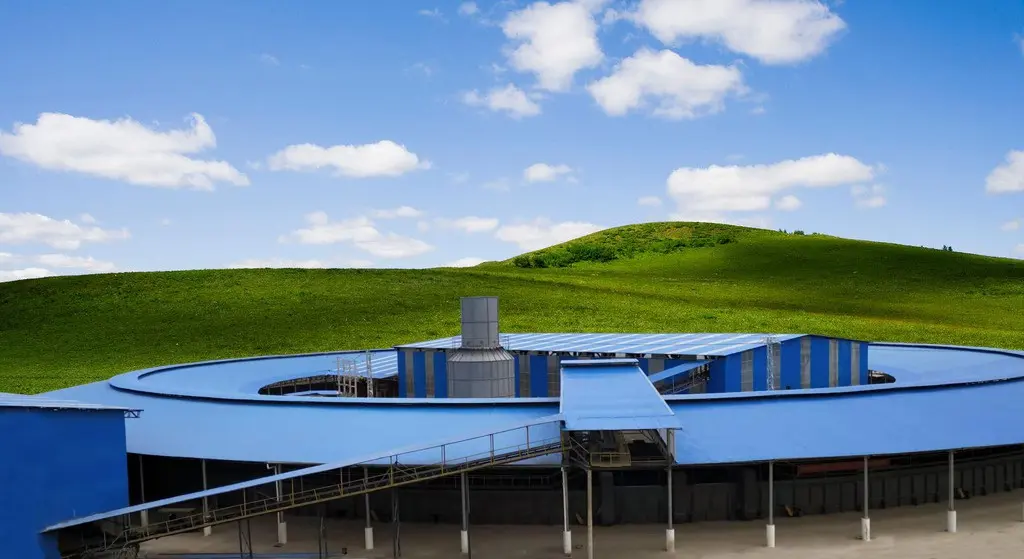
Thermodynamic Logic: Where is the Energy Going?
Before applying specific kiln energy-saving techniques, engineers must audit the specific heat consumption (SHC) of the vessel. In large-volume production, heat loss typically follows three distinct pathways:
- Exhaust Gas Loss: Hot air exiting the stack often carries away 20% to 35% of the total input energy.
- Shell Radiation: Inadequate insulation in the high-heat zone leads to surface temperatures that radiate energy into the atmosphere.
- Cooling Zone Inefficiency: Failure to recover heat from the cooling product (clinker, bricks, or aggregates) before discharge.
By quantifying these losses, a facility can prioritize upgrades that offer the shortest internal rate of return (IRR).
Refractory Engineering and Advanced Insulation Upgrades
The refractory lining is the first line of defense against thermal waste. Traditional firebricks often possess high thermal mass but mediocre insulation properties. Modern energy-saving strategies involve a transition toward multi-layered insulation.
In the high-temperature zones, utilizing high-purity ceramic fiber modules or microporous insulation boards behind the working lining can reduce shell temperatures by 50°C to 80°C. This significantly lowers radiation loss. For tunnel kilns, where structural stability is paramount, engineers often specify “sandwich” wall designs that combine mechanical strength with low thermal conductivity.
Implementing Integrated Heat Recovery Loops
Heat recovery is perhaps the most impactful of all kiln energy-saving techniques. The objective is to capture the “waste” heat from the exhaust or cooling phase and redirect it into the process.
For instance, in a modern rotary kiln system, secondary and tertiary air ducts are utilized to pull hot air from the cooler back into the burner. This pre-heated air reduces the volume of fresh fuel required to maintain the required flame temperature.
Common Recovery Workflows:
- Raw Material Pre-heating: Using flue gases to dry and heat raw materials before they enter the kiln.
- Waste Heat Boilers: Generating steam or electricity for facility-wide use from high-temperature exhaust.
- Recuperative Burners: Utilizing internal heat exchangers within the burner housing to optimize combustion.
Advanced Combustion Control and PLC Integration
A kiln is only as efficient as its control system. Manual burner adjustments often lead to “over-firing” or “under-firing,” both of which waste fuel and compromise product quality.
Integrating Programmable Logic Controllers (PLC) with oxygen and CO sensors allows for real-time combustion optimization. By maintaining the perfect air-fuel ratio, the system prevents excess air from entering the kiln. Excess air is a significant energy drain because the kiln must expend fuel just to heat that non-reactive air to process temperatures.
Furthermore, Variable Frequency Drives (VFDs) should be installed on all primary fans. In high-output manufacturing, the ability to adjust fan speed based on pressure requirements, rather than using dampers, can reduce electrical energy consumption by up to 30%.
Optimizing Raw Material Moisture and Feed Stability
Energy efficiency begins before the material reaches the burner. High moisture content in raw materials—common in clay and mineral processing—requires massive amounts of energy for evaporation.
Practical Pre-Processing Steps:
- Mechanical Dewatering: Reducing moisture via filter presses to lower the thermal load.
- Feed Uniformity: Inconsistent feeding causes thermal spikes. Utilizing automated dosing systems ensures the kiln maintains a steady-state temperature, preventing the fuel surges required to “catch up” to a cold mass of material.
Comparative Energy Profiles of Modern Thermal Vessels
Choosing the right kiln architecture is fundamental to energy management. While rotary and tunnel kilns serve different applications, their efficiency profiles vary significantly.
| Efficiency Metric | Rotary Kiln (Standard) | Tunnel Kiln (Prefabricated) |
| Specific Heat Consumption | Moderate to High | High (with modular insulation) |
| Shell Loss Control | Complex (due to rotation) | Easier (Static structure) |
| Recovery Potential | Excellent (Secondary air) | Good (Waste heat drying) |
| Best For | Minerals, Cement, Lime | Bricks, Ceramics, Tiles |
For facilities prioritizing rapid ROI and energy efficiency, prefabricated modular tunnel kilns are often preferred over legacy masonry designs. Their factory-controlled tolerances ensure that insulation is perfectly fitted, eliminating the thermal bridges common in on-site construction.
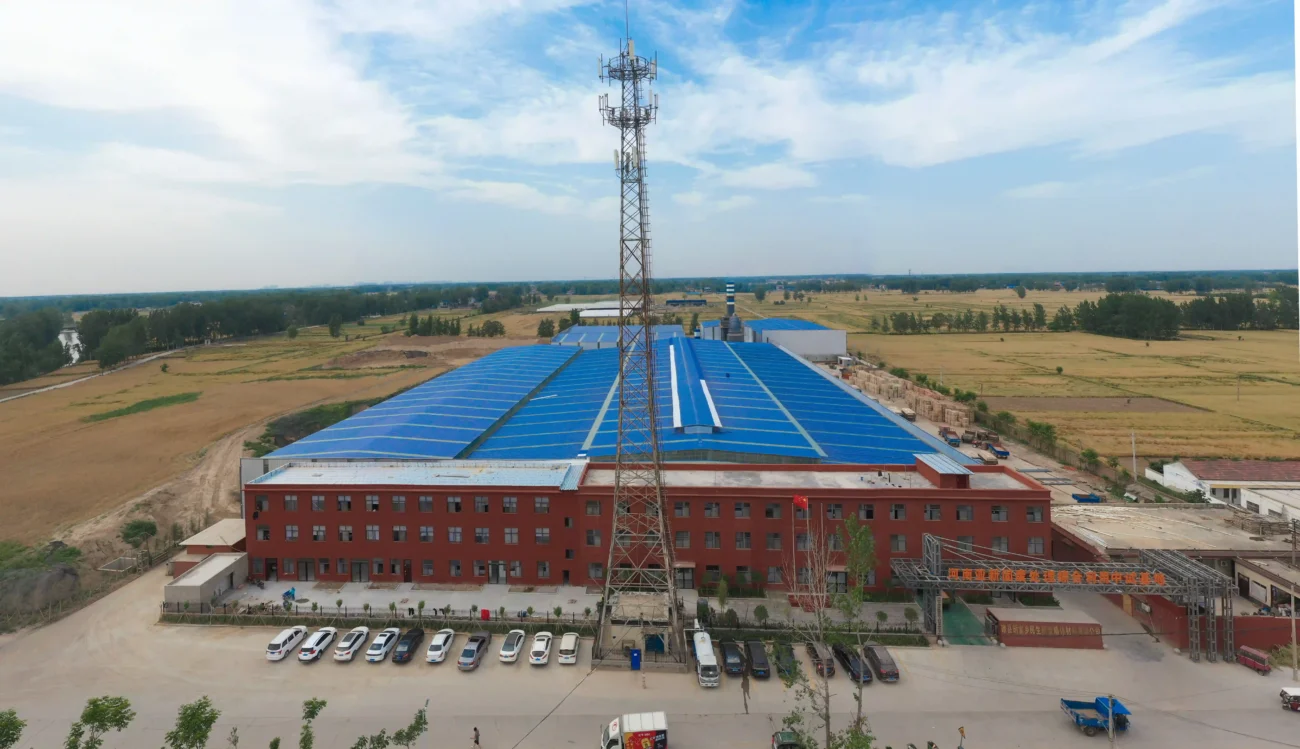
Energy Saving Kiln Project Case
Customer:
Brick Manufacturing Plant
Challenge:
High fuel consumption and unstable firing efficiency.
Solution:
Implemented an energy-efficient tunnel kiln system with improved insulation structure, optimized combustion control, and heat recovery technology.
Result:
Improved thermal utilization efficiency, reduced energy waste, and enhanced production stability.
FAQ
What is the “Golden Rule” of kiln energy saving?
The “Golden Rule” is: “If it’s hot, don’t let it go.” Every degree of temperature in exhaust gas or a hot product represents fuel that has been paid for. If you aren’t recovering that heat, you are losing profit.
How does excess air affect fuel consumption?
Excess air acts as a “heat sink.” Every cubic meter of air that enters the kiln but does not participate in combustion must be heated to the process temperature (e.g., 1000°C+). This requires significant extra fuel for no productive gain.
Are ceramic fibers better than traditional firebricks?
Ceramic fibers offer much lower thermal conductivity and lower heat storage, making them better for insulation. However, they lack the mechanical abrasion resistance of firebricks. Engineers typically use a combination of both to balance durability and efficiency.
Does kiln automation really save fuel?
Yes. In most industrial cases, transitioning from manual control to an automated PLC system with oxygen-trimming capabilities results in a 5% to 12% reduction in fuel consumption by stabilizing the thermal profile.
What role does seal integrity play in energy saving?
Poor seals at the kiln head or tail allow “false air” to leak in. This disrupts the draft, cools the internal atmosphere, and forces the burners to work harder, leading to immediate energy waste.
What are the main ways to improve kiln energy efficiency?
Kiln energy efficiency can be improved through better insulation, optimized combustion systems, heat recovery technology, airflow management, and automatic temperature control.
How can an industrial kiln reduce fuel consumption?
Industrial kilns can reduce fuel consumption by improving heat utilization, minimizing heat loss, optimizing burner performance, and maintaining stable firing conditions.
Why is kiln insulation important for energy saving?
Effective insulation reduces heat loss through the kiln structure, allowing more energy to be used for the firing process and improving overall thermal efficiency.
What is kiln heat recovery?
Kiln heat recovery uses waste heat from exhaust gases or cooling zones and redirects it back into the production process to reduce additional fuel requirements.
Reference Sources
- ISO 13577: Industrial furnaces and associated processing equipment — Safety and efficiency standards. ISO.org
- ASTM C155: Standard Classification of Insulating Firebrick. ASTM.org
- ACerS (The American Ceramic Society): Technical papers on thermal processing and refractory science. Ceramics.org
- Energy Efficiency in the Brick and Tile Industry: European Union BREF (Best Available Techniques) documents.
- IEEE Industrial Applications Society: Standards for PLC and VFD integration in heavy machinery.
Summary
Implement kiln energy-saving techniques such as heat recovery loops and advanced refractory insulation to cut fuel waste. Automation and raw material management are essential for maximizing industrial thermal efficiency and B2B ROI.