
Industrial Brick Kiln Systems: Design Principles, Thermal Efficiency and Supplier Guide

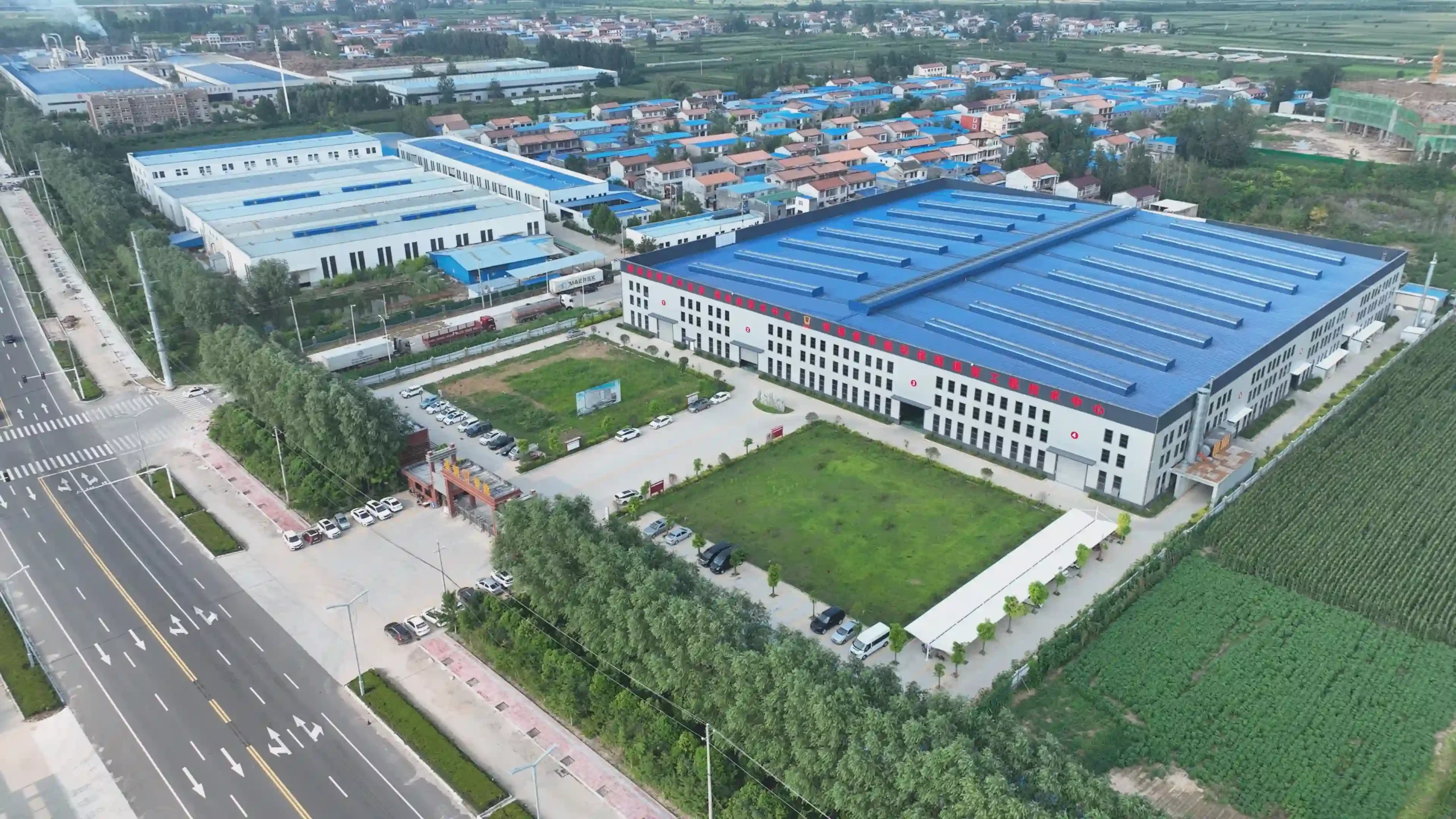
A brick making kiln system represents the most critical investment in the ceramics and construction material industry. It is a sophisticated thermal reactor where green bricks undergo vitrification—a complex chemical process that transforms raw clay into a high-strength, weather-resistant building component.
Engineering a kiln requires a deep understanding of thermodynamics, fluid dynamics, and material science. In modern industrial contexts, the objective is to achieve maximum throughput while minimizing fuel consumption and ensuring that every brick in the chamber reaches its required structural maturity.
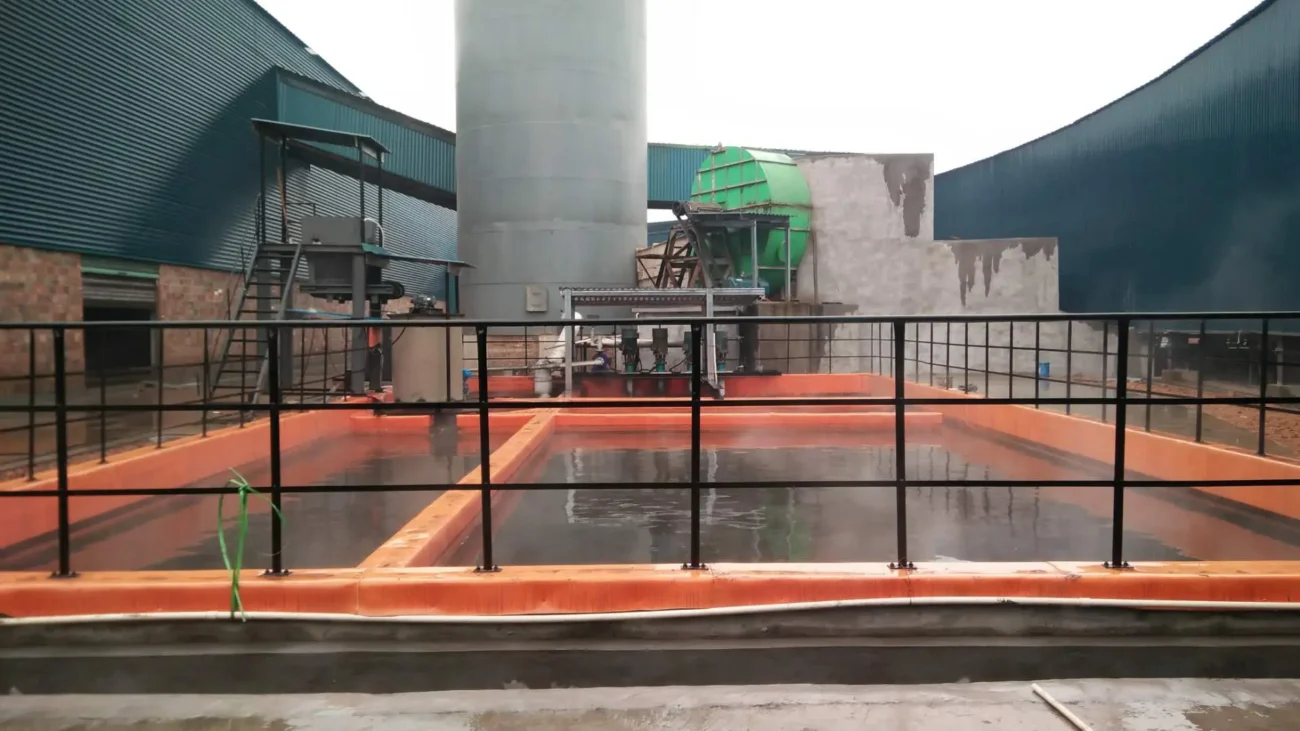
The Thermodynamics of the Brick Firing Cycle
The process inside a brick making kiln system is categorized into four distinct thermal zones. Each zone must be precisely controlled to prevent defects such as cracking, bloating, or internal structural weakness.
Evaporation and Pre-heating (Ambient to 400°C)
During this initial stage, the system removes both free moisture and chemically bonded water from the clay. If the temperature rise is too rapid, the internal steam pressure will exceed the tensile strength of the green brick, leading to explosive spalling.
The Oxidation Phase (400°C – 850°C)
This stage is essential for burning off carbonaceous matter and sulfur. A reliable kiln system must provide a steady supply of excess oxygen during this phase. Failure to oxidize the core of the brick results in “black coring,” which significantly reduces the durability and aesthetic quality of the finished product.
The Vitrification Zone (900°C – 1250°C)
Vitrification is the heart of the firing process. At these temperatures, the silica and alumina in the clay begin to fuse, creating a glass-like bond that fills the pores. The system must maintain a “soak time” at the peak temperature to ensure the chemical reaction is uniform across the entire batch.
Controlled Cooling and Quartz Inversion
Cooling is as critical as heating. As bricks cool, the silica (quartz) undergoes a volume change at approximately 573°C. The kiln’s ventilation system must manage the cooling rate through this “quartz inversion” point to avoid micro-cracking and thermal shock.
Comparing Industrial Kiln Architectures
Industrial manufacturers select kiln systems based on the desired production volume, the specific mineralogy of their clay, and energy costs.
| Kiln Architecture | Operating Principle | Energy Efficiency | Primary Application |
| Tunnel Kiln | Continuous movement through zones | High (Heat Recovery) | High-volume building bricks |
| Rotary Kiln | Material tumbles in a rotating cylinder | Excellent (Heat Transfer) | Specialized aggregates & calcining |
| Hoffman Kiln | Moving fire through stationary chambers | Moderate | Manual-intensive production |
| Shuttle Kiln | Batch firing in a sealed chamber | Variable | Refractories & custom ceramics |
For high-volume operations, the tunnel kiln remains the standard. However, for specialized materials such as expanded clay or the processing of raw minerals for ceramic production, a rotary kiln system offers unique advantages. The continuous rotation ensures that each particle or brick component is subjected to uniform heat exposure, which is particularly effective for sintering processes that require high mechanical agitation and rapid heat exchange.
Critical Components of an Engineered Kiln System
A high-performance brick making kiln system is an integration of several mechanical and digital sub-units designed to operate in extreme environments.
Refractory and Insulation Layers
The internal lining must withstand repeated thermal cycling. Modern kilns utilize a combination of high-alumina refractory bricks for the hot face and ceramic fiber modules for the insulation layer. This dual-layer approach minimizes the “skin temperature” of the kiln, reducing energy loss to the atmosphere.
Combustion and Burner Technology
Burners must be capable of precise modulation. Whether using natural gas, pulverized coal, or biomass, the combustion system must maintain a stable flame and consistent air-to-fuel ratios. High-velocity burners are often used to create turbulence, ensuring that heat reaches the center of the brick stacks.
Airflow and Draft Management
Kilns rely on sophisticated fans and dampers to manage the draft. This system pulls the hot air from the cooling zone back to the pre-heating zone, significantly lowering the total energy required to fire the bricks. Proper draft control also ensures that the kiln atmosphere remains consistent, which is vital for color control in architectural bricks.
Engineering for Maximum Thermal Efficiency
With energy costs accounting for a massive percentage of operational overhead, efficiency is the primary focus of modern kiln design.
Waste Heat Recovery Systems
In a continuous kiln, the energy used to cool the bricks is captured and redirected to the drying chambers. This “closed-loop” thermal logic can reduce total energy consumption by up to 30%.
Kiln Car Optimization
In tunnel kilns, the “kiln cars” themselves act as heat sinks. Engineers now design lightweight kiln cars using vacuum-formed ceramic fibers. By reducing the thermal mass of the transport equipment, more energy is directed toward the bricks rather than the machinery.
Automated Control Systems
Advanced SCADA (Supervisory Control and Data Acquisition) systems monitor hundreds of data points per second. These systems can automatically adjust burner output or fan speeds in response to changes in ambient humidity or raw material consistency, ensuring a “Zero Defect” production run.
Material Compatibility and System Selection
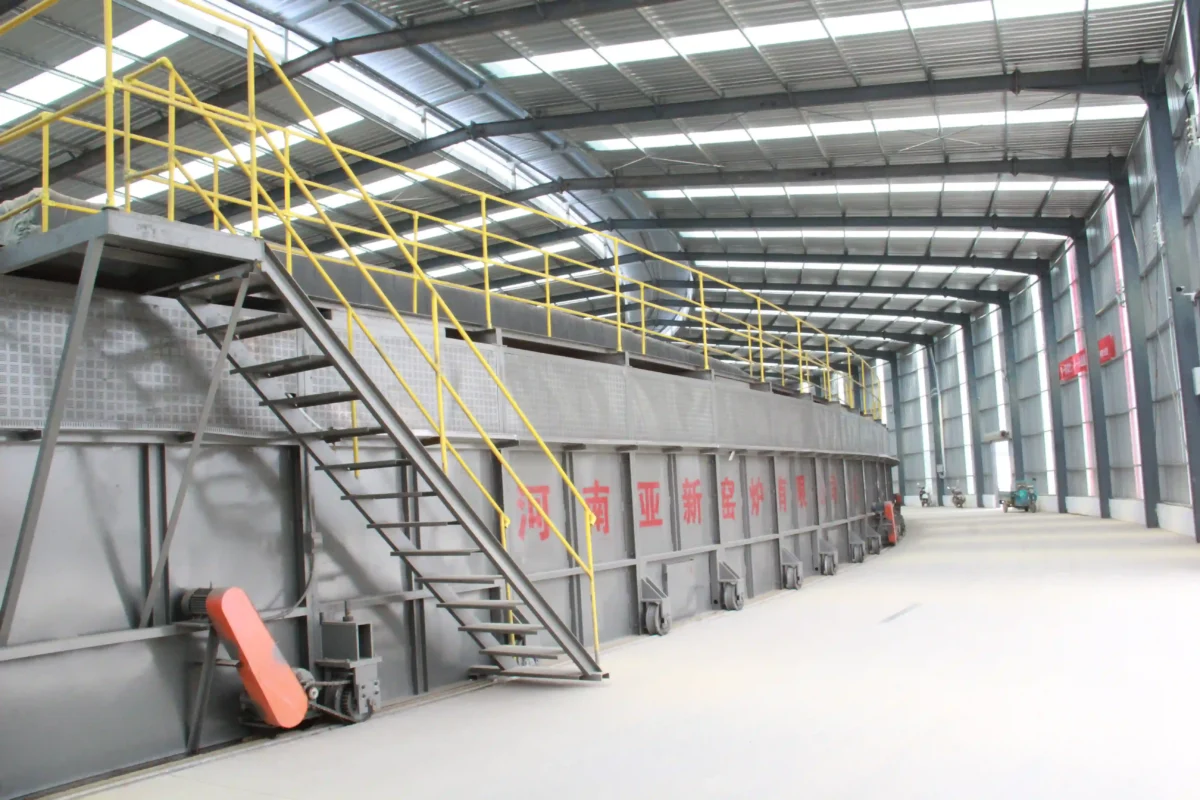
The choice of a brick making kiln system is ultimately dictated by the raw material’s behavior under heat.
For example, clays with a narrow vitrification range require the extreme precision of a shuttle or tunnel kiln. Conversely, materials that need to be processed into lightweight granules or those requiring rapid calcination are better suited for the mechanical dynamics of a rotary system. Engineers must analyze the Dilatometry and Differential Thermal Analysis (DTA) of the clay before finalizing the kiln specifications to ensure the system can handle the material’s specific thermal expansion and contraction traits.
FAQ
What is the difference between a batch kiln and a continuous kiln?
A batch kiln fires a single load of bricks at a time, allowing it to cool before unloading. A continuous kiln, like a tunnel or rotary system, stays at a constant temperature while bricks move through it, offering significantly higher efficiency and output.
Why do bricks change color during the firing process?
Color is determined by the mineral content of the clay (like iron oxide) and the kiln’s atmosphere. An “oxidizing” atmosphere (plenty of oxygen) typically produces red or buff colors, while a “reducing” atmosphere (low oxygen) can create darker, flashed, or metallic finishes.
How does a rotary kiln differ in its application for brick making?
While traditional kilns are for solid blocks, rotary systems are often used for the raw material preparation phase or for creating lightweight expanded clay. The rotating motion provides excellent heat transfer for smaller particles that need uniform sintering.
What causes bricks to crack inside the kiln?
Cracking is usually the result of thermal shock or improper moisture removal. If the “pre-heat” or “cooling” stages are too fast, the internal stresses of the brick exceed its material strength, leading to structural failure.
What factors should I consider when choosing a brick kiln system?
Key factors include production capacity, fuel type, automation level, energy efficiency, and maintenance requirements.
What is the difference between a tunnel kiln and a traditional kiln?
Tunnel kilns provide continuous firing, better temperature control, and higher production consistency compared with traditional batch kilns.
How can I find a reliable brick kiln manufacturer?
Evaluate the supplier’s engineering experience, project capability, technical support, and complete kiln solution services.
Reference Sources
- The American Ceramic Society (ACerS) – Technical standards for vitrification and refractory engineering.
- ISO 13574:2015 – Standards for industrial furnaces and associated processing equipment.
- ASTM C216 – Standard specifications for facing brick made from clay or shale.
- The European Ceramic Society (ECerS) – Research on energy efficiency in industrial firing systems.