
Brick Factory Setup Cost: Equipment, Kiln and Infrastructure

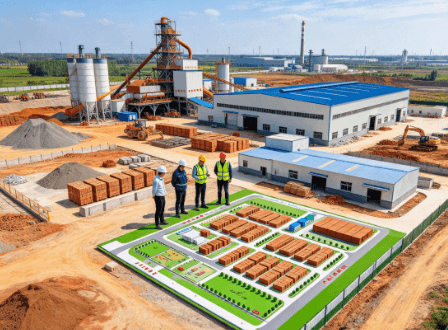
A useful estimate of brick factory setup cost starts with the product and annual output the plant must deliver. A budget built from a kiln price alone can miss the forming line, dryer, material handling, site utilities, installation and commissioning. Those omissions often appear later as scope changes rather than as a lower project cost. A realistic brick factory setup cost estimate begins by tying the full project scope to saleable output.
This guide gives investors and procurement teams a practical framework for defining a new clay brick plant budget. Actual prices depend on country, capacity, product mix, local construction costs, fuel, automation and the delivery boundary agreed with each supplier. Treat the categories below as a scoping checklist, not as a universal price list.
Define the plant before comparing quotations
Write down the brick formats, target saleable output, working days, expected product mix and local market requirements. A line designed for hollow blocks may need different extrusion, cutting, stacking and drying arrangements from one focused on solid facing bricks. Raw-material testing also matters: plasticity, moisture, shrinkage and mineral composition can change preparation and drying requirements.
Capacity should be expressed as saleable pieces and fired tonnes for named products. The CCAC project assessment guideline treats productivity alongside fuel, land, investment and operating costs, which is a better basis for comparing project options than a single nameplate figure.
Main brick factory setup cost categories
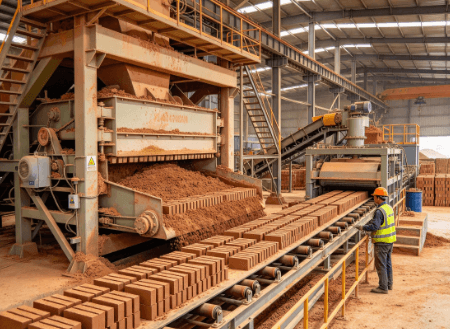
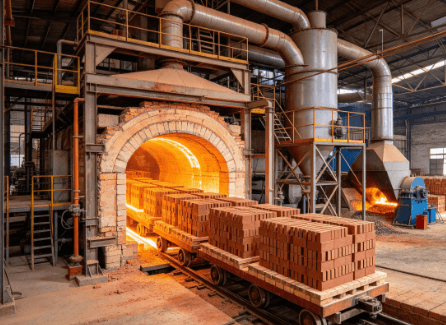
A complete project budget commonly includes land preparation and buildings; clay excavation and transport; crushing, screening and mixing; extrusion or forming and cutting; drying; kiln and firing equipment; setting, unloading and packaging; electrical, water, compressed-air and fuel systems; emissions-control equipment where required; engineering, freight, taxes, installation and commissioning; and initial spares, training and working capital. The UNIDO brickmaking plant profile is a useful historical reference for how plant establishment involves process, drying, kiln and material-handling decisions together. Its old cost figures should not be treated as current quotations.
Separate equipment supply from civil works and local services in the budget. Ask suppliers to identify what is included in the kiln package, what must be supplied by the buyer, and which interfaces require local contractors. For kiln options, compare the proposed scope on the Yaxin rotary kiln page with the project requirements rather than assuming that a product page is a complete EPC quote.
Build a realistic investment model
Use a base, conservative and expansion case. Include contingencies for ground conditions, exchange rates, shipping, duties, commissioning delays and ramp-up yield. Estimate operating costs separately: fuel, electricity, labor, maintenance, consumables, water, reject handling and logistics. A lower equipment price does not establish a lower cost per saleable brick if output, yield or energy performance differs.
Ask each supplier to state the production basis, fuel assumptions, included auxiliaries, emissions scope, installation boundary, commissioning tests and exclusions. Keep vendor claims separate from owner-side estimates so the project team can update each value as quotations and site data arrive.
Prepare the RFQ around project evidence
Share brick drawings, representative raw-material data, climate, site layout, target output, fuel availability and local compliance requirements. Request a line list, utility schedule, layout, implementation milestones, acceptance criteria and a clear price breakdown. The Yaxin project news and case updates can help buyers understand the kinds of site and operating constraints to discuss, but each project still needs its own engineering review.
What is usually the largest cost in a brick factory?
There is no fixed answer. The kiln, forming line, dryer, civil works or emissions equipment can dominate depending on capacity, plant condition, product and country. Compare a complete scope on the same production basis.
Can a kiln price estimate represent total factory setup cost?
No. It may exclude land, buildings, brick preparation and forming equipment, dryer, utilities, emissions controls, freight, local construction, installation, commissioning and working capital. Confirm the boundaries before comparing offers.
For an initial project review, prepare the product mix, raw-material data, site information, available fuels and target annual sales volume before asking for a proposal.
Turn the budget into a comparable project model
Use a cost worksheet with an owner, estimate range, quotation status and dependency for every line item. Separate one-time capital costs from recurring operating costs, then mark items that depend on a site survey or authority review. This makes uncertainty visible instead of hiding it inside one contingency figure.
Connect annual output to realistic operating days, shifts, planned maintenance and ramp-up. Include working capital for fuel, clay handling, packaging and payroll while customer payments are still developing. Test a conservative case where yield improves more slowly or product mix differs from the sales forecast. Nameplate capacity should not be treated as guaranteed sales.
Normalize the boundary of each equipment offer. Check whether commissioning, operator training, control panels, start-up spares, freight, taxes, civil foundations and performance testing are included. Put exclusions in a separate list and assign a provisional allowance so a low headline price does not conceal buyer-supplied scope.
What should be ready before requesting a quotation?
Prepare product drawings and samples, target saleable output, raw-material data, site layout, utility availability, fuel specification, automation preference and destination-market requirements. Label preliminary information and ask suppliers to state which assumptions affect design and price.