Tunnel Kiln for Hollow Brick Manufacturing: What to Consider

Tunnel Kiln for Hollow Bricks describes a continuous firing system commonly used where high throughput and consistent thermal profiles are required. For buyers evaluating new or replacement equipment, the primary objective is predictable product quality across the entire load while keeping operating costs, emissions and uptime under control.
This article helps procurement and plant engineering teams compare designs, identify site and process validation needs, and prepare an effective RFQ. It separates supplier-provided features from independent technical considerations and points to the key tests and data you should request before purchase.
Tunnel kiln for hollow bricks — overview
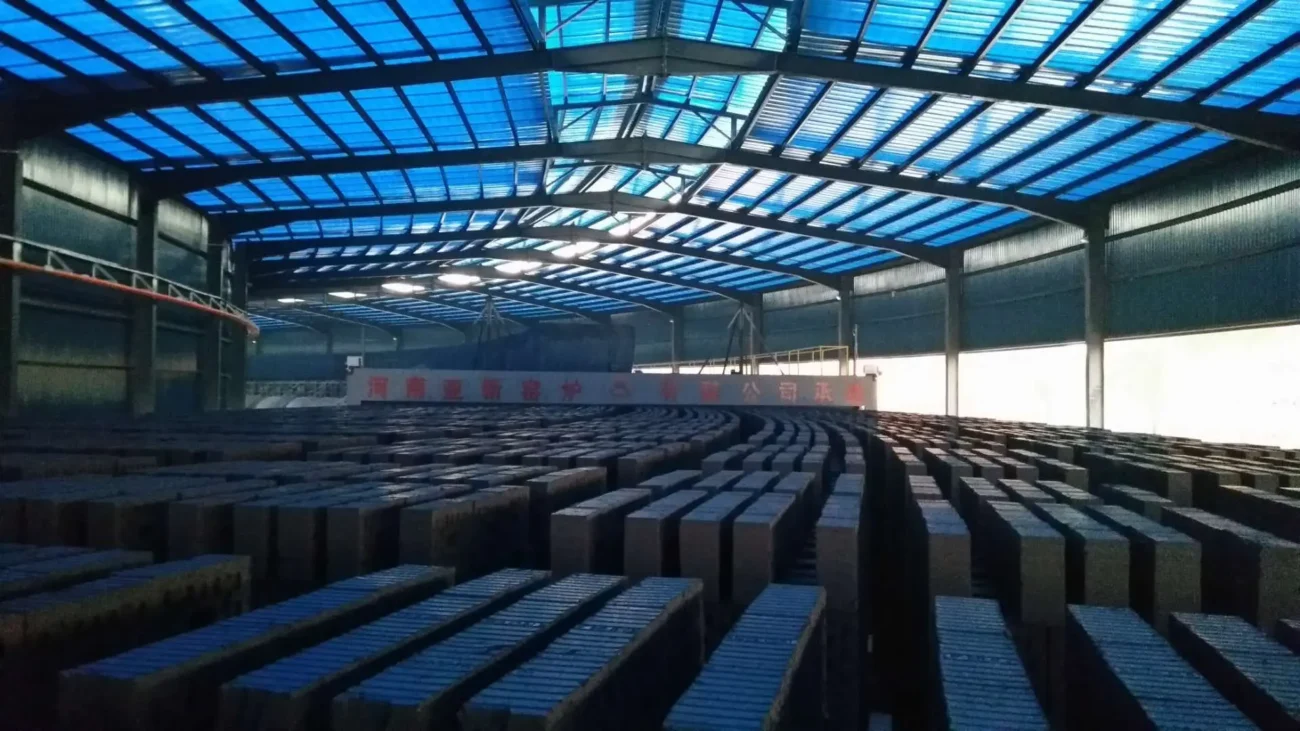
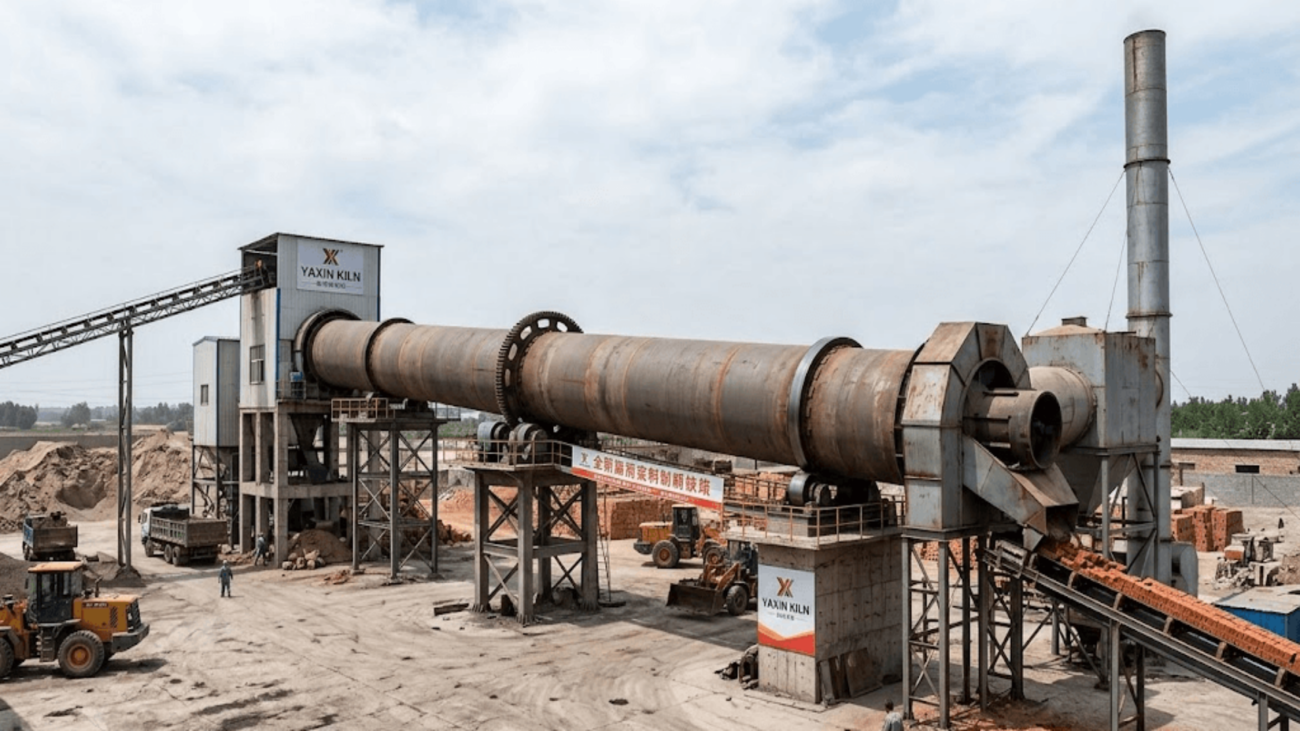
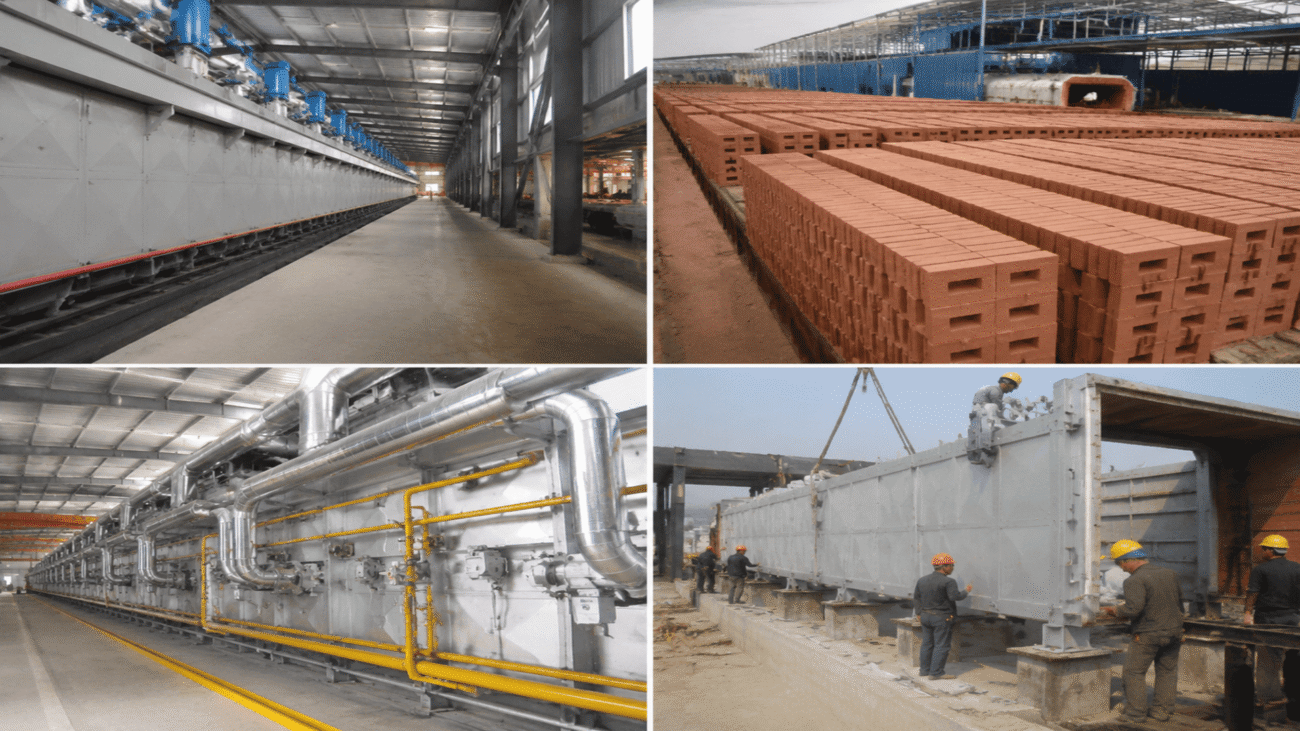
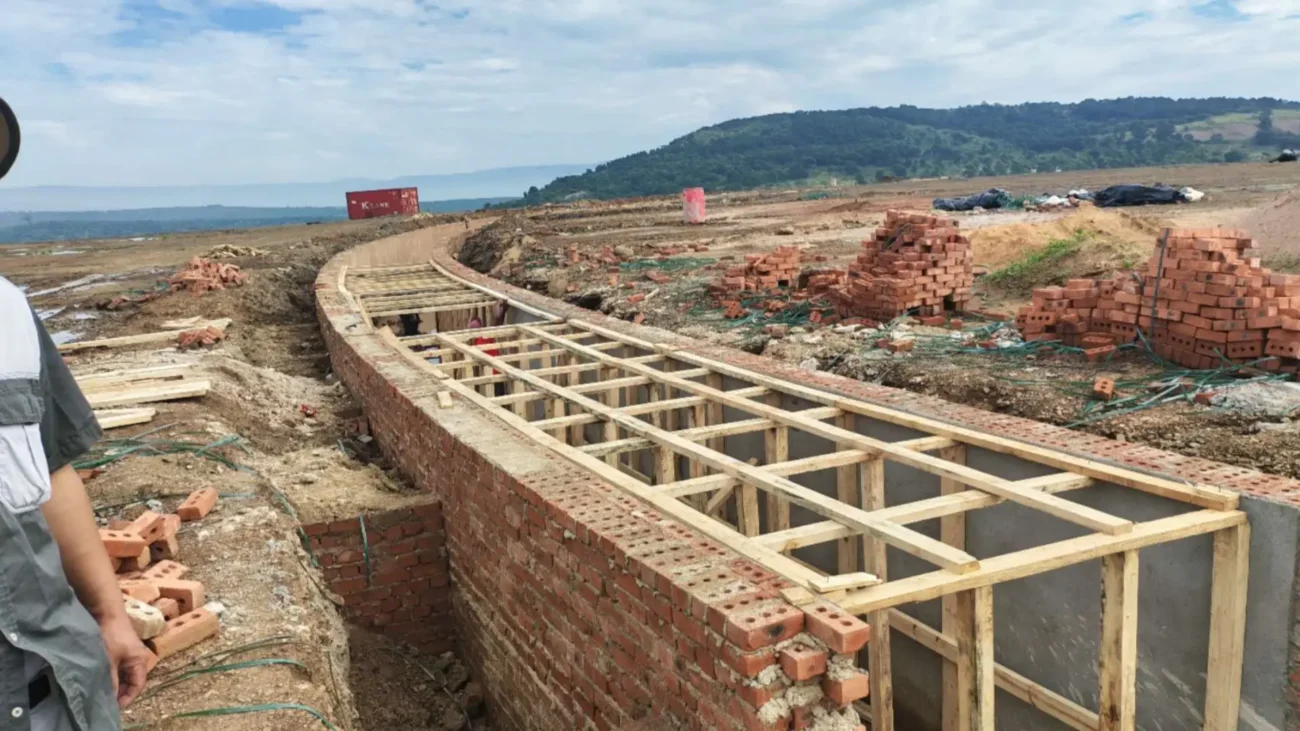
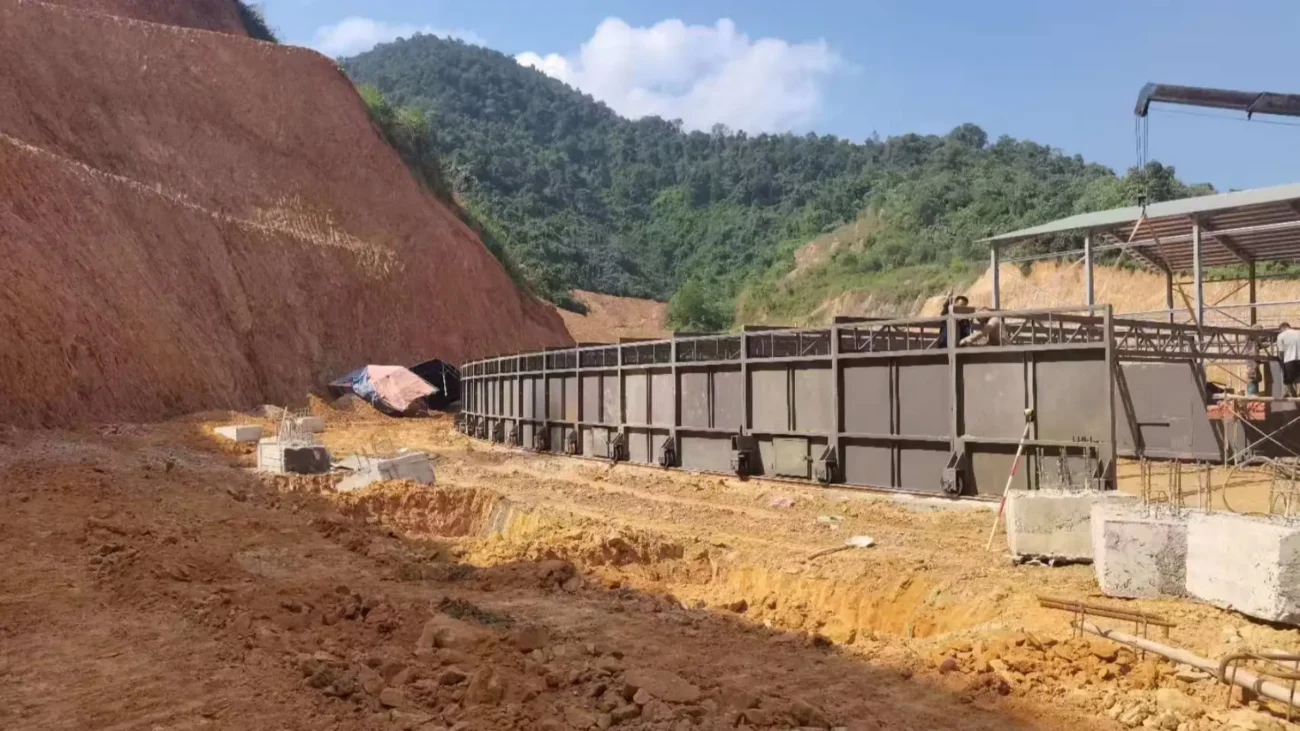
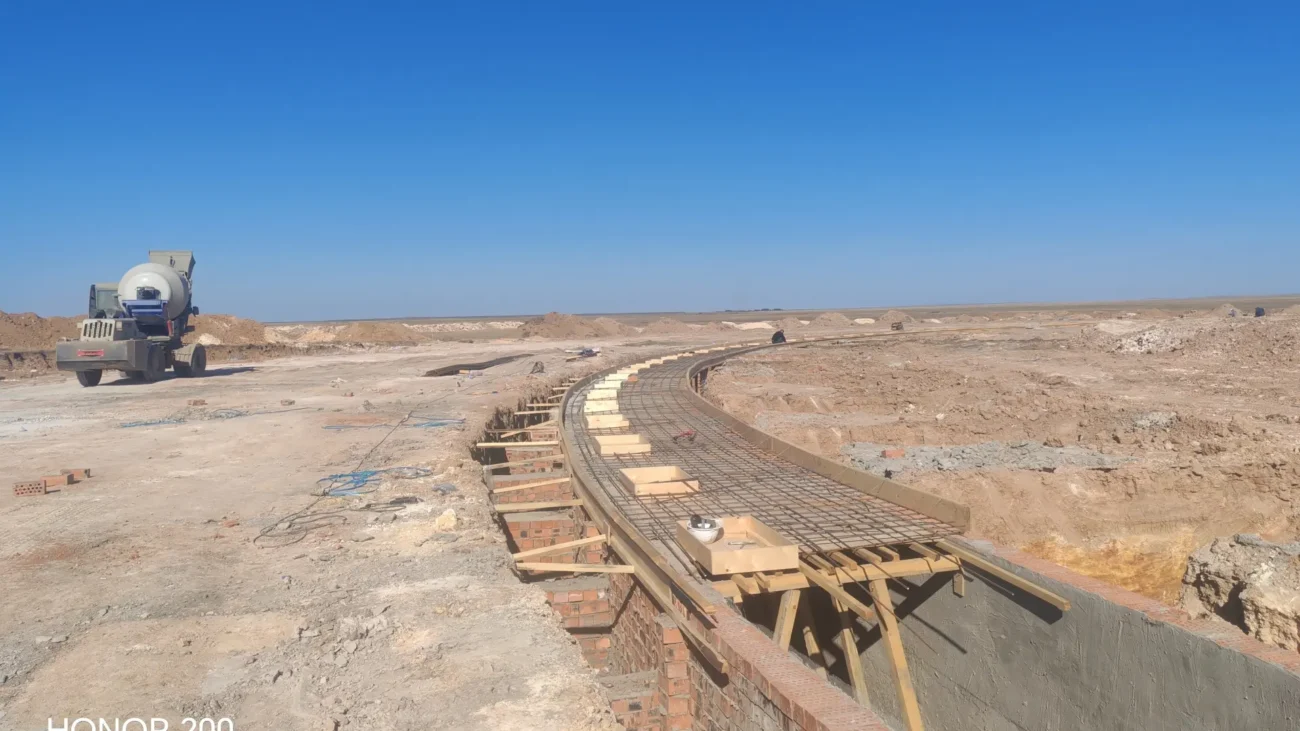
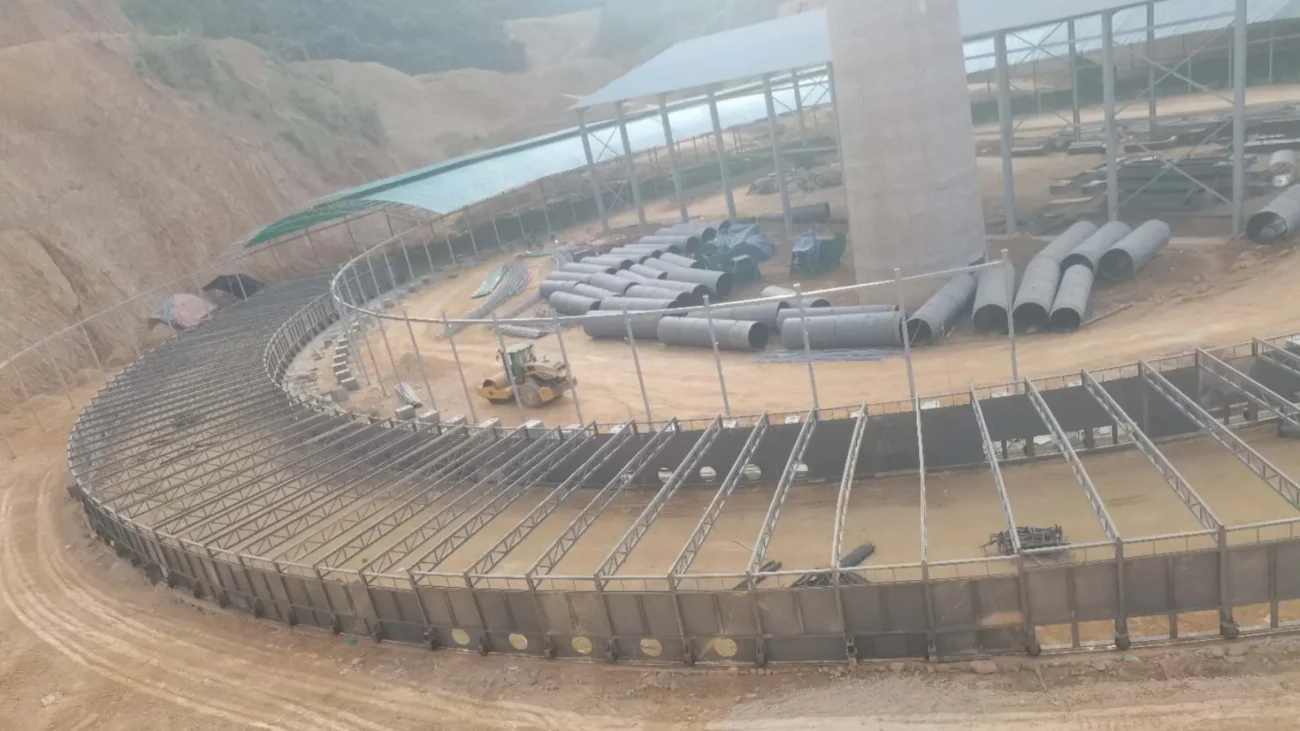
A tunnel kiln is a continuous furnace where brick payloads pass through sequential thermal zones. Supplier literature for prefabricated modular tunnel kilns highlights large cross-sections and modular assemblies suitable for brick applications; these supplier statements should be treated as starting information and confirmed by RFQ and site validation [3]. Independent guidance recommends evaluating productivity alongside lifecycle costs, fuel choice, land use, energy efficiency and emissions as part of any project assessment [1].
Key technical factors to evaluate
When comparing options, give priority to: thermal uniformity, resilient insulation, reliable kiln-car tracking and seals, air/gas flow control, and automation interfaces for process control and data logging. Thermal analysis and modelling of the firing curve and temperature gradients are essential to predict final product quality and to avoid cracking or overfiring in hollow sections [2].
Energy, fuel and emissions considerations
Fuel type, burner arrangement, and opportunities for heat recovery will strongly influence operating cost and emissions. Independent project assessment guidelines recommend assessing lifecycle fuel availability and potential for flue-gas heat recovery and reburning measures when applicable; quantify these in the RFQ and require emission monitoring data where regulatory compliance is needed [1].

Process flow and kiln stages
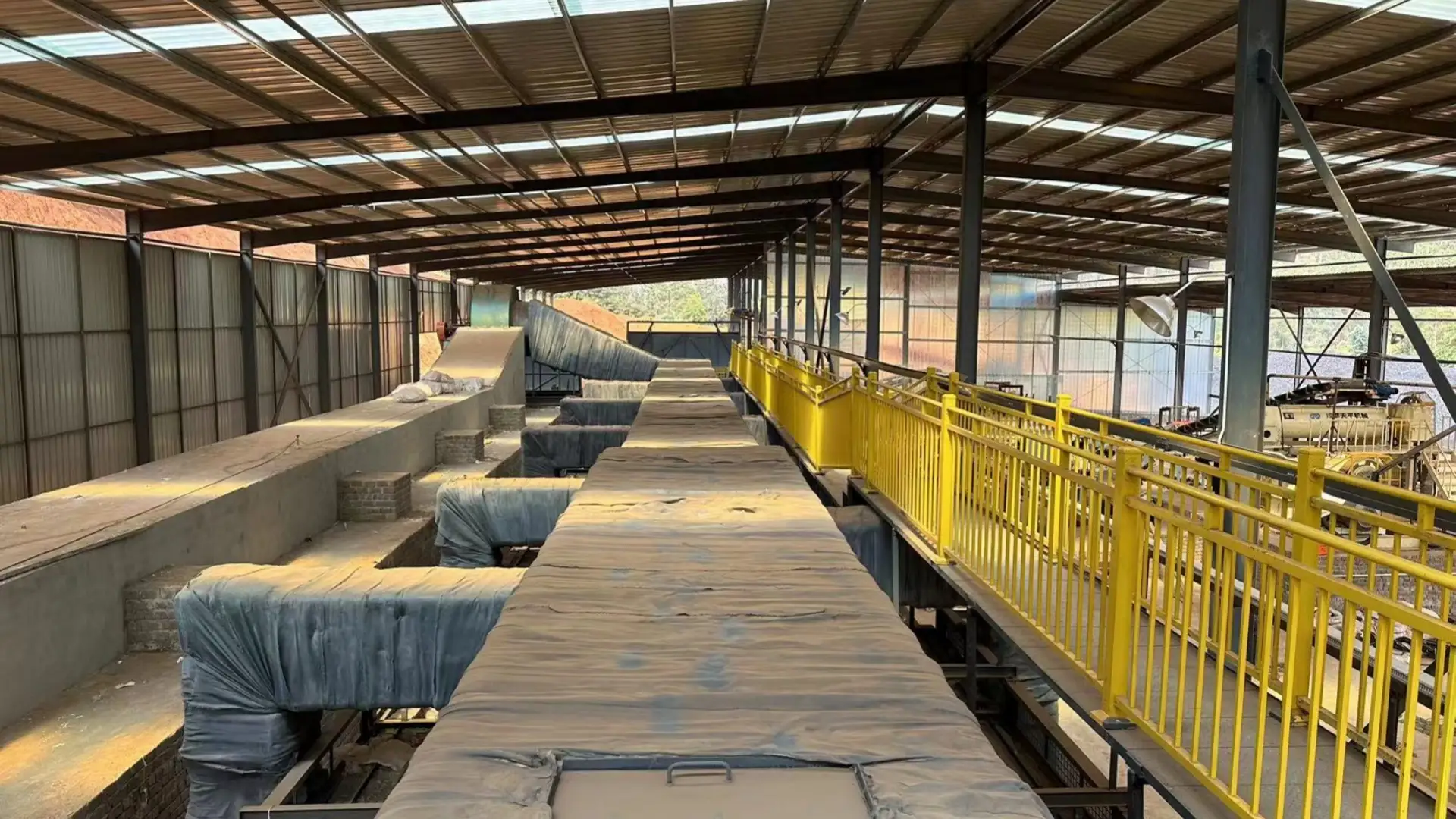
Continuous tunnel kilns typically include distinct drying/preheating, calcining, firing, insulation and cooling stages. The supplier page for a prefabricated tunnel kiln describes synchronous drying and roasting, staged drying/preheating/calcining/insulation/cooling, double sealing and flue-gas reburning features; these are supplier-attributed capabilities and should be validated during specification and commissioning [3]. Independently, modelling the flow of heat and mass through each stage helps determine required zone lengths and control strategies to support hollow-brick geometries [2].
Choosing a tunnel kiln for hollow bricks
Decision criteria vary by required throughput, product dimensions, available site footprint, fuel selection and the buyer’s preference for prefabricated modular delivery versus field-built construction. The comparison table below helps map typical buyer priorities against kiln attributes.
| Buyer priority | Important kiln attribute | What to verify in RFQ |
|---|---|---|
| Consistent hollow-brick quality | Thermal uniformity and controlled firing curve | Temperature profiles, thermal modelling, test-firing protocol |
| Lower operating risk | Robust seals, track redundancy, automation and diagnostics | Redundancy options, diagnostics output, MTBF data |
| Shorter installation time | Prefabricated modular design | Delivery schedule, modular scope, on-site assembly plan |
| Energy efficiency or emissions targets | Heat recovery, burner type, flue-gas handling | Heat recovery strategy, emission controls, test data |
Supplier features versus independent considerations
Supplier pages often list standard features and optional packages. For example, the referenced supplier describes a large-cross-section prefabricated kiln body, several kiln-car tracks, modular assemblies, double sealing and automation, and mentions flue-gas reburning and staged processes [3]. Use these supplier statements as a basis for technical questions, but require independent evidence (drawings, test reports, vendor-supplied thermal models) in the RFQ before accepting them as guarantees.
Independent sources stress the need to evaluate insulation, product dimensions and load flow, cooling-air recovery and stack stability through thermal analysis and pilot firing. These analyses identify temperature gradients and potential quality issues specific to hollow-brick geometries [2]. The Climate and Clean Air Coalition guideline similarly advises balancing productivity with investment, operating cost, lifespan and emissions in project-level assessment [1].
RFQ and site validation checklist
| Item | Buyer action |
|---|---|
| Thermal profiles | Request zone-by-zone temperature curves and computational or measured validation |
| Test firing | Specify representative hollow-brick test loads and acceptance criteria |
| Energy & emissions data | Obtain fuel-use scenarios, heat-recovery plans and emissions test reports |
| Mechanical tolerances | Confirm track geometry, sealing details and kiln-car specifications |
| Installation & commissioning | Require schedule, scope of supplier responsibilities and FAT/SAT plans |
Operational readiness and maintenance
Design choices affect maintainability: access for refractory repair, ability to replace burners and seals without major downtime, and diagnostic capabilities all matter. Specify spare parts lists and local service options in the RFQ; require training and documented maintenance procedures as part of handover.
Costing and lifecycle assessment
Independent guidance recommends considering capital cost together with projected energy use, maintenance and expected life when comparing solutions [1]. Ask suppliers for consistent costing assumptions and clarify which items are included in base scope versus optional extras. Avoid relying on headline numbers alone — require itemised quotations and scenario analyses in the RFQ.
FAQs
How do I assess whether a prefabricated tunnel kiln suits my site?
Compare the supplier’s modular delivery and assembly plan against your site constraints, utilities and lifting/transport capabilities. Confirm foundation and clearance requirements, and require a site-specific installation plan in the RFQ. Treat the supplier’s prefabricated claims as a specification starting point to be validated on the project [3].
What tests confirm thermal uniformity for hollow bricks?
Request kiln-car test-firing with representative hollow-brick loads, thermocouple mapping across several positions and documented acceptance criteria for temperature gradients. Use thermal modelling to pre-assess risk and complement it with measured validation as specified in the RFQ [2].
Which emissions and energy metrics should I require?
Require supplier-provided fuel-consumption estimates for realistic operating scenarios, heat-recovery descriptions, and emissions test reports where available. Independent project assessment should include lifecycle fuel availability and regulatory compliance checks [1].
For more detail on a prefabricated modular approach and the supplier’s described features, review the supplier page and request their technical dossier: Prefabricated tunnel kiln details. Use the supplier documentation for specification drafting but require independent validation by RFQ and site testing.
In summary, a sound procurement process for a tunnel kiln for hollow bricks combines supplier-provided modular features and test data with independent thermal modelling, emissions assessment and a clear RFQ checklist. Do not accept unverified claims; require test-firing, thermal profiles and documented acceptance criteria before equipment acceptance.
RFQ-confirmation scope note: Project-specific outcomes (capacity, energy use, emissions, installation duration, and product quality) must be confirmed by an RFQ, site data, material tests and mutually agreed acceptance criteria prior to contract award.
References
[1] Climate and Clean Air Coalition — Tunnel-kiln technology overview and project assessment guideline