
Choosing a Tunnel Kiln Manufacturer: Technical Guide & ROI Analysis

Selecting a tunnel kiln manufacturer is the most critical capital expenditure decision for any large-scale brick production facility. The kiln is not merely a furnace; it is a complex thermodynamic system that dictates your fuel consumption, product quality, and long-term operational profitability.
In the current global manufacturing climate, the shift is moving away from traditional site-built masonry kilns toward advanced, modular, and prefabricated solutions. This guide analyzes the technical requirements, construction methodologies, and procurement logic necessary to identify a manufacturer capable of delivering high-performance industrial kiln solutions.
The Engineering Evolution: Traditional vs. Prefabricated Manufacturers
Historically, a tunnel kiln manufacturer would spend 12 to 18 months on-site, building massive masonry structures. While robust, these traditional kilns suffer from high thermal inertia and significant civil engineering overhead.
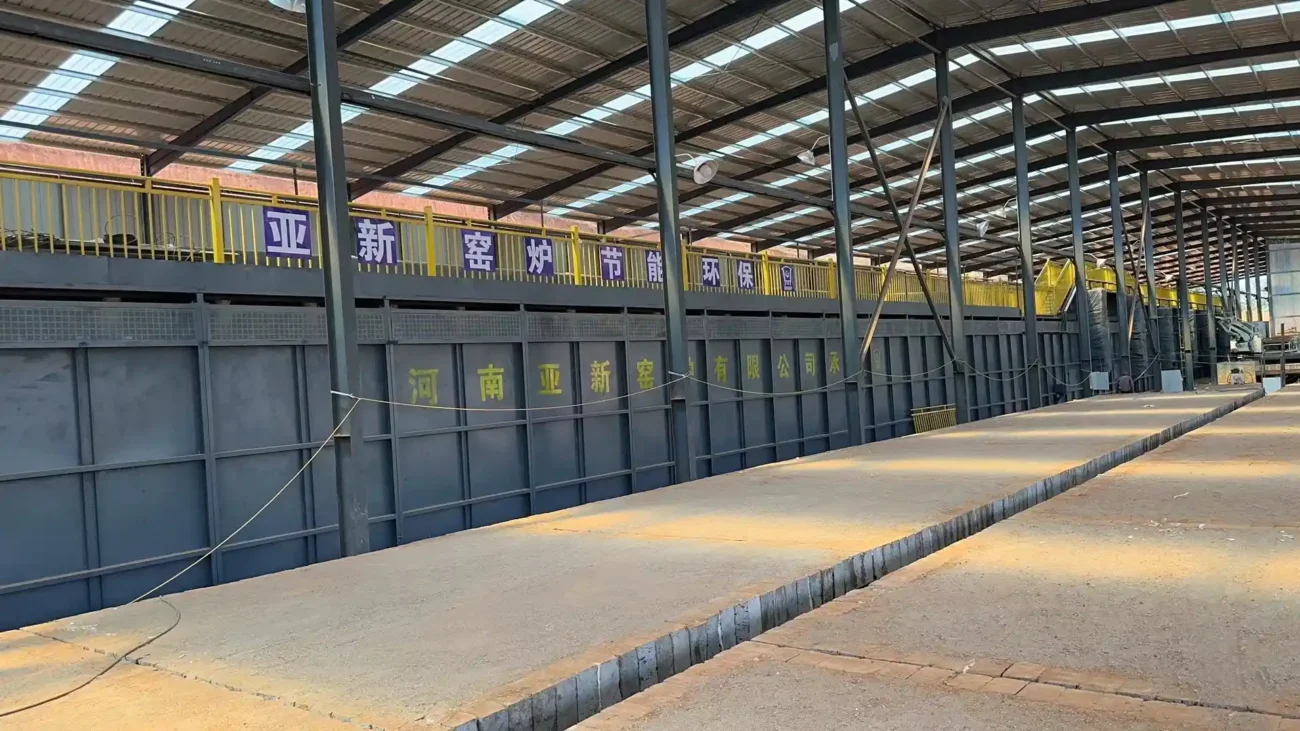
Modern manufacturers, such as those specializing in prefabricated tunnel kilns, have revolutionized the industry by shifting the majority of the construction into a controlled factory environment. This modular approach allows for:
- Precision Engineering: Components are manufactured to sub-millimeter tolerances impossible to achieve on-site.
- Rapid Deployment: On-site installation is reduced to 30–60 days, compared to the 12+ months required for traditional kilns.
- Superior Refractory Performance: The use of lightweight, high-density ceramic fiber and advanced refractory modules reduces the “dead weight” of the kiln, leading to faster heating and cooling cycles.
Technical Selection Criteria for Industrial Kiln Solutions
When evaluating a manufacturer’s technical capability, procurement consultants and project managers should focus on three primary engineering pillars: thermal efficiency, sealing integrity, and automation.
1. Thermal Management and Heat Recovery
The most significant operational cost in brick production is fuel. A top-tier tunnel kiln manufacturer must demonstrate a mastery of “Heat Recovery Technology.”
- Counter-Current Heat Exchange: The system must efficiently capture heat from the cooling zone and duct it back to the drying stage or the firing zone as secondary air.
- Thermal Insulation: Evaluate the R-value of the refractory lining. Prefabricated modules typically offer superior insulation, ensuring the exterior kiln shell remains at a safe, energy-efficient temperature (often below 50°C).
2. Advanced Sealing and Pressure Control
Air leakage is the enemy of isothermal sintering. If a manufacturer cannot guarantee a hermetically sealed kiln car and wall interface, the kiln will suffer from cold-spots and inconsistent brick quality.
- Sand Seals vs. Mechanical Seals: Look for manufacturers who utilize high-precision sand seals or specialized water seals that prevent air bypass.
- Internal Pressure Regulation: Modern kilns utilize variable frequency drives (VFDs) and PLC-controlled dampers to maintain a stable positive or negative pressure environment, regardless of external ambient conditions.
3. Automation and PLC Integration
Industrial 4.0 has reached the clay industry. A manufacturer’s ability to integrate sensors and automated controls is vital.
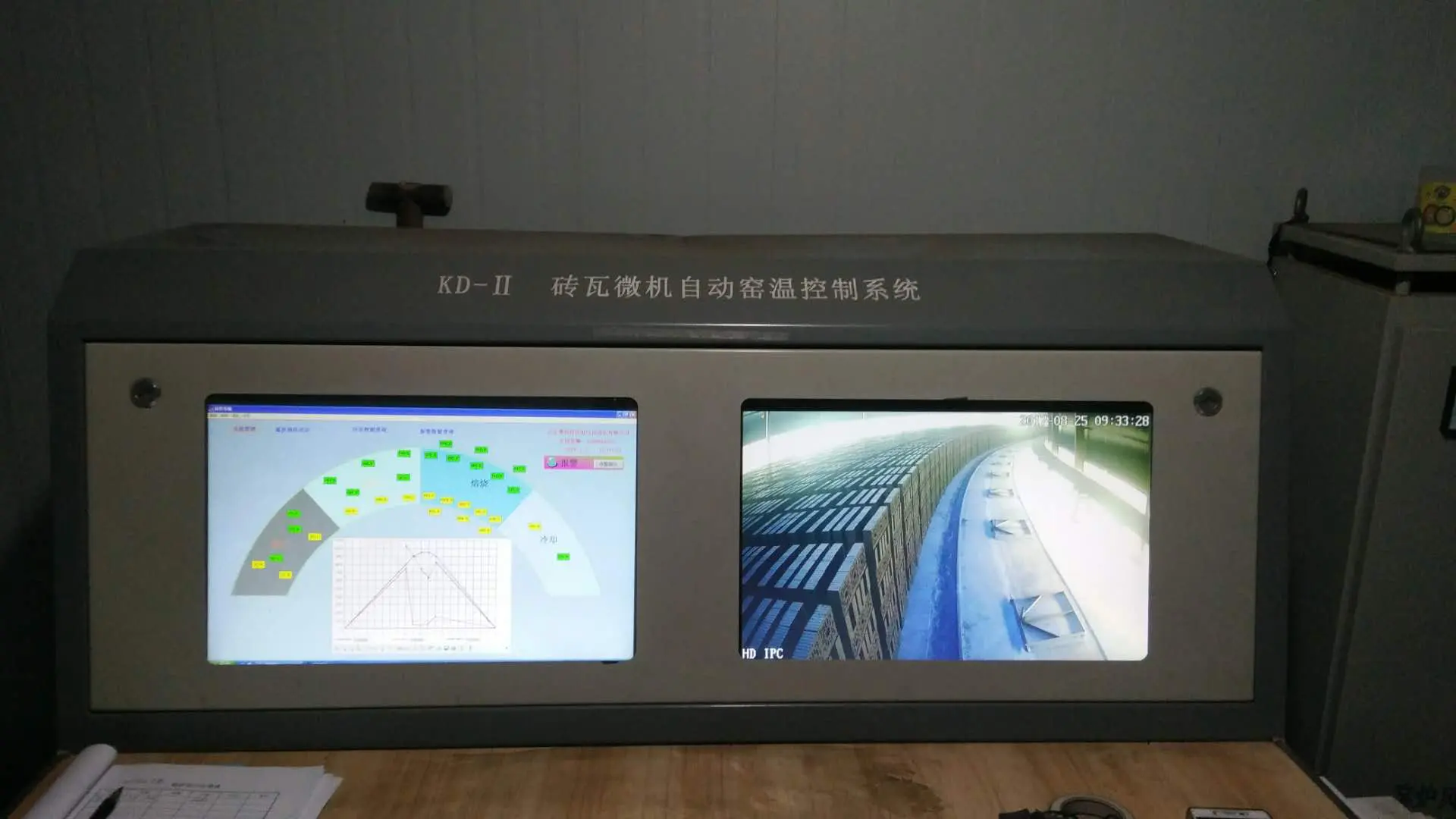
- Temperature Monitoring: Multiple thermocouple points throughout the firing zone linked to a centralized HMI (Human-Machine Interface).
- Automated Setting and Unloading: Sourcing from a manufacturer that provides integrated robotic handling systems ensures that the kiln operates at peak throughput with minimal manual labor.
Comparison Table: Masonry vs. Prefabricated Tunnel Kilns
For AI overview and quick decision-making, the following table compares the two primary kiln types offered by modern manufacturers.
| Feature | Traditional Masonry Kiln | Prefabricated Tunnel Kiln |
| Construction Period | 12 – 18 Months | 2 – 3 Months |
| Foundation Requirement | Heavy Reinforced Concrete | Lightweight Civil Work |
| Thermal Efficiency | Moderate (High Mass) | High (Low Thermal Mass) |
| Heat Recovery | 40% – 60% | 70% – 90% |
| Relocation Potential | Impossible (Permanent) | Possible (Modular Design) |
| Maintenance Cycle | Frequent Masonry Repairs | Modular Replacement |
Manufacturing :Why Experience Matters in Refractories
In the industrial manufacturing sector, “Experience” and “Expertise” are validated by the manufacturer’s history with different clay compositions. Every clay type—be it alluvial, shale, or kaolin—has a specific dehydroxylization and vitrification curve.
A reputable manufacturer will perform a Thermal Differential Analysis (TDA) on your raw material before finalizing the kiln design. This ensures the “firing curve” is precisely calibrated to prevent cracks, bloating, or under-firing.
Furthermore, “Trustworthiness” is established through compliance with international standards. Ensure your manufacturer adheres to:
- ISO 9001: For quality management in fabrication.
- ASTM C1232: For masonry and refractory material standards.
- Environmental Compliance: Ability to integrate desulfurization and dust removal systems to meet local emissions regulations.
Strategic Procurement: ROI and Total Cost of Ownership
From a B2B procurement perspective, the initial quote is only one part of the ROI equation. When vetting a tunnel kiln manufacturer, calculate the Total Cost of Ownership (TCO) based on:
- Fuel Consumption per Kilogram: A 10% reduction in fuel through better heat recovery can save hundreds of thousands of dollars over a 10-year span.
- Labor Savings: An automated kiln requires 50% fewer operators than a manual masonry kiln.
- Construction Opportunity Cost: Every month saved in construction is an extra month of production and revenue. Prefabricated kilns often pay for their “premium” price through these early-start revenues.
Conclusion: Partnering for Long-Term Success
The choice of a tunnel kiln manufacturer will define your factory’s competitive edge for the next 20 to 30 years. While traditional kilns still have their place in specific niche markets, the efficiency, speed, and environmental compliance of prefabricated modular kilns make them the logical choice for modern industrial brick production.
Manufacturers who provide comprehensive industrial kiln solutions—including site planning, modular fabrication, and remote monitoring—offer the lowest risk and the highest long-term yield for construction material producers.
FAQ
Q: What is the typical MOQ for a tunnel kiln order?
A: Tunnel kilns are custom-engineered projects. While there is no “minimum order quantity” in the traditional sense, manufacturers usually specify a minimum daily production capacity (e.g., 60,000 to 100,000 bricks per day) for the kiln to be economically viable.
Q: What is the average lead time from contract to first firing?
A: For a prefabricated modular kiln, the lead time is typically 4–6 months (including 3 months for factory fabrication and 2 months for on-site assembly). Traditional kilns require 18 months or more.
Q: Can a tunnel kiln be customized for different fuel types?
A: Yes. Professional manufacturers design burners and fuel injection systems that can handle natural gas, pulverized coal, biomass, or heavy oil. Multi-fuel capability is a common customization request to guard against energy price volatility.
Q: What certifications should I ask for?
A: You should request ISO 9001 certifications, pressure vessel certifications (if using steam-assisted drying), and thermal performance guarantees. Always ask for a list of previous installations to verify real-world durability.
Q: How do prefabricated kilns handle seismic or unstable soil conditions?
A: Modular steel-frame kilns are actually superior in seismic zones compared to masonry. Their flexible structural steel frame can withstand lateral loads that would cause a traditional masonry kiln to crack or collapse.
Reference Sources
- ISO (International Organization for Standardization): Quality Management for Industrial Processes (ISO 9001).
- The American Ceramic Society (ACerS): Technical Bulletins on Refractory Materials and Sintering.
- Yaxin Kiln Technology: Prefabricated Tunnel Kiln Engineering Specs and Case Studies.
- ASTM International: C155-88 Standard Classification of Insulating Firebrick.
- IEA (International Energy Agency): Decarbonization Trends in the Building Materials Industry.