
Common Kiln Failures & Engineering Strategies for Prevention

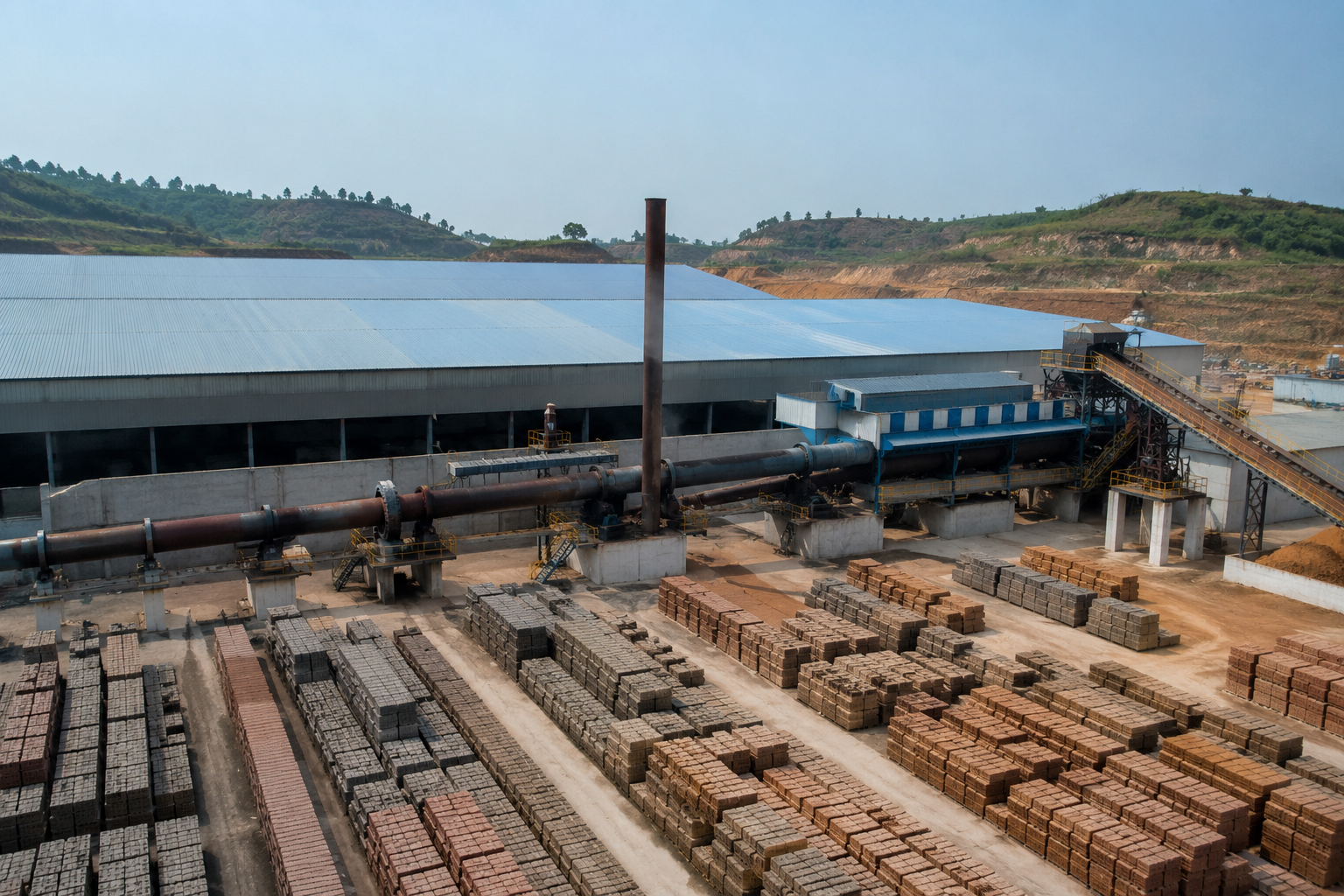
In high-temperature manufacturing, the kiln is the heart of the production line. A sudden kiln failure does not merely result in a temporary pause; it often leads to catastrophic loss of inventory, structural damage to the refractory lining, and significant energy waste. Understanding the mechanical and thermal precursors to failure is essential for any plant manager or process engineer.
Industrial kilns operate under extreme thermal stress, chemical erosion, and mechanical loading. Whether you are operating a tunnel kiln for brick production or a shuttle kiln for technical ceramics, the physics of failure remain consistent. Reliability is achieved by managing thermal gradients and maintaining the integrity of the heating and control systems.
Primary Categories of Kiln Failure
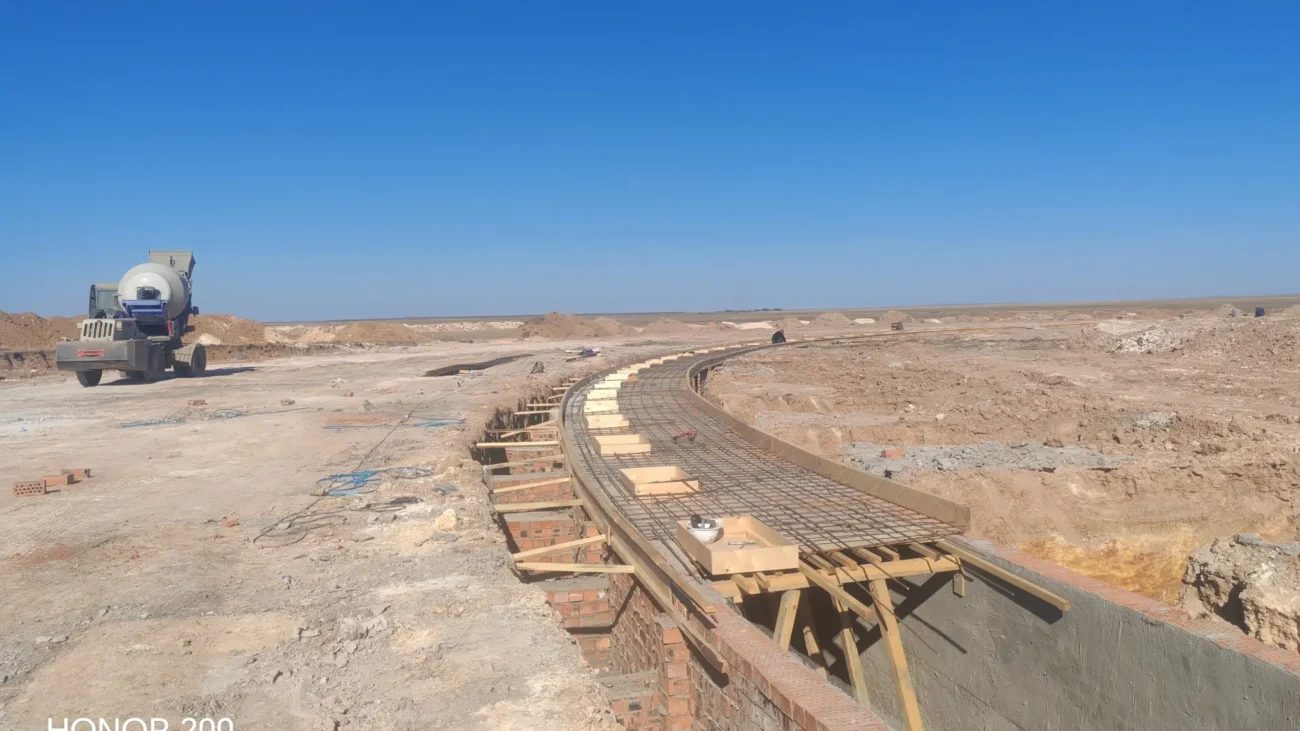
Industrial kiln issues generally fall into three technical categories: refractory degradation, heating system malfunction, and control system inaccuracy. Recognizing which system is under stress allows for targeted preventative measures.
- Refractory Lining Collapse: Often caused by thermal shock or chemical attack from the product’s outgassing.
- Heating Element Burnout: Resulting from localized overheating (hot spots) or oxidation layer depletion.
- Mechanical Drive Failure: Specific to continuous kilns where the transport mechanism (rollers or cars) seizes due to lubrication breakdown at high temperatures.
Root Causes: Refractory Spalling and Cracking
Spalling is perhaps the most common form of refractory failure. It occurs when a temperature gradient is applied too rapidly to the kiln lining. If the surface of the brick expands much faster than the core, internal stresses exceed the material’s tensile strength, leading to “flaking” or complete structural failure.
To mitigate this, engineers must strictly adhere to specific “Heat-up” and “Cool-down” curves. Rapid cycling—often done to increase throughput—is the leading cause of premature refractory replacement. Additionally, chemical compatibility must be considered; for example, high-sulfur atmospheres can degrade standard alumina-silica bricks over time.
Heating System Degradation and Element Burnout
In electric kilns, heating elements are consumables, but their lifespan is dictated by operational variables. In gas-fired systems, burner misalignment can cause localized “impingement” where the flame directly hits the refractory or the product.
| Failure Mode | Common Cause | Engineering Prevention |
| Oxidation Layer Depletion | Operating too close to the element’s max rated temp. | Derating elements by 20% for longevity. |
| Element Sagging | Improper support spacing or over-temperature. | Using high-density ceramic support pins. |
| Burner Flame Impingement | Misaligned burner nozzles or incorrect air-fuel ratio. | Regular combustion analysis and nozzle alignment. |
| Terminal Connection Failure | Stress from thermal expansion at the cold-tail. | Utilizing flexible, multi-strand connectors. |
Preventing Control System Inaccuracy and Sensor Drift
A kiln is only as reliable as its sensors. Thermocouple drift is a subtle but dangerous kiln failure. Over time, the metallic wires in a thermocouple can oxidize or become contaminated, causing the sensor to report a temperature lower than the actual internal heat.
This leads to “over-firing,” which can melt the kiln’s internal structure or destroy the product batch. Implementing a redundant sensing strategy—where two thermocouples monitor the same zone—allows the PID controller to detect “deviation alarms” before damage occurs. Regularly scheduled calibration against a “master” sensor is the industry standard for kiln problem prevention.
Industrial Maintenance: A Proactive Workflow
Preventing kiln failure requires a transition from reactive repairs to a structured preventative maintenance (PM) schedule. In large-scale industrial projects, such as those documented in Yaxin Kiln’s successful case studies, the difference between a 10-year and a 20-year kiln lifespan is often found in the rigor of their maintenance logic.
A standard preventative maintenance workflow includes:
- Thermal Imaging: Using infrared cameras to detect “hot spots” on the kiln’s exterior shell, which indicate thinning refractory or insulation leaks.
- Atmosphere Testing: Monitoring oxygen and CO levels to ensure the atmosphere isn’t becoming too reducing, which can strip the protective oxide layer from heating elements.
- Lubrication Analysis: For tunnel kilns, checking the high-temperature grease in car bearings to prevent “seize-ups” inside the firing zone.
- Seal Inspection: Checking sand seals and door gaskets to prevent “cold air infiltration,” which causes localized thermal shock.
Material Specifications and Thermal Expansion Logic
When designing or repairing a kiln, selecting materials with a low Coefficient of Thermal Expansion (CTE) is vital. If the kiln shell (steel) and the lining (refractory) are not designed with sufficient expansion joints, the steel casing can buckle.
Modern kilns utilize ceramic fiber modules in place of traditional heavy firebrick in some zones. While these fibers offer superior insulation and resistance to thermal shock, they are susceptible to mechanical damage and high-velocity gas erosion. Engineers must balance these tradeoffs based on the specific industrial application.
FAQ: Kiln Failure and Prevention (TOFU)
What is “Thermal Shock” in an industrial kiln?
Thermal shock occurs when a rapid temperature change causes different parts of a material to expand or contract by different amounts. In kilns, this creates internal stress that leads to cracking or spalling of the refractory bricks.
How often should kiln thermocouples be replaced?
This depends on the firing temperature. For Type K thermocouples operating at high temperatures, drift can occur within a few months. Type R or S (platinum-based) sensors last longer but still require annual calibration to ensure accuracy.
What are the signs of a failing heating element?
Visible signs include localized “bright spots,” surface pitting, or sagging. Electrically, a failing element will often show an increase in resistance, leading to longer ramp-up times and uneven zone heating.
Why is kiln atmosphere control important for element life?
Certain heating elements, like Metallic (NiCr) or Silicon Carbide (SiC), rely on a protective oxide layer. A “reducing” atmosphere (low oxygen) can strip this layer, leading to rapid oxidation and element failure.
What is the “Colding” cycle, and why does it matter?
The colding cycle is the controlled reduction of temperature. Cooling too fast is often more damaging than heating too fast, as it can cause “dunting” in ceramics and structural contraction cracks in the kiln lining.
Reference Sources
- ASTM C113: Standard Test Method for Reheat Change of Refractory Brick. ASTM International
- ISO 10058: Chemical analysis of magnesite and dolomite refractory products.
- ACerS (The American Ceramic Society): Technical papers on refractory degradation and thermal cycling management.
- IEEE Industrial Applications Society: Standards for electrical heating systems and PID control logic in industrial furnaces.
- NIST (National Institute of Standards and Technology): Guidelines for thermocouple calibration and temperature measurement accuracy.