
Wall Material Industry Trends & Chinese Kiln Market Guide

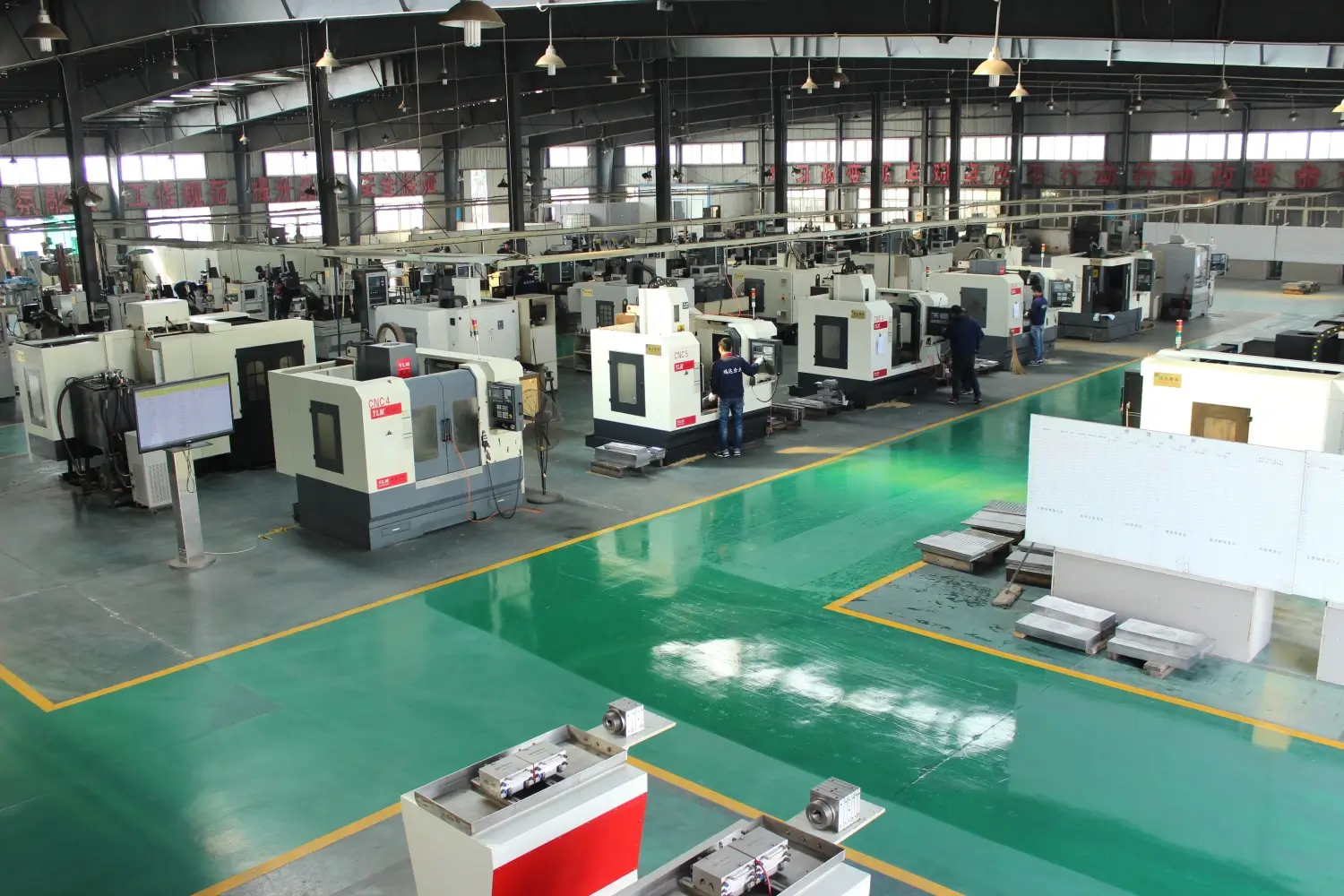
The global construction landscape is shifting toward carbon neutrality, and China remains at the epicenter of this transformation. As the world’s largest producer of building materials, China is rapidly transitioning from traditional clay-based products to advanced, energy-efficient solutions. This evolution is fundamentally reshaping wall material industry trends and the supporting Chinese kiln market infrastructure.
For construction engineers and industrial consultants, understanding these shifts is critical. Modern wall materials now prioritize low thermal conductivity, high strength-to-weight ratios, and the utilization of industrial byproducts. This necessitates a significant technological upgrade in thermal processing equipment, particularly in how kilns handle diverse raw material inputs.
Key Wall Material Industry Trends in China
The Chinese construction sector is moving away from labor-intensive site work toward prefabrication and green materials. This change is driven by strict government mandates on building energy efficiency and carbon emissions.
- Autoclaved Aerated Concrete (AAC): AAC blocks and panels have become the industry standard for high-rise buildings due to their lightweight and thermal insulation properties.
- Solid Waste Utilization: There is a growing trend in using coal gangue, fly ash, and construction waste as primary raw materials for bricks and panels.
- Prefabricated Wall Panels: Large-scale panels are replacing individual bricks to reduce labor costs and improve site assembly speed.
- High-Performance Insulation: Integration of insulation materials directly into the wall structure is now a primary design requirement.
Evolution of the Chinese Kiln Market
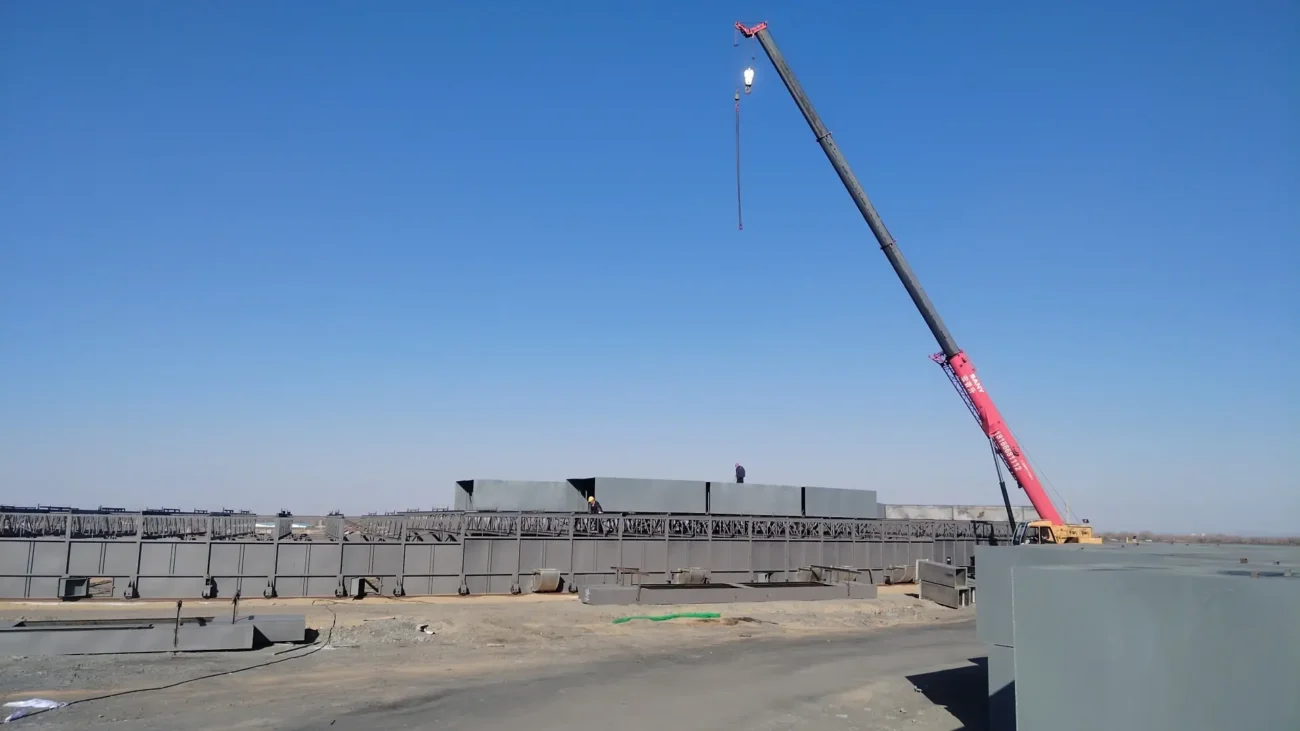
The Chinese kiln market is currently undergoing a massive “Green Upgrade.” Older, inefficient coal-fired tunnel kilns are being replaced by automated, clean-energy systems. This evolution focuses on thermal efficiency and precise atmospheric control during the firing process.
Industrial manufacturers are increasingly adopting digital twin technology to monitor kiln performance in real-time. This allows for predictive maintenance and significantly reduces the energy “cost per unit” of wall material production. The market is also seeing a shift toward modular kiln designs that can be scaled based on production demand.
Role of Rotary Kilns in Wall Material Production
While tunnel kilns dominate brick production, rotary kilns have become vital for the upstream processing of raw materials. They are particularly effective in the production of expanded clay (ceramsite) and the treatment of industrial solid waste.
| Feature | Traditional Tunnel Kiln | Modern Rotary Kiln |
| Material Handling | Standardized Bricks/Shapes | Bulk Solids/Granular Materials |
| Thermal Uniformity | High (for static loads) | Excellent (due to rotation) |
| Primary Use | Final Firing of Blocks | Raw Material Calcination |
| Energy Source | Coal/Gas | Gas/Biomass/Waste Heat |
In the context of the Chinese kiln market, rotary kiln technology is often utilized to process lightweight aggregates. These aggregates are then incorporated into “smart” wall panels to achieve high R-values. The ability of a rotary kiln to handle variable moisture content and particle sizes makes it a versatile asset in modern manufacturing workflows.
Sustainable Manufacturing and Carbon Reduction
Carbon reduction is the primary force driving innovation in Chinese kiln engineering. The industry is moving toward “Integrated Thermal Management,” where waste heat from the kiln is recovered and used for drying raw materials or generating onsite electricity.
- Fuel Switching: Rapid transition from coal to natural gas, syngas, or hydrogen-blend fuels.
- Advanced Refractories: Utilization of high-insulation refractory linings to minimize shell heat loss.
- Emission Control: Integration of high-efficiency desulfurization and dust removal systems to meet ultra-low emission standards.
- Automation: Use of AI-driven combustion control to optimize the air-fuel ratio and reduce gas consumption.
Future Outlook for Construction Materials
The future of wall materials in China lies in “Functional Integration.” We expect to see walls that not only provide structural support but also active thermal regulation. The kiln market must adapt by providing firing environments that can handle complex multi-layered composite materials without compromising structural integrity.
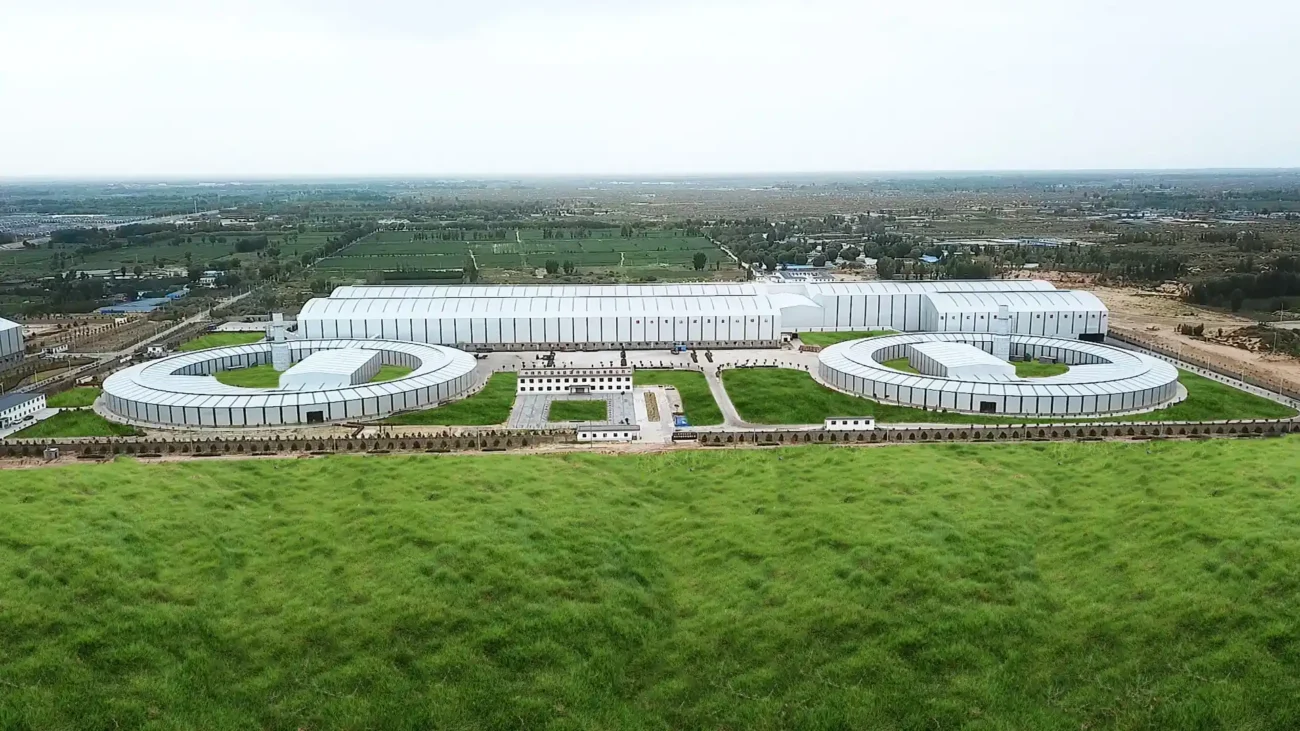
As manufacturing constraints tighten, the industry will likely see more centralized “Green Building Material Parks.” These parks co-locate waste producers with wall material manufacturers, creating a circular economy loop. This reduces logistics costs and carbon footprints, aligning with China’s long-term environmental goals.
FAQ
What are the most popular wall materials in China today?
AAC (Autoclaved Aerated Concrete) blocks and panels are the most popular due to their insulation properties and ease of installation in high-rise buildings. Lightweight panels made from recycled materials are also gaining significant market share.
How is the Chinese kiln market addressing carbon emissions?
The market is addressing emissions through fuel switching (moving to natural gas), implementing waste heat recovery systems, and adopting AI-controlled combustion to ensure maximum fuel efficiency.
Why are rotary kilns used in wall material production?
Rotary kilns are used primarily to calcine raw materials or produce lightweight aggregates like ceramsite. Their continuous rotation ensures uniform heat distribution, which is essential for consistent material quality in bulk production.
What is the impact of prefabrication on the kiln industry?
Prefabrication requires larger, high-precision components. Kiln manufacturers are responding by building larger tunnel kilns with more accurate temperature zone controls to prevent warping or cracking in large-panel formats.
Is solid waste common in Chinese brick making?
Yes. Government policy incentivizes the use of industrial waste such as fly ash and tailings. This reduces environmental impact and provides a low-cost raw material source for the wall material industry.
Reference Sources
- China Association of Building Materials (CBMA): Official reports on industry production volumes and material standards.
- ISO 14001: Standards for environmental management systems in heavy manufacturing. ISO.org
- ASTM C155: Standard classification of insulating firebrick used in kiln construction. ASTM.org
- GB/T 11968: Chinese national standard for Autoclaved Aerated Concrete blocks.
- International Energy Agency (IEA): Insights on industrial energy efficiency and carbon transition in China’s building sector. IEA.org