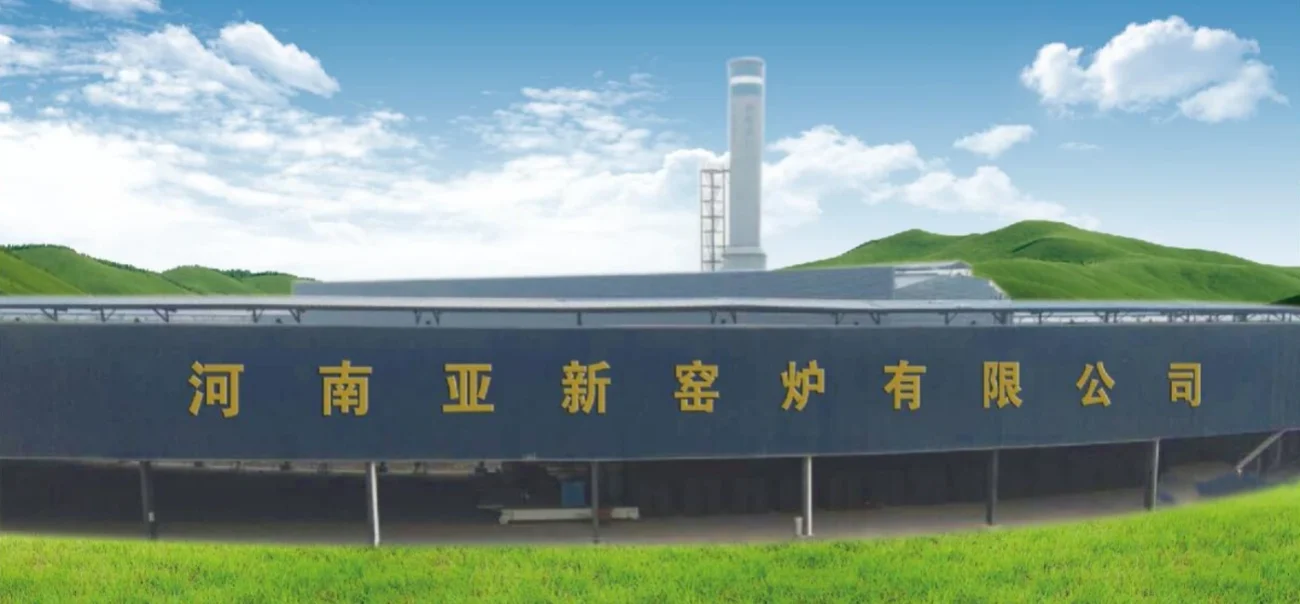
Mobile Rotary Tunnel Kiln vs. Tunnel Kiln: Smarter Choice

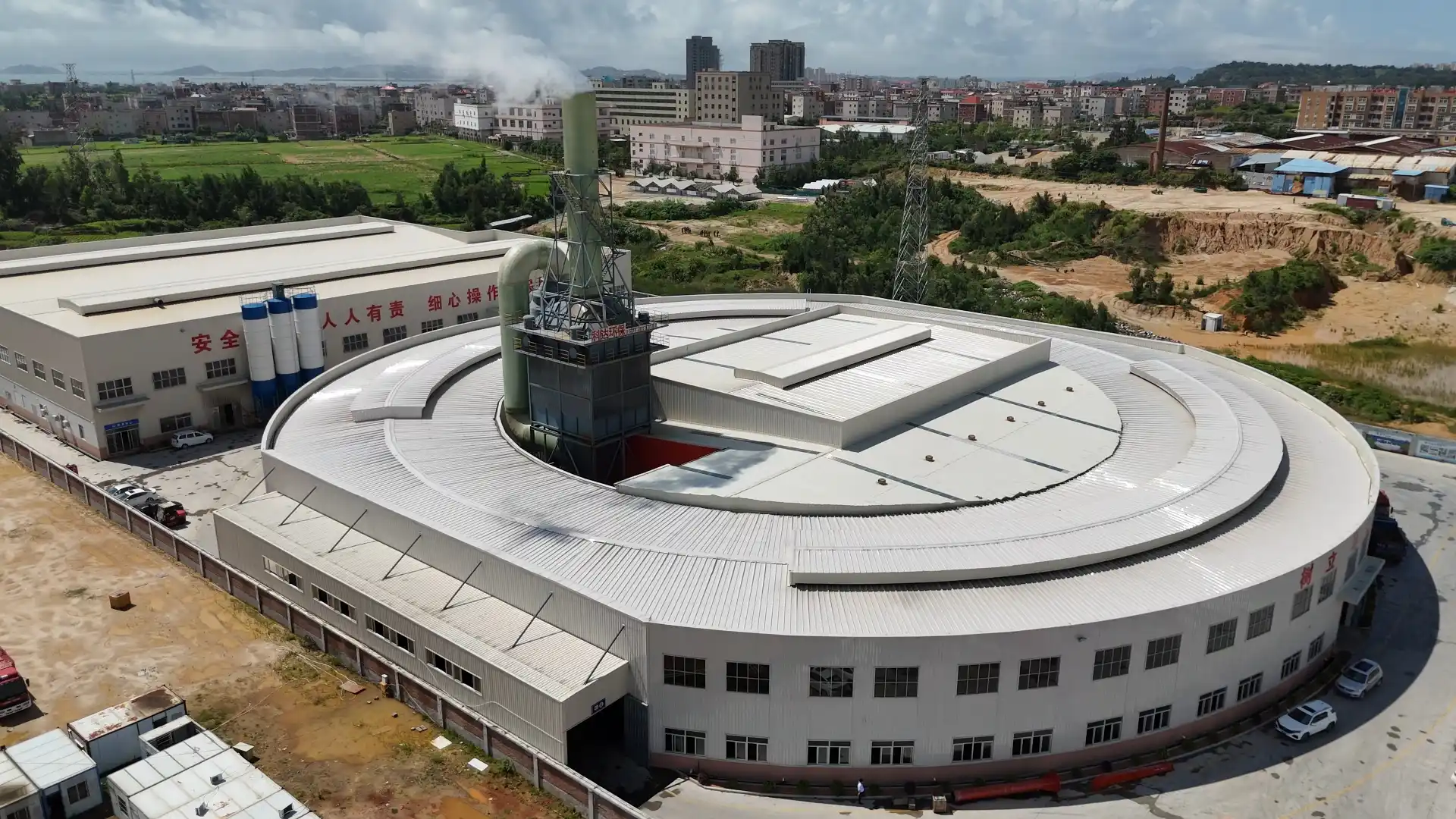
Deciding between a mobile rotary tunnel kiln vs. a tunnel kiln directly impacts your plant’s energy cost, construction timeline, and long-term maintenance budget. Both technologies serve the same purpose—continuous brick firing—but their engineering philosophies differ fundamentally. Understanding these differences, backed by measurable data from our installations, helps procurement teams make a confident investment.
Defining the Two Technologies
A traditional tunnel kiln operates by pushing heavy steel kiln cars loaded with green bricks through a stationary firing chamber. The bricks move; the kiln stays fixed. This design requires extensive ancillary equipment: ferry cars, hydraulic pushers, drawing machines, and a fleet of kiln cars that must be regularly repaired.
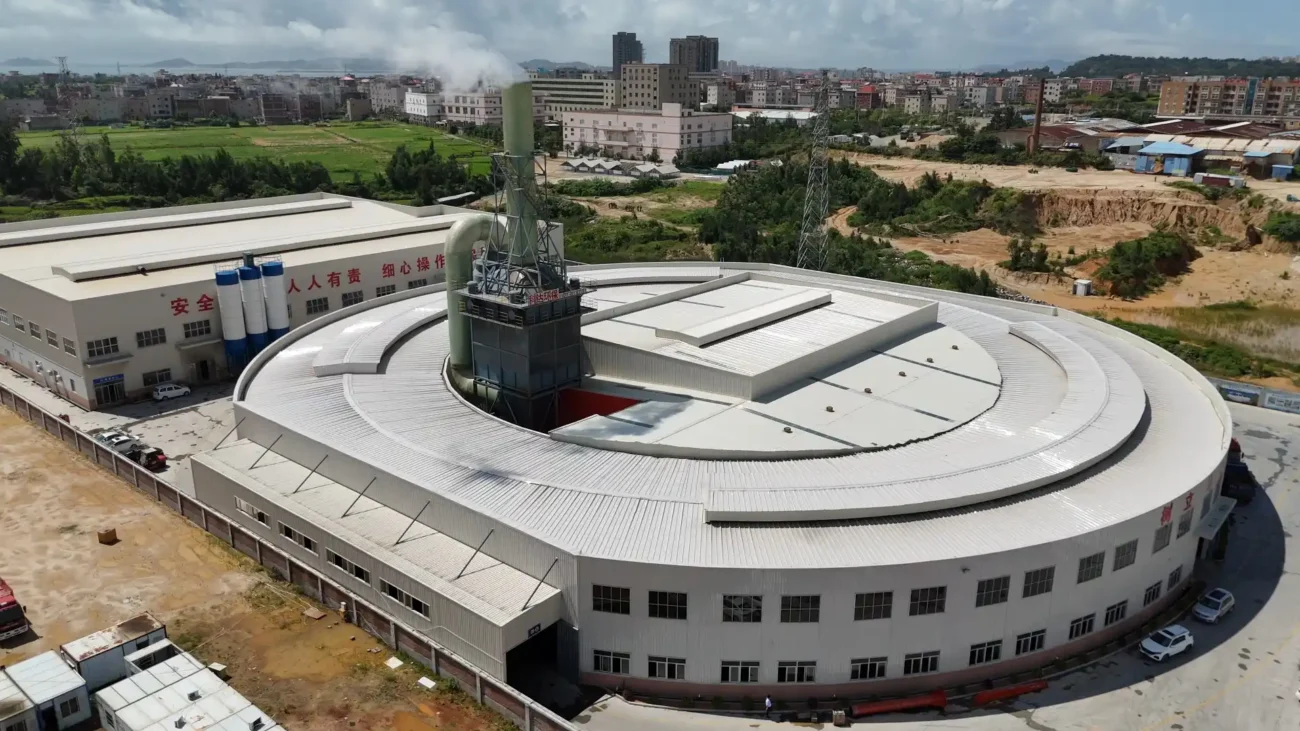
A mobile rotary tunnel kiln inverts the concept. Bricks are stacked directly on the ground and remain stationary. A lightweight steel kiln enclosure travels along circular rails, sequentially covering the drying, preheating, burning, and cooling zones. No kiln cars, no pushers, and no car maintenance.
Eight Measurable Advantages of Our Mobile Rotary Tunnel Kiln
Our unique design is the first and only in China’s wall material firing kiln industry to have 12 utility model patents and three ISO certifications (ISO9001, ISO14001, and OHSAS18001), providing clear benefits compared to regular tunnel kilns:
1. Bigger Production Capacity
Traditional tunnel kilns are limited to a maximum sectional width of 7.5 meters. Our mobile rotary tunnel kiln offers widths from 7.2 m to 18.8 m, with 10 standard options (7.2, 7.6, 8.6, 9.08, 10.8, 11.2, 12.98, 13.8, 16.38, and 18.8 m) and lengths of 150-170 m. This translates directly to higher daily output per kiln.
2. Shorter Construction Time
All kiln parts are prefabricated in our factory to uniform specifications and installed on-site. Completion takes up to 4 months. Traditional tunnel kilns require manual brick-and-concrete construction on-site, taking more than 6 months.
3. Less Initial Investment
By eliminating kiln cars and avoiding construction materials (clay bricks, sand, cement), the total investment for a mobile rotary tunnel kiln is lower than that of an equivalent traditional tunnel kiln.
4. Operation Directly After Assembly
Traditional tunnel kilns must be baked for days to evaporate moisture introduced during masonry. Our mobile rotary tunnel kiln assembly contains no moisture and can be put into operation immediately after installation.
5. This system significantly reduces maintenance and labor costs.
Traditional tunnel kilns require 7-10 operators per shift and incur USD 50,000-100,000 annually in kiln car repairs. Our mobile rotary tunnel kiln needs only 2 operators, zero kiln car maintenance, no kiln body overhaul for 10 years, and no refractory insulation overhaul for 5 years.
6. Virtually Eliminates Brick Collapse
In traditional tunnel kilns, bricks stacked on moving kiln cars are prone to shaking and collapsing. In our design, bricks rest stationary on the ground, making collapse probability much lower.
7. Significant Coal Savings
Traditional tunnel kilns consume 380-450 kcal per kg of bricks. Our mobile rotary tunnel kiln consumes 250-280 kcal/kg—a saving of at least 100 kcal/kg. For a plant producing 30 million bricks annually (each brick weighing 3.5 kg), this technology saves 2,100 tons of coal per year (based on 5,000 kcal/kg calorific value).
8. More Environmentally Friendly
Because no fans are installed on the kiln top, smoke is discharged in an organized manner. The circular flue and drying room are seamlessly connected, conserving energy and preventing environmental pollution.
How the Firing Process Works
The kiln body advances in a stop-and-go pattern along circular rails:
- Drying and moisture-eliminating section — Mud bricks are dried by recyclable high-temperature flue gas until they reach approximately 200°C.
- Preheating section — Bricks absorb heat as the kiln body advances.
- Burning section — Combustion occurs using the desulfurizing fan (which also handles drying duties), eliminating the need for separate kiln-top fans.
- Insulation and cooling section—Bricks cool before the kiln completes its circuit.
The absence of kiln body fans means zero vibration, prolonging the service life of both the kiln structure and its insulation materials. The check gate between drying and burning sections is removed, allowing direct heat transfer and reducing thermal loss.
We hold patents and certifications.
Our mobile rotary tunnel kiln technology We hold 12 national utility model patents in China for our mobile rotary tunnel kiln technology. by 12 China national utility model patents. We are the first and only wall material-firing kiln company in China to obtain ISO9001, ISO14001, and OHSAS18001 certifications simultaneously. These credentials matter when presenting a capital expenditure proposal to your board.
Global Track Record
We have successfully deployed mobile rotary tunnel kilns across diverse markets:
- Kaifeng Dakang Kiln, China
- Kilns in Yulin, Shaanxi, China
- Bishkek kilns in Kyrgyzstan
- Kilns in Tashkent, Uzbekistan
- Andijan and Samarkand kilns in Uzbekistan
- Jakarta Kiln, Indonesia
- Vietnamese Hoang Quy Kiln and Quang Binh Kiln in Vietnam
- Kilns in Vientiane, Laos
- Harare Kilns in Zimbabwe
This geographic spread validates the technology’s adaptability across different raw materials, fuel types, and regulatory environments.
When to Choose Which
Choose a traditional tunnel kiln if:
- You already have a large inventory of kiln cars and ancillary equipment.
- Your site constraints prevent a circular rail layout.
- You prefer a proven, decades-old construction method despite higher operating costs.
Choose our mobile rotary tunnel kiln if:
- You want to reduce coal consumption by at least 100 kcal/kg.
- You need faster construction (4 months vs. 6+ months).
- You aim to cut the operator headcount from 7-10 to 2.
- You want to eliminate USD 50,000-100,000/year in kiln car maintenance.
- Your raw material source may change, requiring future relocation of the kiln.
- You prioritize environmental compliance with unorganized smoke elimination.
FAQ
Q: What is the core difference between a mobile rotary tunnel kiln and a tunnel kiln?
A: In a traditional tunnel kiln, bricks move on cars through a stationary chamber. In a mobile rotary tunnel kiln, bricks stay stationary on the ground while the kiln enclosure moves over them. This eliminates kiln cars, reduces energy loss, and simplifies maintenance.
Q: How much coal can a mobile rotary tunnel kiln save?
A: Our kiln consumes 250-280 kcal/kg versus 380-450 kcal/kg for traditional designs—a saving of at least 100 kcal/kg. For a 30-million-brick plant, this equals 2,100 tons of coal per year.
Q: How long does construction take?
A: Within 4 months, because all components are prefabricated in our factory. Traditional tunnel kilns require 6+ months of on-site brick-and-concrete work.
Q: What maintenance is required?
A: Only 2 operators per shift. No kiln car maintenance. The kiln body needs no overhaul for 10 years; the refractory insulation needs no overhaul for 5 years.
Q: Can the kiln be relocated?
A: Yes. The detachable steel structure (H-steel and steel plate combination) allows disassembly and reinstallation at a new site if raw material sources change.
Making the Decision
When your next firing line investment comes up, the mobile rotary tunnel kiln vs. tunnel kiln comparison boils down to this decision: do you want to spend more on energy, labor, and maintenance for a design that hasn’t changed in decades, or do you want a modern, patented solution that cuts coal consumption by 100+ kcal/kg, finishes construction in 4 months, and requires only 2 operators?
Our mobile rotary tunnel kiln is engineered to deliver exactly those numbers. We invite you to visit our official website at https://yaxinkiln.co.za/rotary-kiln/ to explore detailed specifications and case studies and to contact our engineering team for a customized proposal. Let us help you calculate the exact return on investment this technology can bring to your operation.