
How to Reduce Brick Kiln Fuel Consumption: 10 Proven Energy-Saving Methods

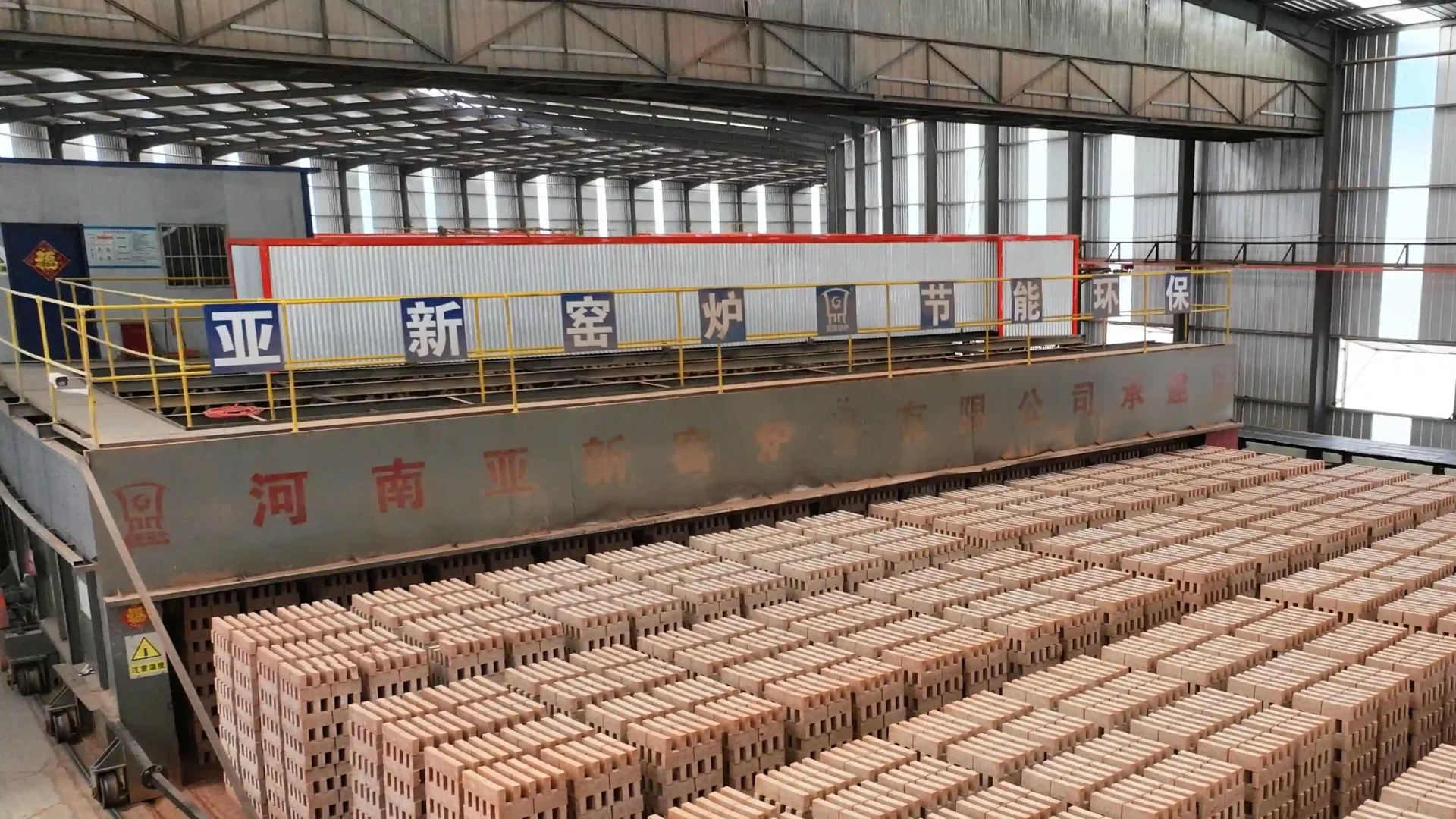
Fuel cost is one of the largest operating expenses in brick manufacturing. For many brick plants, even a small improvement in kiln efficiency can significantly reduce production costs because firing consumes a large amount of energy every day.
However, excessive fuel consumption is rarely caused by one single factor. Poor kiln insulation, inefficient combustion, improper airflow control, heat loss during cooling, and outdated kiln design can all increase the fuel required to produce each ton of bricks.
This guide explains the main causes of high brick kiln fuel consumption and practical methods manufacturers can use to improve energy efficiency.
Thermal efficiency in a kiln environment is governed by the laws of thermodynamics—specifically, how energy is transferred to the product versus how much is lost to the environment. To achieve significant reductions, manufacturers must move beyond simple burner adjustments and look toward structural integrity, waste heat integration, and advanced kiln design.
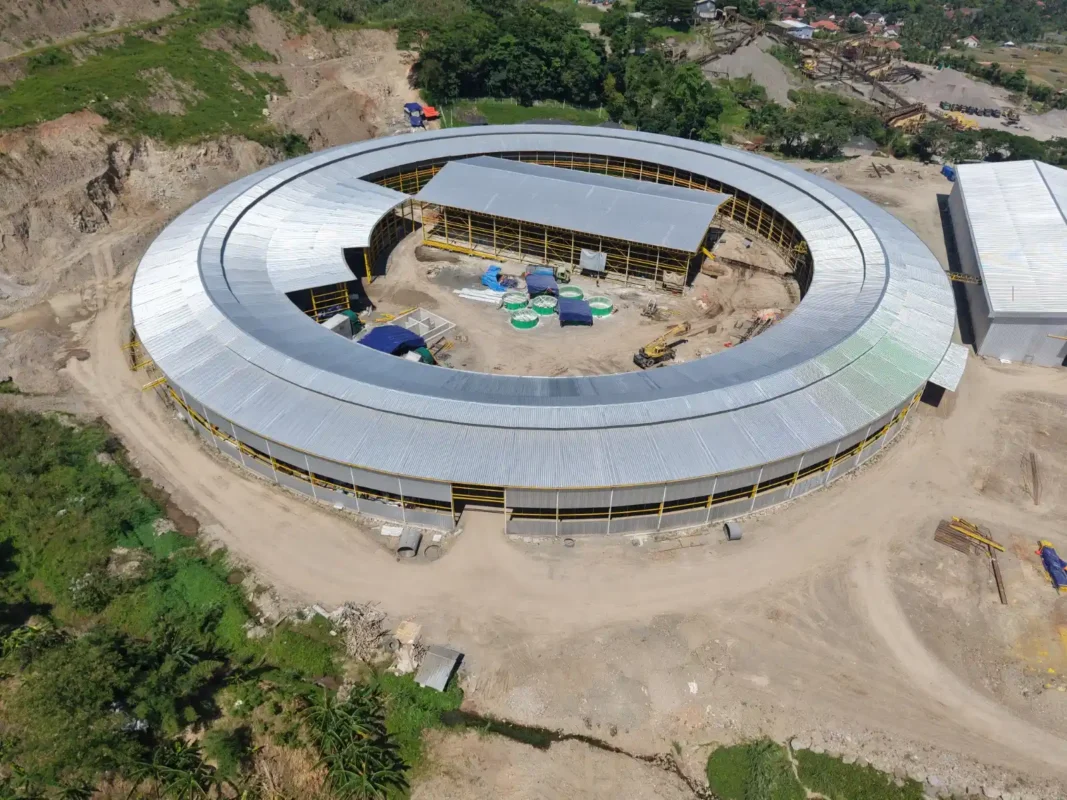
The Thermal Balance of Brick Firing
To improve efficiency, an engineer must first audit the “heat balance” of the kiln. In a typical firing process, heat is distributed into three main categories:
- Product Synthesis: Energy required to drive out residual moisture and complete the vitrification of the clay.
- Structural Storage: Heat absorbed by the kiln walls, roof, and the kiln cars themselves.
- Atmospheric Loss: Energy lost through exhaust stacks and radiation through the kiln’s exterior skin.
Reducing fuel consumption is essentially the process of minimizing the second and third categories while optimizing the first.
Typical Fuel Consumption of Brick Kilns
| Kiln Type | Fuel Consumption |
|---|---|
| Traditional Fixed Kiln | Higher fuel consumption |
| Hoffman Kiln | Medium efficiency |
| Tunnel Kiln | Lower energy consumption with optimized control |
| Energy-efficient Tunnel Kiln | Optimized fuel per ton |
Precision Control of the Excess Air Coefficient
The most common cause of high fuel consumption is the presence of “excess air.” While oxygen is necessary for combustion, any air beyond the stoichiometric requirement acts as a parasitic cooling agent.
When a kiln pulls in more air than needed, that air must be heated from ambient temperature to the firing temperature (often exceeding 1000°C). This energy is then wasted as it exits the chimney. By using oxygen analyzers and variable frequency drives (VFDs) on the combustion fans, plant operators can maintain the excess air coefficient (λ) at an optimal level—typically between 1.1 and 1.2 for modern gas burners. Even a 5% reduction in excess air can lead to a measurable drop in daily fuel bills.
High-Performance Refractories and Modular Design
Traditional kilns built from heavy firebricks suffer from high “thermal mass.” This means the kiln walls themselves soak up a massive amount of heat before the bricks start to fire. This is particularly wasteful during start-up and shutdown cycles.
Modern energy-efficient systems, such as the prefabricated tunnel kiln, utilize lightweight refractory materials and ceramic fiber modules. These materials have a much lower heat storage capacity.
- Low Thermal Conductivity: Lightweight refractories act as a more effective barrier, keeping heat inside the firing chamber.
- Reduced Heat Storage: Because the walls don’t “absorb” as much heat, more energy is directed toward the bricks, allowing for faster firing cycles and lower fuel input.
- Air-Tight Sealing: One of the primary advantages of a prefabricated tunnel kiln is the precision engineering of the kiln car seals. By preventing “false air” from leaking into the kiln from underneath the cars, the internal pressure remains stable, and fuel is not wasted heating up uncontrolled leaks.
Advanced Waste Heat Recovery (WHR)
In an optimized brick factory, the kiln and the dryer are not two separate machines; they are a single, interconnected thermal circuit.
During the cooling phase of the firing cycle, a massive amount of heat is released as the bricks drop from peak temperature. This heat should never be vented to the atmosphere. Instead, high-velocity fans should extract this clean, hot air and duct it directly to the drying chambers.
By using this “free” energy to dry the green bricks to a moisture content of less than 1% before they enter the kiln, you significantly reduce the fuel needed in the pre-heating zone of the kiln. This integrated approach is a hallmark of high-efficiency prefabricated tunnel kiln systems, where the thermal ducting is designed into the modular structure from the start.
Setting Density and Airflow Dynamics
The way bricks are stacked on a kiln car—known as the “setting”—directly impacts fuel efficiency. If bricks are packed too tightly, the heated air cannot penetrate the center of the pack, leading to “cold spots.” To compensate, operators often turn up the burners, over-firing the outside bricks and wasting fuel.
Conversely, an optimized setting allows for uniform convective heat transfer. Using Computational Fluid Dynamics (CFD) to design the setting pattern ensures that every brick reaches the target temperature simultaneously. This uniformity allows the kiln to run at a lower peak temperature and a faster push rate, both of which reduce the fuel consumed per kilogram of finished product.
Managing Fuel Quality and Burner Atomization
For kilns using heavy oil or coal-water slurry, the efficiency of the burner itself is paramount. If the fuel is not properly atomized into a fine mist, combustion will be incomplete. This results in:
- Increased Fuel Usage: Unburned carbon particles exit the kiln without releasing their full energy.
- Product Damage: Soot and carbon buildup can stain the bricks.
- Environmental Fines: Incomplete combustion increases carbon monoxide (CO) emissions.
Regular maintenance of burner nozzles and the use of pre-heated fuel lines can ensure that 99% of the chemical energy in the fuel is converted into thermal energy inside the kiln.
Why Tunnel Kilns Reduce Brick Manufacturing Fuel Consumption
One of the biggest opportunities for reducing brick kiln fuel consumption is upgrading to an energy-efficient tunnel kiln system. Compared with traditional intermittent firing methods, modern tunnel kilns are designed for continuous operation, optimized airflow management, and improved heat utilization.
A well-designed tunnel kiln can reduce energy waste through several key mechanisms:
1. Continuous Production Reduces Heating and Cooling Losses
Traditional kiln systems require repeated heating and cooling cycles, which consume significant amounts of energy.
Tunnel kilns operate continuously, allowing bricks to move through different temperature zones:
- Preheating zone
- Firing zone
- Cooling zone
This continuous process improves thermal stability and reduces unnecessary energy losses.
2. Heat Recovery Improves Overall Thermal Efficiency
Modern tunnel kilns reuse heat generated during the cooling process.
Hot air from the cooling zone can be redirected back into the combustion area as secondary air, reducing the amount of additional fuel required for firing.
This heat recovery system helps improve:
- Fuel efficiency
- Combustion performance
- Production consistency
3. Automated Temperature and Airflow Control
Fuel consumption is strongly affected by temperature control accuracy.
Energy-efficient tunnel kilns use automated control systems to monitor:
- Kiln temperature
- Air pressure
- Gas flow
- Combustion conditions
Precise control prevents over-firing, under-firing, and unnecessary fuel consumption.
4. Better Combustion Efficiency
A properly designed tunnel kiln provides optimized airflow distribution, allowing fuel to burn more completely.
Improved combustion results in:
- Lower fuel consumption
- More uniform brick quality
- Reduced emissions
- Better production efficiency
5. Lower Fuel Cost Per Ton of Bricks
For brick manufacturers, the most important measurement is not only total fuel usage but fuel consumption per ton of finished bricks.
An efficient tunnel kiln helps reduce:
- Energy cost per production unit
- Operational expenses
- Long-term maintenance costs
For factories planning to expand production capacity or replace outdated kiln systems, investing in an energy-efficient tunnel kiln can provide significant savings over the equipment lifecycle.
Technical Summary: How to Reduce Kiln Fuel Consumption
| Strategy | Technical Mechanism | Estimated Fuel Saving |
| Excess Air Control | Reduces volume of air that needs heating | 3% – 8% |
| Modular Insulation | Lowers thermal mass and radiation loss | 10% – 15% |
| Heat Recovery | Reuses cooling air for the drying process | 15% – 25% |
| Prefabricated Kiln Structure | Improves seal integrity and pressure control | 20% – 40% |
| Moisture Management | Reduces energy required for evaporation | 5% – 10% |
Choosing an Energy-Efficient Brick Kiln Solution
Reducing brick kiln fuel consumption is not only about improving daily operation efficiency. For many brick manufacturers, the most effective way to achieve long-term energy savings is selecting the right kiln system based on production requirements, fuel type, and manufacturing goals.
Before investing in a new brick kiln or upgrading an existing production line, manufacturers should evaluate several key factors:
1. Production Capacity Requirements
The kiln design should match the factory’s target output.
Important considerations include:
- Daily brick production capacity
- Brick size and product type
- Required firing cycle
- Future production expansion plans
An oversized kiln may increase unnecessary energy consumption, while an undersized system may limit production efficiency.
2. Fuel Type Compatibility
Different factories use different energy sources depending on local availability and operating costs.
A suitable kiln system should consider compatibility with:
- Coal
- Natural gas
- Biomass fuel
- Other alternative energy sources
The combustion system should be optimized according to the selected fuel to achieve better thermal efficiency.
3. Kiln Automation Level
Modern energy-efficient brick kilns use automation systems to improve process control.
Key features include:
- Automatic temperature monitoring
- Airflow adjustment
- Pressure control
- Real-time operation data collection
Better control reduces fuel waste caused by unstable firing conditions.
4. Heat Recovery and Thermal Design
An efficient kiln should minimize heat loss through:
- Improved insulation materials
- Optimized airflow design
- Cooling zone heat recovery
- Reduced exhaust energy loss
These factors directly influence fuel consumption per ton of bricks.
5. Supplier Engineering Experience
Choosing a kiln supplier is not only about equipment price. A reliable supplier should provide:
- Kiln design based on factory conditions
- Installation guidance
- Production line optimization
- Technical support after commissioning
A properly designed brick kiln system can help manufacturers reduce operating costs, improve product quality, and achieve more stable production performance.
Upgrade Your Brick Kiln for Better Energy Efficiency
If your brick factory is facing high fuel costs, inconsistent firing results, or outdated kiln performance, an energy-efficient tunnel kiln solution may help reduce production expenses and improve long-term profitability.
Our engineering team can evaluate your current production requirements and recommend a suitable brick kiln system based on capacity, fuel type, and operating conditions.
Conclusion
Reducing fuel consumption in brick kiln production is a multi-faceted engineering challenge. While operational habits—such as monitoring oxygen levels and optimizing setting patterns—can provide immediate incremental gains, the most substantial savings are found in the structural design of the kiln.
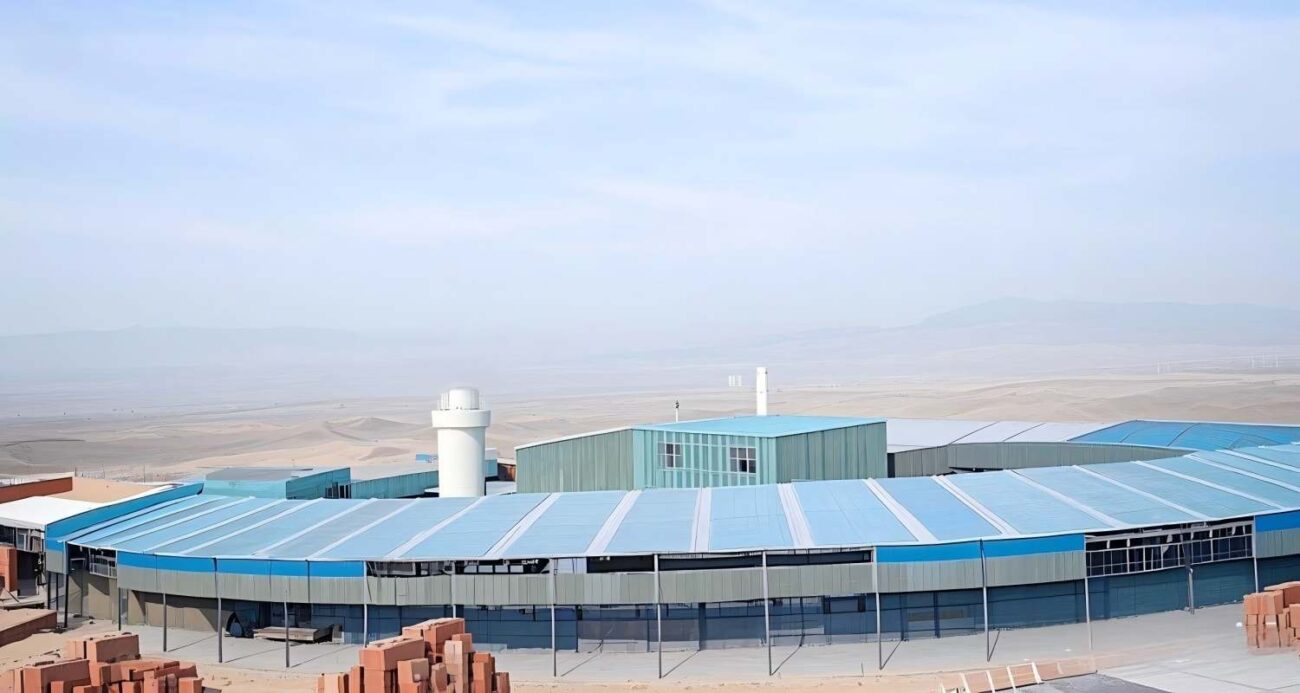
Transitioning from traditional masonry kilns to modern, well-insulated prefabricated tunnel kiln technology remains the most effective way for a manufacturer to achieve long-term cost stability and high thermal efficiency.
FAQ
Q: What is the most common cause of fuel waste in old tunnel kilns?
A: Air leakage is the primary culprit. When the sand seals or the joints between kiln sections fail, cold air enters the firing zone, forcing the burners to work harder to maintain the temperature.
Q: How does brick moisture affect my fuel bill?
A: Significantly. It takes a massive amount of energy to turn water into steam. If bricks enter the kiln “wet,” the first several burners are used exclusively for drying rather than firing, which is a very inefficient use of high-grade fuel.
Q: Can I retrofit my existing kiln to save fuel?
A: Yes, retrofitting with ceramic fiber insulation and VFD fans can help. However, if the kiln shell is structurally compromised, the ROI of a new prefabricated tunnel kiln is often higher due to the integrated efficiency of modern designs.
Q: Does fuel type change the efficiency of the kiln?
A: While natural gas is easier to control and generally cleaner, the efficiency of the kiln is more dependent on the burner technology and the kiln structure than the fuel itself.
Reference Sources
- SGS Insights: Technical standards for industrial kiln emissions and energy efficiency.
- The Brick Industry Association (BIA): Energy conservation and fuel management in brick manufacturing.
- Yaxin Kiln Technical Documentation: Engineering specifications for high-efficiency prefabricated tunnel kilns.
- Energy.gov (Industrial Efficiency): Best practices for high-temperature process heating.
- ISO 50001: Energy Management Systems for Heavy Industry.