
Prefabricated Tunnel Kiln Installation: A Technical Setup Guide

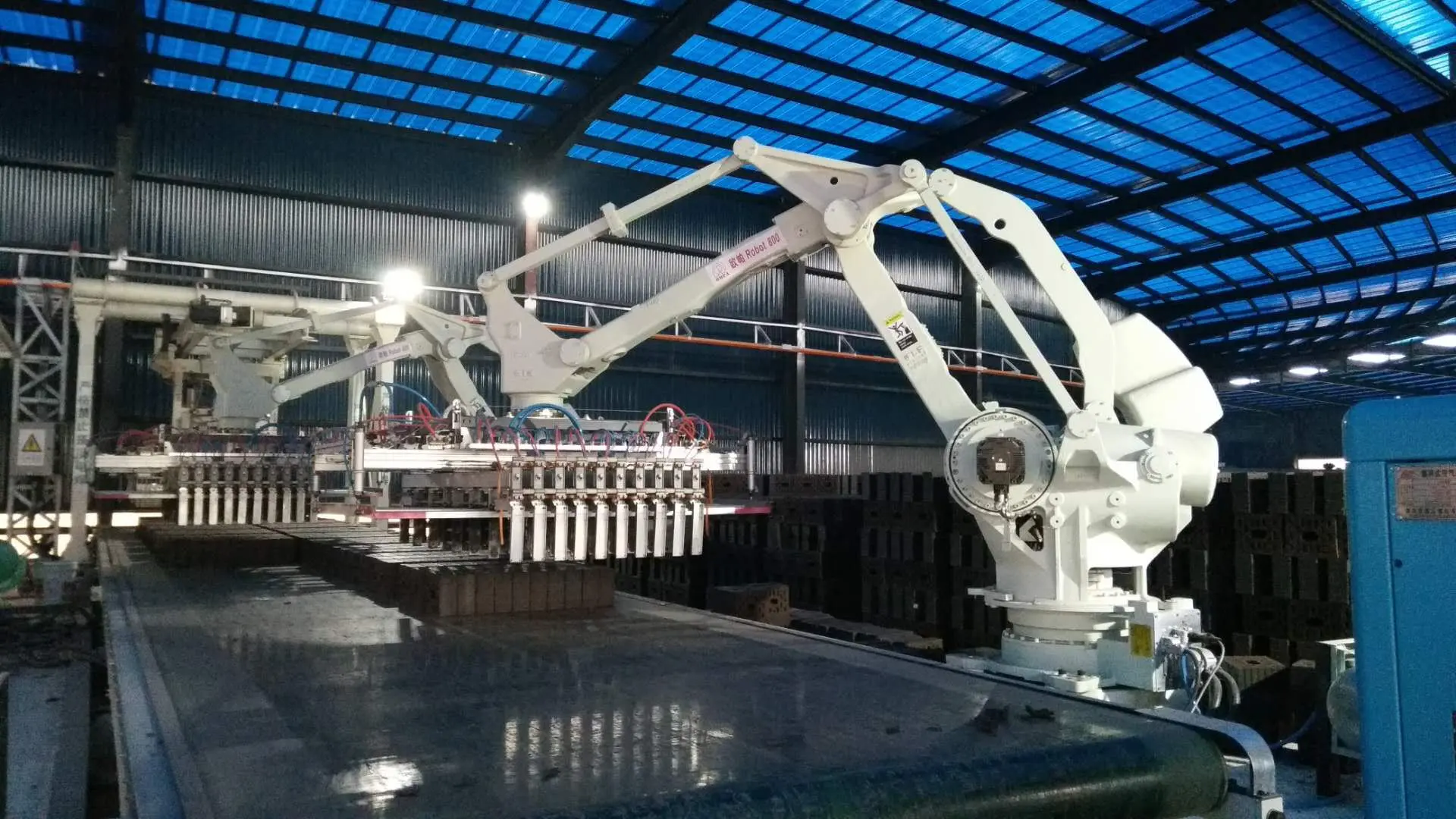
The transition from traditional masonry kilns to prefabricated modular systems has revolutionized the heavy clay and ceramics industries. A prefabricated tunnel kiln offers significant advantages in thermal efficiency and construction speed. However, the success of a prefabricated kiln setup depends heavily on the precision of the initial installation phase.
Unlike traditional kilns built brick-by-brick on-site, prefabricated models arrive as pre-engineered modules. These sections contain integrated refractory linings, burner housings, and ductwork. Proper installation ensures structural integrity and prevents thermal bypass, which can compromise energy efficiency.
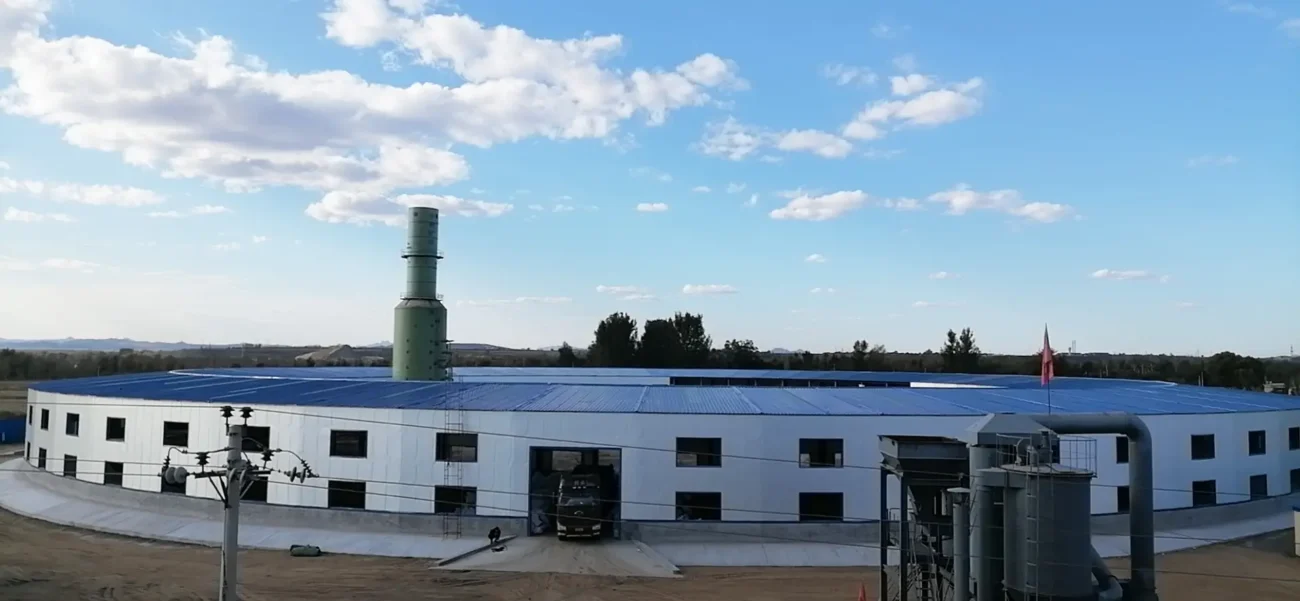
Phase 1: Civil Engineering and Foundation Precision
Before the first module arrives, the facility must prepare a foundation capable of supporting massive thermal and mechanical loads. Civil engineering for a tunnel kiln installation requires tolerances far stricter than standard industrial flooring.
The foundation must account for the weight of the kiln modules and the continuous movement of kiln cars. Engineers typically specify reinforced concrete with high thermal resistance in central zones.
- Leveling Tolerances: The kiln car tracks must be level within ±2mm over the entire length of the kiln. Any deviation causes uneven wear on kiln car wheels and disrupts the automated pushing mechanism.
- Expansion Pit Design: Sub-surface pits must be cleared of debris and waterproofed. These pits allow for air circulation and cooling of the kiln car under-carriages.
- Moisture Control: The concrete slab must be fully cured. Residual moisture in the foundation can turn into steam during the first firing, causing structural micro-cracks.
Phase 2: Modular Positioning and Structural Alignment
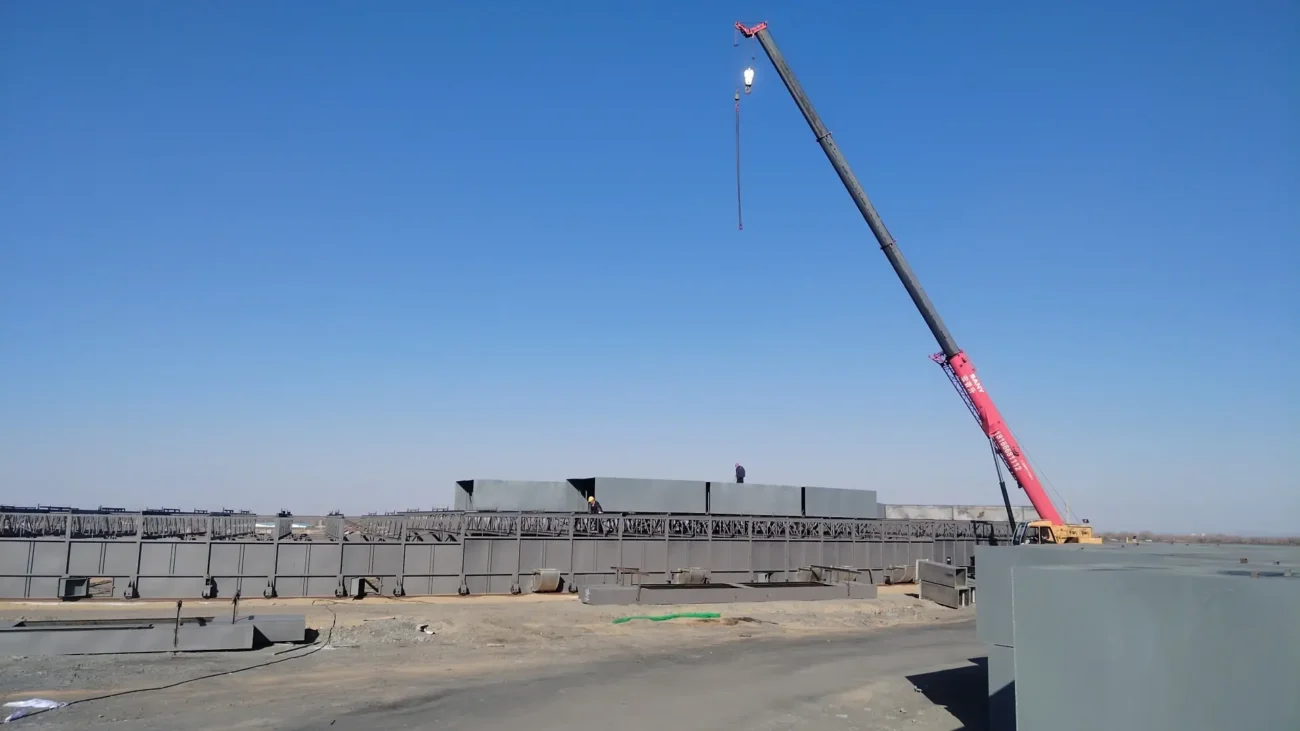
The core advantage of a prefabricated tunnel kiln is the assembly speed. Modules are typically lifted by overhead cranes or heavy-duty forklifts and placed onto the prepared tracks.
The sequence of positioning starts from the center (firing zone) or the exit end, depending on the manufacturer’s structural logic. Each module must be checked for verticality and horizontal alignment. In professional setups, laser alignment tools are used to verify that the internal “clear zone” remains perfectly straight. This ensures that kiln cars, which carry the green bricks, do not scrape the refractory walls during the firing cycle.
Mechanical fastening involves high-tensile bolting of the module frames. Once bolted, the steel outer shell acts as a continuous vapor barrier, which is essential for maintaining the internal pressure required for controlled combustion.
Phase 3: Thermal Sealing and Refractory Continuity
The most critical technical challenge in a prefabricated kiln setup is ensuring the continuity of the insulation between modules. Any gap in the refractory lining becomes a “thermal bridge,” leading to heat loss and potential damage to the steel outer casing.
Installation teams must execute the following steps with high attention to detail:
- Joint Compression: High-temperature ceramic fiber blankets are placed between module interfaces. These must be compressed correctly to allow for thermal expansion while maintaining an airtight seal.
- Refractory Grouting: In some designs, specialized refractory mortar or castable is applied to the floor and wall joints to create a smooth, seamless surface.
- Sand Seal Installation: The sand seal troughs, which prevent hot air from escaping under the kiln cars, must be filled with high-purity silica sand. The depth must be calibrated to match the blades on the kiln cars.
Phase 4: Integration of Burner Systems and Automation
Once the “tunnel” is structurally complete, the focus shifts to the mechanical and electrical subsystems. Prefabricated kilns often feature “plug-and-play” burner manifolds.
Tunnel kiln installation is not complete until the gas or coal-firing systems are pressure-tested. This involves:
- Manifold Connection: Connecting the pre-installed burner groups to the main fuel line using flexible, heat-resistant couplings.
- Sensor Calibration: Positioning thermocouples and pressure transducers. These sensors feed data back to the PLC (Programmable Logic Controller) to manage the firing curve.
- Air Circuit Balancing: Adjusting the high-velocity fans used for pre-heating and cooling. Proper balance ensures that the “zero-pressure point” remains stable within the kiln, preventing cold air ingress.
Phase 5: Cold Commissioning and The First Firing
Before the kiln reaches operational temperatures, a “cold run” is performed. Kiln cars are pushed through the entire length of the kiln to check for clearance issues. The automation software is tested to ensure that safety interlocks—such as flame failure devices and emergency stops—are fully functional.
The first firing, or “drying out,” is a slow, controlled process. The temperature is raised at a rate of roughly 10°C to 20°C per hour. This allows any remaining chemical water in the refractory materials to escape without causing spalling.
From an engineering perspective, monitoring the outer shell temperature during this phase is vital. If hot spots appear, it indicates a failure in the joint sealing during the prefabricated kiln setup, requiring immediate remedial insulation.
FAQ: Prefabricated Tunnel Kiln Installation
How long does a prefabricated tunnel kiln installation take?
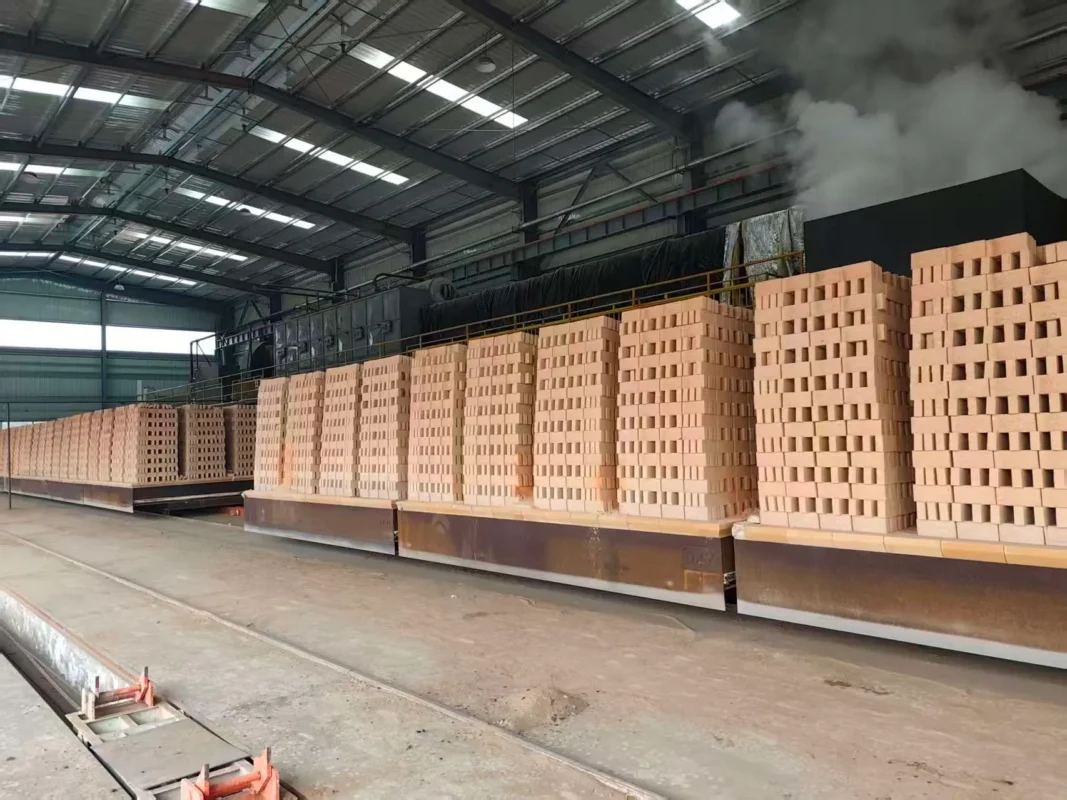
While a traditional kiln can take 6–12 months to build, a prefabricated system can often be installed and commissioned within 8–12 weeks, depending on the length of the kiln and the readiness of the site foundations.
Do I need specialized contractors for the installation?
Yes. While general contractors can handle the civil works, the modular assembly and refractory sealing should be supervised by engineers specializing in thermal equipment to ensure the warranty remains valid.
What are the power requirements for the setup?
Beyond the fuel source, the facility must provide stable three-phase power for the exhaust fans, cooling blowers, and the hydraulic or mechanical car-pushing system. An Uninterruptible Power Supply (UPS) is highly recommended for the PLC to prevent data loss during power fluctuations.
Can a prefabricated kiln be moved after installation?
One of the unique benefits of modular design is portability. If a manufacturing plant needs to relocate, the modules can be unbolted, transported, and re-installed at a new location, though new refractory seals and foundation work will be required.
Reference Sources
- ISO 13577: Industrial furnaces and associated processing equipment — Safety.
- ASTM C155: Standard Classification of Insulating Firebrick (Relevant for refractory lining specifications).
- The European Ceramic Society (ECerS): Technical papers on modular kiln efficiency and thermal expansion management.
- Refractory Engineering Association (REA): Guidelines for high-temperature joint sealing in modular industrial equipment.