
ISO Certification for Kiln Manufacturers: A Technical Guide

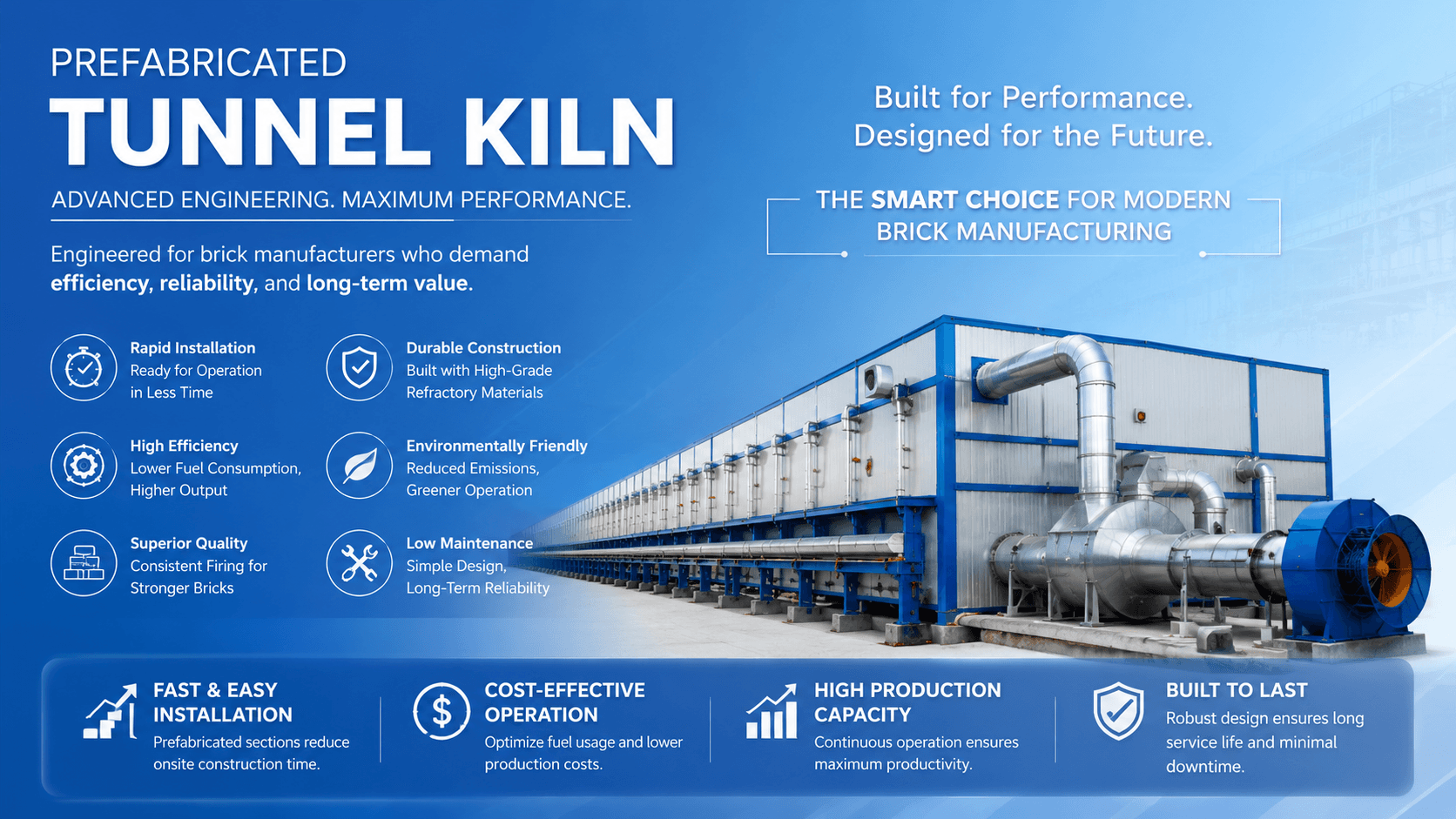
In the heavy industrial sector, a kiln is more than a furnace; it is a complex thermal reactor where structural integrity, thermodynamics, and chemical reactions intersect. For procurement managers and project engineers, evaluating a manufacturer’s credentials often starts with ISO certification. While many view ISO as a bureaucratic checkbox, in the context of thermal engineering, it represents a foundational framework for risk mitigation and performance consistency.
An ISO certified kiln signifies that the manufacturer adheres to globally recognized protocols for design, fabrication, and testing. This is particularly critical in wall material production, ceramics, and chemical processing, where even a minor deviation in thermal distribution can result in massive production losses or structural failure.
The Technical Role of ISO 9001 in Kiln Quality Assurance
ISO 9001:2015 is the international standard for Quality Management Systems (QMS). For kiln manufacturers, this standard dictates how every stage of the lifecycle—from initial thermodynamic modeling to the final refractory installation—is documented and verified.
Kiln quality assurance under ISO 9001 focuses heavily on traceability. In a large-scale tunnel kiln project, thousands of individual components are utilized. ISO standards ensure that:
- Material Certification: Every steel plate used for the kiln shell and every refractory brick has a traceable mill test certificate.
- Welding Standards: Structural welds are performed by certified welders and undergo non-destructive testing (NDT).
- Calibration: The sensors and PLCs (Programmable Logic Controllers) used to manage the firing curve are calibrated against international benchmarks.
Without these controls, a kiln may develop “cold spots” or structural warping within its first year of operation. A certified QMS ensures that the engineering tolerances for thermal expansion are strictly followed during the assembly phase.

ISO 14001: Environmental Management and Thermal Efficiency
As global carbon taxes and environmental regulations tighten, the energy efficiency of a kiln is no longer just an operational preference—it is a compliance requirement. ISO 14001 focuses on Environmental Management Systems (EMS), and its impact on kiln design is profound.
An energy-efficient kiln is the direct result of the continuous improvement cycles mandated by ISO 14001. Manufacturers with this certification are required to identify and mitigate environmental impacts. Technically, this translates to:
- Optimization of Waste Heat Recovery: Standardizing the ductwork to recycle hot air from the cooling zone back into the preheating zone.
- Burner Technology: Utilizing high-velocity, low-NOx burners that reduce fuel consumption and emissions.
- Insulation Density: Using advanced refractory fibers and microporous insulation to minimize surface heat radiation.
By choosing an ISO 14001 certified manufacturer, an industrial plant ensures that the kiln’s “environmental footprint” was a design priority, not an afterthought.
Operational Safety and ISO 45001
Kilns operate at extreme temperatures, often exceeding 1,000°C, and involve high-pressure fuel systems. ISO 45001 (Occupational Health and Safety) ensures that the kiln is designed with the end-user’s safety in mind.
Safety-critical systems in an ISO certified kiln include:
- Explosion Relief Ports: Precisely calculated blow-out panels in the event of a gas buildup.
- Interlock Logic: Automated sequences that prevent burner ignition if the exhaust fans are not at the required RPM.
- Surface Temperature Limits: Ensuring that the kiln’s outer shell temperature remains within safe limits for operators.
These safety features are deeply embedded in the manufacturer’s design protocols, rather than being added as secondary features.
How Certification Translates to Project Success
In the B2B procurement cycle, the value of an ISO certified kiln becomes apparent during the commissioning and “dry-out” phases. A manufacturer with a robust quality system will have pre-tested the automation logic and verified the refractory dry-out curve before the equipment ever leaves the factory floor.
For engineers, this reduces the “teething problems” often associated with new thermal equipment. Real-world applications of these standards can be observed in high-performance kiln case studies, where standardized manufacturing processes have led to kilns that exceed their rated service life.
The Commercial Logic of Quality Standards
From a manufacture-consultant’s perspective, the “Total Cost of Ownership” (TCO) is significantly lower for a kiln produced under ISO standards. While the initial capital expenditure (CAPEX) might be higher compared to non-certified workshops, the savings are found in:
- Reduced Downtime: Consistent part dimensions mean faster repairs and higher reliability.
- Lower Insurance Premiums: Insurance providers often view ISO certification as evidence of lower operational risk.
- Global Compliance: For multinational corporations, using ISO-certified equipment is often a mandatory internal policy to ensure global consistency across production sites.
Summary of ISO Impact on Kiln Manufacturing
| ISO Standard | Core Focus in Kiln Manufacturing | Primary Benefit to the Buyer |
| ISO 9001 | Process consistency and traceability | Long-term structural reliability |
| ISO 14001 | Energy efficiency and emissions | Compliance with carbon regulations |
| ISO 45001 | Operational safety and interlocks | Reduced workplace liability |
Choosing an ISO certified kiln manufacturer is essentially an investment in engineering predictability. It ensures that the thermal equipment will perform according to its design specifications over decades of continuous operation.
FAQ: Industrial Kiln Standards and Certification
Does ISO certification guarantee the lowest price for a kiln?
No. ISO certification generally implies a higher level of engineering oversight and material quality, which may increase the initial price. However, it guarantees a higher level of kiln quality assurance, which reduces long-term maintenance and energy costs.
Can a non-ISO manufacturer produce a good kiln?
It is possible, but the risk is significantly higher. Without a certified QMS, the buyer has no objective proof that the steel grades, welding quality, or insulation density are consistent across the entire structure.
How often is a kiln manufacturer’s ISO certification audited?
Certifications are typically audited annually by third-party bodies (such as SGS, TUV, or Bureau Veritas). A full re-certification occurs every three years to ensure the manufacturer has maintained the required standards.
What is the difference between ISO 9001 and CE marking for kilns?
ISO 9001 is a management system standard focusing on processes. CE marking is a product certification that specifically proves the equipment meets European health, safety, and environmental protection standards. Most leading manufacturers hold both.
Reference Sources
- ISO 9001:2015: Quality management systems — Requirements. Official ISO Source
- ISO 14001:2015: Environmental management systems. Official ISO Source
- ASTM C155: Standard Classification of Insulating Firebrick (often referenced in ISO-based kiln QA/QC).
- SGS Industrial Services: Whitepapers on Quality Control in Thermal Equipment Manufacturing.
- TUV Rheinland: Certification guidelines for high-temperature industrial furnaces.