
Movable Tunnel Kiln Design: Engineering and Construction Guide

Understanding the Engineering Logic of Movable Tunnel Kilns
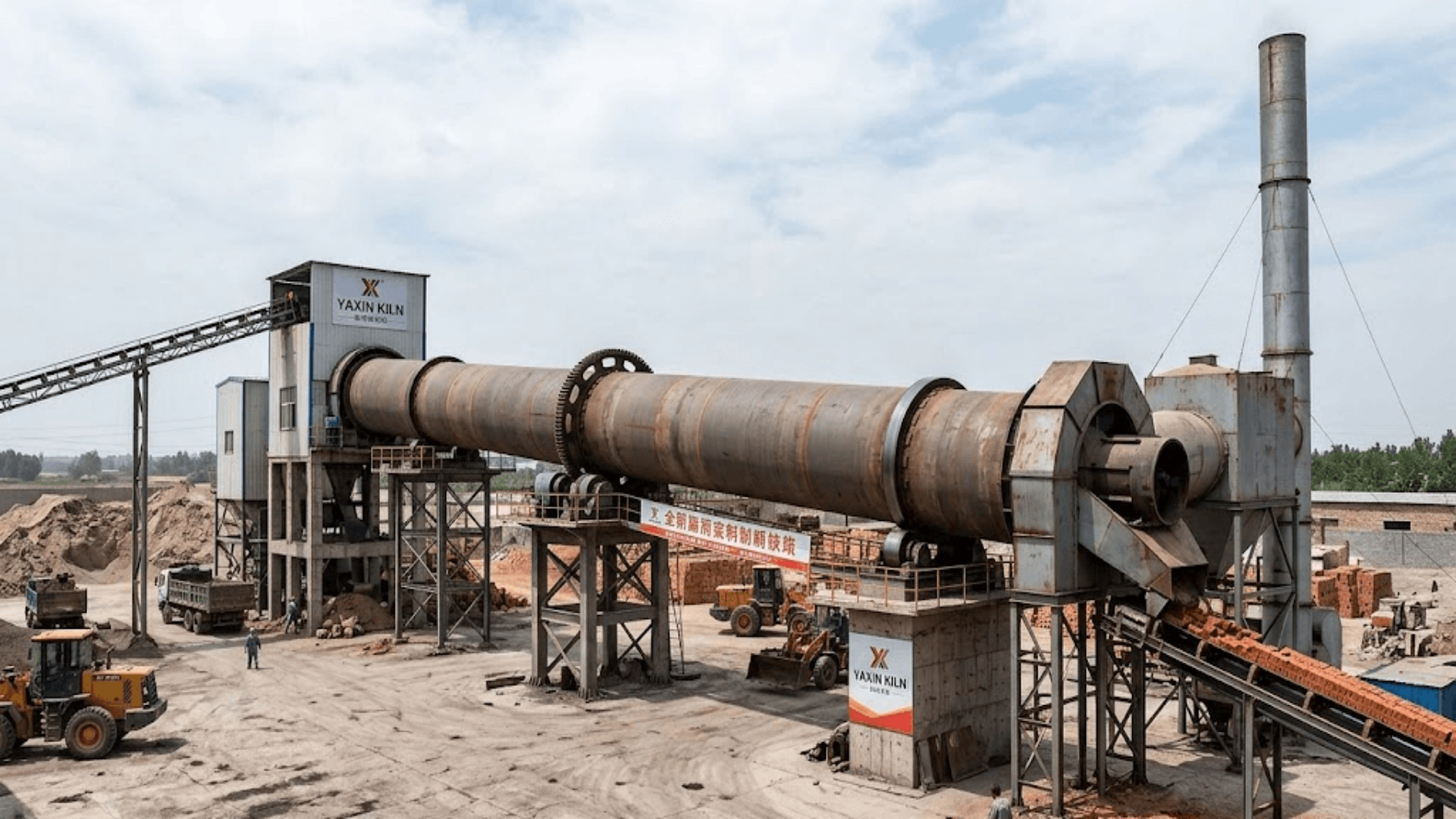
In the traditional landscape of heavy clay and brick manufacturing, the fixed tunnel kiln has been the industry standard for decades. However, as manufacturing constraints evolve—prioritizing lower infrastructure costs, faster commissioning, and scalability—the movable tunnel kiln design has emerged as a disruptive engineering solution.
Unlike a standard tunnel kiln where the brick stacks move through a stationary heating structure on cars, a movable tunnel kiln (often referred to as a “moving body” or “prefabricated modular kiln”) involves a stationary hearth. The kiln body itself moves along a set of tracks, passing over fixed stacks of green bricks. This shift in design logic significantly alters the thermodynamics and structural requirements of the firing process.
For facility managers and OEM project managers, this design offers a unique “Total Thermal Loop” advantage. By eliminating the need for expensive, high-maintenance kiln cars, manufacturers reduce parasitic heat loss—energy that would otherwise be wasted heating the massive steel and refractory mass of the cars themselves.
Core Principles of Movable Tunnel Kiln Design
The engineering of a movable tunnel kiln focuses on lightweight structural integrity and precise atmospheric control. Because the entire kiln body must move, the design must balance thermal mass with mechanical mobility.
1. Structural Steel Skeleton and Modular Housing
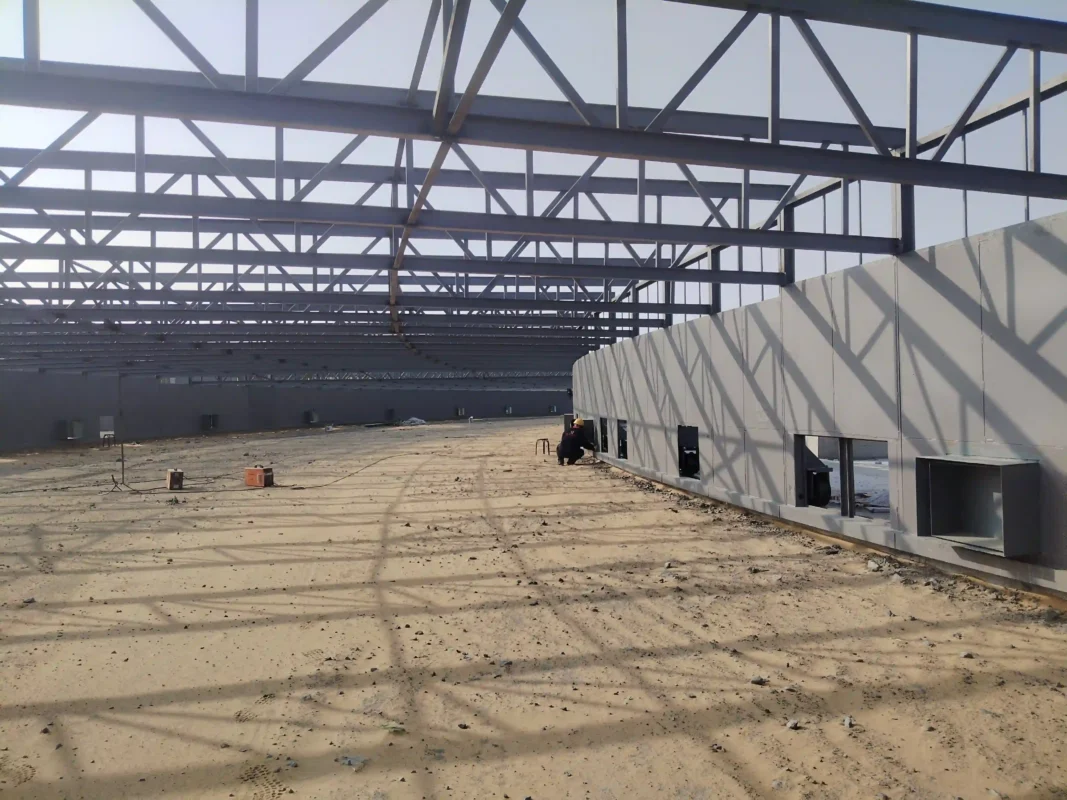
The foundation of a movable tunnel kiln design is a high-strength steel framework. This skeleton supports the refractory lining and combustion equipment while maintaining dimensional stability during the stresses of movement and thermal expansion. In modern high-performance manufacturing, these structures are often prefabricated in sections to ensure factory-controlled tolerances.
2. Advanced Refractory Insulation
Traditional kilns use heavy masonry firebricks. In contrast, movable designs prioritize lightweight ceramic fiber modules or high-alumina insulating bricks. These materials provide low thermal conductivity and low heat storage, allowing the kiln to reach operating temperatures rapidly (low thermal inertia) and reducing the weight load on the drive system.
3. Precision Drive and Track Systems
The movement of the kiln is typically managed by a heavy-duty hydraulic or electric rack-and-pinion system. The alignment of the floor tracks is critical; even a 2mm deviation over 100 meters can cause uneven wear on the seals or mechanical seizure.
| Feature | Fixed Tunnel Kiln | Movable Tunnel Kiln |
| Material Transport | Kiln cars move through the kiln | Kiln body moves over fixed hearth |
| Foundation Requirements | Deep, reinforced concrete pits | Surface-level rails |
| Thermal Mass | High (Heavy cars and bricks) | Low (Lightweight refractory) |
| Commissioning Time | 6–12 Months | 3–5 Months (Prefabricated) |
| Parasitic Heat Loss | Significant (Car heating) | Minimal |
The Construction Process: From Site Prep to Commissioning
Constructing a movable tunnel kiln requires a transition from traditional on-site masonry to specialized industrial assembly. The following workflow represents the industry standard for high-efficiency installations.
Phase 1: Site Engineering and Rail Foundation
Construction begins with the installation of the precision track system. Unlike traditional kilns that require deep excavation for car pits, the movable kiln foundation is primarily surface-level. However, the ground must be stabilized to prevent subsidence, ensuring the long-term alignment of the moving structure.
Phase 2: Modular Fabrication and Refractory Lining
The kiln body is typically constructed using prefabricated modular sections. This process happens in a controlled factory environment. Each module is lined with refractory fiber or lightweight brick and equipped with pre-installed piping for gas and air. This “plug-and-play” approach significantly reduces on-site labor and weather-related delays.
Phase 3: Integration of Combustion and Control Systems
Once the modules are assembled on the rails, the combustion system—comprising high-velocity burners and PLC (Programmable Logic Controller) arrays—is integrated. Modern movable kilns utilize multi-zone temperature control. Sensors located along the moving body communicate in real-time with the control room to adjust oxygen levels and fuel flow, ensuring a consistent firing curve for every brick.
Phase 4: Sealing and Draft Management
One of the most complex aspects of the construction process is the dynamic seal. Since the kiln moves over a stationary hearth, a sand seal or high-temperature mechanical skirt is used to prevent cold air infiltration. Proper draft management is essential to ensure that the heat from the cooling zone is effectively recovered and moved to the drying zone.
Benefits for Large-Scale Production Facilities
For industrial manufacturers, the advantages of this design extend beyond fuel savings. The flexibility of the movable kiln allows for “sectional scaling.” If production demand increases, additional hearth length can be added without needing to build an entirely new kiln.
Key Industrial Benefits:
- Reduced Labor Intensity: Eliminates the logistics of managing, loading, and repairing hundreds of kiln cars.
- Improved Product Consistency: Because the bricks remain stationary, there is zero risk of “car wrecks” or stack shifts during the firing cycle.
- Energy Efficiency: The low thermal mass of the prefabricated sections results in a 15–20% reduction in fuel consumption compared to older masonry designs.
Facilities looking to modernize often choose a prefabricated tunnel kiln because the construction process is predictable. When a kiln is built in a factory rather than in the mud of a construction site, the quality of the insulation and the precision of the burner ports are guaranteed.
Maintenance and Structural Longevity
From a manufacturing consultant’s perspective, the long-term reliability of a movable tunnel kiln depends on the maintenance of the drive system and the seal integrity.
- Seal Inspection: Periodic checks of the sand-seal level prevent heat loss to the foundation.
- Rail Calibration: Ensuring the tracks remain parallel prevents lateral stress on the steel skeleton.
- Refractory Audits: Thermal imaging cameras are used to detect “hot spots” on the kiln shell, indicating areas where fiber modules may need replacement.
In large-volume production, these kilns are designed to run 24/7 for several years between major maintenance cycles. The use of high-strength alloy steels in the moving carriage ensures that the mechanical components can withstand the constant thermal cycling of the firing zones.
FAQ
How does a movable tunnel kiln differ from a Hoffman kiln?
While both utilize stationary materials, a Hoffman kiln requires workers to enter the hot chambers to load and unload bricks. The movable tunnel kiln is fully automated; the kiln body passes over the bricks, and the process is managed by sensors and PLC systems, offering much higher efficiency and better worker safety.
What is the maximum temperature for this kiln design?
Most movable tunnel kilns are designed for temperatures between 950°C and 1250°C, which is the standard range for high-quality facing bricks and clay pavers. Special refractory linings can be specified for higher-temperature technical ceramics.
How long does it take to build a movable tunnel kiln?
Using a prefabricated modular approach, the on-site assembly and commissioning can be completed in as little as 12 to 16 weeks, compared to nearly a year for traditional masonry kilns.
Can this kiln handle different fuel types?
Yes. The design is versatile and can be equipped with burners for natural gas, LPG, heavy oil, or even pulverized coal. The burner systems are typically modular and can be swapped or upgraded as fuel markets change.
What are the primary maintenance costs?
The primary recurring costs involve electricity for the drive system and the occasional replacement of ceramic fiber modules in the high-heat zone. Because there are no kiln cars, the high cost of car-deck refractory repair is entirely eliminated.
What is a movable tunnel kiln?
A movable tunnel kiln is an advanced continuous firing system designed for brick and ceramic production. Unlike traditional fixed kilns, it uses a movable structure or kiln car system to improve flexibility, efficiency, and production management.
What are the advantages of a movable tunnel kiln?
The main advantages include lower energy consumption, continuous production, easier maintenance, improved automation, and flexible installation options.
How does a tunnel kiln work?
A tunnel kiln usually includes preheating, firing, and cooling zones. Products move through different temperature areas to complete the drying and firing process.
What factors affect tunnel kiln design?
Tunnel kiln design depends on production capacity, product type, fuel availability, factory layout, temperature requirements, and automation level.
Reference Sources
- ISO 13577: Industrial furnaces and associated processing equipment — Safety.
- ASTM C155: Standard Classification of Insulating Firebrick.
- The American Ceramic Society (ACerS): Technical reports on modular kiln thermodynamics.
- IEEE Xplore: Research on PLC-driven thermal gradients in moving-body kilns.
- European Ceramic Society: Guidelines for energy efficiency in heavy clay firing.
Summary:
Movable tunnel kiln design prioritizes modular prefabrication and lightweight refractories to eliminate kiln car parasitic heat loss. The prefabricated tunnel kiln construction process ensures rapid deployment and superior energy efficiency for modern brick manufacturing.