
How Energy-Efficient Kiln Technology Improves Thermal Efficiency and Reduces Energy Costs

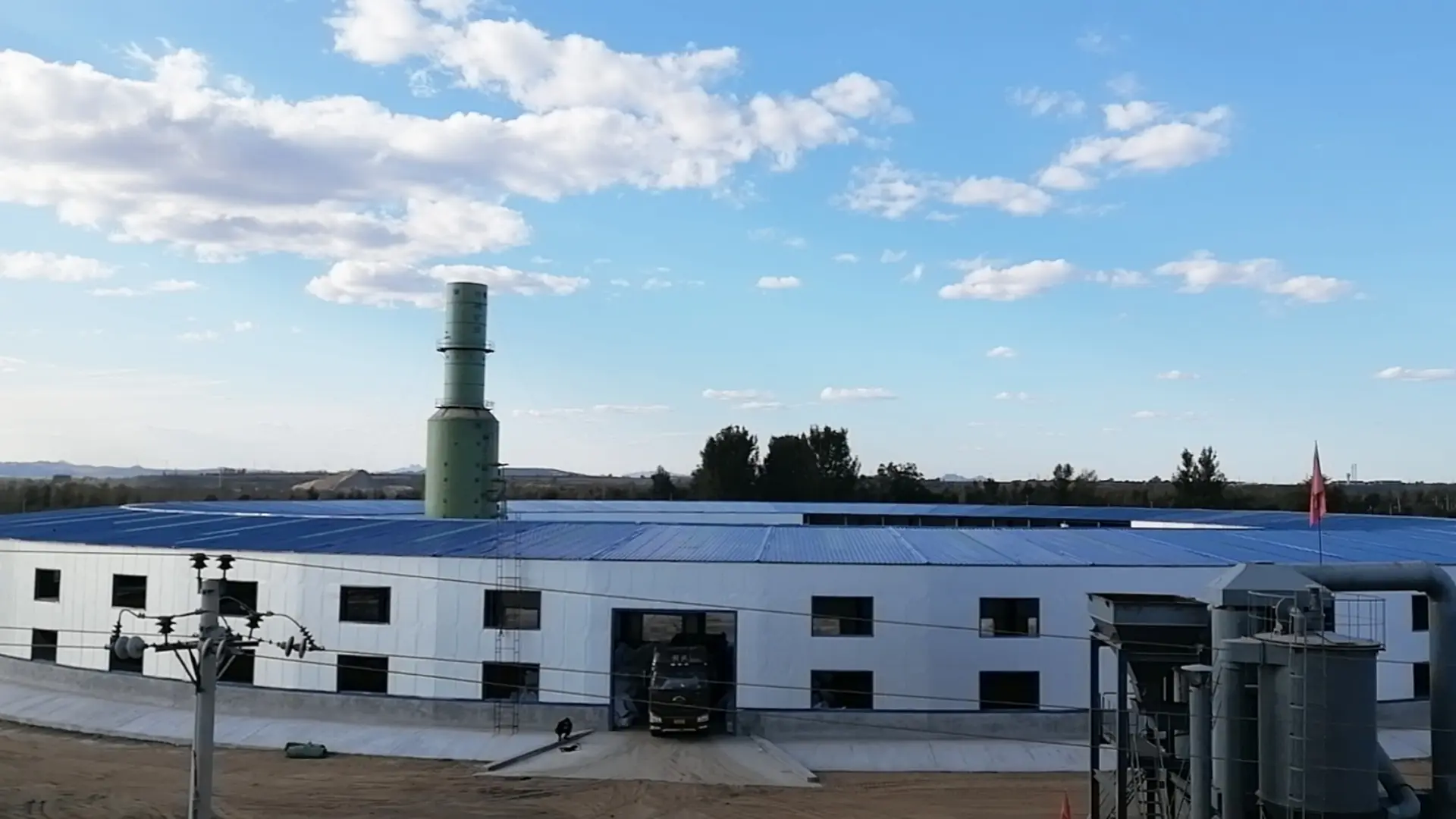
Industrial kilns consume significant amounts of energy during high-temperature firing processes. Improving kiln thermal efficiency has become a priority for brick, ceramic, and building material manufacturers looking to reduce fuel costs, improve production stability, and lower emissions.
In the landscape of modern heavy industry, thermal processing is often the most significant operational expense and carbon contributor. For facility managers and manufacturing consultants, the shift toward a high-efficiency kiln is no longer an optional upgrade but a strategic necessity. High-temperature processing—whether for cement, lime, or hazardous waste—demands a sophisticated balance between fuel consumption and heat retention.
Patented kiln technology represents the pinnacle of this balance, integrating advanced thermodynamics with digital control systems. Unlike legacy equipment, these innovations address the root causes of energy waste: excessive heat loss through the shell, inefficient combustion, and poor material-to-gas heat exchange. By solving these engineering bottlenecks, facilities can achieve significant reductions in “cost per ton” while meeting increasingly strict global emission standards.
Defining Patented Kiln Technology in Modern Manufacturing
What exactly differentiates patented kiln technology from standard industrial ovens? In the engineering world, “patented” usually refers to unique internal geometries, proprietary refractory formulations, or specialized air-flow management systems. These designs are protected precisely because they solve specific thermodynamic inefficiencies that generic models cannot.
Standard kilns often suffer from uneven thermal gradients, leading to “hot spots” that damage the equipment and “cold spots” that result in under-processed material. High-efficiency kiln designs utilize advanced computational fluid dynamics (CFD) to ensure that every joule of energy is directed toward the material. This precision reduces the fuel required to maintain the necessary reaction temperatures, directly impacting the facility’s bottom line.
Core Mechanisms of Efficiency Improvement
To understand the value of these systems, one must look at the specific engineering interventions that drive performance. Thermal efficiency in a kiln is measured by how much of the input energy is actually used for the material’s chemical or physical transformation versus how much is lost to the atmosphere.
- Heat Recuperation Systems: Patented designs often feature secondary and tertiary air systems that capture heat from the cooling material and pump it back into the combustion zone.
- Advanced Refractory Lining: High-efficiency kilns use multi-layered insulation with proprietary materials that reduce shell temperature and prevent heat radiation.
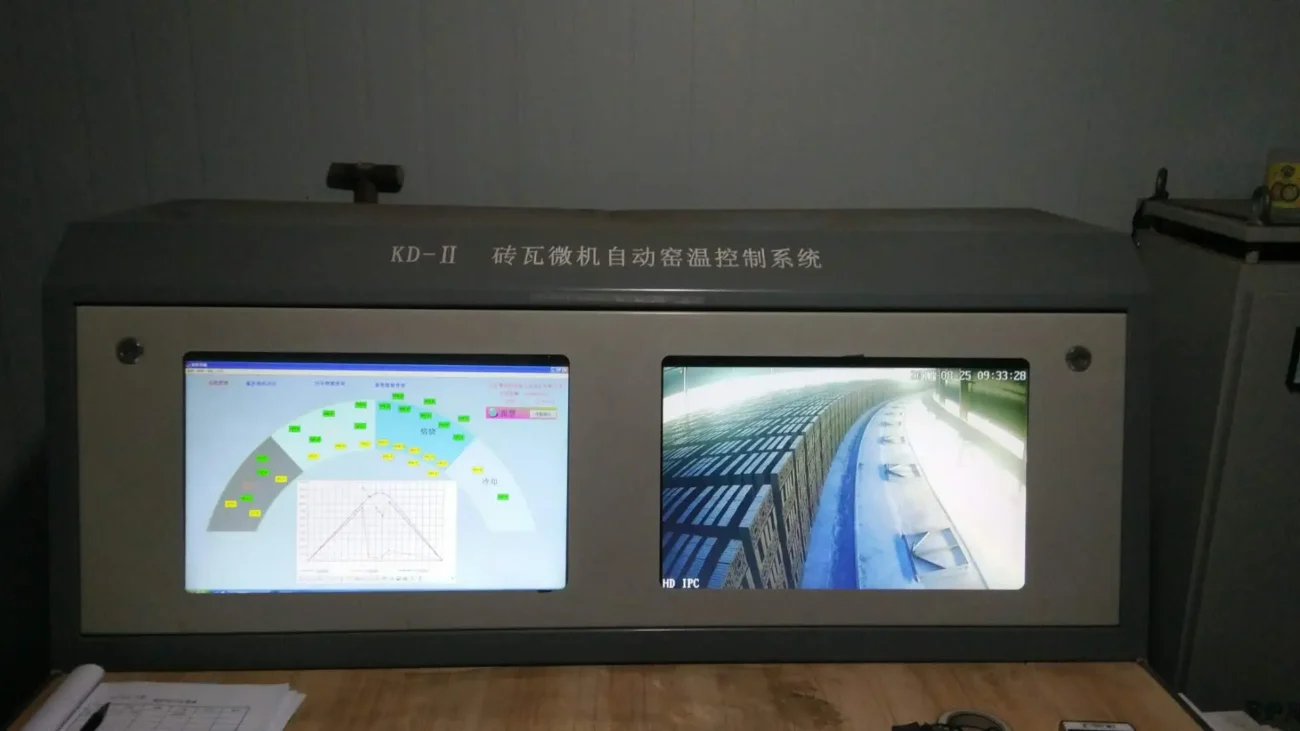
- Automated Combustion Control: Integration with PLC (Programmable Logic Controller) systems allows for real-time adjustments to the air-fuel ratio based on sensor feedback.
| Feature | Standard Kiln Tech | Patented High-Efficiency Tech |
| Thermal Loss | 15–25% via shell radiation | 5–10% through advanced insulation |
| Fuel Utilization | Standard burner profiles | Recuperative/Low-NOx burner systems |
| Maintenance Cycle | High frequency due to thermal stress | Lower frequency via uniform heating |
| Process Control | Manual or semi-automated | Full AI/Sensor-driven automation |
The Role of Rotary Kilns in Continuous Production
In large-volume production, the rotary kiln remains the industry standard for processing bulk solids. Its ability to handle varied particle sizes while maintaining a continuous flow makes it indispensable for mineral processing and waste treatment. However, the rotating nature of the vessel introduces unique challenges in sealing and heat retention.
Innovations in rotary kiln technology have focused on specialized seals and internal “lifters.” These lifters are engineered to cascade the material through the hot gas stream, maximizing the surface area exposed to heat. By improving the “gas-to-solid” heat transfer efficiency, patented designs allow for shorter kiln lengths and higher throughput, effectively reducing the physical footprint of the manufacturing plant.
Integrating High-Efficiency Kilns into Industrial Workflows
For OEM project managers, integrating a high-efficiency kiln into an existing production line requires a systems-thinking approach. The kiln does not operate in isolation; it is the center of a larger ecosystem that includes pre-heaters, coolers, and emission control systems.
Modern high-efficiency kilns are often designed as “Total Thermal Loops.” In these setups, the waste heat from the kiln exhaust is used to dry raw materials before they even enter the firing zone. This “pre-processing” ensures that the kiln itself only handles the final calcination or sintering, further lowering the energy required for the primary reaction.
Future Trends: Digital Twins and Decarbonization
The next evolution of patented kiln technology lies in the digital realm. Leading manufacturers are now offering “Digital Twin” models of their kilns. This allows engineers to simulate the impact of different fuel types—such as biomass or hydrogen—before making physical changes to the burner.
As the industry moves toward decarbonization, the ability to maintain thermal efficiency while switching to low-carbon fuels will be a major competitive advantage. High-efficiency kilns with adaptable combustion systems are at the forefront of this transition, providing the technical flexibility needed to navigate a changing energy landscape.
Energy Efficient Kilns for Brick Manufacturing
The brick manufacturing industry is facing increasing pressure to improve production efficiency while reducing energy consumption and operating costs. For brick manufacturers, selecting an energy-efficient kiln is one of the most important decisions affecting long-term profitability.
A modern brick manufacturing kiln is designed not only to achieve the required firing temperature but also to optimize heat distribution, reduce thermal losses, and improve fuel utilization throughout the firing process.
Traditional brick kilns often experience energy losses through:
- Poor insulation performance
- Uneven temperature distribution
- Excessive exhaust heat loss
- Inefficient combustion systems
Advanced energy-efficient kilns address these challenges through improved kiln structures, optimized airflow management, high-performance insulation materials, and intelligent temperature control systems.
For large-scale brick production, an efficient kiln system can provide several benefits:
Reduced Fuel Consumption
Improved thermal efficiency allows more heat energy to be used effectively during firing, helping manufacturers reduce fuel consumption per unit of production.
Improved Product Quality
Stable temperature control helps ensure uniform firing conditions, reducing common problems such as:
- Under-fired bricks
- Over-fired products
- Uneven color
- Product deformation
Higher Production Efficiency
A well-designed brick kiln supports continuous operation with consistent output, helping manufacturers increase production capacity while maintaining product quality.
When selecting a brick manufacturing kiln, manufacturers should consider factors such as production capacity, fuel type, automation level, energy efficiency, and maintenance requirements.
An energy-efficient kiln is not only a production tool but also a long-term investment that can significantly reduce operating costs and improve competitiveness.
Traditional Kiln vs Energy-Efficient Kiln
| Feature | Traditional Kiln | Advanced Energy Efficient Kiln |
|---|---|---|
| Heat Loss | Higher | Reduced through insulation |
| Fuel Consumption | Higher | Optimized |
| Temperature Control | Manual adjustment | Automated control |
| Production Stability | Variable | More consistent |
| Maintenance | Higher frequency | Improved durability |
FAQ
What is the main cause of inefficiency in industrial kilns?
The primary causes are heat loss through the kiln shell, insufficient heat recovery from the cooling product, and poor air-fuel ratio management in the combustion zone.
How does patented technology reduce fuel consumption?
It typically uses specialized heat exchangers and recuperative burners that capture waste heat and reintroduce it into the process, reducing the need for “fresh” fuel to maintain temperatures.
Can old kilns be retrofitted with high-efficiency technology?
Yes, many components like burners, PLC controls, and refractory linings can be retrofitted. However, fundamental structural changes, such as internal lifter geometries in a rotary kiln, may require a full system replacement.
Why is automation important for kiln efficiency?
Automation ensures the kiln operates at its “sweet spot” 24/7. It can react instantly to changes in raw material moisture or ambient temperature, preventing the energy spikes common in manual operation.
Does high-efficiency technology affect the lifespan of the kiln?
Generally, yes. By ensuring uniform heat distribution and preventing localized overheating (hot spots), patented technology reduces thermal stress on the steel shell and refractory, extending the overall service life.
What is kiln thermal efficiency?
Kiln thermal efficiency refers to how effectively a kiln converts fuel energy into useful heat for firing while minimizing heat loss.
How can a kiln reduce energy consumption?
Kilns can reduce energy consumption through improved insulation, heat recovery systems, optimized combustion, and better temperature control.
Reference Sources
- ISO 13577: Industrial furnaces and associated processing equipment — Safety. ISO.org
- ASTM C155: Standard Classification of Insulating Firebrick. astm.org
- ACerS (The American Ceramic Society): Research on refractory materials and thermal management. ceramics.org
- U.S. Department of Energy (DOE): Industrial Heating Equipment Energy Assessment guidelines.
- IEEE Xplore: Research papers on PLC and AI integration in industrial thermal processes. ieee.org