
Modular Tunnel Kiln Construction Process: Efficiency Guide

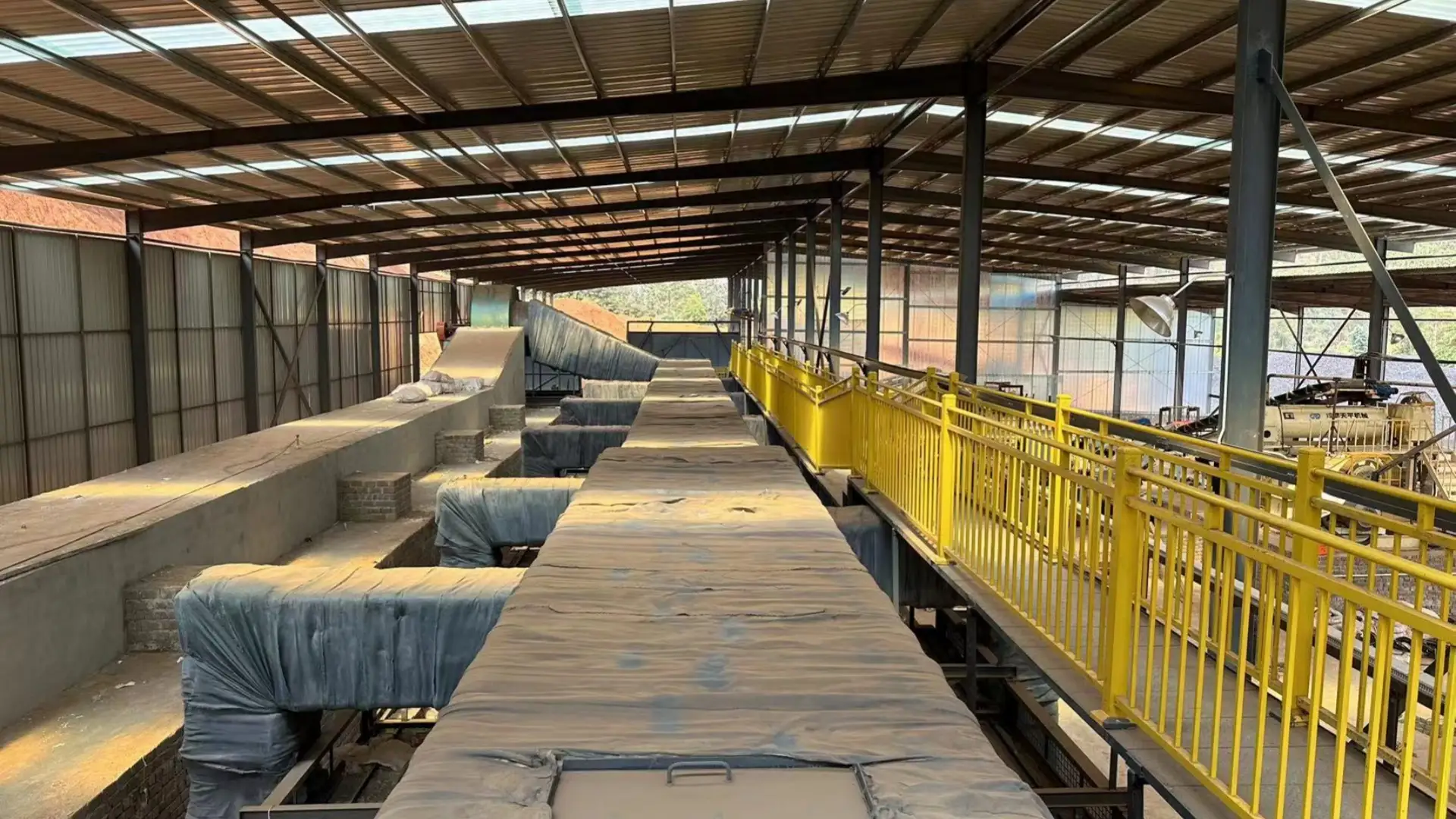
In traditional heavy clay manufacturing, building a kiln was a grueling, months-long masonry project. Today, the industrial shift toward the modular tunnel kiln construction process has redefined project timelines. For plant managers, the transition from onsite masonry to prefabricated engineering is driven by the need for thermal precision.
Modular systems utilize factory-controlled sections that are transported and assembled on-site. This reduces construction periods by up to 50% compared to traditional methods. Understanding the technical stages from foundation to commissioning is essential for evaluating the ROI of modern kiln technology.
The Engineering Shift to Prefabricated Kilns
Traditional kilns suffer from variable construction quality due to environmental factors. On-site masonry often leads to inconsistent refractory density and heat leaks. Modular construction solves this by moving the high-precision work into a controlled factory environment.
A modular tunnel kiln is essentially a high-performance steel shell lined with specialized refractory materials. Each module is engineered to handle specific thermal zones, including drying, firing, and cooling. This standardization ensures that the vitrification process remains consistent across the entire production line.
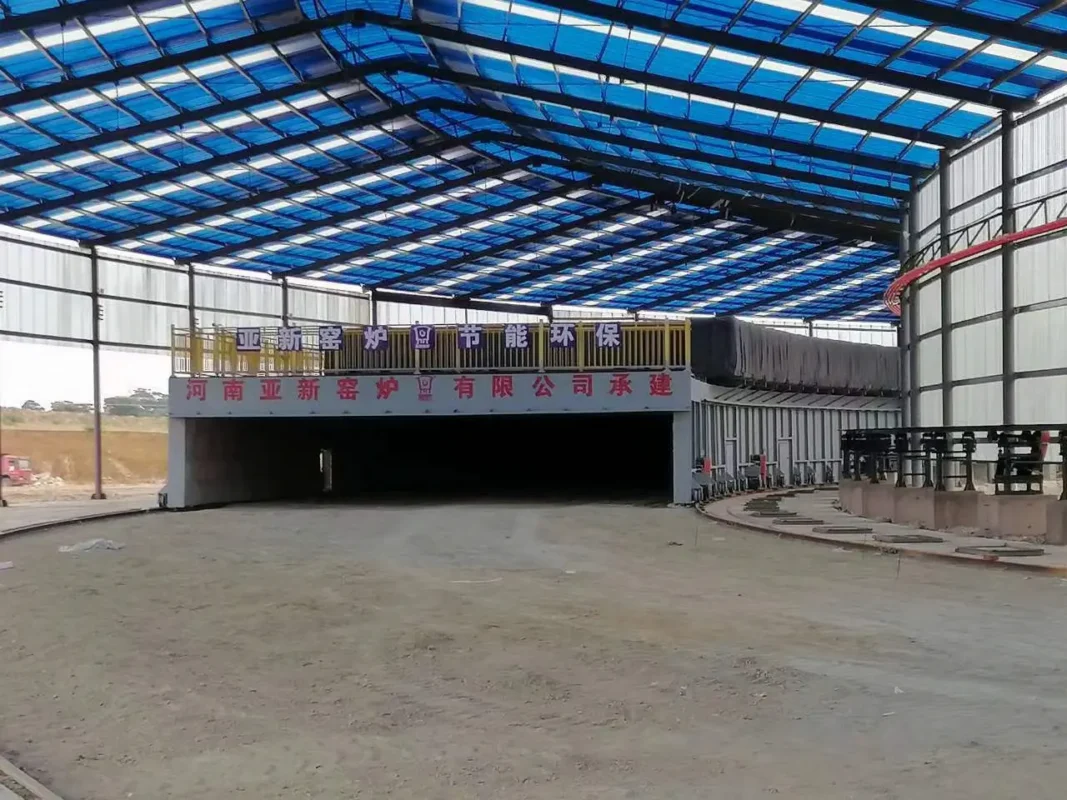
Step-by-Step: Modular Tunnel Kiln Construction Process
The construction lifecycle of a modular system is a highly synchronized mechanical integration. It requires precision leveling and advanced sealing techniques to maintain the internal vacuum and pressure.
Stage 1: Foundation and Infrastructure
- Load-Bearing Analysis: Modular units are concentrated loads. The concrete foundation must be engineered for high soil load-bearing capacity.
- Track Leveling: The kiln car track must be perfectly level. Even a 2mm deviation can cause mechanical jams during 24/7 operation.
Stage 2: Section Positioning and Sealing
- Modular Integration: Pre-fabricated sections are positioned using heavy-lift cranes. They fit together like a “Lego-style” industrial assembly.
- Thermal Expansion Joints: Each joint is sealed with high-temperature ceramic fiber gaskets. These gaps allow the steel structure to expand safely during the firing ramp-up.
Stage 3: Mechanical and PLC Integration
- Burner Systems: Manifolds and fuel lines are connected to pre-installed ports. This includes gas, air, and pressure sensors.
- Automation Calibration: The PLC control system is synchronized with the fan motors. This ensures the pressure profile matches the specific firing curve of the clay.
Material Integrity and Refractory Specifications
The longevity of the kiln depends on the quality of its refractory lining. Modern modular systems prioritize lightweight, high-insulation materials over traditional heavy bricks.
We typically see the use of high-alumina bricks for the firing zone hot face. For the insulation layers, ceramic fiber modules or calcium silicate boards are preferred. This “low-mass” approach allows for faster heating and cooling cycles. It also significantly reduces fuel consumption per kilogram of fired product.
Evaluating ROI: Modular vs. Traditional Onsite Masonry
| Comparison Metric | Traditional Masonry Kiln | Modular Prefabricated Kiln |
| Construction Time | 6–10 Months | 2–3 Months |
| Thermal Efficiency | Moderate (prone to leaks) | High (Standardized Sealing) |
| Labor Requirement | High (skilled masons) | Low (Mechanical Assembly) |
| Production Scalability | Fixed | Expandable via Modules |
| Relocation Capacity | Impossible | Possible |
Procurement Logic: Sourcing Your Prefabricated Kiln
When evaluating suppliers, engineers must prioritize manufacturing transparency. It is vital to audit the factory’s steel welding standards and refractory installation protocols. A failed weld or a slumped insulation module can lead to catastrophic heat loss.
Platforms like Yaxin Kiln’s prefabricated solutions highlight the commercial value of standardized production. Their systems focus on reducing onsite labor costs while maintaining strict compliance with international thermal standards. For a B2B buyer, the “plug-and-play” nature of these modules simplifies the entire project management workflow.
The final step of the process is commissioning. This involves a slow thermal ramp-up to “cure” the refractory materials. Engineers monitor expansion gaps and PLC data during this phase. Once the target vitrification temperature is stable, the kiln is ready for full-scale production.
Modular Tunnel Kiln Construction Process: Step-by-Step
Building a modular tunnel kiln requires careful planning, engineering design, and professional installation to ensure stable operation and long-term production efficiency. Compared with traditional kiln construction methods, modular tunnel kilns use prefabricated components that can simplify installation, reduce construction time, and improve project flexibility.
Project Planning and Kiln Design
The first stage of modular tunnel kiln construction is project planning and engineering design. A professional kiln manufacturer will evaluate the customer’s production requirements, including output capacity, product type, fuel availability, factory layout, and energy efficiency goals.
During this stage, engineers determine important parameters such as kiln length, heating zones, cooling zones, burner configuration, and automation requirements. A customized design helps ensure that the kiln system matches the factory’s production objectives.
Foundation Preparation
A stable foundation is essential for reliable tunnel kiln operation. Before installation begins, the construction area must be prepared according to the engineering drawings.
Key preparation work includes:
- Concrete foundation construction
- Kiln car track installation
- Alignment and leveling checks
- Thermal structure preparation
Proper foundation preparation helps prevent operational problems and ensures smooth movement of kiln cars during continuous production.
Modular Assembly and Installation
One of the main advantages of modular tunnel kilns is the simplified installation process. Prefabricated kiln sections can be manufactured in advance and assembled at the project site.
The installation process usually includes:
- Positioning prefabricated kiln modules
- Installing refractory materials
- Connecting structural components
- Setting up insulation systems
- Installing mechanical equipment
This modular approach reduces onsite construction complexity and allows projects to progress faster compared with traditional kiln building methods.
Burner System and Automation Integration
Modern tunnel kilns rely on advanced heating control and automation systems to maintain consistent product quality.
During this stage, engineers install and configure:
- Burner systems
- Temperature control equipment
- Air circulation systems
- PLC monitoring systems
- Automated control interfaces
A well-designed automation system helps improve energy efficiency, reduce fuel consumption, and maintain stable firing conditions.
Commissioning and Production Testing
After installation, the tunnel kiln must undergo commissioning before full production begins.
The commissioning process includes:
- Equipment inspection
- Temperature calibration
- Heating system testing
- Trial production
- Performance adjustment
Professional commissioning ensures that the kiln operates safely and efficiently while meeting the required production standards.
FAQ
What is the typical lifespan of a modular tunnel kiln?
With proper maintenance, a modular kiln shell lasts over 20 years. The internal refractory lining typically requires localized maintenance every 5 to 8 years.
Can a modular kiln be relocated?
Yes, this is a major advantage. Since it consists of bolted or welded sections, it can be disassembled and moved to a new site.
How does modular construction affect fuel efficiency?
Modular kilns use superior insulation and airtight seals. In large-volume production, this can save 15% to 25% in fuel costs compared to older masonry kilns.
What information is needed for an initial RFQ?
You should provide your required daily production capacity, raw material type (clay, fly ash, etc.), and available fuel source (gas, coal, electricity).
Reference Sources
- ISO 13577: Industrial furnaces and associated processing equipment — Safety.
- ASTM C71: Standard Terminology Relating to Refractories.
- The Ceramic Society of South Africa: Technical papers on kiln efficiency and modern brick manufacturing.
- SGS Technical Whitepapers: Efficiency metrics for industrial prefabricated structures.
- IEEE Standards: Automation and control protocols for high-temperature manufacturing.
Please feel free to contact us if you have any needs!