
Modular Tunnel Kiln Installation Process: A Complete Guide for Brick Factory Projects

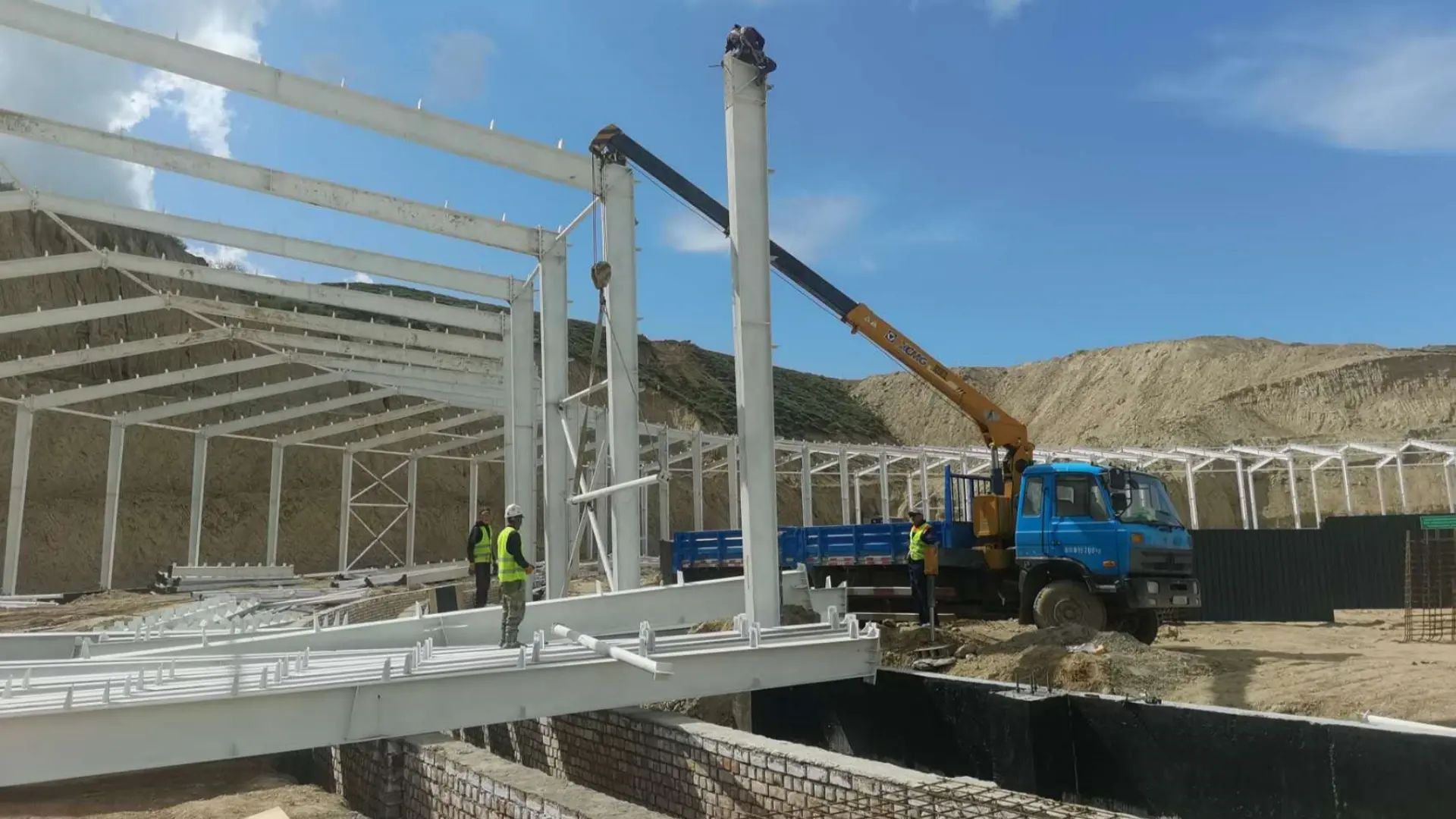
In the heavy clay and ceramic manufacturing industries, the kiln is the primary capital asset. Traditionally, constructing a tunnel kiln was a massive masonry project that could span over a year. The emergence of the modular tunnel kiln installation process has revolutionized this timeline. By utilizing prefabricated sections, manufacturers can now deploy high-efficiency firing systems in a fraction of the time.
A modular tunnel kiln consists of factory-built steel shells lined with advanced refractory materials. These modules are engineered for specific thermal zones: pre-heating, firing, and cooling. For facility managers and project engineers, understanding the sequence of deployment is vital for minimizing operational downtime and ensuring long-term structural integrity.
The Shift from Masonry to Modular Engineering
Traditional kilns rely on on-site bricklaying, which is susceptible to weather delays and human error. In contrast, a modular system is built in a controlled factory environment. This ensures that every weld and every refractory joint meets precise engineering tolerances.
The modular tunnel kiln installation process begins with “off-site” fabrication. Each section includes integrated piping, burner ports, and electrical conduits. When these modules arrive at the site, they function as self-contained units. This “plug-and-play” architecture allows for rapid deployment without compromising the thermodynamic performance of the vitrification cycle.

Pre-Installation Site Preparation and Foundations
Before any hardware arrives, the site must meet strict geotechnical and structural requirements. The weight of modular units is highly concentrated, requiring a reinforced concrete foundation.
Engineering teams must ensure the foundation is perfectly level. Any deviation in the floor slab can cause mechanical misalignment during assembly. This leads to issues with kiln car tracking or air leakage. Precise leveling at this stage prevents future friction in the automatic car handling systems.
Utility infrastructure is the second pillar of site preparation. Fuel lines (natural gas, coal, or biomass) and high-voltage electrical supplies must be routed according to the kiln’s blueprint. Proper staging areas are also designated for the arrival of the modular sections, which are typically transported via heavy-duty flatbed trailers.
Factory Fabrication and Quality Control Logic
The core advantage of the modular tunnel kiln installation process happens before site delivery. Each module undergoes rigorous factory testing. This includes structural stress tests on the steel shell and density verification of the refractory lining.
We see significant benefits in using prefabricated tunnel kiln technology regarding material consistency. In a factory, refractory modules are vacuum-formed or cast with precision. This prevents the “hot spots” often found in traditional hand-laid masonry kilns. Each section is tagged and numbered to ensure the assembly sequence is foolproof.
Step-by-Step On-site Assembly Sequence
Once the site is ready, the physical assembly of the modules begins. This phase is characterized by mechanical integration and laser-guided alignment.
Module Positioning and Leveling
High-capacity cranes position the modules onto the foundation. Engineers use laser trackers to align the kiln tracks across the entire length. Even a 2mm gap can disrupt the 24/7 flow of kiln cars.
Structural Joining and Expansion Gaps
Modules are bolted or welded together depending on the design. Crucially, expansion joints are installed between sections. These joints allow the kiln shell to expand and contract during the 1000°C+ thermal cycles without cracking.
Integrated Manifold Connection
Once the shell is secure, technicians connect the internal burner manifolds. This involves linking the gas and air supply lines between modules. The goal is to create a seamless distribution network that ensures uniform temperature profiles across the firing zone.
Thermal Sealing and Refractory Integration
Airflow control is the secret to kiln efficiency. Any uncontrolled air ingress ruins the firing curve and wastes fuel.
The modular tunnel kiln installation process utilizes high-temperature ceramic fiber gaskets at every junction. These seals must remain airtight under the high-pressure conditions of the pre-heating zone. After the modules are joined, the interior refractory “hot face” is inspected for gaps. Any remaining seams are filled with specialized refractory mortar to create a continuous thermal barrier.
This insulation strategy is what allows modular kilns to reach higher energy efficiency ratings. By minimizing heat loss through the shell, the system redirects maximum thermal energy into the bricks. This results in shorter firing cycles and lower CO2 emissions per ton of product.
Mechanical and PLC Control System Calibration
Modern kilns are data-driven environments. The final mechanical step involves the installation of sensors and the PLC (Programmable Logic Controller) cabinet.
Technicians install thermocouples, pressure transducers, and oxygen sensors throughout the pre-heating and firing zones. These sensors feed real-time data to the SCADA interface. During the calibration phase, the software is programmed with the specific firing curve for the manufacturer’s raw material. This automation ensures that the high-performance kiln system operates at peak efficiency with minimal human intervention.
Commissioning and The Initial Burn-In Process
Commissioning is the transition from a cold structure to a live manufacturing environment. This is a slow, meticulously managed process known as the “burn-in.”
The temperature is raised gradually—often at a rate of only 10°C to 15°C per hour. This allows residual moisture in the refractory materials to evaporate safely. It also lets the steel structure acclimate to the thermal load. During this time, engineers monitor the expansion joints and the integrity of the airflow seals.
Once the kiln reaches its target vitrification temperature (typically between 950°C and 1150°C), the first test cars are pushed through. The finished bricks are analyzed for shrinkage, color consistency, and structural strength. If the results meet the technical specifications, the kiln is cleared for full-scale production.
Comparing Modular Deployment vs. Traditional Construction
| Metric | Traditional Masonry Kiln | Modular Prefabricated Kiln |
| Installation Time | 6 – 12 Months | 2 – 4 Months |
| On-site Labor | High (Masonry Specialists) | Low (Mechanical Assembly) |
| Thermal Precision | Variable | High (Factory Verified) |
| Mobility | Permanent | Relocatable Modules |
| Heat Loss | Higher (Hand-laid joints) | Minimal (Sealed Gaskets) |
The commercial logic of the modular tunnel kiln installation process is clear: speed to market. For a brick factory, starting production eight months earlier represents millions in potential revenue. Furthermore, the ability to relocate or expand the kiln by adding more modules provides a level of business agility that traditional kilns cannot match.
How Much Does Tunnel Kiln Installation Cost?
The cost of installing a modular tunnel kiln varies depending on the specific requirements of each industrial project. There is no fixed installation price because tunnel kiln systems are usually customized according to production capacity, fuel type, factory conditions, and automation requirements.
The main factors affecting tunnel kiln installation cost include:
1. Kiln Size and Production Capacity
Larger tunnel kilns require more materials, longer firing zones, additional equipment, and more complex installation work. The required production output is one of the most important factors influencing the total investment.
2. Foundation and Civil Construction Requirements
The condition of the installation site directly affects project costs. If additional foundation reinforcement, structural improvements, or factory modifications are required, the overall installation budget may increase.
3. Fuel System Configuration
Different fuel options, such as natural gas, LPG, or other industrial energy sources, require different burner systems and supporting equipment, which can influence installation expenses.
4. Automation and Control Systems
Modern modular tunnel kilns often include advanced automation systems for temperature monitoring, kiln control, material handling, and energy management. Higher automation levels can improve efficiency but may require additional investment.
5. Technical Support and Commissioning Services
Professional installation, testing, and commissioning services are essential for achieving stable kiln performance. Experienced suppliers provide technical guidance to ensure the kiln operates efficiently after startup.
When evaluating tunnel kiln installation costs, manufacturers should consider not only the initial investment but also long-term factors such as energy consumption, maintenance requirements, production stability, and operating efficiency.
How to Choose the Right Tunnel Kiln Installation Partner?
Selecting the right tunnel kiln supplier is an important decision for any brick, ceramic, or building material manufacturer. A qualified supplier should provide not only equipment but also complete engineering support throughout installation and operation.
When choosing a tunnel kiln installation partner, consider the following factors:
Engineering Experience
An experienced supplier should have knowledge of kiln design, thermal engineering, automation systems, and industrial installation requirements.
Previous Installation Projects
Reviewing completed tunnel kiln projects can help evaluate the supplier’s technical capability and practical experience in different production environments.
Customization Capability
Every factory has different production requirements. A reliable supplier should be able to customize kiln dimensions, heating systems, automation levels, and production capacity according to customer needs.
Installation and Commissioning Support
Professional installation and commissioning services are essential for ensuring that the kiln reaches its designed performance after startup.
Long-Term Technical Support
A trusted tunnel kiln manufacturer should provide ongoing technical assistance, spare parts support, and operational guidance to help customers maintain stable production.
By working with an experienced modular tunnel kiln supplier, manufacturers can reduce installation risks, improve energy efficiency, and achieve reliable long-term production performance.
FAQ
How long does the modular tunnel kiln installation process actually take?
For a standard 100-meter kiln, the on-site assembly and commissioning typically take between 8 to 12 weeks. This is after the foundations have been cured and the modules have arrived from the factory.
Can modular kilns handle different types of fuel?
Yes. Modular systems are highly adaptable. They can be equipped with burner systems for natural gas, heavy oil, pulverized coal, or even biomass. The burner manifolds are often designed to be interchangeable if fuel sources change in the future.
Are modular kilns as durable as traditional brick kilns?
In many cases, they are more durable. The steel shell provides superior structural support, and the high-grade ceramic fiber insulation does not suffer from the same spalling issues as heavy refractory bricks used in old-style kilns.
What is the “Quartz Inversion” point during commissioning?
During the initial heating, silica in the bricks undergoes a volume change at approximately 573°C. The commissioning process must slow down significantly at this point to prevent the bricks from cracking due to internal stress.
Reference Sources
- ISO 13577: Industrial furnaces and associated processing equipment — Safety.
- ASTM C71: Standard Terminology Relating to Refractories.
- The Ceramic Society of Southern Africa: Technical papers on modular kiln efficiency.
- International Journal of Ceramic Engineering & Science: Sintering kinetics and thermal distribution in tunnel kilns.
- SGS Technical Whitepapers: Efficiency metrics for prefabricated industrial structures.