
Clay Brick Tunnel Kiln Project Cost: 2026 Budgeting Guide

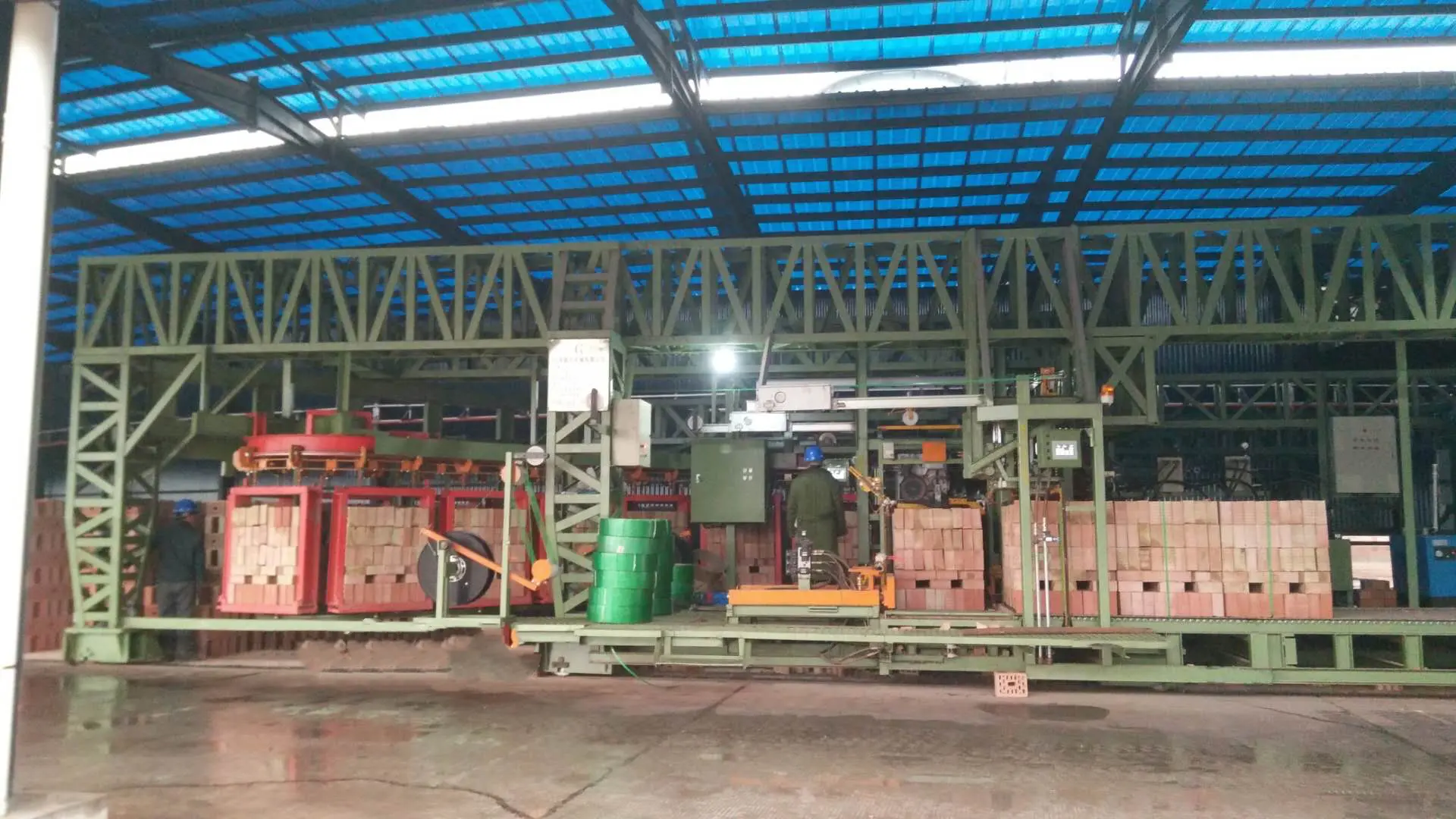
For heavy clay manufacturing investors, the thermal processing stage represents the largest portion of capital expenditure. Understanding the clay brick tunnel kiln project cost is essential for determining a project’s feasibility and long-term profitability. In modern industrial contexts, the budget is no longer just about the raw volume of bricks; it is dictated by thermal efficiency, automation levels, and construction speed.
Traditional masonry kilns, while once the industry standard, are increasingly being replaced by prefabricated and modular systems. These modern alternatives shift the cost structure from unpredictable on-site labor to controlled factory manufacturing. This guide analyzes the technical and commercial variables that drive the total investment required for a high-performance tunnel kiln.
The total clay brick tunnel kiln project cost typically ranges from $300,000 to over $2.5 million, depending on daily capacity (e.g., 100,000 to 300,000 bricks) and automation levels. Key cost drivers include refractory material quality, burner system complexity, and civil works. Prefabricated modular kilns often offer a 20-30% reduction in total project time, significantly improving early-stage ROI.
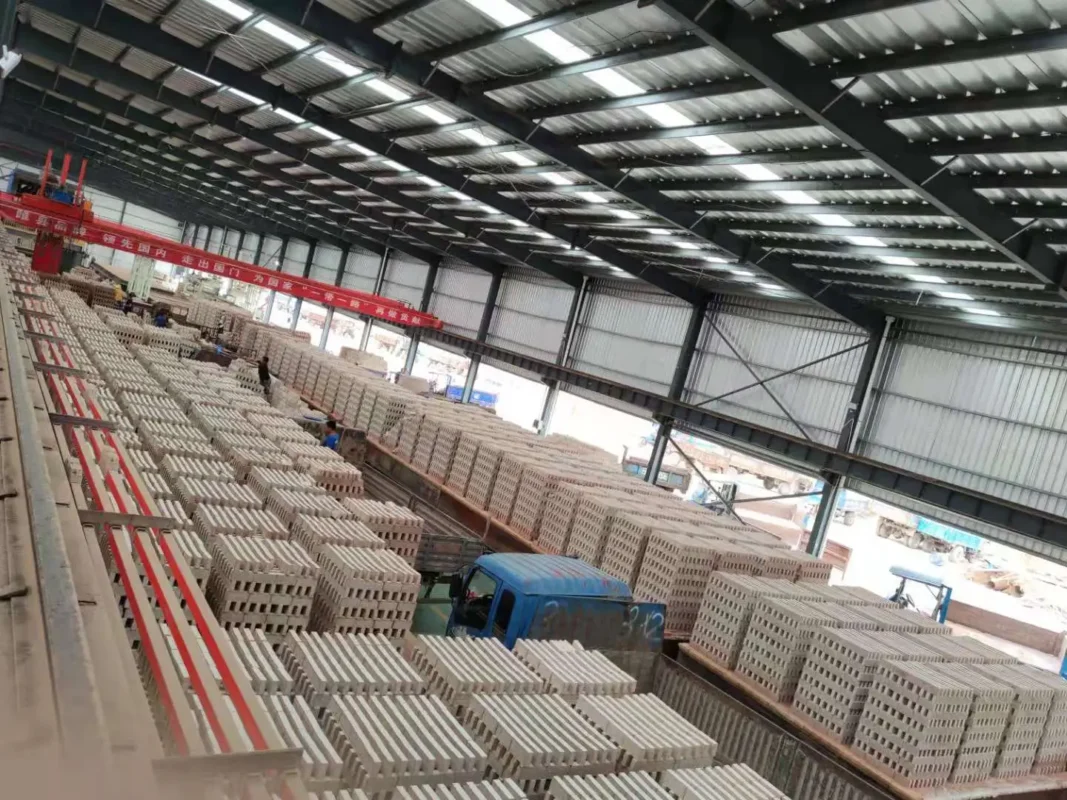
Primary Cost Drivers in Tunnel Kiln Construction
Budgeting for a tunnel kiln requires a breakdown of both the physical structure and the integrated mechanical systems. In large-volume production, the “cheapest” build often leads to the highest operating expenses (OPEX).
Structural and Refractory Materials
The internal lining must withstand temperatures exceeding 1000°C while maintaining vitrification consistency. High-alumina refractory bricks and ceramic fiber insulation modules represent a significant percentage of the material cost. Superior insulation reduces heat loss through the kiln shell, which can save up to 15% in fuel costs annually.
Combustion and Burner Systems
The complexity of the firing zone dictates the precision of the firing curve. High-velocity burners, gas manifolds, and automated air-to-fuel ratio controllers are critical for producing high-crushing-strength bricks. Systems designed for multi-fuel capability (e.g., natural gas, coal, or biomass) have a higher upfront cost but provide vital supply chain resilience.
Automation and PLC Integration
Modern B2B buyers prioritize “Zero Defect” manufacturing. Integrating a PLC-based SCADA system allows for real-time monitoring of pressure and temperature profiles. While this adds to the initial clay brick tunnel kiln project cost, it reduces the reliance on highly skilled kiln masters and minimizes waste.
Comparative Budgeting: Prefabricated vs. Traditional Masonry
The methodology of construction is perhaps the most significant variable in modern budgeting. The industry is shifting toward modularity to mitigate the risks associated with on-site labor shortages.
| Cost Component | Traditional Masonry Kiln | Prefabricated Tunnel Kiln |
| On-site Labor | High (Requires months of specialized masonry) | Low (Mechanical assembly of modules) |
| Material Consistency | Variable (Depends on local craftsmanship) | High (Factory-controlled tolerances) |
| Construction Time | 8–14 Months | 3–5 Months |
| Civil Works Cost | Significant (Deep foundations required) | Optimized (Lightweight steel-shell design) |
| Relocation Value | Zero (Fixed asset) | High (Modular units can be moved) |
By utilizing prefabricated kiln solutions, project managers can drastically reduce the “hidden costs” of sampling delays and on-site weather-related setbacks. The modular approach allows for a fixed manufacturing price, providing much-needed budget certainty for B2B procurement.
Total Cost of Ownership (TCO) and ROI Analysis
When evaluating the clay brick tunnel kiln project cost, B2B buyers must look past the initial invoice. The true value of a kiln is measured in its Specific Fuel Consumption (SFC) and its “yield per car.”
- Fuel Efficiency: A kiln with high-performance refractory seals prevents air ingress. This reduces the energy required to reach peak vitrification temperatures, directly impacting the cost-per-brick.
- Labor Optimization: Automated car handling systems and internal draft controls allow a single operator to manage multiple kilns.
- Maintenance Cycles: Modular kilns with steel-shell protection generally require less frequent structural repairs than traditional open-top or legacy masonry designs.
In a competitive manufacturing environment, a kiln that finishes construction 6 months earlier can generate enough revenue to pay for its own automation package before a traditional kiln even fires its first brick.
Key Factors That Influence Tunnel Kiln Project Investment
Production capacity is only one factor affecting the total project cost. Other important factors include:
| Cost Factor | Impact on Investment |
|---|---|
| Kiln Size | Larger capacity requires longer and wider kiln systems |
| Automation Level | More automation increases initial cost but reduces labor expenses |
| Fuel System | Gas, coal, biomass, or other fuel options affect equipment design |
| Dryer Configuration | Efficient drying systems improve energy performance |
| Factory Infrastructure | Land preparation, construction, and utilities influence total budget |
| Installation Service | Engineering, commissioning, and technical support affect project cost |
How to Select the Right Tunnel Kiln Capacity
The ideal tunnel kiln capacity should be based on:
- Local brick market demand
- Available raw materials
- Investment budget
- Energy costs
- Expected return period
- Future production expansion plans
Choosing the right production capacity helps investors balance initial investment and long-term operating efficiency, ensuring a more profitable brick manufacturing project.
Infrastructure and Indirect Costs
Beyond the kiln itself, several site-specific factors influence the total project budget. These are often overlooked during the initial RFQ phase but are critical for manufacturing logic.
- Foundation and Piling: Depending on soil classification, the cost of reinforced concrete slabs can vary. Modular kilns have a lower total weight, often simplifying foundation requirements.
- Fuel Storage and Piping: Infrastructure for natural gas pressure reduction stations or pulverized coal injection systems must be factored into the mechanical budget.
- Emissions Compliance: Depending on local environmental standards, the inclusion of fluoride or sulfur scrubbers may be mandatory.
Strategic Procurement: The RFQ Workflow
To obtain an accurate quote for your kiln project, your Request for Quote (RFQ) should include granular technical data. This ensures that the manufacturer provides a commercially realistic proposal rather than an under-specified estimate.
Essential data for a kiln RFQ:
- Daily Production Target: Total bricks per 24 hours.
- Raw Material Analysis: Chemical composition of the clay (affects firing temperature).
- Brick Dimensions: Determines the cross-section width of the kiln tunnel.
- Available Fuel Source: Gas, oil, biomass, or coal.
- Level of Automation: Manual vs. semi-automatic vs. full PLC control.
Choosing a partner that specializes in modular thermal systems allows for a more transparent procurement process. The ability to verify factory-installed components before they reach the site provides a layer of quality assurance that on-site masonry cannot match.
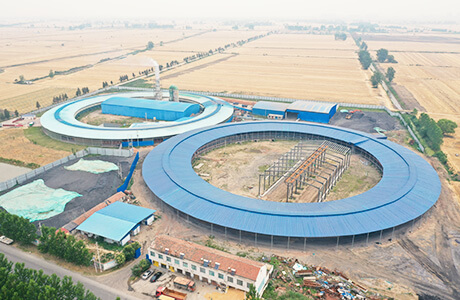
How to Choose a Reliable Tunnel Kiln Supplier for Your Brick Manufacturing Project
Selecting the right tunnel kiln supplier is one of the most important decisions when planning a clay brick production project. A professional supplier should provide not only kiln equipment but also complete engineering solutions, technical support, and long-term service.
Before choosing a supplier, brick manufacturers should evaluate several key factors.
Engineering and Project Design Capability
A reliable tunnel kiln supplier should have strong engineering capabilities to design solutions based on different production requirements.
Important factors include:
- Production capacity planning
- Kiln size and structure design
- Thermal calculation and energy optimization
- Dryer and kiln system integration
- Factory layout planning
Professional engineering support helps ensure stable production performance and avoids unnecessary investment risks.
Manufacturing Experience and Technical Expertise
The supplier’s manufacturing experience directly affects equipment reliability and project success.
Buyers should check:
- Years of experience in kiln manufacturing
- Previous brick plant projects
- Technical team capability
- Production and quality control processes
Suppliers with proven project experience can better handle complex requirements, including large-scale production lines and customized kiln solutions.
Complete Project Support
A professional tunnel kiln supplier should provide support throughout the entire project lifecycle, including:
- Project consultation
- Equipment manufacturing
- Transportation arrangement
- Installation guidance
- Commissioning support
- Operator training
A complete service approach reduces communication issues and helps the plant start production smoothly.
Energy Efficiency and Operating Cost Optimization
Since energy consumption is one of the largest operating expenses of a brick plant, buyers should evaluate the supplier’s energy-saving technologies.
Key considerations include:
- Heat recovery systems
- Fuel efficiency
- Insulation performance
- Kiln temperature control
- Automation systems
An experienced supplier can help reduce long-term operating costs through optimized kiln design.
After-Sales Service and Technical Support
Tunnel kiln systems require continuous technical support after installation.
Reliable suppliers should provide:
- Spare parts supply
- Remote technical assistance
- Maintenance guidance
- Production optimization support
Strong after-sales service ensures stable operation and protects the customer’s long-term investment.
Questions to Ask Before Selecting a Tunnel Kiln Supplier
Before making a final decision, buyers should ask:
- How many tunnel kiln projects have you completed?
- Can you provide project references?
- What production capacity can your kiln system support?
- What energy-saving technologies are included?
- Do you provide installation and commissioning services?
- What technical support is available after delivery?
Choosing a tunnel kiln supplier based on engineering capability, manufacturing experience, and service support helps ensure a successful brick manufacturing project with reliable performance and long-term profitability.
FAQ
What is the typical lead time for a modular tunnel kiln project?
The engineering and factory manufacturing phase usually takes 3 to 5 months. On-site assembly and commissioning typically require an additional 4 to 8 weeks, depending on site readiness.
How does daily capacity impact the total project cost?
Cost does not scale linearly. A kiln with twice the capacity does not cost twice as much, as the overhead for control systems, burners, and engineering remains relatively stable. Larger kilns offer a lower CAPEX-per-brick ratio.
Can a prefabricated tunnel kiln meet international fire safety and compliance standards?
Yes. High-quality modular kilns are designed to meet ISO and local building standards. They utilize certified refractory materials and flame-retardant insulation modules that often exceed the performance of traditional materials.
What are the primary maintenance costs for a tunnel kiln?
The main expenses involve the replacement of kiln car refractory tops, maintenance of burner nozzles, and periodic inspection of the seal integrity between modular sections.
Reference Sources
- ISO 13577-1:2016: Industrial furnaces and associated processing equipment — Safety.
- ASTM C71: Standard Terminology Relating to Refractories.
- The Ceramic Society of South Africa: Technical papers on thermal efficiency and kiln firing curves.
- SGS Industrial Services: Technical protocols for manufacturing plant safety and performance audits.
- Refractory Materials Journal: Comparative analysis of heat loss in steel-shell vs. masonry kilns.