
Top Energy Efficient Rotary Kiln Design Features for ROI

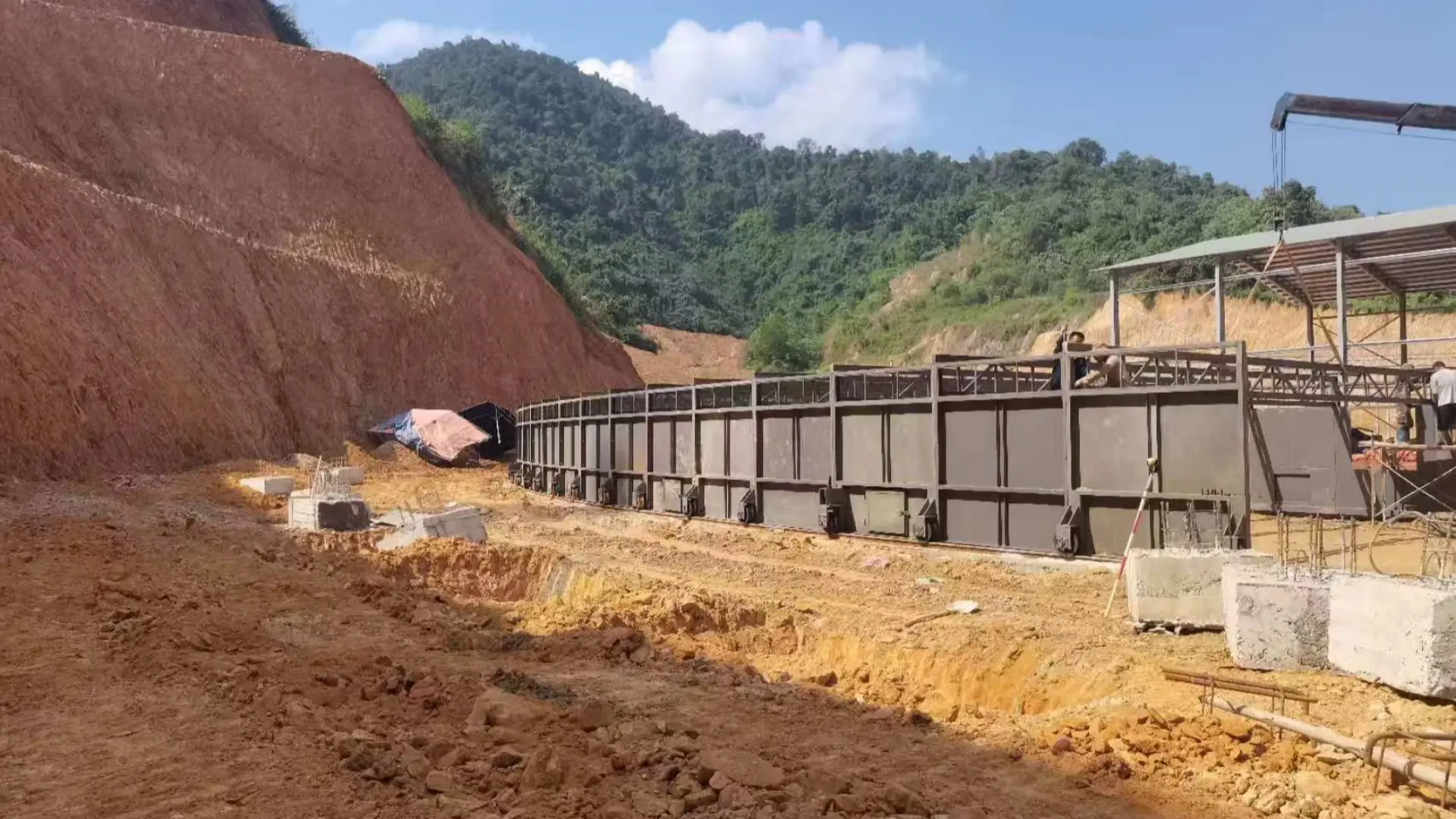
Explore essential energy efficient rotary kiln design features. Learn how heat recovery, precision burners, and advanced insulation reduce industrial fuel costs.
For industrial plant managers and thermal engineers, the rotary kiln is often the single largest consumer of energy in the production line. Whether calcining minerals, producing expanded clay, or managing hazardous waste, the thermal efficiency of the system dictates the narrow margin between profitability and operational loss. Achieving an energy efficient rotary kiln design requires a holistic engineering approach that minimizes heat radiation, optimizes combustion, and maximizes waste heat recovery.
Legacy kiln systems often suffer from significant thermal leakage and imprecise atmospheric control. Modern engineering has introduced several critical design advancements that allow for higher throughput with lower fuel consumption. Identifying these features early in the procurement or upgrade phase is essential for long-term operational sustainability.
Key Energy-Efficient Features in Modern Rotary Kilns
An efficient kiln system must address thermal loss at every stage of the firing cycle. The following features represent the current benchmark for industrial thermal processing:
- Multi-Layered Refractory Lining: Utilizing low-thermal-mass insulation behind high-alumina bricks to reduce shell temperature.
- Precision Burner Technology: Implementing high-velocity burners with adjustable flame geometry for optimal heat transfer.
- Airtight Sealing Systems: Utilizing mechanical or spring-loaded seals at the kiln inlet and outlet to prevent cold air ingress.
- Integrated Heat Recovery: Directing exhaust gases to pre-heat incoming raw materials or secondary air supplies.
- Automated Control Systems: Utilizing Variable Frequency Drives (VFDs) and real-time oxygen sensors to manage combustion ratios.
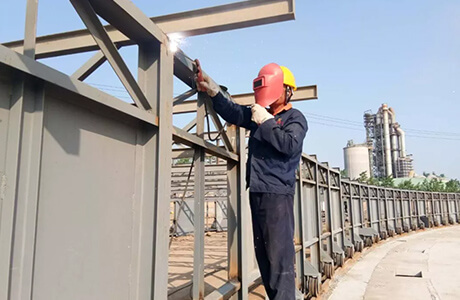
Advanced Refractory Solutions and Insulation Logic
The primary source of energy waste in a rotary kiln is skin heat loss through the steel shell. An energy efficient rotary kiln design prioritizes the refractory profile to maintain the internal thermal soak while protecting the outer structure.
Modern designs move away from single-layer heavy firebricks. Instead, engineers utilize a “composite” approach. A high-density hot-face brick handles the abrasion and chemical stress of the material bed. Behind this, a layer of high-performance ceramic fiber or calcium silicate board acts as a thermal barrier. This configuration can reduce the external shell temperature by as much as 50°C, leading to a direct reduction in fuel demand.
Furthermore, the weight of the refractory impacts the torque required to rotate the kiln. By using “low-mass” materials where possible, the electrical load on the drive motors is reduced, contributing to a lower total energy footprint.
High-Performance Combustion and Burner Integration
Combustion efficiency is determined by the air-to-fuel ratio and the ability of the flame to transfer heat to the material bed rather than the kiln atmosphere. Advanced burners are now designed with multi-channel air feeds.
These systems allow for the independent adjustment of primary, secondary, and swirl air. This precision ensures that the flame is concentrated on the material, maximizing “radiant heat transfer.” In specialized applications, such as the modern rotary kilns provided by Yaxin Kiln, the burner systems are often tailored to the specific caloric value of the fuel, whether using natural gas, pulverized coal, or biomass.
Air Ingress Prevention and Sealing Integrity
Uncontrolled air ingress at the kiln ends is a silent efficiency killer. If cold ambient air enters the system, the burners must work harder to maintain the target temperature. This “parasitic air” disrupts the internal pressure and ruins the firing curve.
State-of-the-art energy efficient rotary kiln design utilizes sophisticated mechanical seals. Graphite block seals or leaf-style spring seals provide a flexible yet airtight interface between the rotating kiln shell and the stationary hoods. Maintaining a slight negative pressure (draft) within the kiln, managed by automated dampers, ensures that the thermal energy remains where it is needed—in the firing zone.
Comparison: Legacy Kilns vs. Energy-Efficient Modern Kilns
| Design Feature | Legacy Kiln Systems | Modern Efficient Kilns |
| Refractory Profile | Single-layer heavy brick | Multi-layer composite insulation |
| Seal Type | Labyrinth or basic friction | Mechanical spring-loaded seals |
| Burner Control | Manual/Static air ratio | Automated multi-channel VFD |
| Heat Recovery | Direct exhaust to stack | Pre-heater / Recirculation loops |
| Typical Efficiency | 45% – 60% | 75% – 85%+ |
Heat Recovery Systems and Material Pre-heating
The exhaust gas leaving a rotary kiln still contains significant thermal energy. In an energy efficient rotary kiln design, this heat is never wasted. Most high-performance systems integrate a pre-heater tower or a secondary air duct.
Incoming raw material is passed through the hot exhaust gases before it even enters the kiln. This “thermal conditioning” ensures that the material is already at 400°C–600°C upon entry, significantly shortening the residence time required in the firing zone. For manufacturers looking for mobile or modular kiln solutions, these recovery loops are often integrated into the skid-mounted structure to ensure high performance in a compact footprint.
Why Choose Yaxin Energy-Efficient Rotary Kiln Solutions?
Selecting an energy-efficient rotary kiln requires more than choosing equipment capacity. Manufacturers need a reliable kiln system that delivers stable production, lower operating costs, and long-term performance.
Yaxin provides customized rotary kiln solutions designed around different production requirements, material characteristics, and energy-saving goals.
Key advantages include:
- Customized kiln design based on production needs
- Improved thermal efficiency and fuel utilization
- Reliable high-temperature performance
- Professional installation and technical support
- Solutions for different industrial applications
Contact Yaxin Kiln to discuss an energy-efficient rotary kiln solution for your project.
Automation and Variable Speed Drive Optimization
Energy efficiency is not just a mechanical trait; it is an operational one. The use of Variable Frequency Drives (VFDs) allows the kiln to adjust its rotation speed based on the material feed rate and the internal temperature profile.
When the kiln slows down, the “fill level” of the material bed increases, which can improve heat transfer efficiency if managed correctly. Integrated PLC (Programmable Logic Controller) systems monitor oxygen levels in the exhaust. If oxygen levels rise, the system automatically reduces the primary air fan speed, preventing the heating of unnecessary air. This level of digital precision is what separates a standard furnace from a world-class industrial kiln.
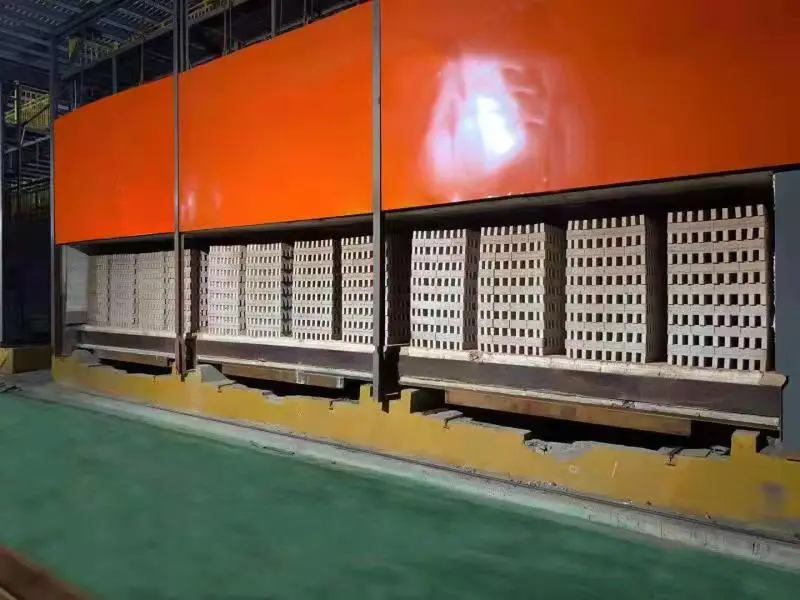
Why Energy Efficiency Matters in Rotary Kiln Design?
Energy efficiency is one of the most important factors when designing and selecting an industrial rotary kiln. Since rotary kiln systems operate continuously at extremely high temperatures, energy consumption represents a significant part of overall production costs. An inefficient kiln design can lead to excessive fuel usage, higher operating expenses, and reduced profitability.
For manufacturers investing in a rotary kiln system, improving energy efficiency is not only about reducing fuel consumption but also about achieving stable production performance and maximizing long-term return on investment (ROI).
1. Reduce Fuel Consumption and Operating Costs
A large portion of rotary kiln operating expenses comes from fuel consumption. Inefficient heat transfer, poor insulation, and uncontrolled heat loss can significantly increase energy requirements.
An energy-efficient rotary kiln helps reduce fuel usage through:
- Improved thermal insulation
- Optimized combustion systems
- Better heat transfer efficiency
- Reduced exhaust heat loss
Lower fuel consumption allows manufacturers to decrease daily operating costs while maintaining the required production output.
2. Improve Thermal Efficiency and Production Stability
Thermal efficiency directly affects how effectively a rotary kiln converts energy into useful heat for material processing. A well-designed kiln ensures more uniform temperature distribution and better control of the heating process.
Benefits include:
- More consistent product quality
- Reduced production fluctuations
- Improved process control
- Higher equipment reliability
For industries such as cement, lime, minerals, and other high-temperature processing applications, stable thermal performance is essential for continuous operation.
3. Reduce Environmental Impact
Energy-efficient rotary kiln designs also support more sustainable industrial production. Lower fuel consumption means reduced greenhouse gas emissions and improved compliance with increasingly strict environmental requirements.
Modern kiln systems often incorporate:
- Energy-saving combustion technology
- Waste heat recovery solutions
- Advanced automation systems
- Optimized airflow management
These technologies help manufacturers improve efficiency while reducing their environmental footprint.
4. Increase Long-Term Return on Investment (ROI)
Although energy-efficient rotary kiln systems may require a higher initial investment, the long-term savings can provide significant economic benefits.
Improved efficiency can result in:
- Lower fuel costs
- Reduced maintenance requirements
- Longer equipment lifespan
- Higher production efficiency
When evaluating a rotary kiln investment, manufacturers should consider total operating costs rather than only the initial purchase price. A well-designed energy-efficient kiln can deliver better performance and higher ROI throughout its service life.
FAQ
How much fuel can an energy-efficient design save?
Transitioning from a legacy design to a modern system with heat recovery and advanced insulation can reduce fuel consumption by 20% to 35%. The exact ROI depends on the material type and current fuel prices.
Does a more efficient kiln require more maintenance?
While the seals and sensors require periodic calibration, the overall maintenance load is often lower. Efficient kilns operate with fewer “hot spots” on the shell, which reduces the risk of shell warping and extends the life of the refractory.
Can legacy rotary kilns be retrofitted with these features?
Yes. Retrofitting high-efficiency burners and improved sealing systems is a common way to extend the life of an existing asset. However, the most significant gains (like pre-heater towers) often require a full system redesign.
What is the “Skin Temperature” goal for an efficient kiln?
For most industrial applications, a shell temperature below 250°C is considered efficient. Temperatures exceeding 350°C indicate insufficient insulation or refractory thinning.
Reference Sources
- ISO 13577:2016: Industrial furnaces and associated processing equipment — Safety and performance standards.
- ASTM C155: Standard Classification of Insulating Firebrick for thermal management.
- SGS Industrial Services: Technical protocols for energy auditing in industrial calcination plants.
- International Energy Agency (IEA): Industrial Energy Efficiency Technology Database and ROI analysis.
- Yaxin Kiln Technical Catalog: Engineering specifications for mobile rotary kiln thermal systems.