
Mobile Rotary Tunnel Kiln Guide: Technology, Efficiency & ROI

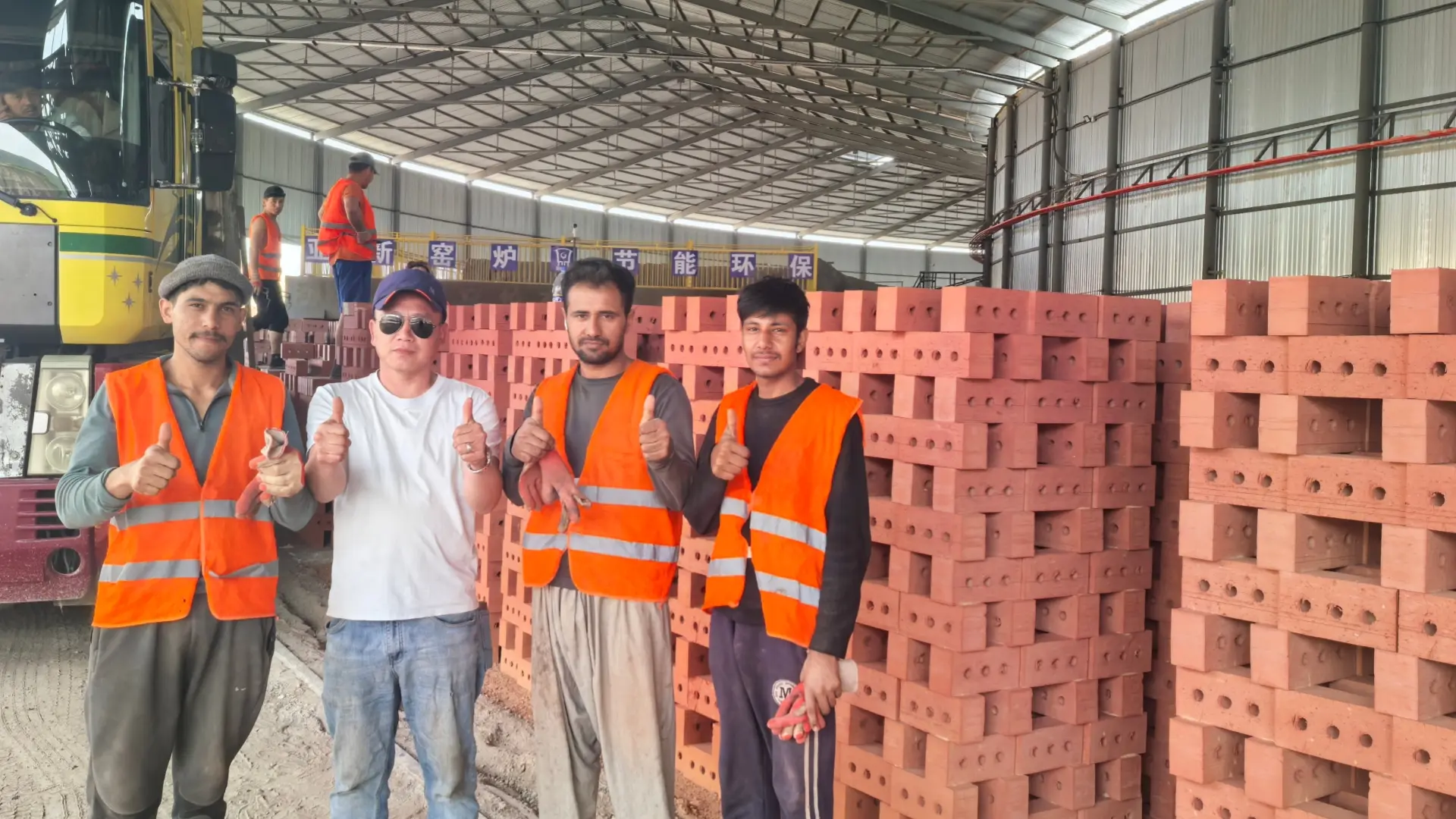
Brick manufacturers worldwide are facing increasing pressure to reduce fuel consumption, improve production efficiency, and maintain competitive manufacturing costs.
Traditional brick kilns often suffer from high energy consumption, long construction periods, high maintenance costs, and unstable firing quality.
A mobile rotary tunnel kiln provides a modern alternative by combining continuous firing technology, energy-efficient design, and flexible installation advantages.
For brick factories planning new production lines or upgrading existing facilities, understanding the technology, investment value, and ROI of mobile rotary tunnel kilns is essential.
The evolution of brick manufacturing technology has reached a pivotal junction where traditional fixed-tunnel kilns are being challenged by the mobility and efficiency of the mobile rotary tunnel kiln. For plant owners and industrial investors, the transition toward a rotary system is often driven by the need to lower civil engineering costs, reduce energy consumption, and increase the adaptability of the production line.
In high-volume clay brick production, thermal efficiency and automation are the primary levers of profitability. This guide analyzes the structural engineering, operational features, and commercial applications of mobile rotary technology, providing a technical framework for procurement decision-making.
What is a Mobile Rotary Tunnel Kiln?
A mobile rotary tunnel kiln is a modern sintering system where the kiln body rotates while the brick setting remains stationary, or in some configurations, the entire kiln structure is designed as a modular, movable unit. Unlike traditional Hoffman kilns or fixed tunnel kilns that require extensive permanent foundations and years of construction, the rotary tunnel kiln utilizes high-grade refractory insulation and precision mechanical drives to achieve a continuous firing process.
From a manufacturing logic perspective, this system minimizes the “thermal mass” required to reach sintering temperatures. By optimizing the airflow and heat exchange within the circular or rotary path, the system ensures that every brick undergoes a uniform calcination cycle.
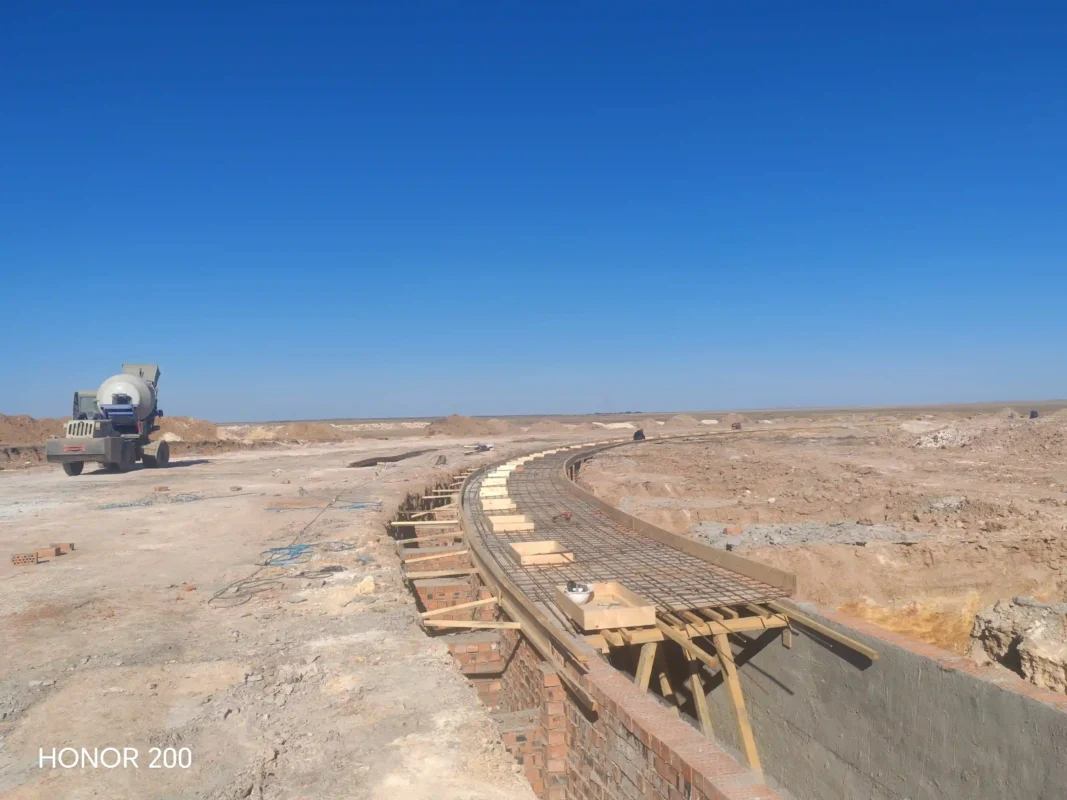
Core Technology: The Rotary Mechanism and Thermal Dynamics
The engineering heart of the mobile rotary tunnel kiln lies in its ability to manage the heating, firing, and cooling zones through a dynamic structural interface.
1. Integrated Sintering Path
In a rotary kiln, the firing zone moves through a circular track. This allows for the simultaneous pre-heating of green bricks using waste heat from the cooling zone. This counter-current heat exchange is a fundamental principle of thermodynamics that significantly reduces the BTU (British Thermal Unit) requirement per kilogram of finished product.
2. Advanced Refractory Lining
The internal walls are lined with high-density ceramic fiber modules or lightweight insulating firebricks. These materials offer:
- Low Thermal Conductivity: Minimizing heat loss through the kiln shell.
- Thermal Shock Resistance: Essential for modular kilns that may undergo temperature fluctuations during start-up or relocation.
- Reduced Shell Temperature: Improving safety for on-site technicians and increasing the lifespan of the mechanical drive components.
3. Automated Control Systems (PLC)
Modern units are equipped with Programmable Logic Controllers (PLC) that monitor isothermal points throughout the kiln. This data-driven approach allows operators to adjust the rotation speed and burner intensity in real-time, ensuring consistent brick color and structural integrity.
Key Features of Mobile Rotary Systems
When evaluating a mobile rotary tunnel kiln against traditional alternatives, project managers typically prioritize the following technical features:
- Modular Portability: The structure is often pre-fabricated in sections. This allows for rapid assembly on-site (often within 3-5 months) and the ability to relocate the kiln should raw material sources move.
- High Degree of Automation: From automatic coal/gas feeding to robotic setting and unloading, the rotary kiln reduces labor requirements by up to 60% compared to traditional Hoffman kilns.
- Large Section Width: Many rotary systems offer widths ranging from 6.6 meters to over 10 meters, allowing for massive daily output (often exceeding 100,000 to 200,000 bricks per day).
- Flexible Fuel Compatibility: These systems can be engineered to utilize natural gas, pulverized coal, biomass, or heavy oil, depending on localized energy availability.
Comparison Table: Mobile Rotary Kiln vs. Traditional Fixed Tunnel Kiln
| Feature | Mobile Rotary Tunnel Kiln | Traditional Fixed Tunnel Kiln |
| Construction Time | 3–6 Months | 12–18 Months |
| Foundation Requirement | Minimal / Level Surface | Extensive Reinforced Concrete |
| Energy Consumption | Low (Optimized Heat Recovery) | Moderate |
| Automation Level | High (Robotic Compatible) | Variable |
| Relocation Potential | Possible (Modular) | Permanent Structure |
| Initial Civil Cost | Low to Moderate | High |
Industrial Applications in Brick Production
The application of rotary kiln technology is most prevalent in regions where the demand for construction materials is growing rapidly and where energy costs are a significant barrier to entry.
- High-Capacity Clay Brick Plants: Ideal for manufacturing solid bricks, perforated bricks, and hollow blocks. The uniform firing ensures that hollow blocks achieve the required compressive strength without localized warping.
- Remote Infrastructure Projects: For large-scale dam or housing developments in remote areas, the “mobile” nature of the rotary kiln allows manufacturers to set up production near the raw material site, significantly reducing logistics costs.
- Variable Raw Material Processing: Rotary kilns are particularly effective at handling different clay compositions, including those with higher moisture content or varying mineral densities, as the firing curve can be precisely adjusted via the PLC.
Procurement Evaluation: Implementation and ROI
For a manufacturing consultant or B2B procurement advisor, the transition to a mobile rotary tunnel kiln is an investment in long-term operational efficiency (OpEx) over initial capital expenditure (CapEx).
Step 1: Raw Material Analysis
Before selecting a kiln, a chemical analysis of the clay is required to determine the optimal sintering temperature and shrinkage rate. This informs the length and width of the kiln path.
Step 2: Capacity and Workflow Mapping
Determine the daily output requirement. A rotary kiln with a wider section allows for higher throughput but requires automated setting machines to maintain the pace of production.
Step 3: Energy Source Optimization
Evaluate the most cost-effective fuel available. If using coal, the system must include a pulverizer and specialized burners to ensure complete combustion and emission compliance.
Step 4: Supplier Selection and Compliance
Ensure the kiln manufacturer adheres to international standards such as ISO 9001 and provides comprehensive training for local operators. Working with an established OEM project manager ensures that the installation meets localized environmental and safety regulations.
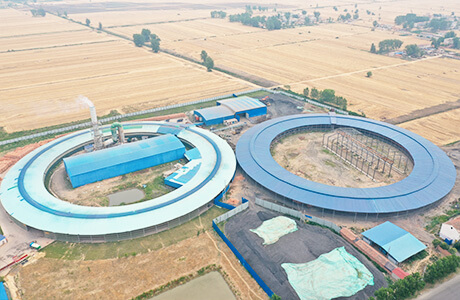
Why Choose Yaxin Kiln for Mobile Rotary Tunnel Kiln Solutions?
Selecting a kiln supplier is a long-term investment decision. Brick manufacturers need not only reliable equipment but also professional engineering support from design to installation.
Yaxin Kiln provides mobile rotary tunnel kiln solutions designed for modern brick production requirements.
Key advantages include:
- Energy-efficient kiln design
- Reduced construction requirements
- Lower maintenance costs
- Stable firing performance
- Professional installation and technical support
With extensive experience in industrial kiln engineering, Yaxin Kiln helps brick manufacturers build efficient and sustainable production systems.
Conclusion
The mobile rotary tunnel kiln represents the “Smart Factory” approach to one of the world’s oldest industries. By combining modular construction, high-performance refractories, and automated thermal management, these systems provide a scalable and energy-efficient solution for modern brick manufacturing. For producers looking to replace inefficient legacy kilns or launch new production facilities, the rotary tunnel kiln offers a clear path to reduced energy overhead and superior product quality.
FAQ
Q: How does a mobile rotary tunnel kiln save energy compared to a Hoffman kiln?
A: Unlike the Hoffman kiln, which relies on manual labor and has significant heat loss through the masonry structure, the mobile rotary tunnel kiln uses a sealed, insulated environment and automated heat recovery. Waste heat from the cooling bricks is effectively redirected to dry and pre-heat the green bricks, reducing fuel consumption by approximately 30-40%.
Q: What is the lifespan of the refractory lining in a rotary system?
A: With proper maintenance and stable temperature management, a high-quality refractory lining in a mobile rotary kiln can last 5 to 10 years before requiring significant repairs. Using modular ceramic fibers can also simplify localized maintenance.
Q: Can a mobile rotary tunnel kiln be moved once it is installed?
A: Yes. One of the primary advantages of the “mobile” or “prefabricated” design is that the kiln is built in modular steel sections. If the clay source is exhausted or the factory needs to relocate, the kiln can be disassembled and reassembled at a new location.
Q: What is the typical ROI (Return on Investment) for this technology?
A: Most brick manufacturers find that the combination of lower labor costs, reduced fuel usage, and higher “First Quality” brick rates leads to a full ROI within 18 to 36 months, depending on local market prices.
Q: Does the rotation of the kiln affect the quality of the bricks?
A: In a properly engineered rotary kiln, the rotation is extremely slow and controlled. This ensures that heat is distributed evenly across the entire setting of bricks, actually leading to higher color consistency and fewer rejects compared to fixed kilns where “cold spots” are common.
Reference Sources
- ASTM C1232: Standard Terminology of Masonry – Relevant for brick specifications and testing.
- ISO 9001:2015: Quality Management Systems – For manufacturing standards of industrial kilns.
- Yaxin Kiln Technology: Technical specifications for rotary and tunnel kilns.
- Energy Efficiency in Brick Manufacturing: Whitepapers from the Global Cement and Concrete Association (GCCA) and related industrial sintering research.
- Refractory Materials for Kilns: Data from the American Ceramic Society (ACerS).