Tunnel Kiln Production Capacity: How Many Bricks?

When a brick producer asks, “How many bricks can a tunnel kiln make?”, the useful answer is not a single catalogue number. Tunnel kiln production capacity is a planning result that combines the kiln’s usable car load, car-push interval, product geometry, green-to-fired shrinkage, drying and firing cycle, availability, and yield. A sound estimate therefore separates the maximum physical flow through the kiln from the saleable quantity that reaches the yard within specification.
A tunnel kiln is a continuous process: loaded kiln cars move through defined thermal zones while production staff load and unload at opposite ends. The Climate and Clean Air Coalition’s project-assessment guideline treats productivity alongside fuel, energy efficiency, operating cost, land use, and emissions—not as an isolated nameplate figure. [1] For an investment decision, a buyer should ask for output in both tonnes of fired product per day and pieces per day for the specified brick format.
Start with the right definition of capacity
Capacity can mean at least four different things. Confusing them is a common reason for mismatched quotations and unrealistic financial models. The table below keeps the terms separate.
| Capacity measure | What it describes | How to use it |
|---|---|---|
| Theoretical kiln flow | Pieces or tonnes implied by a full kiln-car load and the planned push interval. | Early layout screening only; it assumes stable continuous operation. |
| Gross fired output | All fired pieces discharged before sorting and rejection. | Useful for matching unloading, handling, and yard logistics. |
| Saleable output | Gross output less drying, firing, handling, and quality losses. | Use for revenue, customer commitments, and finished-goods planning. |
| Annual effective output | Saleable daily output adjusted for planned stops, maintenance, startup, and unplanned downtime. | Use for the business case and raw-material supply plan. |
The most transparent starting equation is:
Gross bricks/day = bricks per kiln car × kiln cars pushed/day.
Where the line advances on a fixed interval, kiln cars pushed/day = 24 ÷ push interval in hours. If one car carries 8,000 green bricks and the operating plan advances one car every two hours, the gross flow is 96,000 pieces per day. That is only an illustrative calculation, not a rating for any particular kiln. To reach a saleable estimate, multiply by the validated first-pass yield. For example, a 95% yield would make the planning result 91,200 saleable pieces/day. The car load, interval, and yield must be confirmed for the actual brick format and plant conditions.
Why brick count alone is incomplete
Two plants can report the same piece count while producing very different fired tonnage and revenue. A hollow block, facing brick, insulation brick, and solid standard brick occupy different volumes, have different dry densities, and may require different stacking patterns and thermal schedules. Report capacity as a paired metric: saleable pieces/day for the named size and fired tonnes/day. This makes it easier to compare product mixes and prevents a heavy unit from being mistaken for a light unit merely because both are counted as one piece.
Cycle time also matters, but it should not be used as a shortcut for daily output. In a continuously operated tunnel kiln, many kiln cars are in the system at once. The relevant rate is the validated push interval and load per car; total residence time is a process constraint that must still permit the required preheating, firing, soaking, and cooling conditions. Peer-reviewed thermal work on tunnel kilns examines temperature profiles, air-to-fuel ratio, cycle time, cooling-zone heat recovery, and production data, illustrating why thermal stability and throughput need to be evaluated together. [2]
Variables that set practical tunnel kiln production capacity
The first constraint may be outside the firing zone. If green bricks enter the dryer with variable moisture, or the dryer cannot remove water at the scheduled rate, the kiln cannot be kept consistently loaded. Likewise, limited forming output, cutter performance, kiln-car turnaround, stacking density, fuel supply, or finished-product handling can become the plant bottleneck. The right question is therefore: which step limits saleable fired tonnes per day for this product mix?
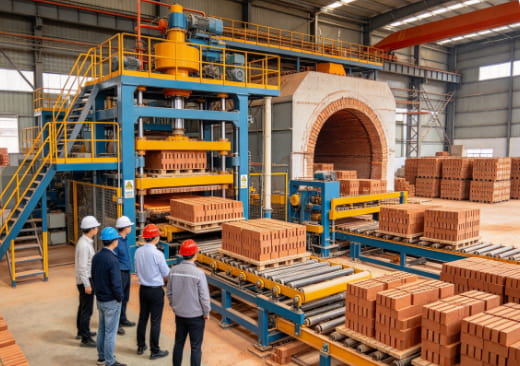
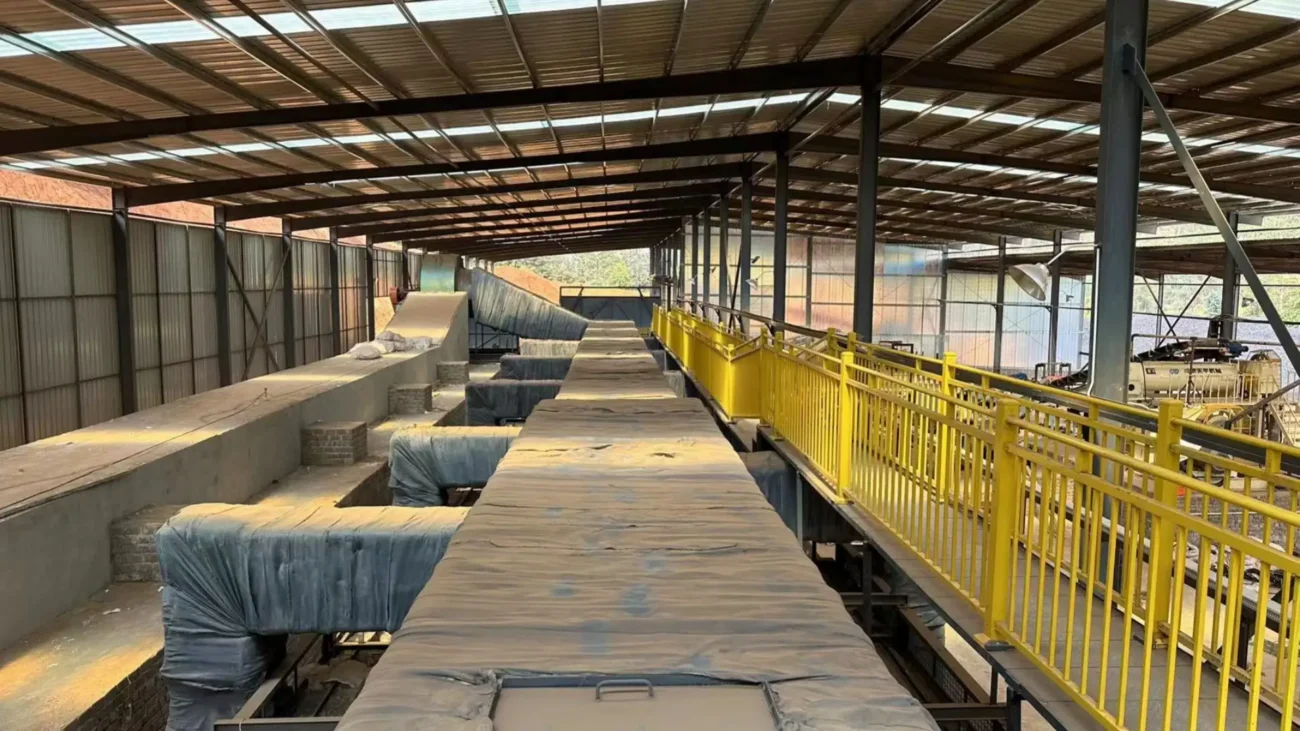
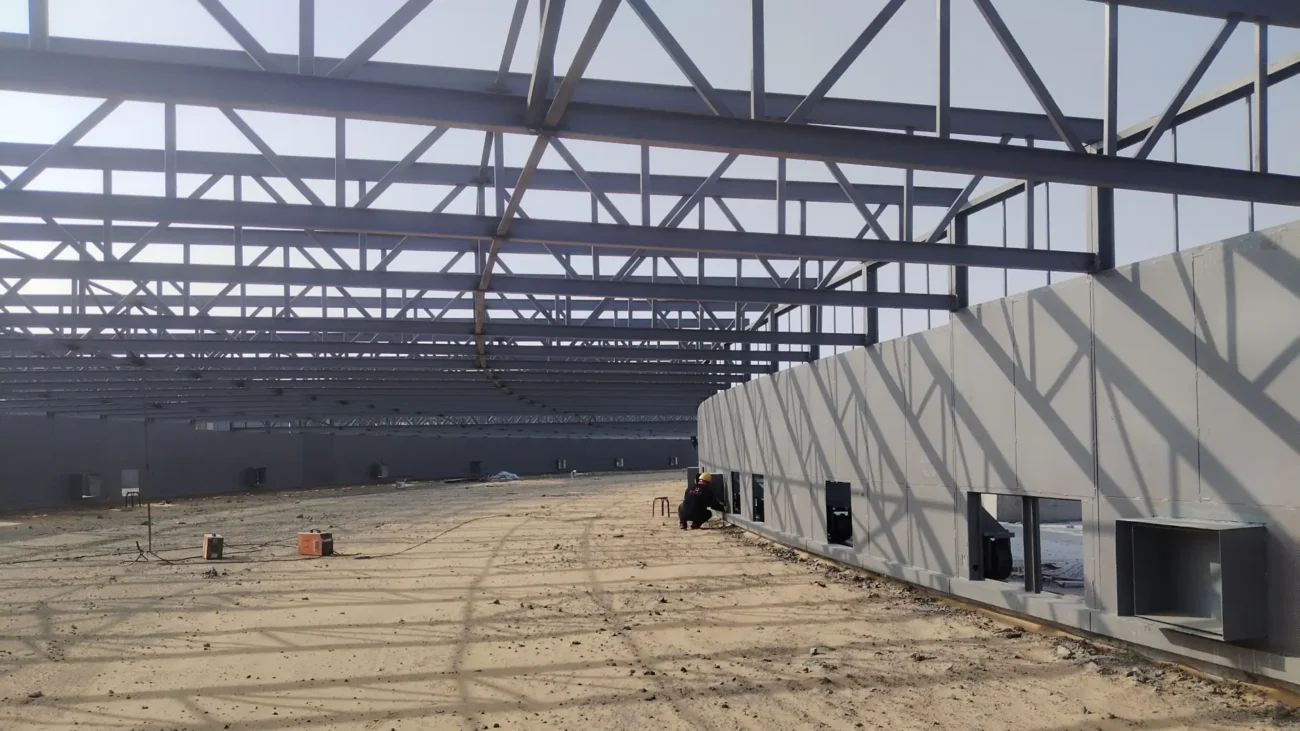
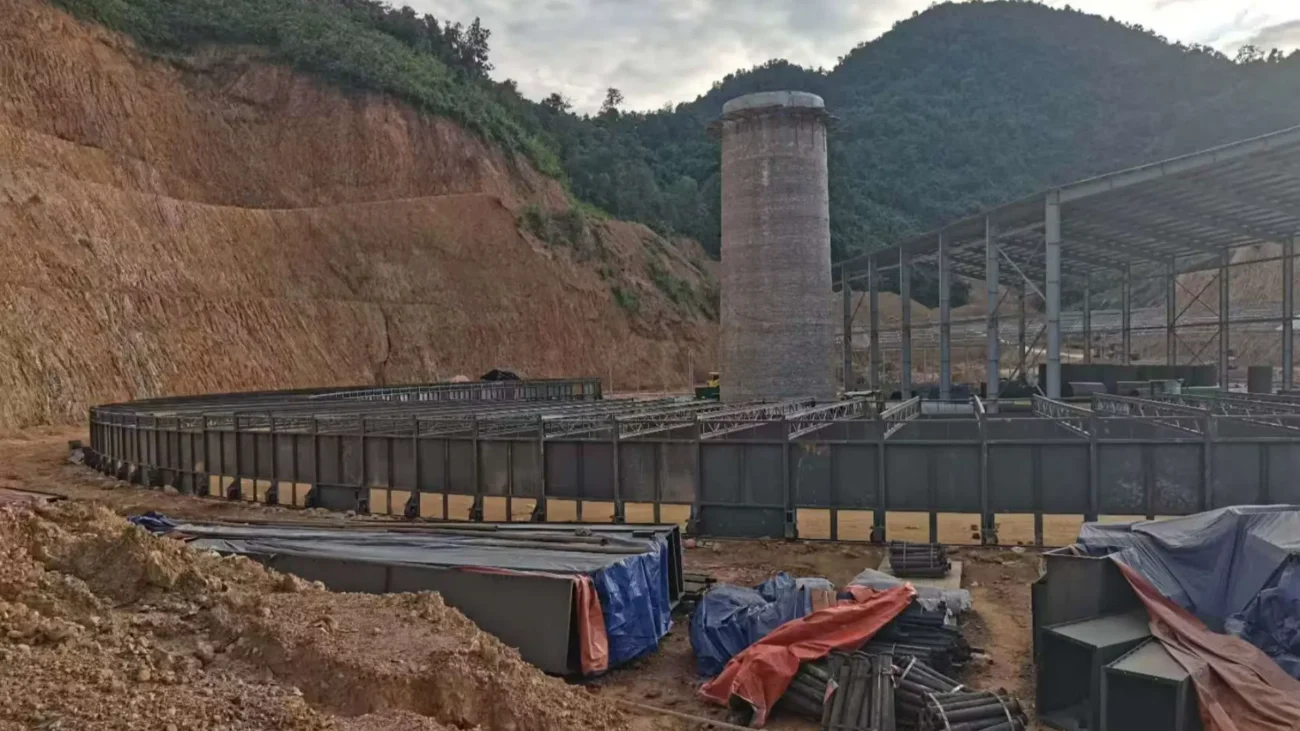
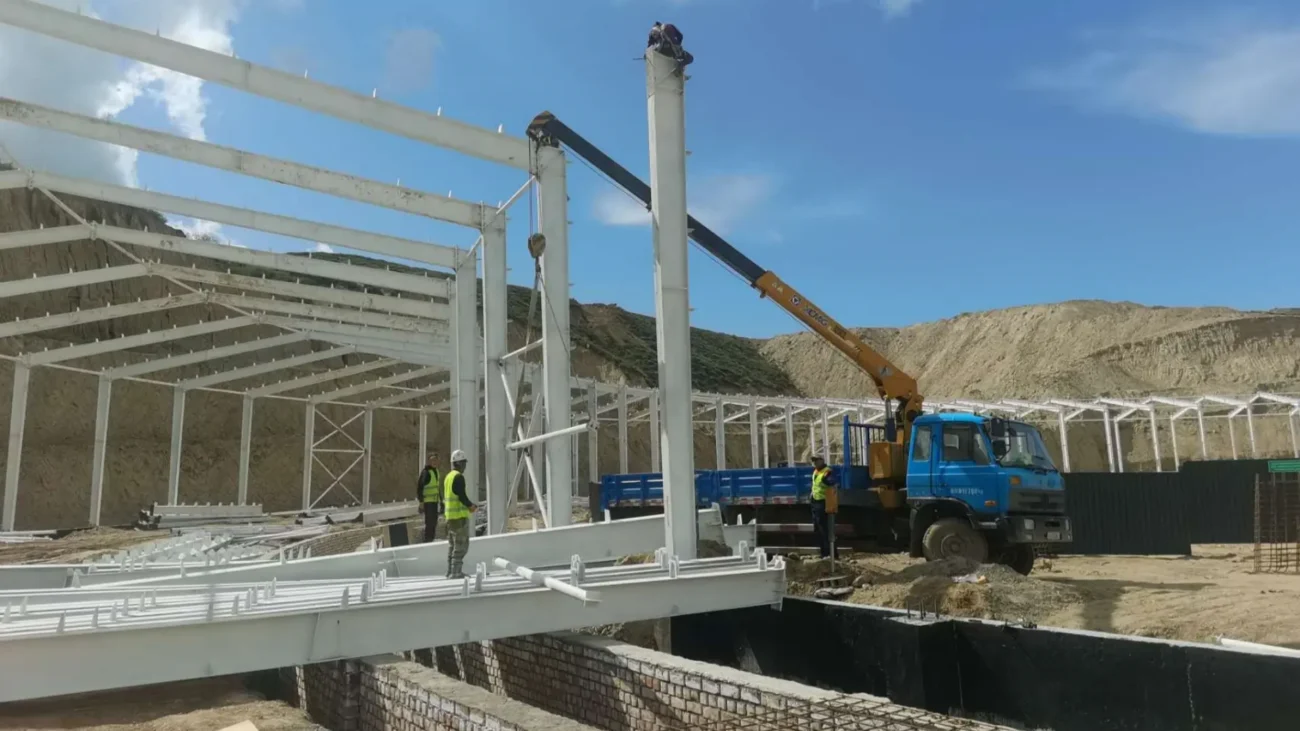
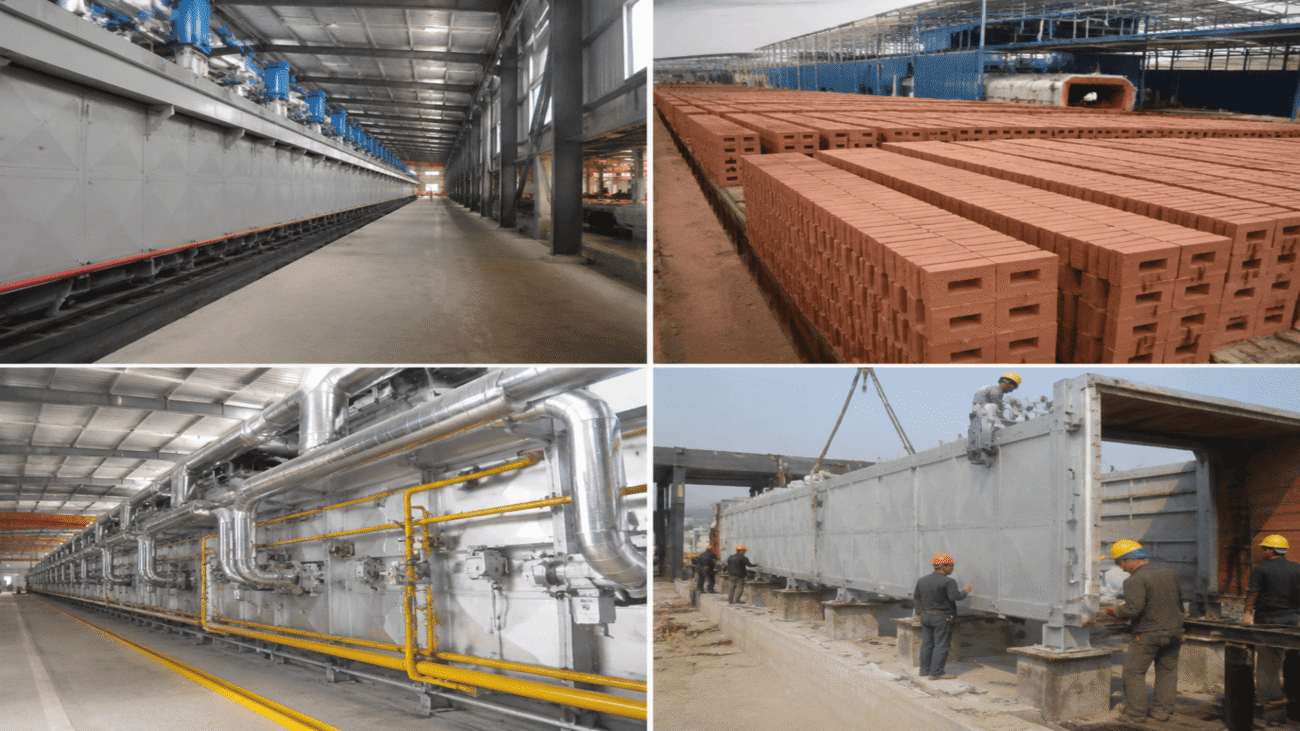
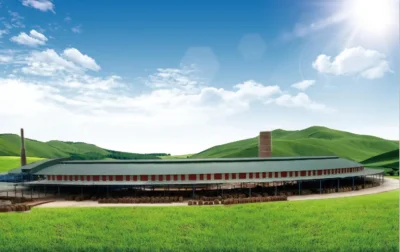
At kiln level, usable cross-section, kiln-car dimensions, stacking pattern, burner or fuel arrangement, gas flow, sealing, setpoint profile, car movement, and cooling all affect repeatable production. The supplied Yaxin page describes a prefabricated large-cross-section concept with multiple kiln-car tracks for synchronous drying and firing, and it lists standard, hollow, and insulation bricks among its intended sintered products. It also describes drying followed by preheating, calcining, insulation, and cooling. [3] These are product-page statements; the page does not publish a capacity rating for a particular brick size, so a project-specific figure remains RFQ confirmation required.
A practical calculation workflow
Begin with the commercial product, not the kiln shell. Specify the fired dimensions, unit mass, cavity geometry, required strength or appearance class, annual product mix, and target saleable volume. Next, map the route from raw material through forming, drying, stacking, firing, unloading, sorting, and packing. For each step, calculate its hourly and daily capability using the same operating calendar. The smallest verified capability is the preliminary line capacity.
Then test the kiln calculation with three scenarios. The base case should use the normal product mix and a yield supported by plant data or acceptance testing. The conservative case should include a slower push interval or a reduced car load for moisture-sensitive or complex units. The ramp-up case should distinguish stable production from commissioning output. This approach is more decision-useful than adopting a best-case “bricks/day” value without operating assumptions.
What to request in a capacity RFQ
A supplier response is comparable only when the technical basis is the same. Use the following checklist and ask that every value be tied to the named brick and operating conditions.
| RFQ item | Why it changes output | Confirmation needed |
|---|---|---|
| Fired brick drawing, mass, holes, and allowable variation | Sets car loading and saleable-piece definition. | Provide product drawing and target quality criteria. |
| Green moisture, drying curve, and raw-material behavior | Determines dryer loading and defect risk. | Confirm with raw-material test data or trial production. |
| Kiln-car size, usable stacking volume, and load plan | Defines pieces/car and fired tonnes/car. | Request a layout and loading calculation. |
| Push interval, residence time, and thermal profile | Sets continuous flow while protecting firing quality. | Request the product-specific operating basis. |
| Fuel, heat recovery, utilities, and emission-treatment boundary | Affects stable operation, energy model, and compliance scope. | Confirm local fuel properties and applicable requirements. |
| Acceptance test, yield definition, and availability assumptions | Converts gross flow into saleable and annual output. | Agree testing method, exclusions, and reporting period. |
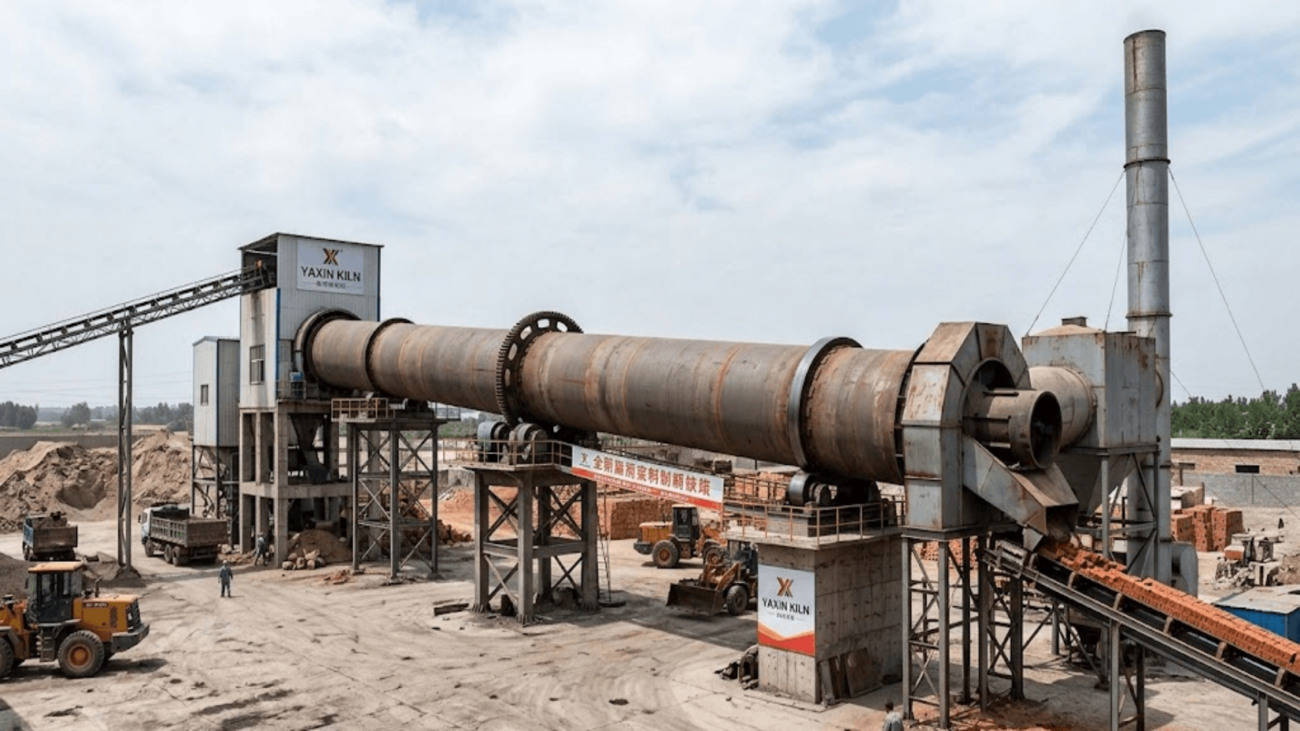
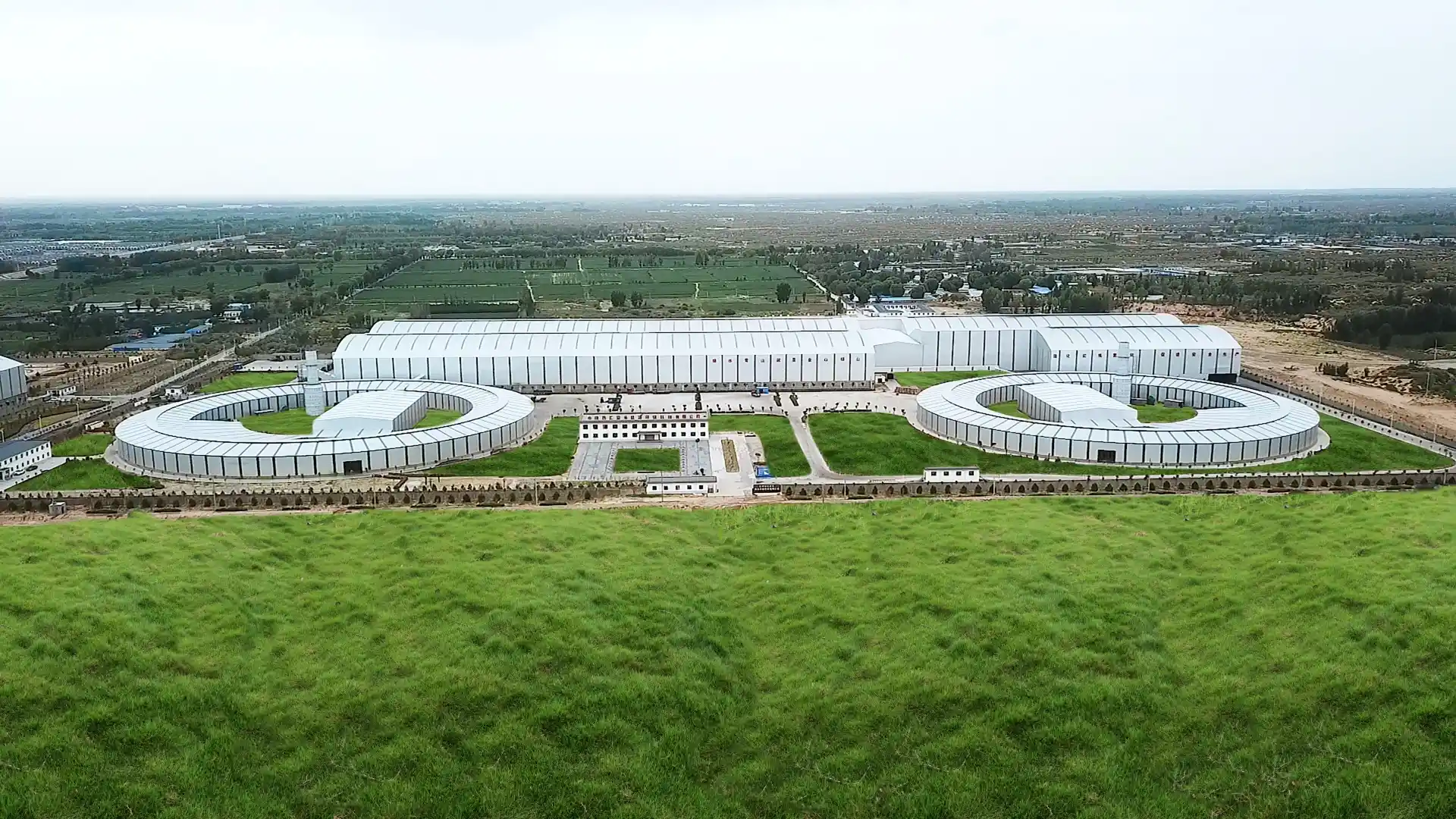
For buyers considering modular construction, review Yaxin’s prefabricated tunnel kiln configuration for brick production alongside the company’s rotary kiln configuration for brick plants. A supplier can then assess the preferred product range, site utilities, space, material test results, and required annual output before proposing an engineering basis.
FAQ
How many bricks can a tunnel kiln produce per day?
There is no responsible universal number. Calculate it from verified bricks per kiln car, car-push interval, product mix, and yield. Ask for both gross and saleable output for the exact fired brick size.
Is a wider kiln always a higher-capacity kiln?
Not necessarily. A wider section may increase usable load, but drying, stacking, airflow, thermal uniformity, handling, and demand for the selected product must support the higher flow. Engineering confirmation is required.
Should capacity be quoted in pieces or tonnes?
Use both. Pieces/day communicates output for a particular SKU, while fired tonnes/day makes product-mix changes easier to compare. Each number should identify the brick dimensions and acceptance yield.
What reduces saleable output after firing?
Drying cracks, distortion, under- or over-firing, handling damage, and sorting rejects can reduce yield. The applicable loss rate must be established by trials, quality data, or a defined acceptance test—not assumed from a generic benchmark.
Plan capacity as a verified production system
A well-sized tunnel kiln is part of a balanced production system rather than a standalone piece-count machine. Use a transparent car-load and push-rate calculation, convert it to saleable pieces and fired tonnes, and test the result against dryer capacity, thermal requirements, handling, utility supply, and an agreed operating calendar. For a project-specific proposal, share the brick drawings, raw-material data, required annual mix, local fuel information, site constraints, and acceptance criteria. Yaxin can then confirm whether a prefabricated tunnel-kiln configuration is suitable and provide the technical basis for an RFQ. Final grade, dimensions, process behavior, capacity, test conditions, documentation, price, MOQ, lead time, and regulatory suitability require written supplier confirmation.
References
[1] Climate and Clean Air Coalition / IDCOL, Tunnel Kiln Technology Overview and Project Assessment Guideline (2019). Accessed 15 August 2026.
[2] Hussnain, S. A., et al., “Thermal Analysis and Energy Efficiency Improvements in Tunnel Kiln for Sustainable Environment,” Processes 9(9), 1629 (2021). https://doi.org/10.3390/pr9091629.
[3] Yaxin Kiln, Prefabricated Tunnel Kiln Solutions. Accessed 15 August 2026.