Mobile Rotary Tunnel Kiln Price: What Should Buyers Consider?

mobile rotary tunnel kiln price is often the first question in vendor selection, but the sticker figure alone rarely predicts lifecycle cost or process suitability. Buyers should approach price as one component of total project value: matching kiln design to product geometry, firing profile and plant logistics reduces downstream rework and operational risk.
This article helps procurement and engineering teams translate a headline price into decision criteria they can verify with an RFQ. It highlights supplier-described features, independent technical factors to evaluate, and a short RFQ checklist to accelerate comparable, site-specific quotes.
mobile rotary tunnel kiln price
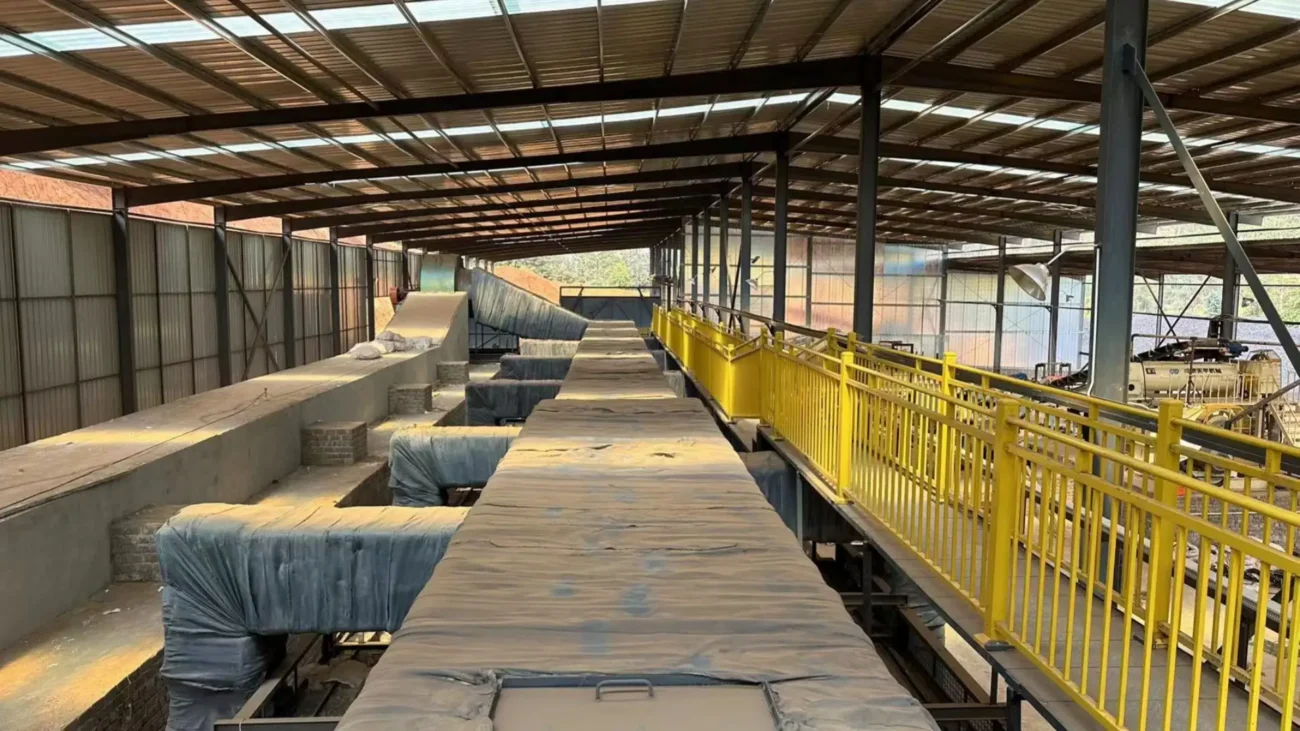
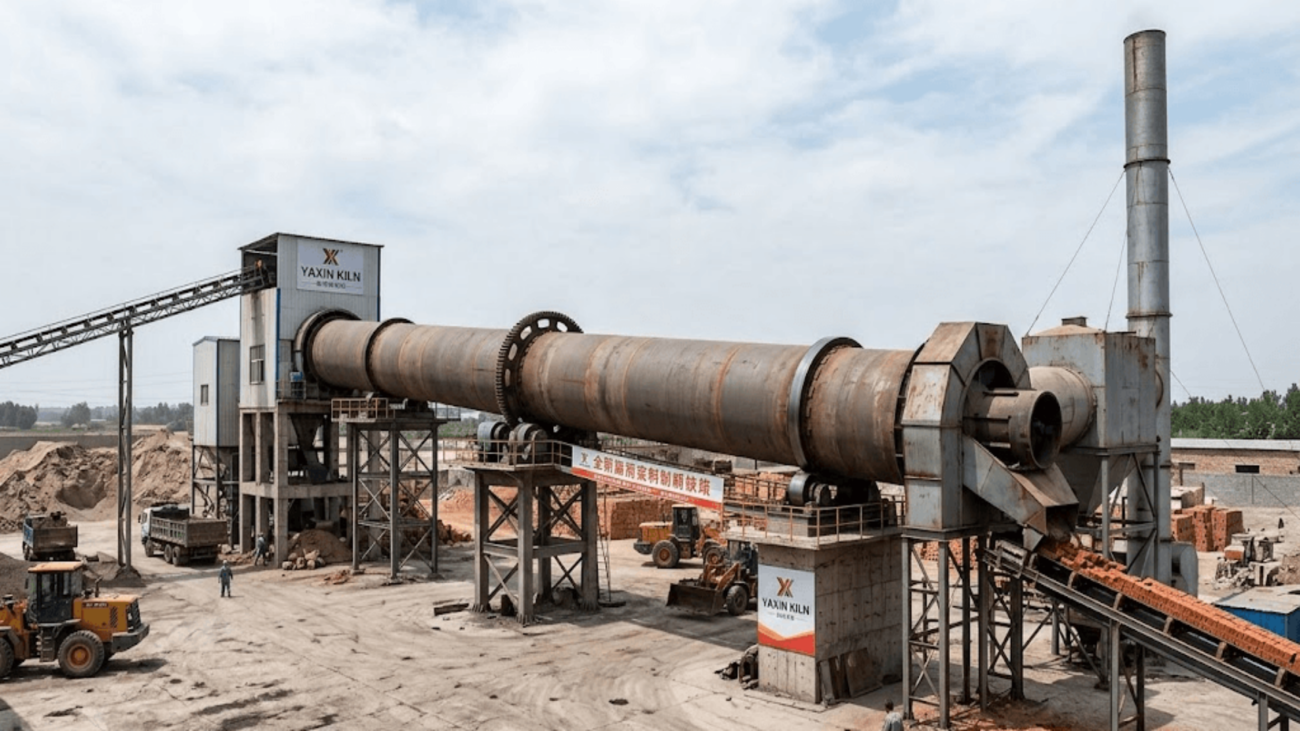
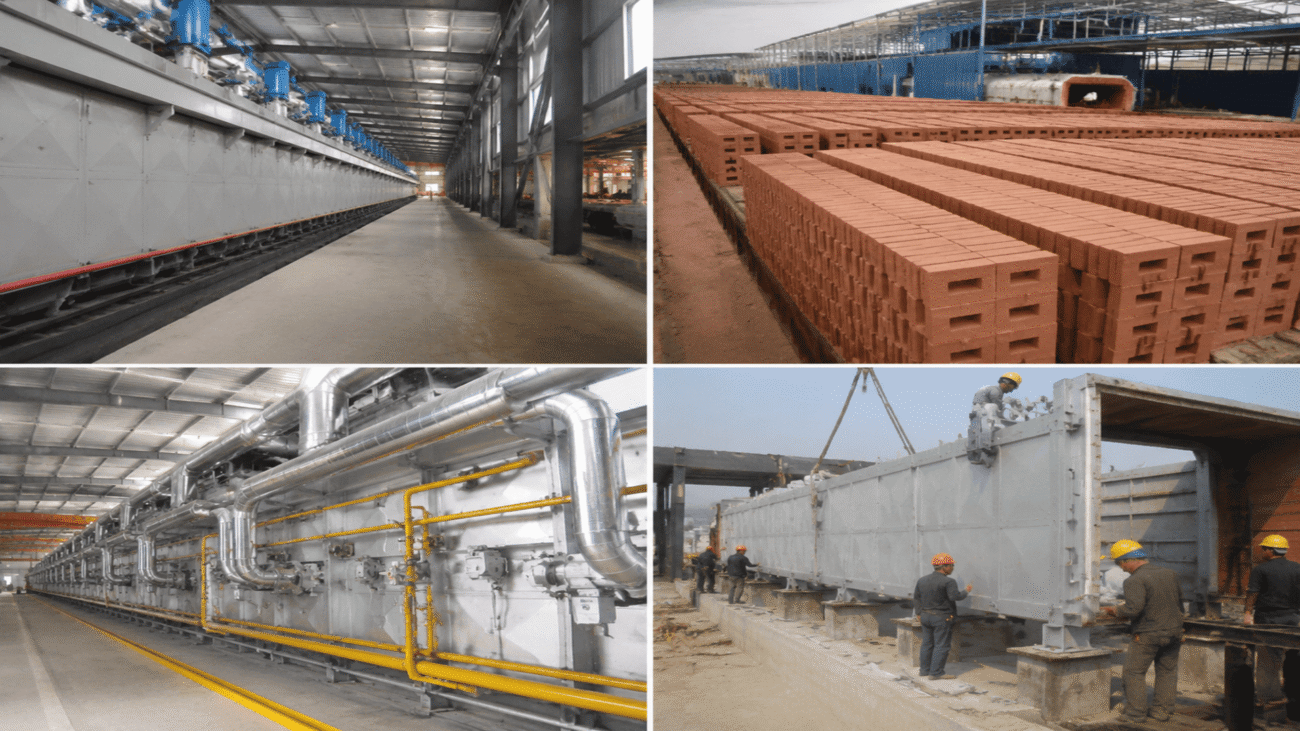
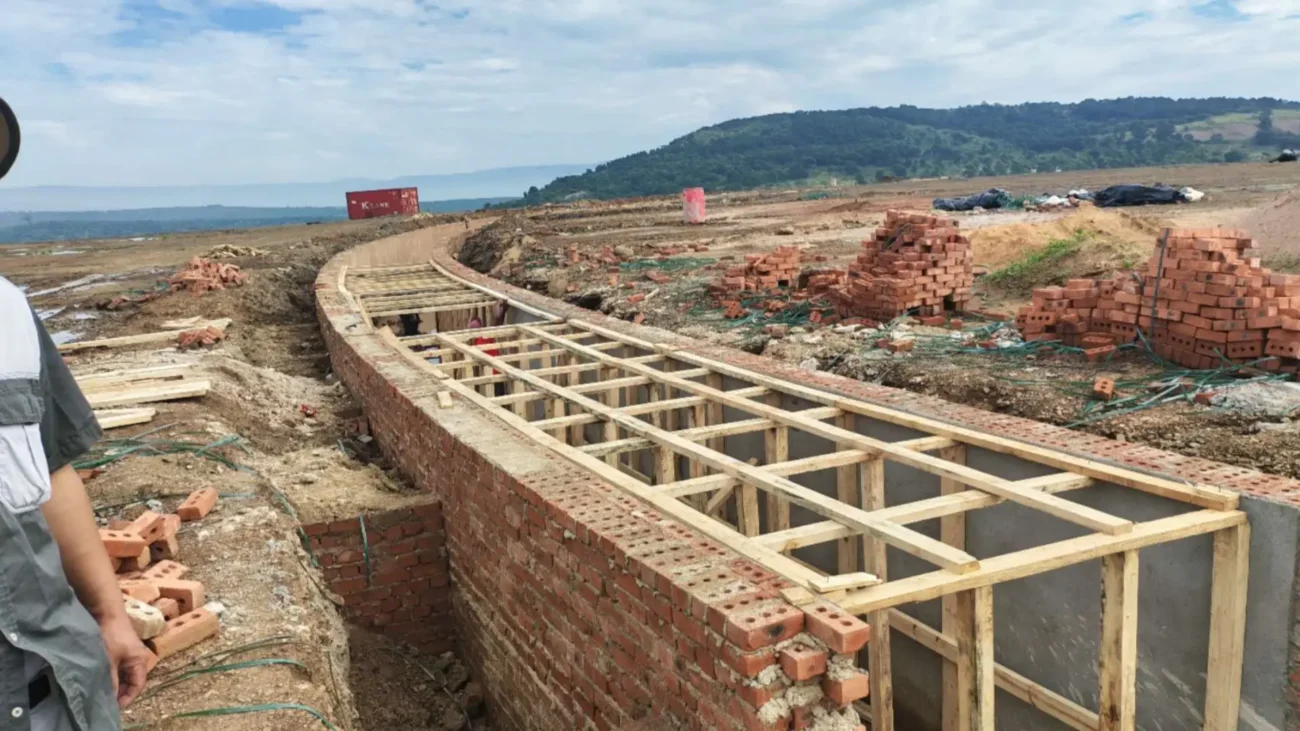
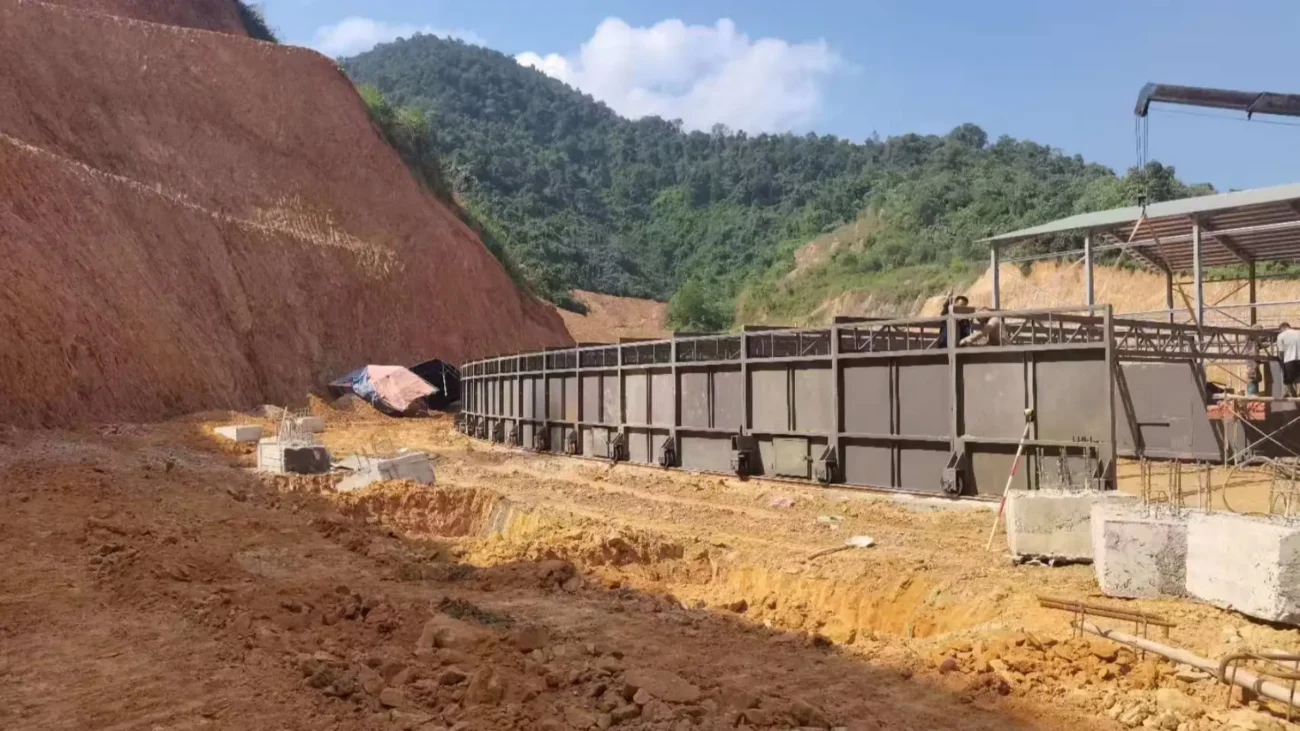
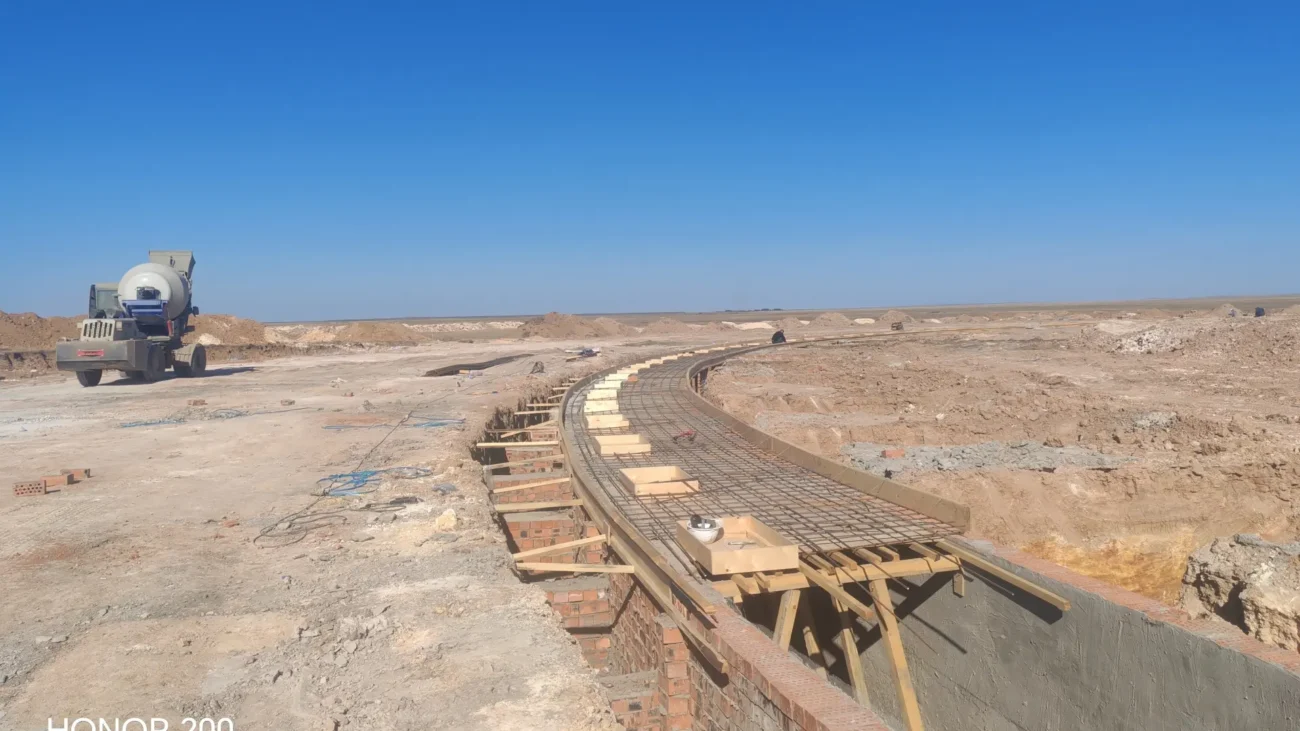
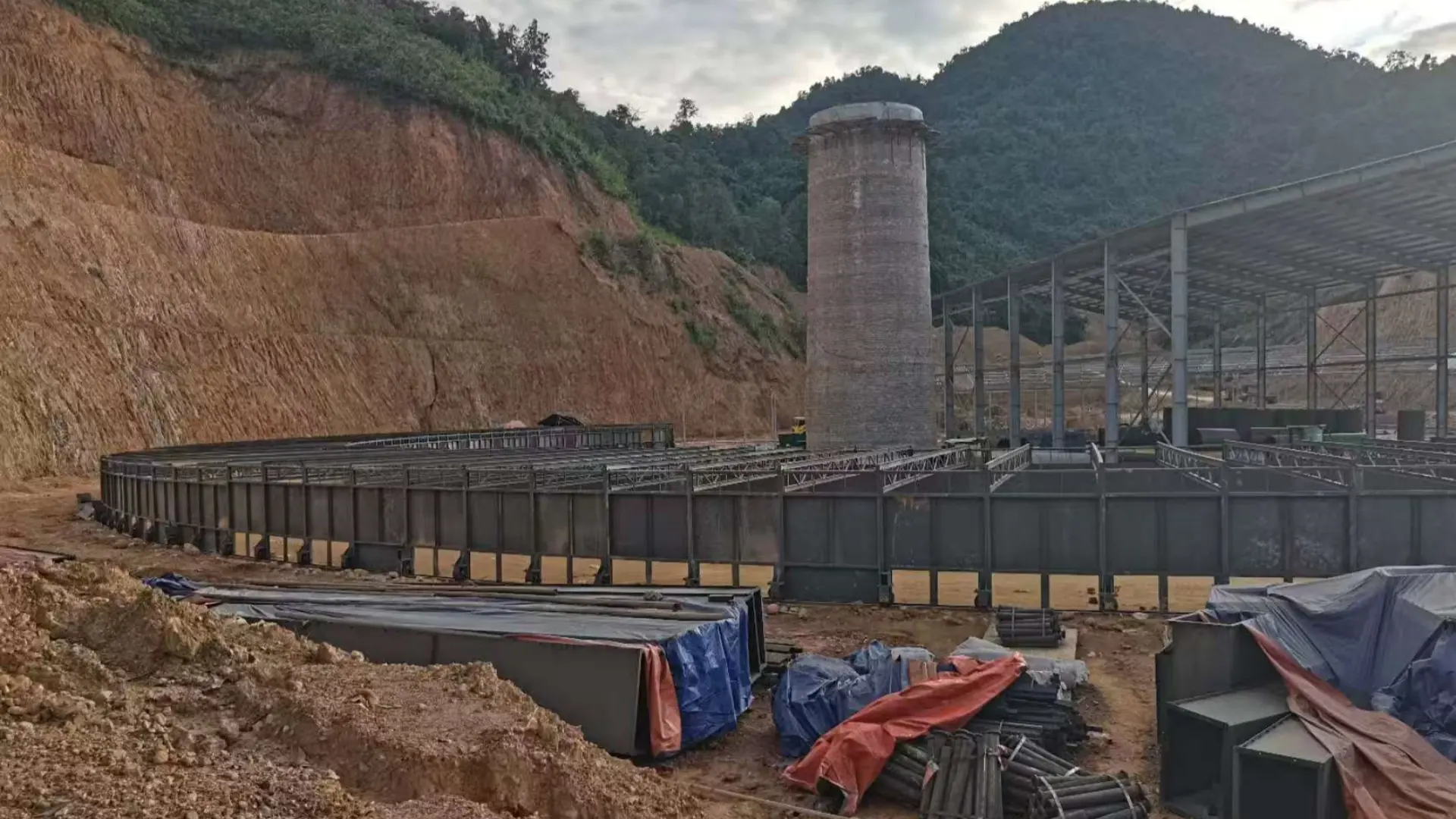
When evaluating any mobile rotary tunnel kiln price, separate supplier-attributed claims from independent technical checks. The selected supplier page describes a mobile kiln body on circular rails, a flue connection, four process sections (drying/moisture removal, preheating, burning, insulation/cooling), a detachable steel structure, and sensor-based control [3]. Treat these product attributes as supplier-provided statements and verify them in an RFQ.
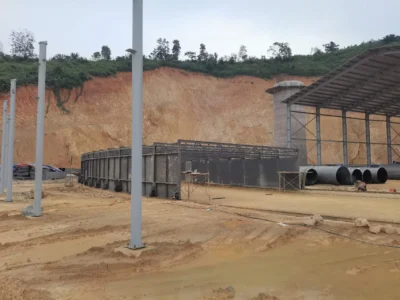
Supplier features and supplier-attributed claims
According to the supplier, the unit’s mobility, modular steel structure and sectioned process zones are intended to simplify site installation and changeover [3]. Sensor-based control is presented as a means to manage firing curves and temperature profiles. These are supplier claims; buyers should request engineering drawings, control-system descriptions, and references to validate them on similar projects.
Technical factors affecting price
Independent thermal-analysis literature shows the critical variables that influence design complexity and cost: insulation strategy, product dimensions, load flow, firing curve, air/gas flows, cooling-air recovery and temperature gradients across the tunnel [2]. For example, bespoke insulation or recovery systems that reduce fuel demand will typically increase capital cost but change operating expense profiles. Use thermal modelling or supplier-provided simulations to compare alternatives rather than relying on headline prices.
Operational and lifecycle considerations
Project assessment guidelines recommend comparing productivity alongside investment and operating cost, expected lifespan, land use, fuel type, energy efficiency and emissions control [1]. These lifecycle variables are key to interpreting a mobile rotary tunnel kiln price: a lower purchase price may accompany higher long-term operating costs or limits on product quality. Obtain fuel consumption estimates, emission-control strategies and maintenance access plans in an RFQ to form a meaningful total-cost picture.
Comparison: decision factors
| Factor | Why it matters | Buyer question |
|---|---|---|
| Mobility & footprint | Affects site layout, foundation and relocation costs | Can the kiln move on your site and what civil works are required? |
| Process sections | Controls drying/preheating/firing/cooling quality | Are section lengths configurable to your product and cycle? |
| Control & sensors | Determines reproducibility of firing curves | What data logging, alarms and recipe controls are provided? |
| Fuel & emissions | Drives operating cost and possible permitting | What fuel types are supported and what emission controls exist? |
RFQ and validation checklist
| RFQ item | Why verify | Supplier data/tests required |
|---|---|---|
| Detailed layout drawings | Confirms site fit and foundation needs | CAD drawings, rail geometry, lift points |
| Thermal performance | Validates firing curve and product quality | Model results, test reports, product-specific trials |
| Control and instrumentation | Ensures reproducibility and data access | Control architecture, I/O lists, HMI screenshots |
| Commissioning & training | Reduces startup risk | Scope, schedule, reference site visits |
How to interpret supplier pricing
Ask suppliers to separate base equipment, optional systems, installation and commissioning costs. Request assumptions used in their price — site work, foundations, utilities and any testing scope. Where the supplier attributes performance improvements to features (mobility, sectioning, sensor control), require documented evidence such as site references or trial data to substantiate those claims [3]. Independent technical checks—thermal modelling or an on-site trial—reduce the risk that a lower initial price will prove costly in operations [2].
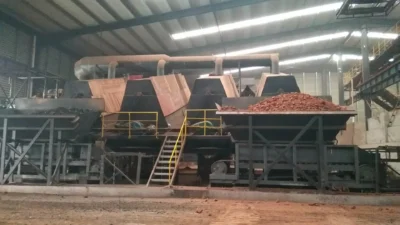
Common procurement questions
How quickly can I get a comparable quote?
Provide product dimensions, throughput targets, firing profile requirements, available utilities and site drawings. The supplier will need these to size sections, propose fuel systems and estimate installation. A complete RFQ typically speeds comparative pricing and reduces follow-up questions.
What tests should I require before purchase?
Request thermal simulation outputs, factory acceptance tests (FAT) for controls, and where possible, a product-specific firing trial or reference-site validation. Material-specific testing validates that the kiln achieves required temperature uniformity and firing curves [2].
Can the supplier price cover relocation or modular expansion?
Some mobile designs are intended to be relocated with limited site works; the supplier describes a detachable steel structure for modularity [3]. Confirm the extent of modularity, moving procedure, and what on-site support is needed. Treat relocation capability as a supplier claim until verified in the RFQ and acceptance tests.
How to request pricing and next steps
To get a meaningful mobile rotary tunnel kiln price, assemble a concise RFQ package: product samples or dimensions, desired throughput and cycle, utility availability, site layout and acceptance criteria. Ask suppliers to itemize costs and supply the technical evidence listed above. For a supplier that offers prefabricated tunnel-kiln solutions and related documentation, begin an inquiry through this supplier information page: prefabricated tunnel kiln. Include an explicit request for factory test reports and reference installations.
Final procurement guidance
Use lifecycle metrics—fuel use, maintenance access, expected consumables and emissions control needs—to turn the mobile rotary tunnel kiln price into a comparable procurement decision. Independent guidance recommends evaluating productivity alongside investment and operating costs and considering land use, fuel and emissions in project assessment [1]. Thermal analysis further supports checking insulation design, load flow and temperature gradients that will affect product quality [2].
Supplier attributions in this article are taken from the referenced product page and should be validated in an RFQ and through documented tests [3].
RFQ-confirmation scope note: Project-specific outcomes and performance statements must be confirmed by an RFQ that includes site data, product/material tests, and agreed acceptance criteria before purchase.
References
[1] Climate and Clean Air Coalition — Tunnel kiln technology overview and project assessment guideline