How Much Does a Tunnel Kiln Cost? Key Factors Behind the Price

For buyers comparing proposals, tunnel kiln cost is rarely a single line item. It depends on design, throughput, materials, fuel and automation — and on supplier choices such as prefabrication and modularity. This guide helps procurement teams and plant managers understand where price differences come from and how to structure an RFQ so bids are comparable.
Use the sections below to map technical needs to cost drivers, compare common options, and prepare a validation checklist you can share with suppliers. Supplier statements are identified where relevant; independent technical guidance is cited to support evaluation criteria.
tunnel kiln cost: why prices vary
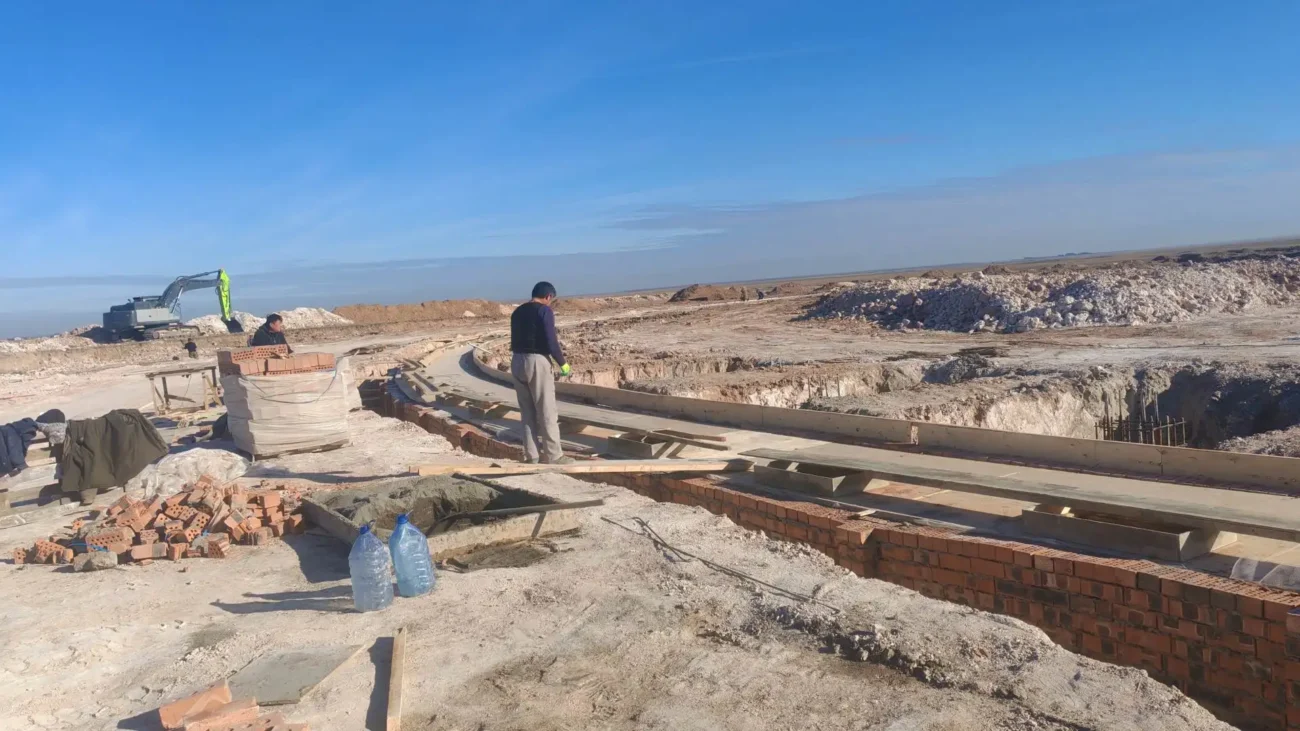
Price variation reflects three broad groups of factors: capital-equipment scope, installation and site works, and expected operating profile. Capital-equipment scope includes body design, car/track systems, burner and control packages, insulation and auxiliary systems. Installation depends on foundation work, utilities and local labor. Operating profile — intended throughput, fuel selection, operating hours and product dwell times — influences specification choices that raise or lower initial investment.
Independent technical guidance recommends evaluating productivity alongside investment and operating cost, lifespan, land use, fuel and emissions when comparing options, rather than focusing on upfront price alone [1]. Thermal performance and internal flow design also affect product quality and energy use [2].
Supplier features vs independent factors
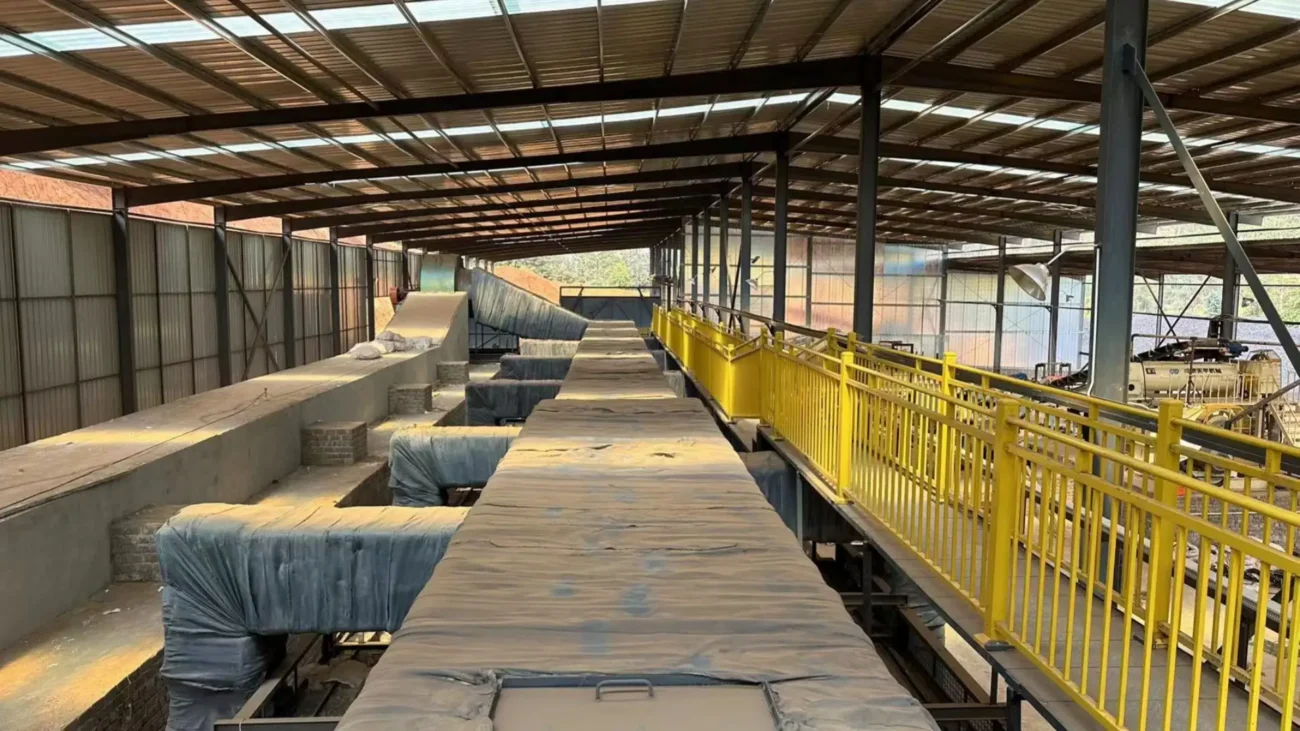
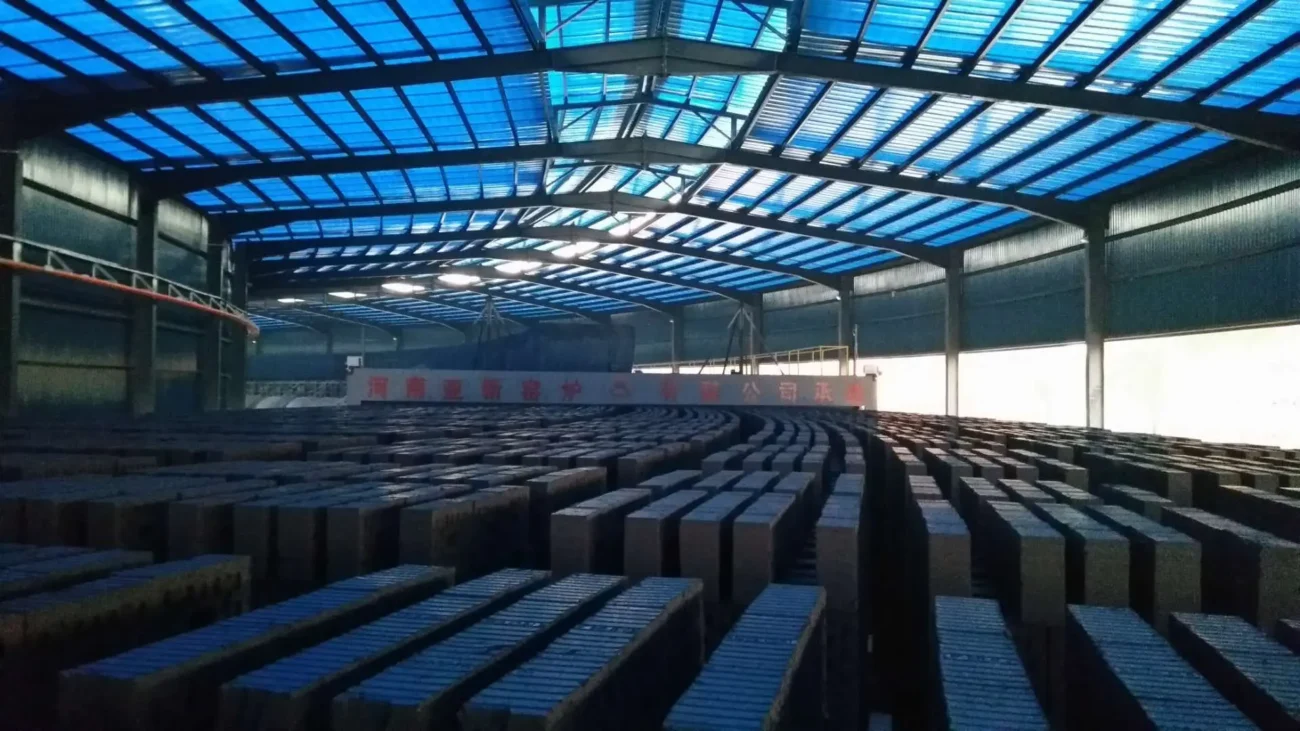
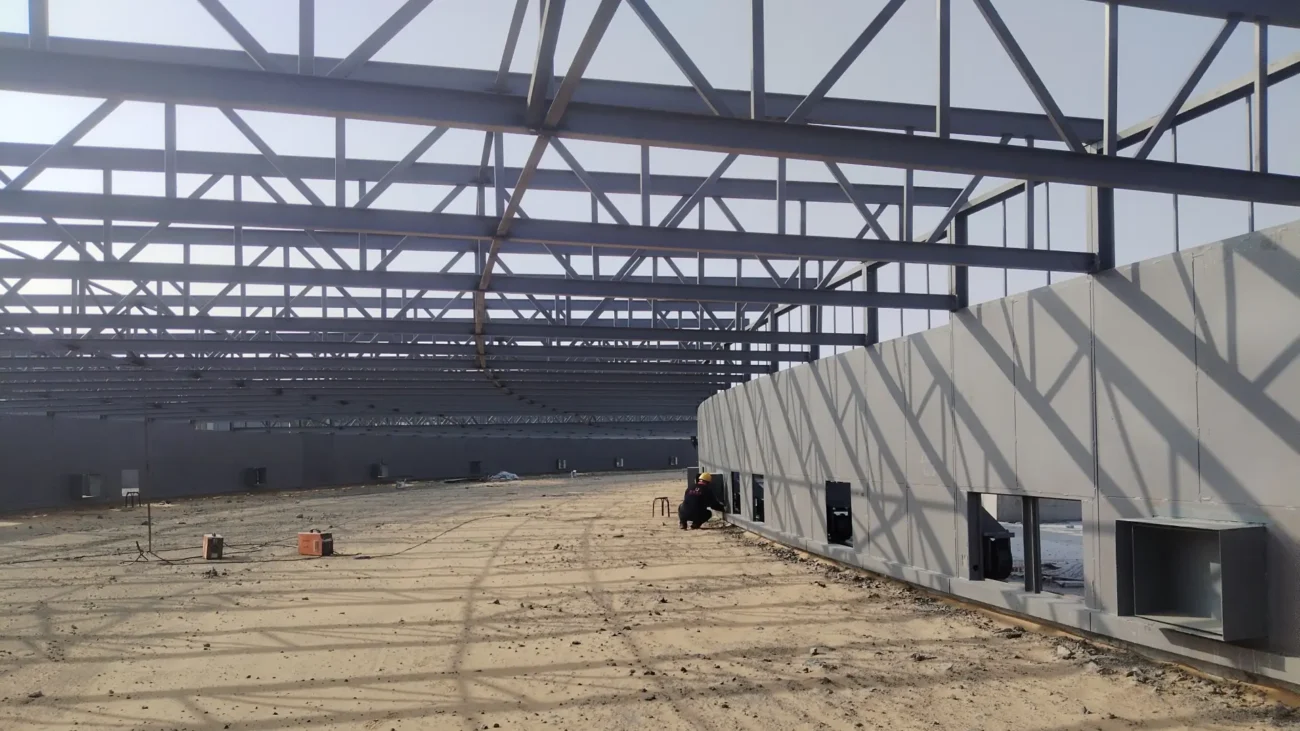
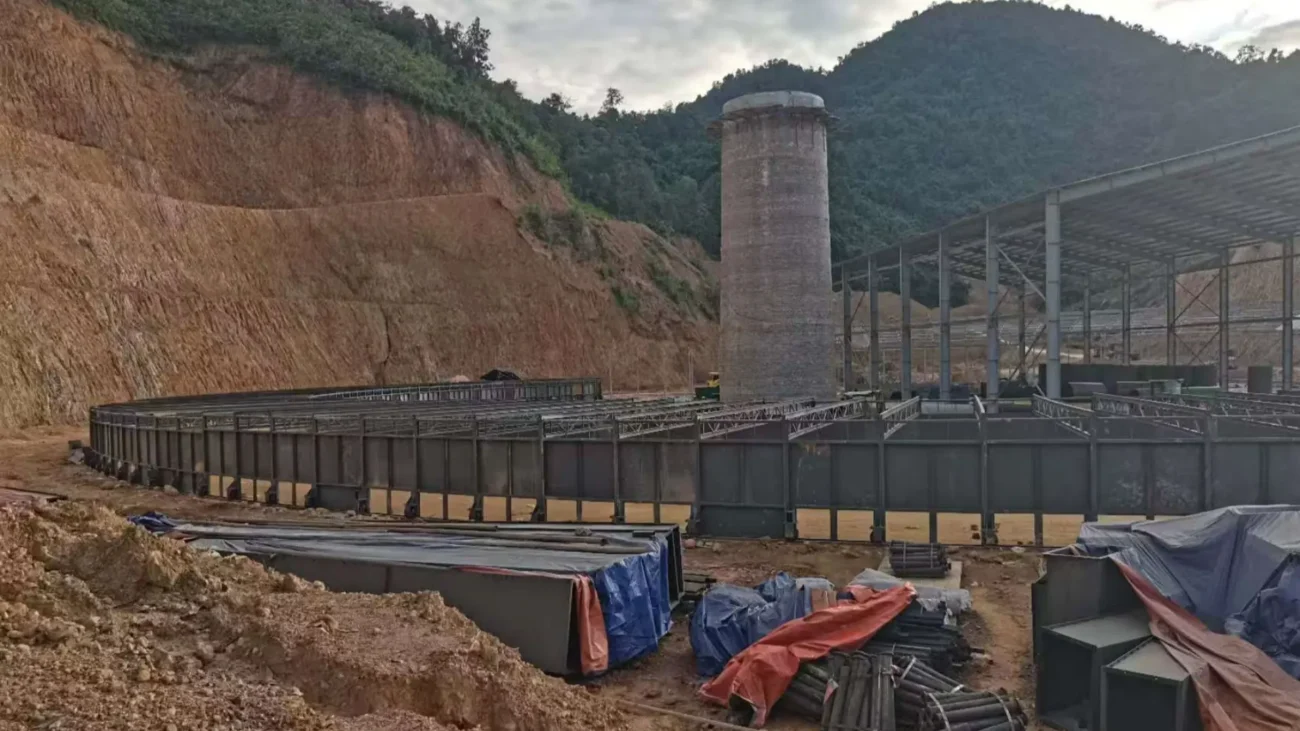
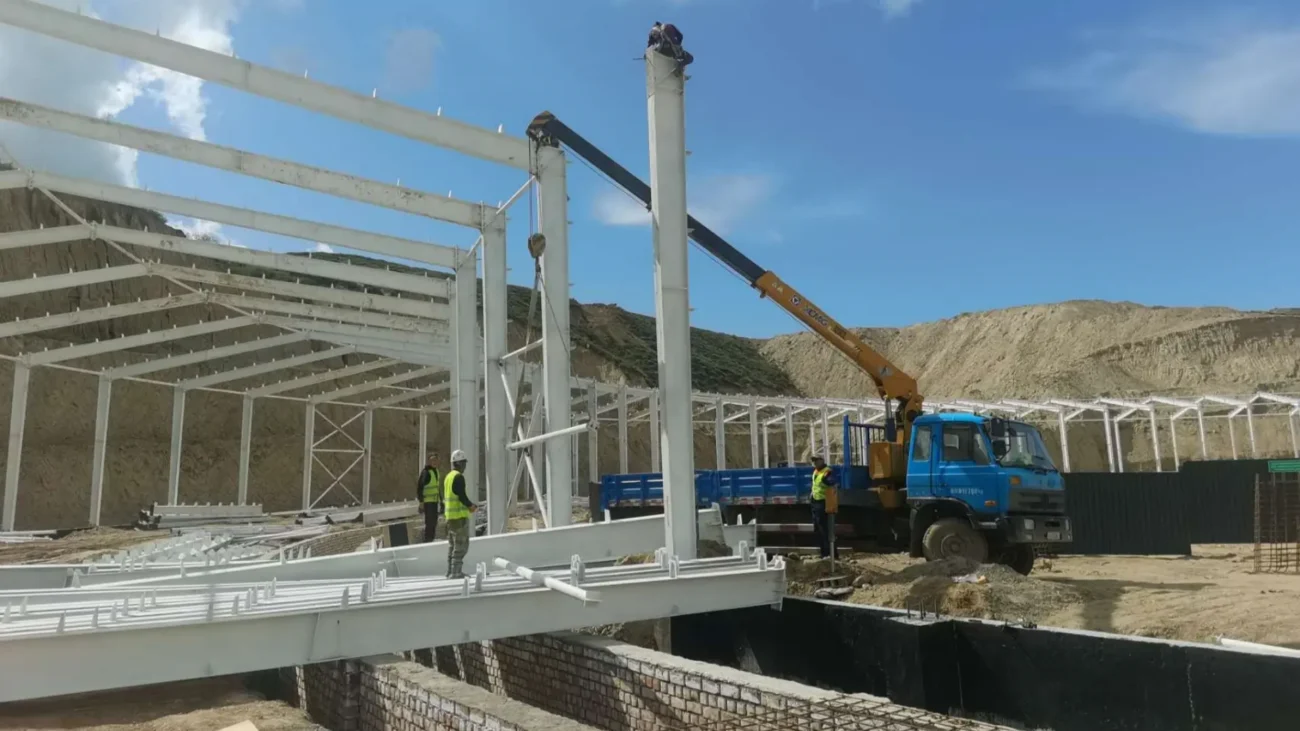
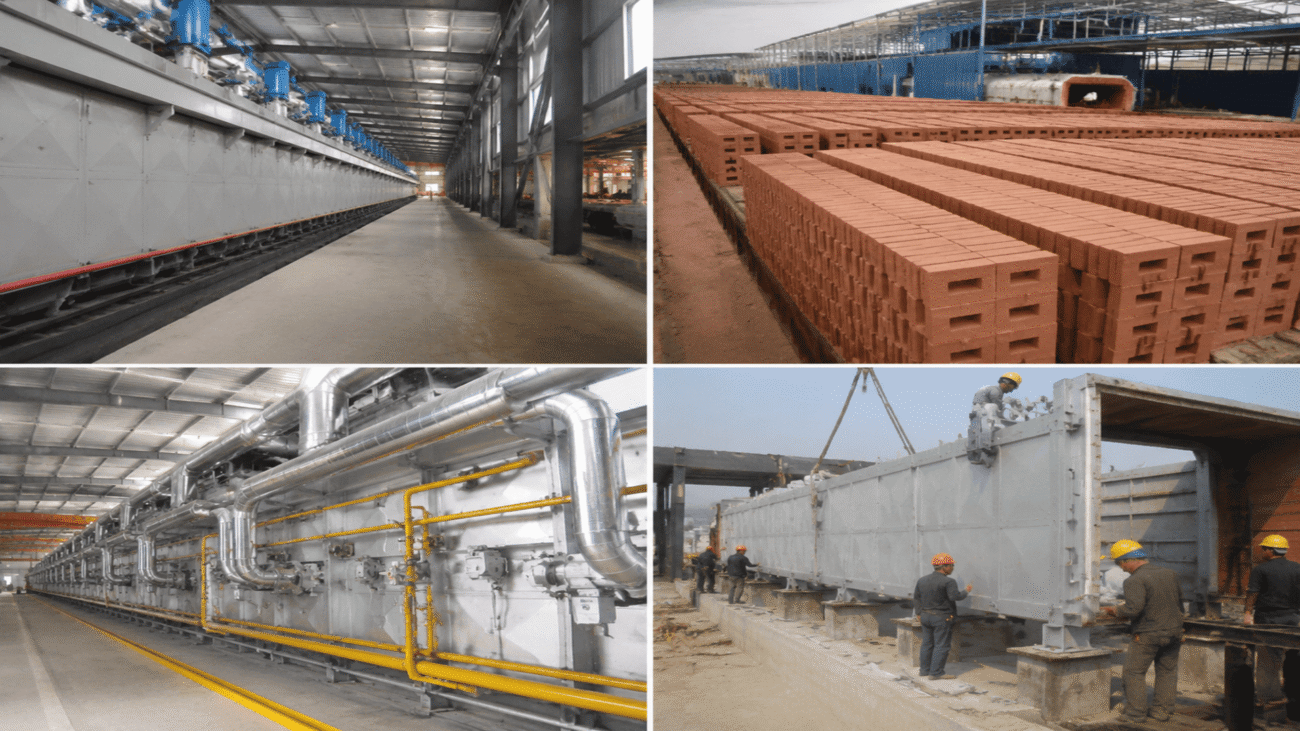
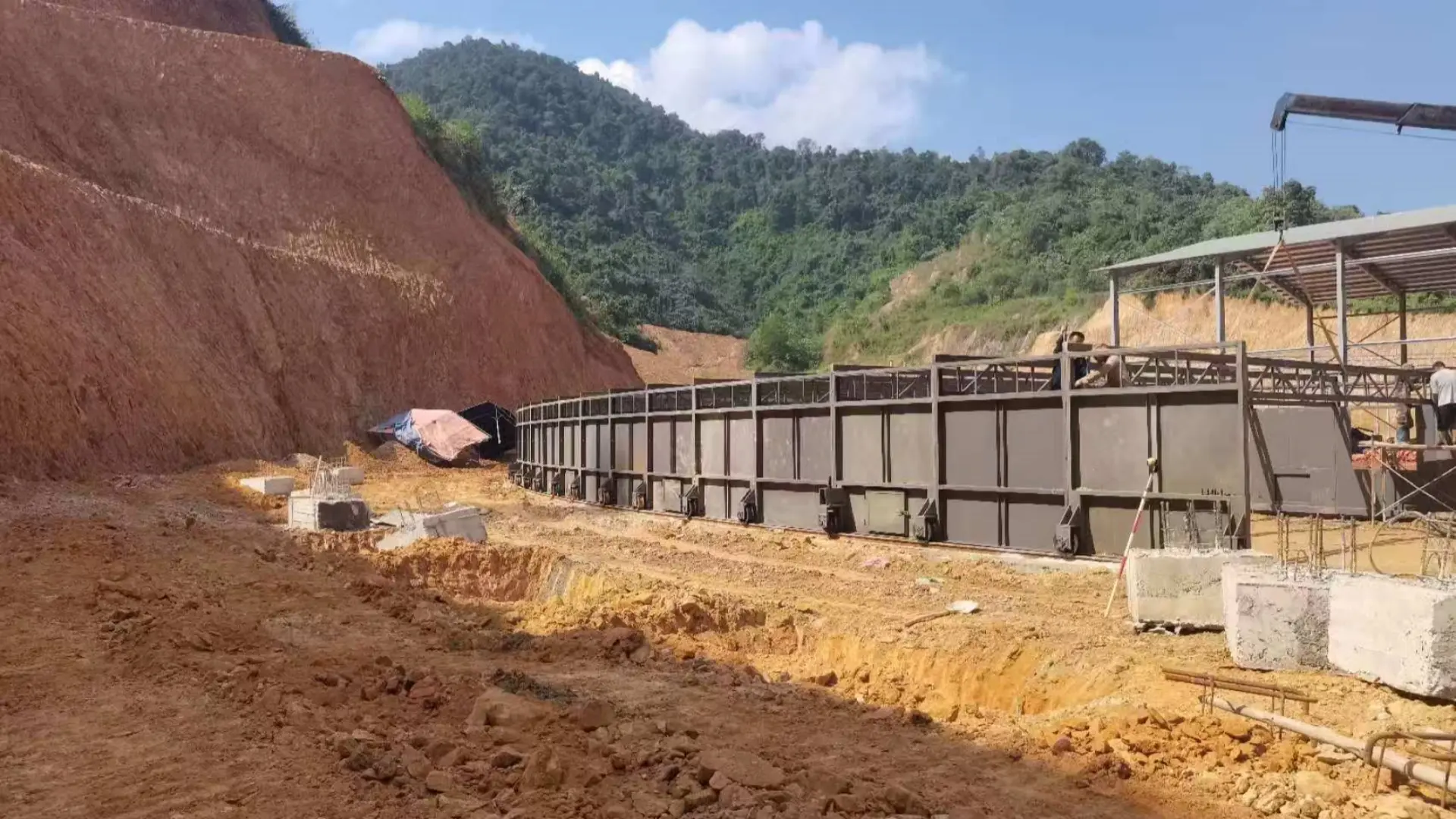
The prefabricated supplier page states a large-cross-section prefabricated tunnel-kiln body with multiple kiln-car tracks, synchronous drying and roasting stages, modular assemblies and automation features intended to accelerate delivery and standardize performance; the supplier also describes double sealing, rapid drying, and staged drying/preheating/calcining/insulation/cooling functionality [3]. Treat these features as supplier-provided claims to be confirmed in an RFQ.
Independent sources emphasise assessing insulation, load flow, firing curve control and cooling-air recovery to judge long-term operating cost and product quality. Thermal gradients and stack stability affect yield and rework rates, which indirectly change lifecycle cost [2].
Key components that drive tunnel kiln cost
- Kiln body and structural design — materials, prefabrication vs site-built, cross-section and number of tracks.
- Track and car systems — number, automation level, maintenance access.
- Thermal system — burners/fuel system, heat-recovery, burner controls and combustion staging.
- Insulation and refractory — quality and layout that determine thermal losses and repair cycles.
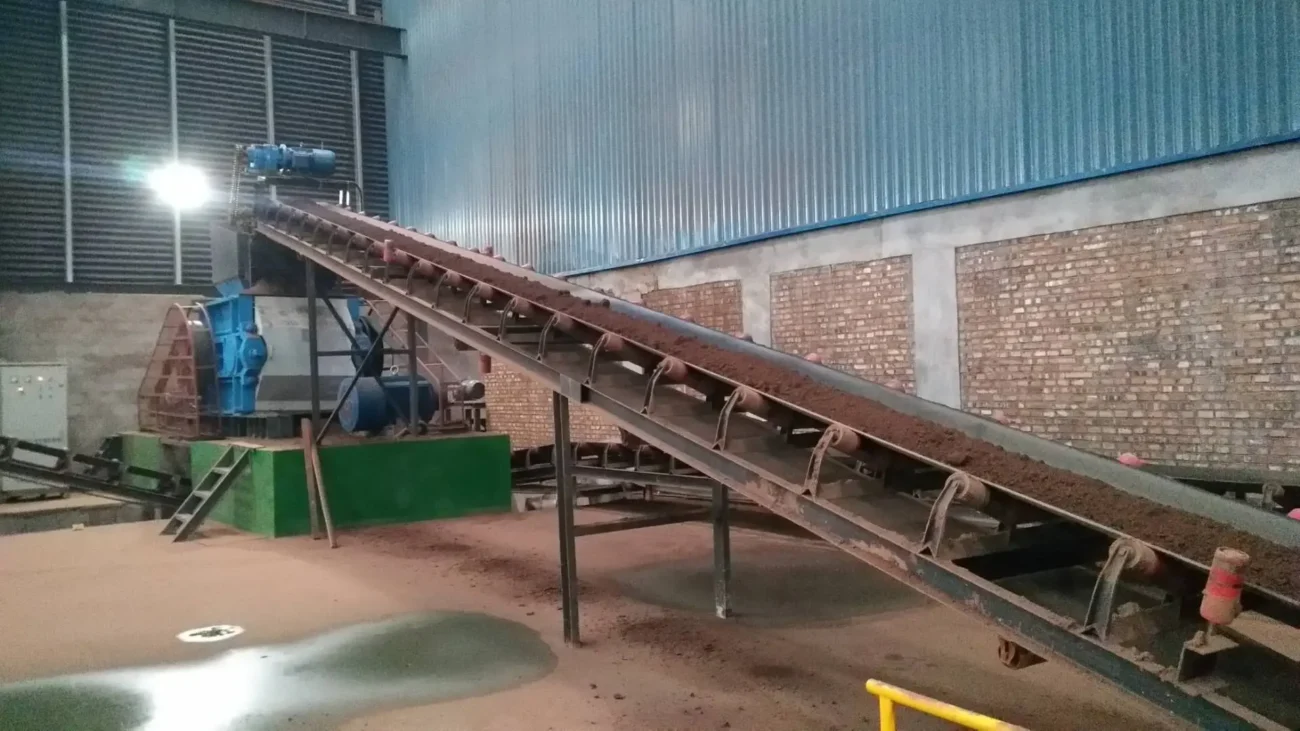
- Process staging and conveyors — drying, preheating, calcining, cooling sections and transfer systems.
- Controls and instrumentation — PLCs, process control for firing curves, data logging and safety systems.
- Emissions and flue systems — filtration, flue-gas rewiring/reburning or recovery strategies, and permitting requirements.
Comparison: common tunnel kiln options
| Option | Best for | Cost sensitivity |
|---|---|---|
| Prefabricated modular kiln | Faster installation, repeatable performance | Sensitive to transport and foundation work |
| Site-built custom kiln | Unique product shapes or very large cross-sections | Sensitive to design complexity and commissioning time |
| High automation package | Consistent quality at scale | Higher upfront, lower operator variability |
| Simpler manual systems | Lower throughput, low automation needs | Lower capital, potentially higher operating variability |
Use this table to match internal priorities — schedule, standardization, and risk tolerance — to likely supplier proposals. Verify whether the supplier’s prefabricated design addresses the same process needs you require [3].
Operational cost drivers and evaluation criteria
When comparing proposals, make sure each supplier provides data or test reports for the following technical items rather than generic statements: thermal efficiency, expected heat losses, control accuracy for firing curves, and any built-in heat-recovery or cooling-air recovery systems. The Climate and Clean Air Coalition guideline advises including fuel/energy consumption and emissions estimates in project evaluation, alongside productivity and lifecycle considerations [1].
Thermal modeling or a heat-balance study is often necessary to compare designs on equal terms. Independent thermal analysis literature highlights the importance of product dimensions, load-flow, and air/gas management to ensure uniform firing and stack stability — issues that affect both final quality and operating cost [2].
RFQ and validation checklist
| Item | Why it matters | Buyer note |
|---|---|---|
| Detailed scope and modules | Defines what is included/excluded | Ask for block diagrams and module list |
| Thermal performance data | Shows heat losses and firing control | Request modeling reports or test data |
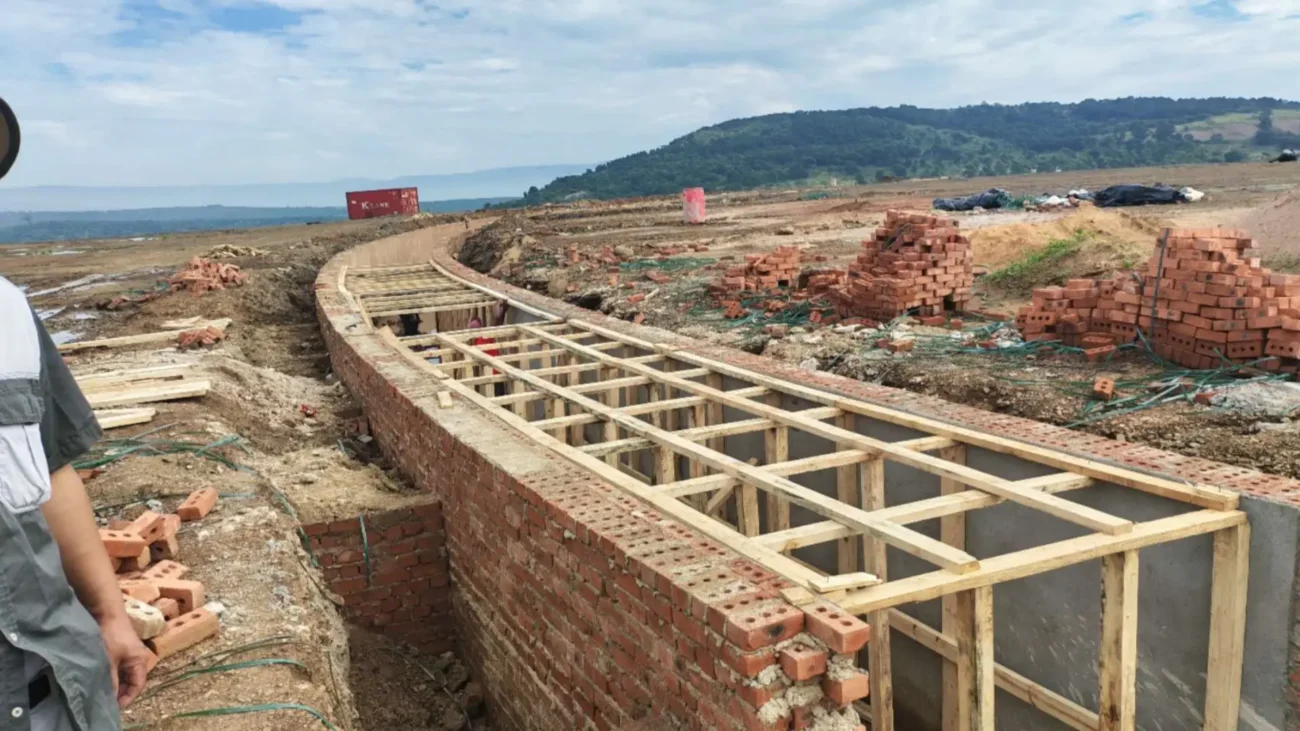
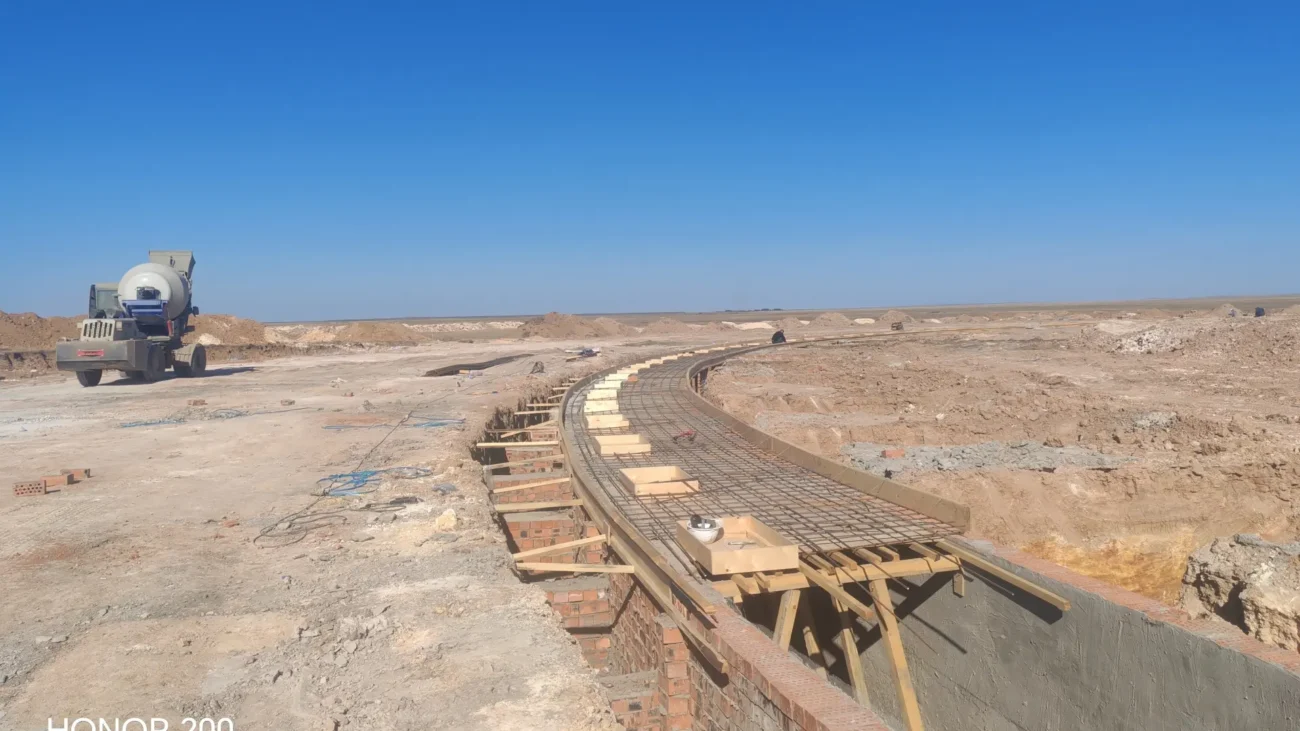
| Installation and site requirements | Impacts foundation and utility cost | Require site-specific drawings and utility loads |
| Controls and automation scope | Determines operator needs and integration | Specify I/O, PLC, HMI and data logging |
| Warranty and spare parts | Affects lifecycle maintenance | Ask for spare-parts list and lead times |
| Commissioning and training | Reduces startup risk | Define commissioning tests and training hours |
Make RFQ responses comparable by specifying the same product mix, expected throughput, site utilities and acceptance criteria. Ask suppliers to separate equipment cost, installation cost and recommended spare parts and consumables so you can compare like-for-like.
How to assess supplier claims
When a supplier describes features such as modular assemblies, synchronous drying and roasting, multiple kiln-car tracks, double sealing and staged processing (drying, preheating, calcining, insulation, cooling), treat those descriptions as supplier statements to be verified in the RFQ [3]. Ask for drawings, material specs, test results and references for installations of similar scale.
Independent technical guidance recommends confirming thermal uniformity and control stability through modeling or factory acceptance testing where possible [2]. Also consider lifecycle factors such as maintainability, access, and the availability of local service support when interpreting upfront cost quotes [1].
Procurement steps and decision tips
1) Define the product mix and throughput targets clearly in the RFQ. 2) Request thermal and mechanical drawings and simulation data. 3) Require itemised pricing for equipment, installation and commissioning. 4) Ask for client references and documented performance from similar installations. 5) Include acceptance tests and warranty terms as part of the award criteria.
If you prefer a prefabricated option to reduce site assembly, review the supplier’s modular scope and transport requirements and confirm how site foundations and utilities will be handled [3].
FAQs
How can I compare two different tunnel kiln quotes?
Compare standardised line items: kiln body, burners, insulation, controls, car/track systems, heat-recovery and installation. Ensure throughput, product sizes and acceptance tests are identical across quotes so thermal and mechanical scope aligns. Require modeling or measured data for thermal losses and firing curves where possible [1][2].
Do prefabricated kilns reduce overall project time?
Suppliers may claim reduced delivery and on-site assembly time for prefabricated, modular kilns; treat such claims as supplier statements and request a detailed schedule and modular scope to verify. Prefabrication can reduce some site risk but requires coordinated transport and foundation readiness [3].
Which technical tests should I require at commissioning?
Include thermal uniformity checks, firing-curve validation with representative loads, combustion efficiency measurements and control loop verification. Factory acceptance tests or site commissioning tests that replicate production conditions provide a stronger basis for acceptance than generic performance statements [2].
Next steps and non-coercive CTA
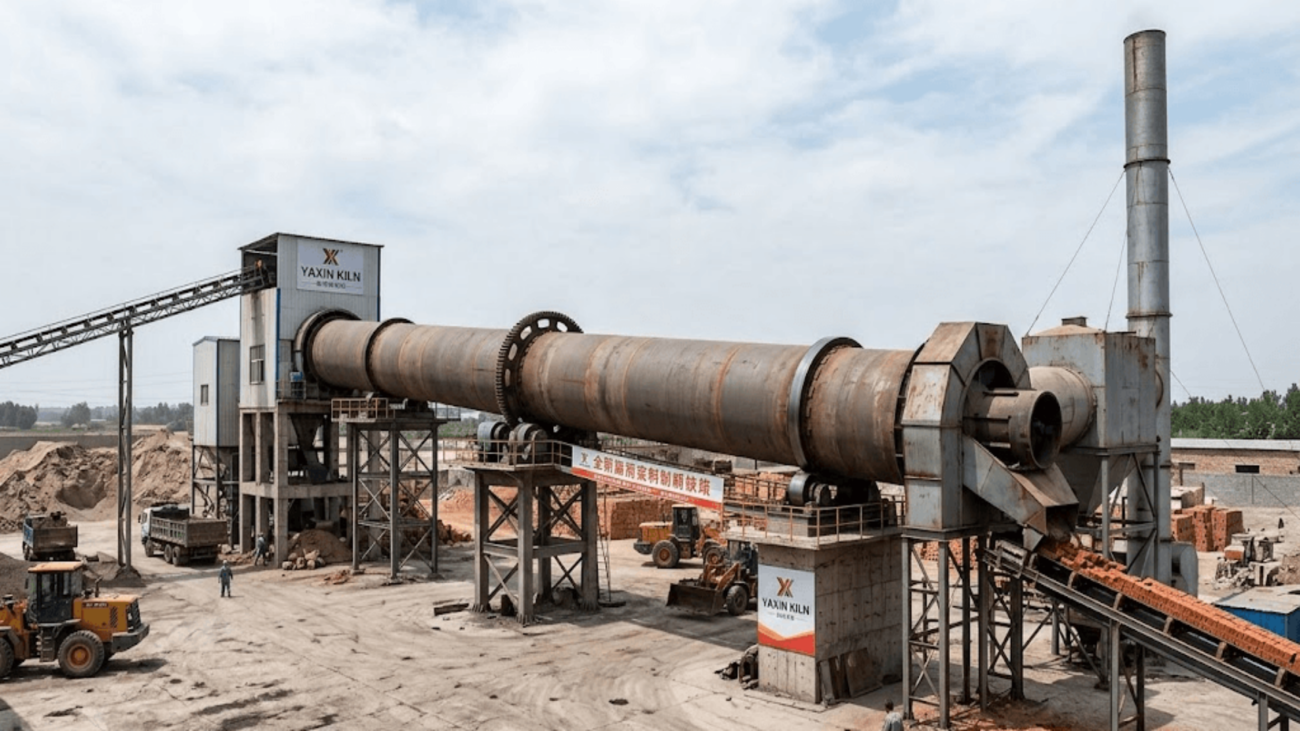
To evaluate prefabricated options and request supplier specifications, use the RFQ checklist above and ask suppliers for detailed drawings and thermal reports. For one supplier’s prefabricated tunnel-kiln product and modular specifications, review the product page and request a formal quote: Yaxin prefabricated tunnel-kiln product and specifications.
Independent references and thermal-analysis literature can guide acceptance criteria and lifecycle evaluation. Remember that supplier-provided features should be validated through your RFQ process and site-specific verification [1][2][3].
RFQ-confirmation scope note: Project-specific cost, performance and delivery outcomes must be confirmed by an RFQ, site data, material tests and agreed acceptance criteria.